Sarah Handley-Cousins - Böcker
Visar alla böcker från författaren Sarah Handley-Cousins. Handla med fri frakt och snabb leverans.
3 produkter
3 produkter
678 kr
Skickas inom 3-6 vardagar
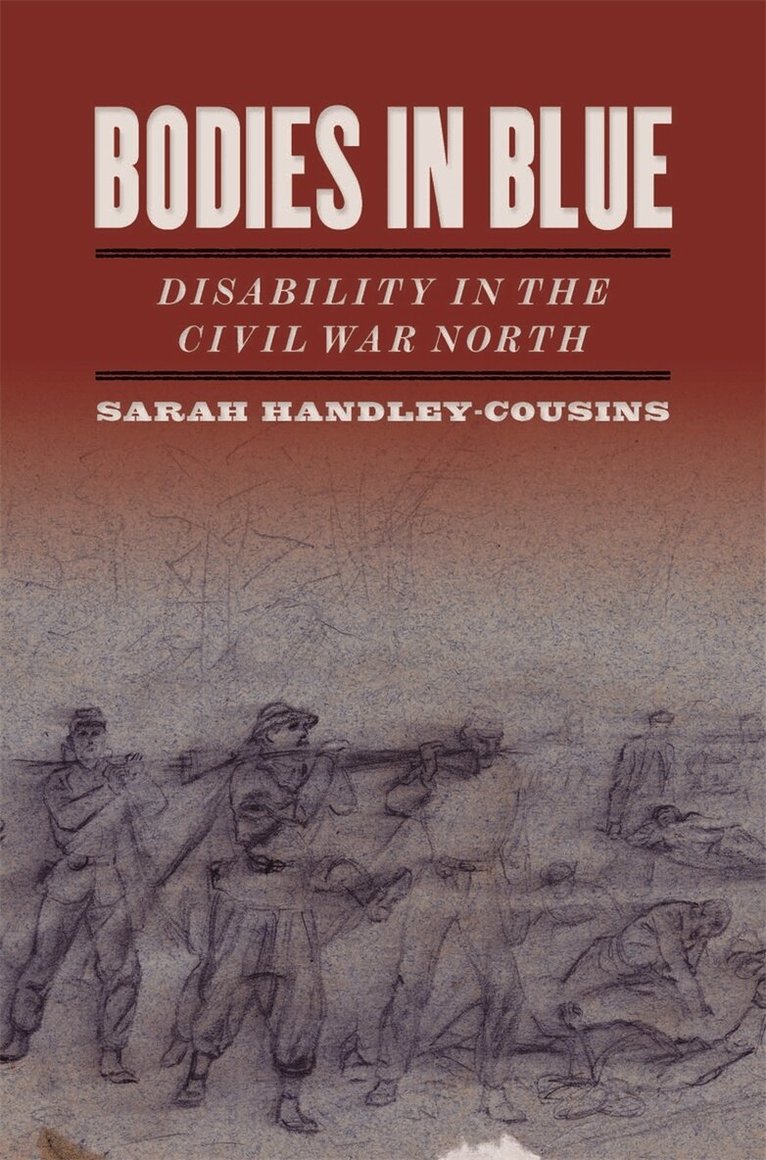
In the popular imagination, Civil War disability is virtually synonymous with amputation. But war affects the body in countless ways, many of them understudied by historians. In Bodies in Blue, Sarah Handley-Cousins expands and complicates our understanding of wartime disability by examining a variety of bodies and ailments, ranging from the temporary to the chronic, from disease to injury, and encompassing both physical and mental conditions. She studies the cases of well-known individuals, such as Union general Joshua Lawrence Chamberlain, alongside many cases drawn from the ranks to provide a more comprehensive view of how soldiers, civilians, and institutions grappled with war-related disability in the Civil War–era North.During the Civil War and long after, the bodies of Union soldiers and veterans were sites of powerful cultural beliefs about duty and sacrifice. However, the realities of living with a disability were ever at odds with the expectations of manhood. As a consequence, men who failed to perform the role of wounded warrior properly could be scrutinized for failing to live up to standards of martial masculinity. Under the gaze of surgeons, officers, bureaucrats, and civilians, disabled soldiers made difficult negotiations in their attempts to accommodate impaired bodies and please observers. Some managed this process with ease; others struggled and suffered. Embracing and exploring this apparent contradiction, Bodies in Blue pushes Civil War history in a new direction.
529 kr
Skickas inom 3-6 vardagar
In the popular imagination, Civil War disability is virtually synonymous with amputation. But war affects the body in countless ways, many of them understudied by historians. In Bodies in Blue, Sarah Handley-Cousins expands and complicates our understanding of wartime disability by examining a variety of bodies and ailments, ranging from the temporary to the chronic, from disease to injury, and encompassing both physical and mental conditions. She studies the cases of well-known individuals, such as Union general Joshua Lawrence Chamberlain, alongside many cases drawn from the ranks to provide a more comprehensive view of how soldiers, civilians, and institutions grappled with war-related disability in the Civil War–era North.During the Civil War and long after, the bodies of Union soldiers and veterans were sites of powerful cultural beliefs about duty and sacrifice. However, the realities of living with a disability were ever at odds with the expectations of manhood. As a consequence, men who failed to perform the role of wounded warrior properly could be scrutinized for failing to live up to standards of martial masculinity. Under the gaze of surgeons, officers, bureaucrats, and civilians, disabled soldiers made difficult negotiations in their attempts to accommodate impaired bodies and please observers. Some managed this process with ease; others struggled and suffered. Embracing and exploring this apparent contradiction, Bodies in Blue pushes Civil War history in a new direction.
309 kr
Skickas inom 7-10 vardagar
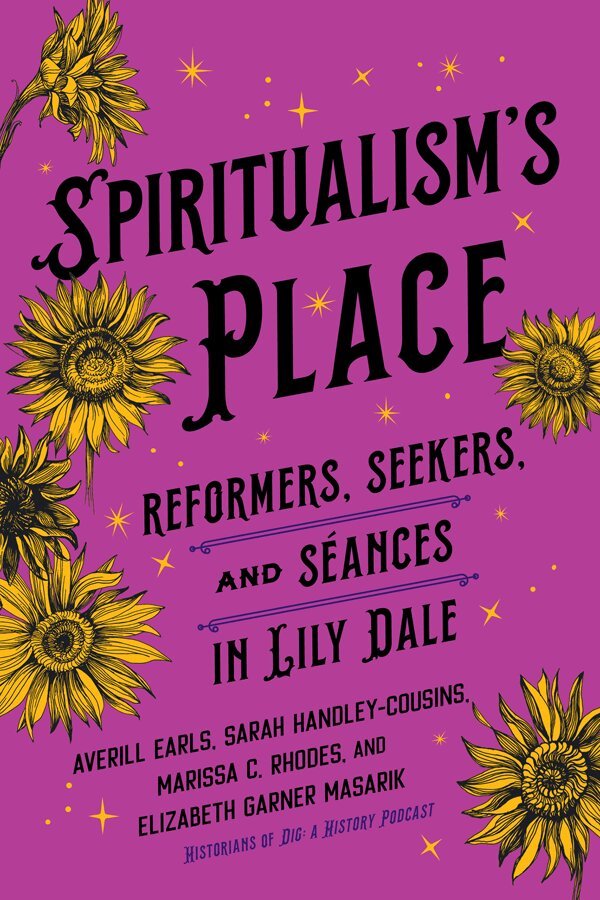
In Spiritualism's Place, four friends and scholars who produce the acclaimed Dig: A History Podcast, share their curiosity and enthusiasm for uncovering stories from the past as they explore the history of Lily Dale. Located in western New York State, the world's largest center for Spiritualism was founded in 1879. Lily Dale has been a home for Spiritualists attempting to make contact with the dead, as well as a gathering place for reformers, a refuge for seekers looking for alternatives to established paths of knowledge, and a target for skeptics. This intimate history of Lily Dale reveals the role that this fascinating place has played within the history of Spiritualism, as well as within the development of the women's suffrage and temperance movements, and the world of New Age religion. As an intentional community devoted to Spiritualist beliefs and practices, Lily Dale brings together multiple strands in the social and religious history of New York and the United States over the past 150 years: feminism, social reform, utopianism, new religious movements, and cultural appropriation. Podcasters and historians alike, Averill Earls, Sarah Handley-Cousins, Elizabeth Garner Masarik, and Marissa C. Rhodes each identify one site in Lily Dale and one theme that its history illuminates. They use those sites and themes to approach Lily Dale not as debunkers but as inquisitive researchers and storytellers. At the same time, they also reflect on their own relationships contending that it's never quite possible to separate grief, hope, faith, and friendship from understandings of the past. Spiritualism's Place breaks myths, unveils unexpected stories, and finds new ways to contemplate Spiritualism's role in American history.