Sarah Knott – författare
Visar alla böcker från författaren Sarah Knott. Handla med fri frakt och snabb leverans.
10 produkter
Women, Gender and Enlightenment
Häftad, 2005
1688 kr
Lägg i varukorg
Did women have an Enlightenment? This path-breaking volume of interdisciplinary essays by forty leading scholars provides a detailed picture of the controversial, innovative role played by women and gender issues in the age of light.
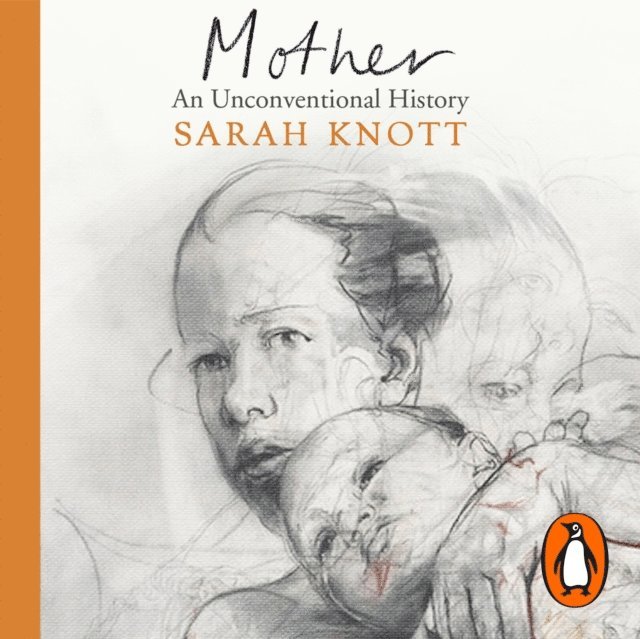
Mother
An Unconventional History
Av Sarah Knott
Ljudbok, 2019
149 kr
Lägg i varukorg
''Timely and fascinating'' Amanda Foreman, bestselling author of Georgiana, Duchess of Devonshire What was mothering like in the past? When acclaimed historian Sarah Knott became pregnant, she asked herself this question. But accounts of motherhood are hard to find. For centuries, historians have …
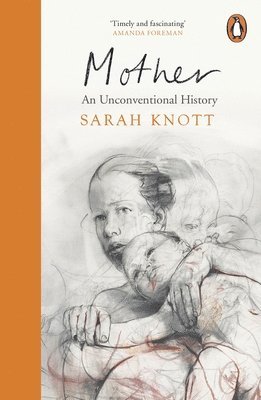
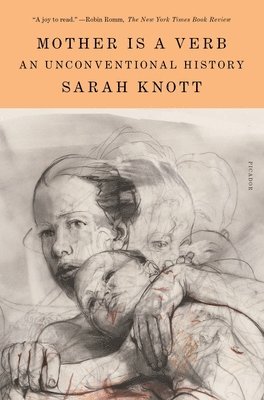
Mother
An Unconventional History
Av Sarah Knott
Häftad, 2020
198 kr
Lägg i varukorg
What was mothering like in the past? When acclaimed historian Sarah Knott became pregnant, she asked herself this question. But accounts of motherhood are hard to find. For centuries, historians have concerned themselves with wars, politics and revolutions, not the everyday details of carrying and …
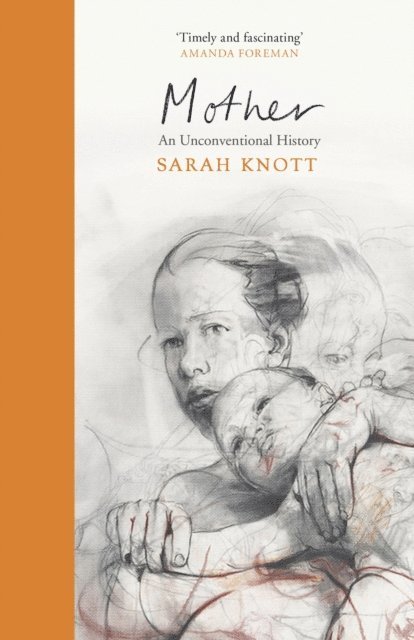
Mother
An Unconventional History
Av Sarah Knott
E-bok, 2019
108 kr
Lägg i varukorg
What was mothering like in the past? When acclaimed historian Sarah Knott became pregnant, she asked herself this question. But accounts of motherhood are hard to find. For centuries, historians have concerned themselves with wars, politics and revolutions, not the everyday details of carrying and …
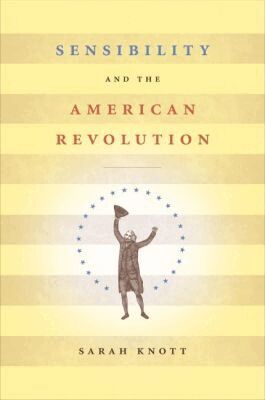
Sensibility and the American Revolution
Av Sarah Knott
Häftad, 2009
515 kr
Lägg i varukorg
In the wake of American independence, it was clear that the new United States required novel political forms. Less obvious but no less revolutionary was the idea that the American people needed a new understanding of the self. Sensibility was a cultural movement that celebrated the human capacity …
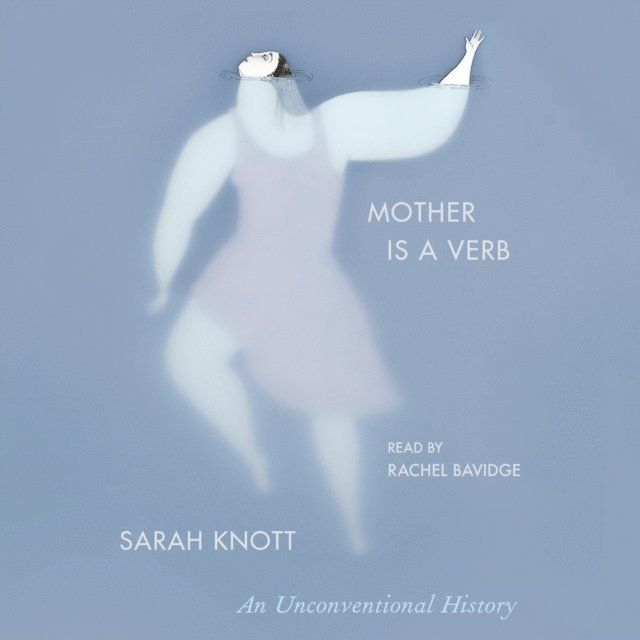
Mother Is a Verb
An Unconventional History
Av Sarah Knott
Häftad, 2020
249 kr
Lägg i varukorg
Welcome to a work of history unlike any other. Mothering is as old as human existence. But how has this most essential experience changed over time and cultures? What is the history of maternity—the history of pregnancy, birth, the encounter with an infant? Can one capture the historical trail of …
Mother Is a Verb
An Unconventional History
Av Sarah Knott
Ljudbok, 2019
385 kr
Lägg i varukorg
Welcome to a work of history unlike any other. Mothering is as old as human existence. But how has this most essential experience changed over time and cultures? What is the history of maternity—the history of pregnancy, birth, the encounter with an infant? Can one capture the historical trail of …
Care and Capitalism in the Twentieth Century
Av Kirsten Swinth, Sarah Knott
Inbunden, 2027
1417 kr
Kommande
Care and Capitalism in the Twentieth Century
Av Kirsten Swinth, Sarah Knott
Häftad, 2027
334 kr
Kommande
Sensibility and the American Revolution
Av Sarah Knott
E-bok, 2012
410 kr
Lägg i varukorg
In the wake of American independence, it was clear that the new United States required novel political forms. Less obvious but no less revolutionary was the idea that the American people needed a new understanding of the self. Sensibility was a cultural movement that celebrated the human capacity …