Sarah Seiselmyer-Snyder - Böcker
Visar alla böcker från författaren Sarah Seiselmyer-Snyder. Handla med fri frakt och snabb leverans.
3 produkter
3 produkter
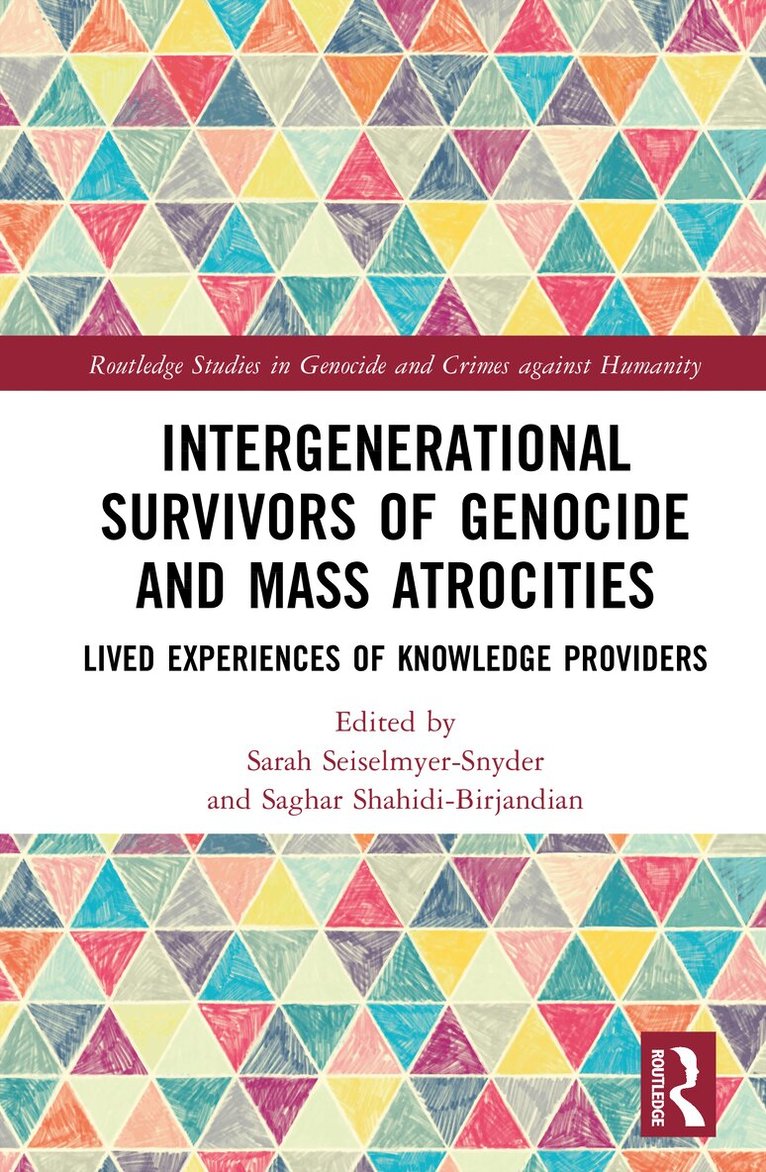
Intergenerational Survivors of Genocide and Mass Atrocities
Lived Experiences of Knowledge Providers
Inbunden, Engelska, 2026
2 258 kr
Kommande
This unique volume brings together intergenerational survivors of genocide and mass atrocities, who are actively engaged in producing knowledge related to their lived and inherited experiences, to share their stories. Centering survivor positionality as a source of epistemic insight rather than bias, the book examines how intergenerational experiences shape scholarship, pedagogy, advocacy, healing, and atrocity prevention practice.Contributors reflect on the benefits, risks, and ethical tensions of this focal positionality while offering concrete recommendations to reduce harm and strengthen support across academic, humanitarian, and policy domains. Organized thematically, the volume explores personal and communal ways of knowing atrocity, identity, and moral inheritance, and the structural conditions under which survivor-scholars work. The book is divided into three parts, including teachings about one’s own lived experiences, narratives about positionality and identity, and navigating and improving conditions for intergenerational survivors in knowledge production.Exploring how intergenerational experiences impact the production of knowledge on atrocity violence, this book will appeal to scholars and students of genocide and mass atrocity prevention, memory studies, transitional justice, peacebuilding, and related interdisciplinary fields.
1 329 kr
Skickas inom 10-15 vardagar
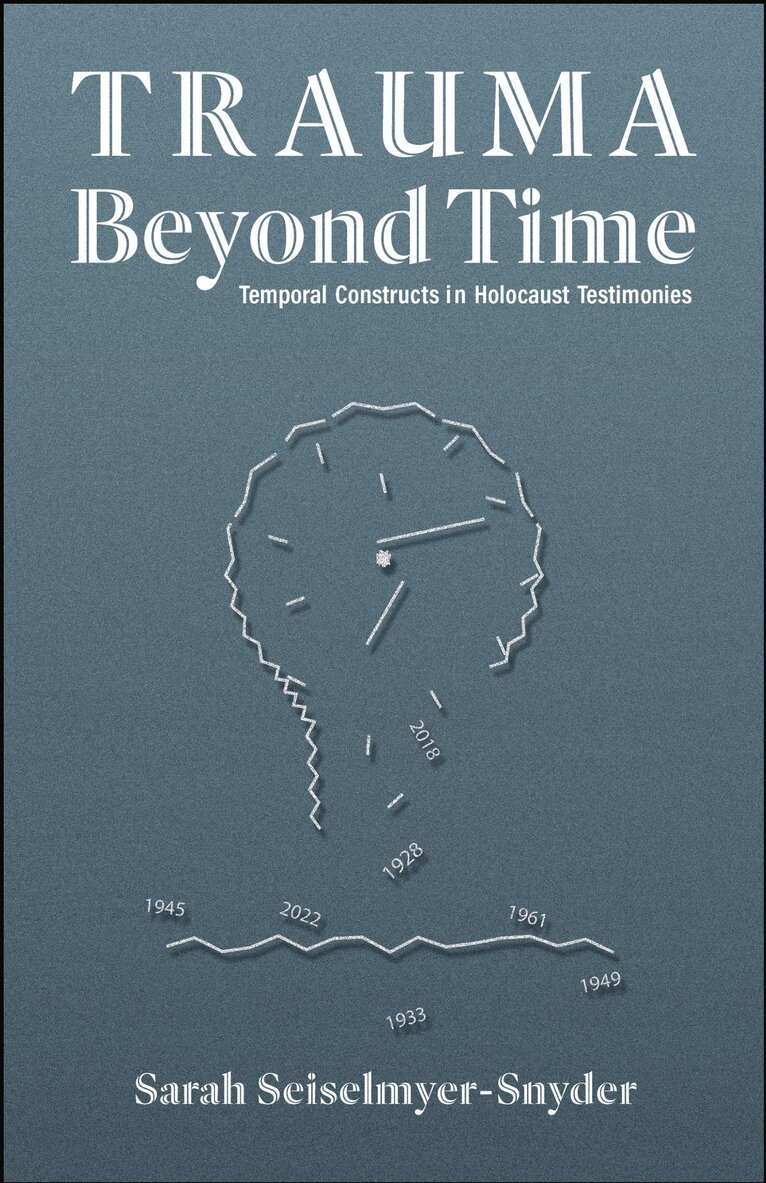
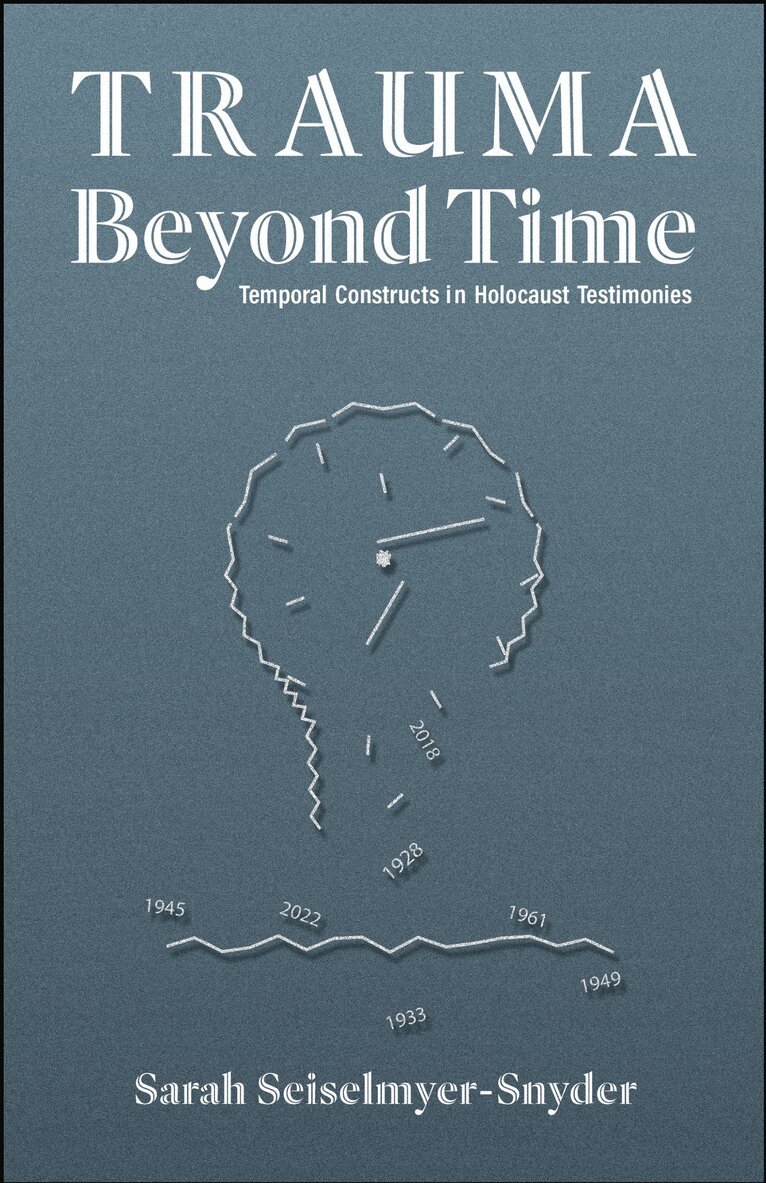
Trauma Beyond Time: Temporal Constructs in Holocaust Testimonies challenges our understanding of what it means to be a Holocaust survivor, arguing that the term "post-Holocaust" fundamentally misrepresents survivors' experiences. Through careful analysis of Holocaust literature and testimony, this book reveals how trauma persists across generations, defying conventional historical timelines. For those who perished, there can be no "after" to the Holocaust—their stories were violently ended. Yet for survivors, the Holocaust didn't simply conclude in 1945. Their experiences demonstrate how trauma continues to shape lives decades later, making "post-Holocaust" a misleading concept that fails to capture their ongoing reality. Using the multigenerational testimony of the Tabak family as a case study, this research shows how trauma disrupts linear time, creating a continuous present where past horrors remain alive. The author examines Holocaust diaries that end abruptly with their authors' deaths, alongside memoirs that document how survivors navigate a world forever altered by their experiences. Perhaps most profound is the examination of intergenerational trauma, where descendants inherit the psychological imprint of events they never personally witnessed. For these individuals, there is no "before" the Holocaust—only its ongoing echoes through family memory and inherited trauma. By reconsidering how we frame survivorship, this book calls for a more nuanced, trauma-informed approach to Holocaust studies that honors the continuing reality of survivors' experiences.
379 kr
Skickas inom 10-15 vardagar
Trauma Beyond Time: Temporal Constructs in Holocaust Testimonies challenges our understanding of what it means to be a Holocaust survivor, arguing that the term "post-Holocaust" fundamentally misrepresents survivors' experiences. Through careful analysis of Holocaust literature and testimony, this book reveals how trauma persists across generations, defying conventional historical timelines. For those who perished, there can be no "after" to the Holocaust—their stories were violently ended. Yet for survivors, the Holocaust didn't simply conclude in 1945. Their experiences demonstrate how trauma continues to shape lives decades later, making "post-Holocaust" a misleading concept that fails to capture their ongoing reality. Using the multigenerational testimony of the Tabak family as a case study, this research shows how trauma disrupts linear time, creating a continuous present where past horrors remain alive. The author examines Holocaust diaries that end abruptly with their authors' deaths, alongside memoirs that document how survivors navigate a world forever altered by their experiences. Perhaps most profound is the examination of intergenerational trauma, where descendants inherit the psychological imprint of events they never personally witnessed. For these individuals, there is no "before" the Holocaust—only its ongoing echoes through family memory and inherited trauma. By reconsidering how we frame survivorship, this book calls for a more nuanced, trauma-informed approach to Holocaust studies that honors the continuing reality of survivors' experiences.