Sascha T. Scott – författare
Visar alla böcker från författaren Sascha T. Scott. Handla med fri frakt och snabb leverans.
2 produkter
2 produkter
423 kr
Kommande
During the early twentieth century, Pueblo artists gained national attention with their paintings of ceremonial dances, animals, and everyday community life. Focusing on five first-generation Pueblo artists—Alfredo Montoya, Crescencio Martinez, Awa Tsireh, Tonita Peña, and Velino Shije Herrera—Sascha T. Scott traces how these painters developed a modern form of Pueblo painting. Working within and against the pressures of settler colonialism, tourism, anthropological scrutiny, and emerging art markets, these artists created works that celebrated living cultural traditions while supporting their families and communities.Drawing on oral histories, archival research, and engagement with descendants and Pueblo community members, Scott centers the voices, families, and communities of the painters themselves, illuminating the social worlds in which these artists lived and worked. Their paintings embodied Pueblo values grounded in kinship, place, relationality, and responsibility while also navigating the economic and political realities of America.By foregrounding Indigenous perspectives, Remembering for the Future reframes the history of modern Pueblo painting. These artists did more than create art for outside audiences—they used painting to sustain cultural knowledge, assert visual sovereignty, and carry Pueblo worldviews into the future.
501 kr
Skickas inom 5-8 vardagar
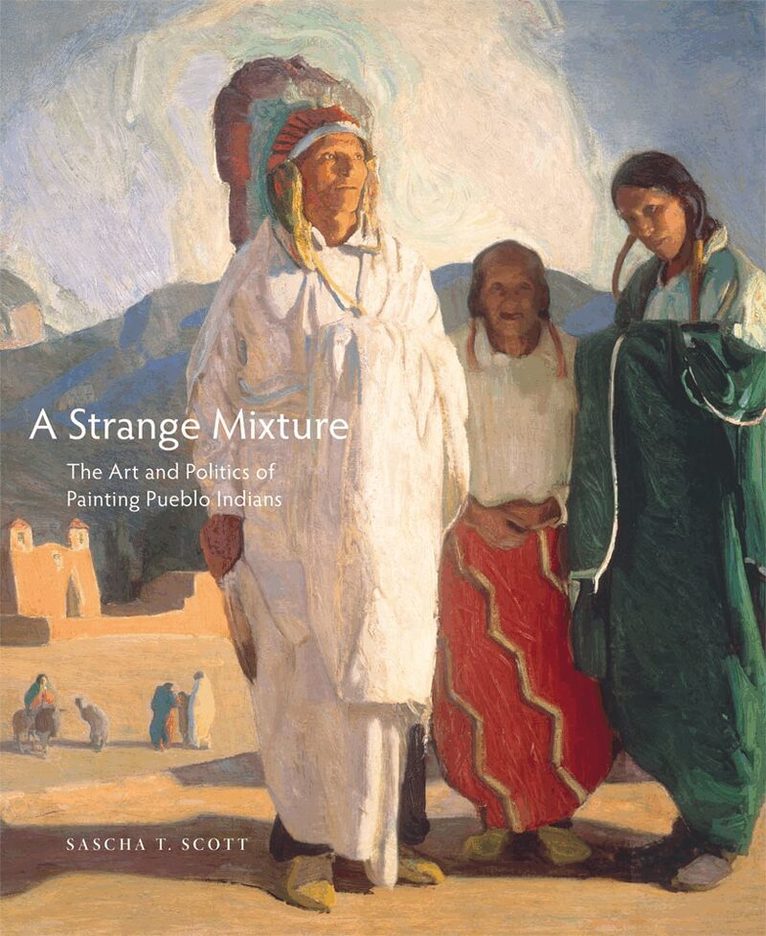
Attracted to the rich ceremonial life and unique architecture of the New Mexico pueblos, many early-twentieth-century artists depicted Pueblo peoples, places, and culture in paintings. These artists' encounters with Pueblo Indians fostered their awareness of Native political struggles and led them to join with Pueblo communities to champion Indian rights. In this book, art historian Sascha T. Scott examines the ways in which non-Pueblo and Pueblo artists advocated for American Indian cultures by confronting some of the cultural, legal, and political issues of the day.Scott closely examines the work of five diverse artists, exploring how their art was shaped by and helped to shape Indian politics. She places the art within the context of the interwar period, 1915-30, a time when federal Indian policy shifted away from forced assimilation and toward preservation of Native cultures. Through careful analysis of paintings by Ernest L. Blumenschein, John Sloan, Marsden Hartley, and Awa Tsireh (Alfonso Roybal), Scott shows how their depictions of thriving Pueblo life and rituals promoted cultural preservation and challenged the pervasive romanticizing theme of the ""vanishing Indian."" Georgia O'Keeffe's images of Pueblo dances, which connect abstraction with lived experience, testify to the legacy of these political and aesthetic transformations.Scott makes use of anthropology, history, and indigenous studies in her art historical narrative. She is one of the first scholars to address varied responses to issues of cultural preservation by aesthetically and culturally diverse artists, including Pueblo painters. Beautifully designed, this book features nearly sixty artworks reproduced in full color.