Saulius Grybkauskas – författare
Visar alla böcker från författaren Saulius Grybkauskas. Handla med fri frakt och snabb leverans.
8 produkter
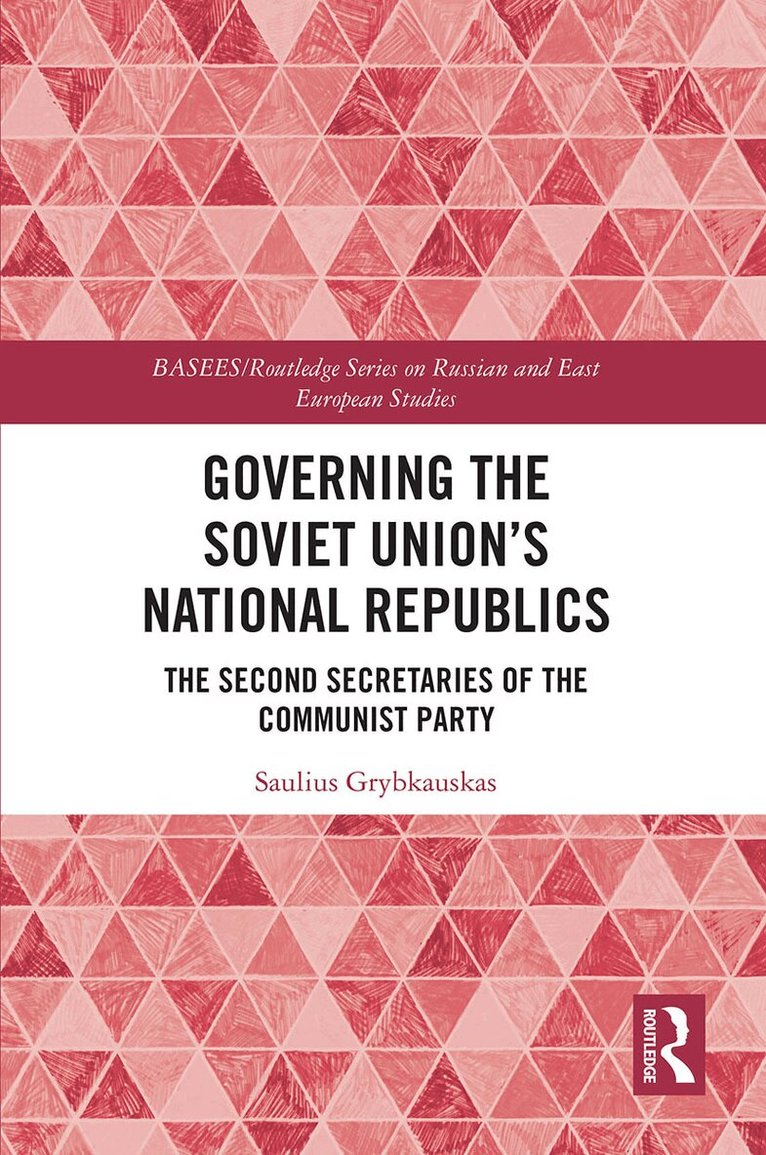
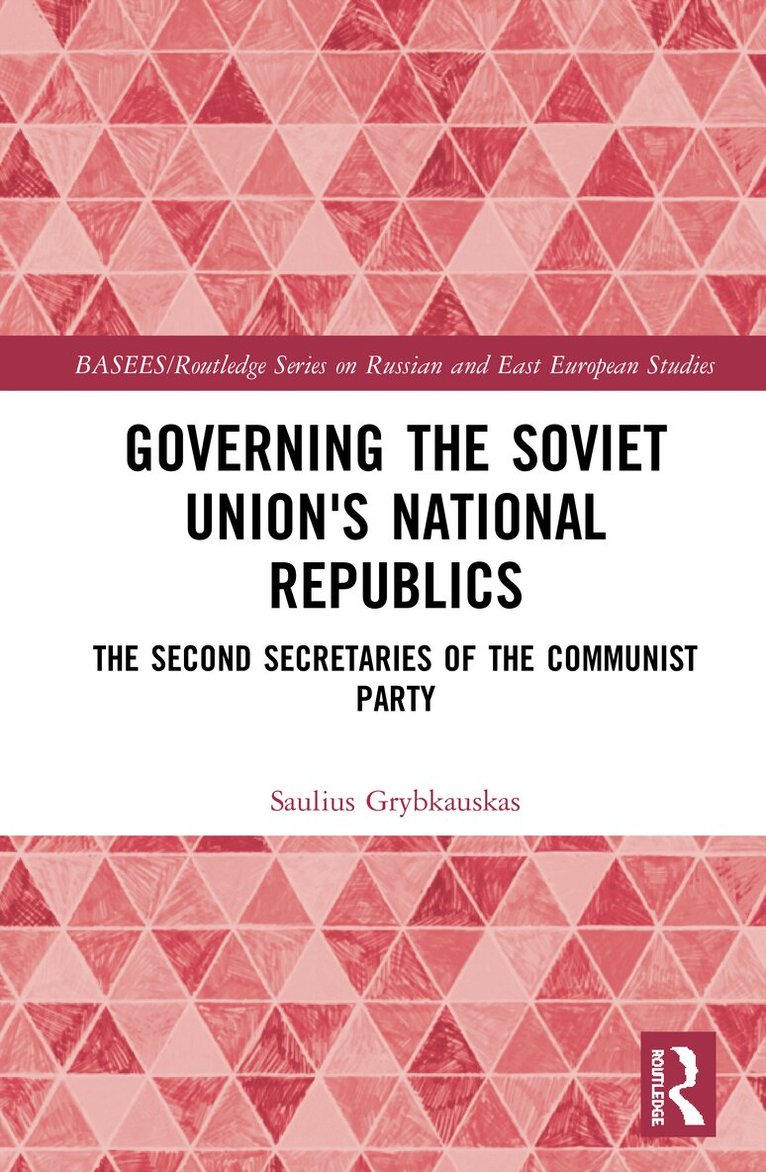
Governing the Soviet Union's National Republics
The Second Secretaries of the Communist Party
Häftad, 2022
711 kr
Lägg i varukorg
Second Secretary of the Central Committee of a Soviet republic does not sound a very important position, but as this book shows it was an extremely important role, one that helped hold the Soviet Union together and helped to keep it going for so long. The key was that Second Secretaries were both …
Governing the Soviet Union's National Republics
The Second Secretaries of the Communist Party
E-bok, 2020
838 kr
Lägg i varukorg
Second Secretary of the Central Committee of a Soviet republic does not sound a very important position, but as this book shows it was an extremely important role, one that helped hold the Soviet Union together and helped to keep it going for so long. The key was that Second Secretaries were both …
Governing the Soviet Union's National Republics
The Second Secretaries of the Communist Party
E-bok, 2020
864 kr
Lägg i varukorg
Second Secretary of the Central Committee of a Soviet republic does not sound a very important position, but as this book shows it was an extremely important role, one that helped hold the Soviet Union together and helped to keep it going for so long. The key was that Second Secretaries were both …
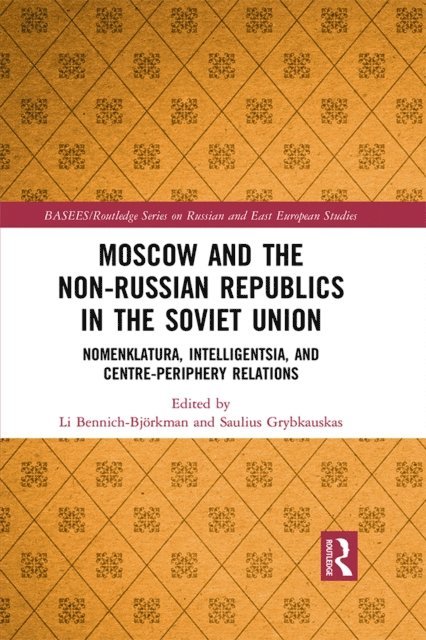
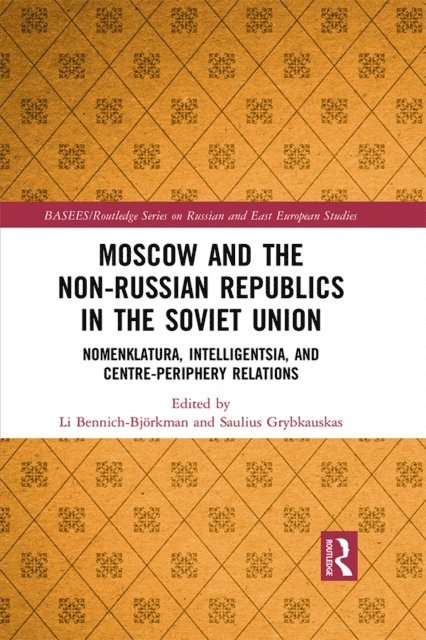
Moscow and the Non-Russian Republics in the Soviet Union
Nomenklatura, Intelligentsia and Centre-Periphery Relations
Av Saulius Grybkauskas, Li Bennich-Bjorkman
E-bok, 2021
838 kr
Lägg i varukorg
This book examines what came to determine the local power and character of the Communist party-state at the level of the national non-Russian republics. It discusses how, although the Soviet Union looked centralised and monolithic to outsiders, local party-states formed their own fiefdoms and had …
Moscow and the Non-Russian Republics in the Soviet Union
Nomenklatura, Intelligentsia and Centre-Periphery Relations
Av Saulius Grybkauskas, Li Bennich-Bjorkman
E-bok, 2021
820 kr
Lägg i varukorg
This book examines what came to determine the local power and character of the Communist party-state at the level of the national non-Russian republics. It discusses how, although the Soviet Union looked centralised and monolithic to outsiders, local party-states formed their own fiefdoms and had …
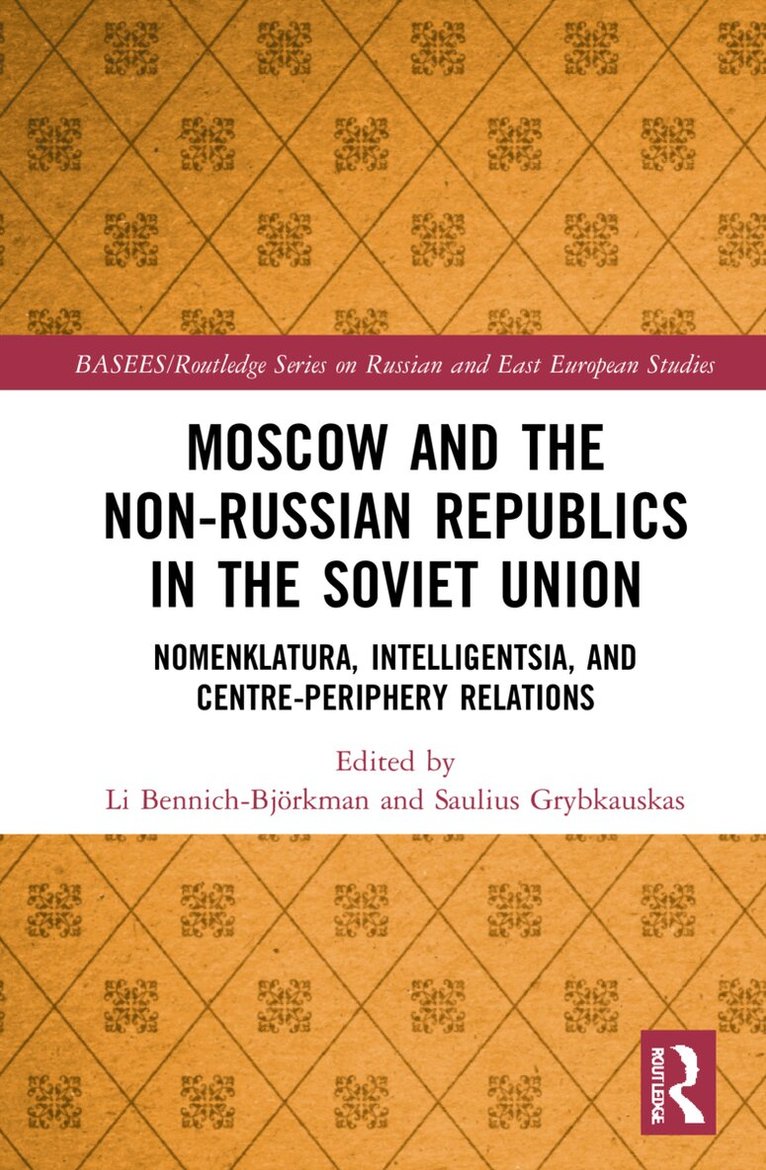
Moscow and the Non-Russian Republics in the Soviet Union
Nomenklatura, Intelligentsia and Centre-Periphery Relations
Av Li Bennich-Björkman, Saulius Grybkauskas
Inbunden, 2021
2585 kr
Lägg i varukorg
This book examines what came to determine the local power and character of the Communist party-state at the level of the national non-Russian republics. It discusses how, although the Soviet Union looked centralised and monolithic to outsiders, local party-states formed their own fiefdoms and had …
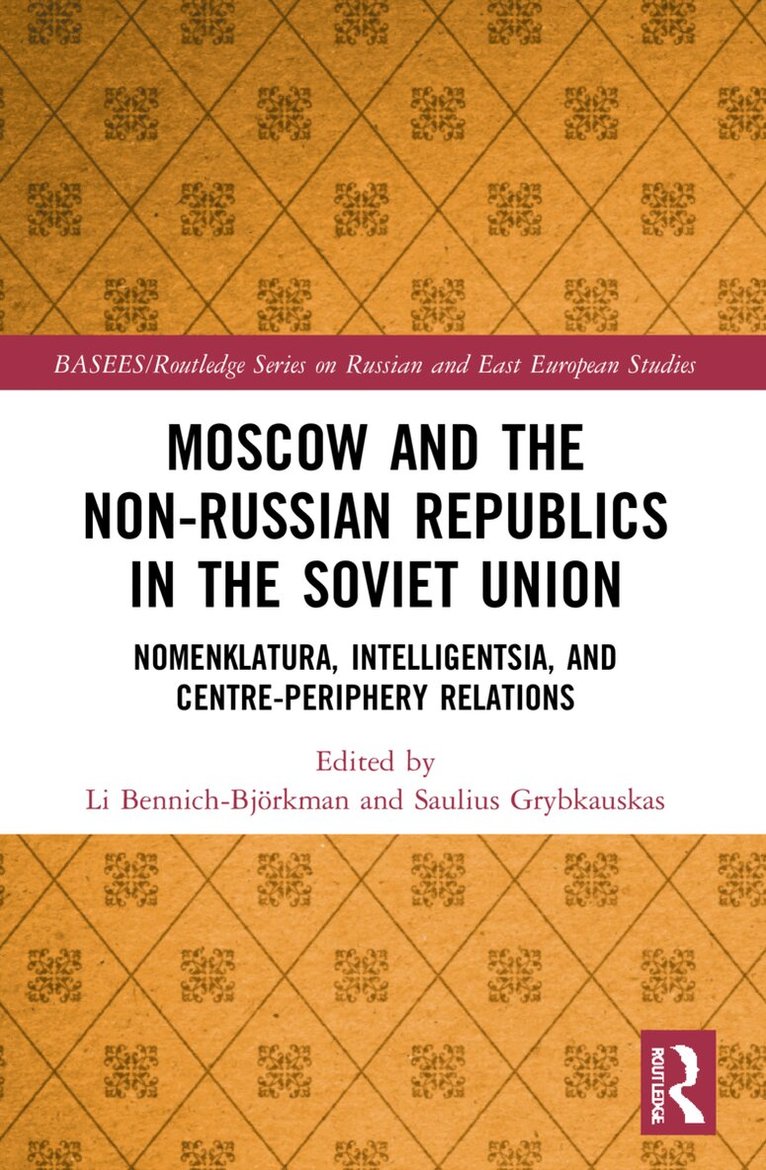
Moscow and the Non-Russian Republics in the Soviet Union
Nomenklatura, Intelligentsia and Centre-Periphery Relations
Av Li Bennich-Björkman, Saulius Grybkauskas
Häftad, 2023
691 kr
Lägg i varukorg
This book examines what came to determine the local power and character of the Communist party-state at the level of the national non-Russian republics. It discusses how, although the Soviet Union looked centralised and monolithic to outsiders, local party-states formed their own fiefdoms and had …
Governing the Soviet Union's National Republics
The Second Secretaries of the Communist Party
Inbunden, 2020
2585 kr
Lägg i varukorg
Second Secretary of the Central Committee of a Soviet republic does not sound a very important position, but as this book shows it was an extremely important role, one that helped hold the Soviet Union together and helped to keep it going for so long. The key was that Second Secretaries were both …