Scott D. Sagan - Böcker
Visar alla böcker från författaren Scott D. Sagan. Handla med fri frakt och snabb leverans.
11 produkter
11 produkter
559 kr
Skickas inom 10-15 vardagar
At the request of the President of Harvard University, six Harvard scholars have joined forces to write a book that lays out the facts about nuclear weapons for all concerned citizens who want to think through the nuclear dilemma for themselves. Living with Nuclear Weapons is written by specialists for the general reader. It conveys crucial information clearly, concisely, and without technical jargon.Living with Nuclear Weapons presents all sides of the nuclear debate while explaining what everyone needs to know to develop informed and reasoned opinions about the issues. Among the specifics are a history of nuclear weaponry; an examination of current nuclear arsenals; scenarios of how a nuclear war might begin; a discussion of what can be done to promote arms control and disarmament; a study of the hazards of nuclear proliferation; an analysis of various nuclear strategies; and an explanation of how public opinion can influence policy on the nuclear arms question.
Planning the Unthinkable
How New Powers Will Use Nuclear, Biological, and Chemical Weapons
Inbunden, Engelska, 2000
1 525 kr
Skickas inom 10-15 vardagar
The proliferation of chemical, biological, and nuclear weapons is now the single most serious security concern for governments around the world. Peter R. Lavoy, Scott D. Sagan, and James J. Wirtz compare how military threats, strategic cultures, and organizations shape the way leaders intend to employ these armaments. They reveal the many frightening ways that emerging military powers and terrorist groups are planning the unthinkable by preparing to use chemical, biological, or nuclear weapons in future conflicts. Distinguished specialists consider several states and organizations that have this weaponry: Iraq, Iran, India, Pakistan, North Korea, and Israel, as well as the Aum Shinrikyo cult. The contributors expose plans for using unconventional weapons, highlighting the revolutionary effects these arsenals might have on international politics and regional disputes.
Planning the Unthinkable
How New Powers Will Use Nuclear, Biological, and Chemical Weapons
Häftad, Engelska, 2000
342 kr
Skickas inom 10-15 vardagar
The proliferation of chemical, biological, and nuclear weapons is now the single most serious security concern for governments around the world. Peter R. Lavoy, Scott D. Sagan, and James J. Wirtz compare how military threats, strategic cultures, and organizations shape the way leaders intend to employ these armaments. They reveal the many frightening ways that emerging military powers and terrorist groups are planning the unthinkable by preparing to use chemical, biological, or nuclear weapons in future conflicts. Distinguished specialists consider several states and organizations that have this weaponry: Iraq, Iran, India, Pakistan, North Korea, and Israel, as well as the Aum Shinrikyo cult. The contributors expose plans for using unconventional weapons, highlighting the revolutionary effects these arsenals might have on international politics and regional disputes.
1 443 kr
Skickas inom 10-15 vardagar
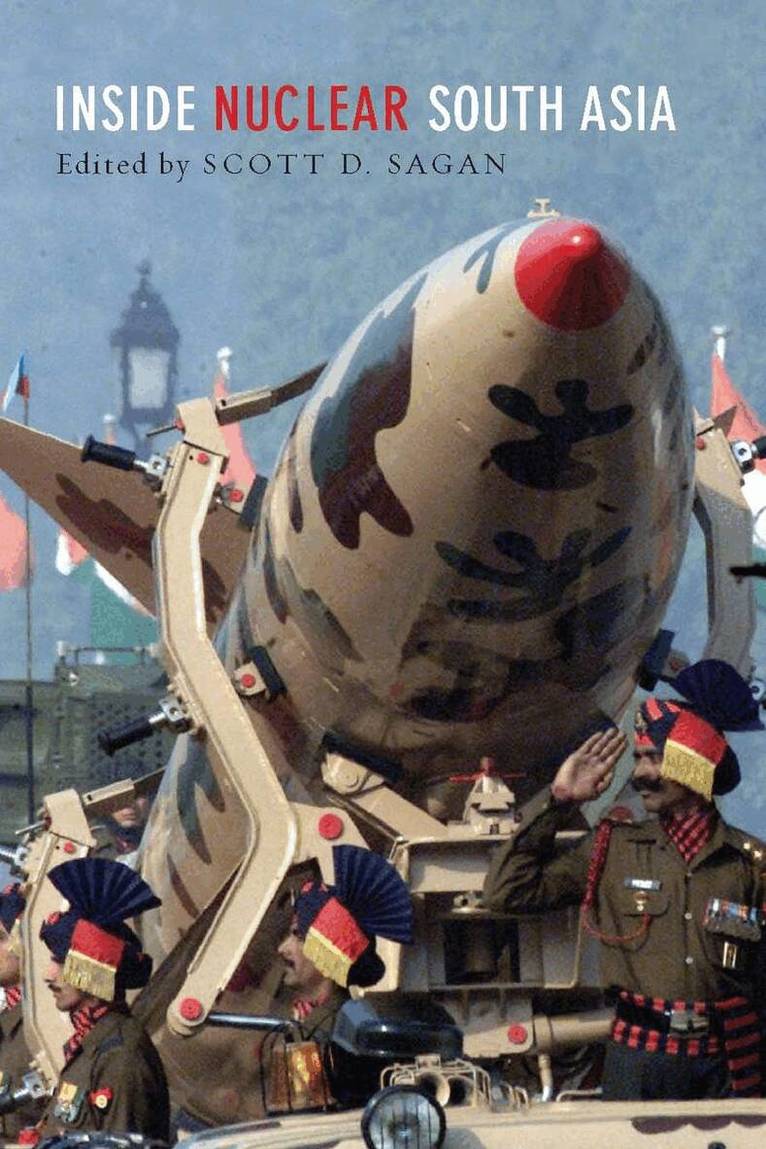
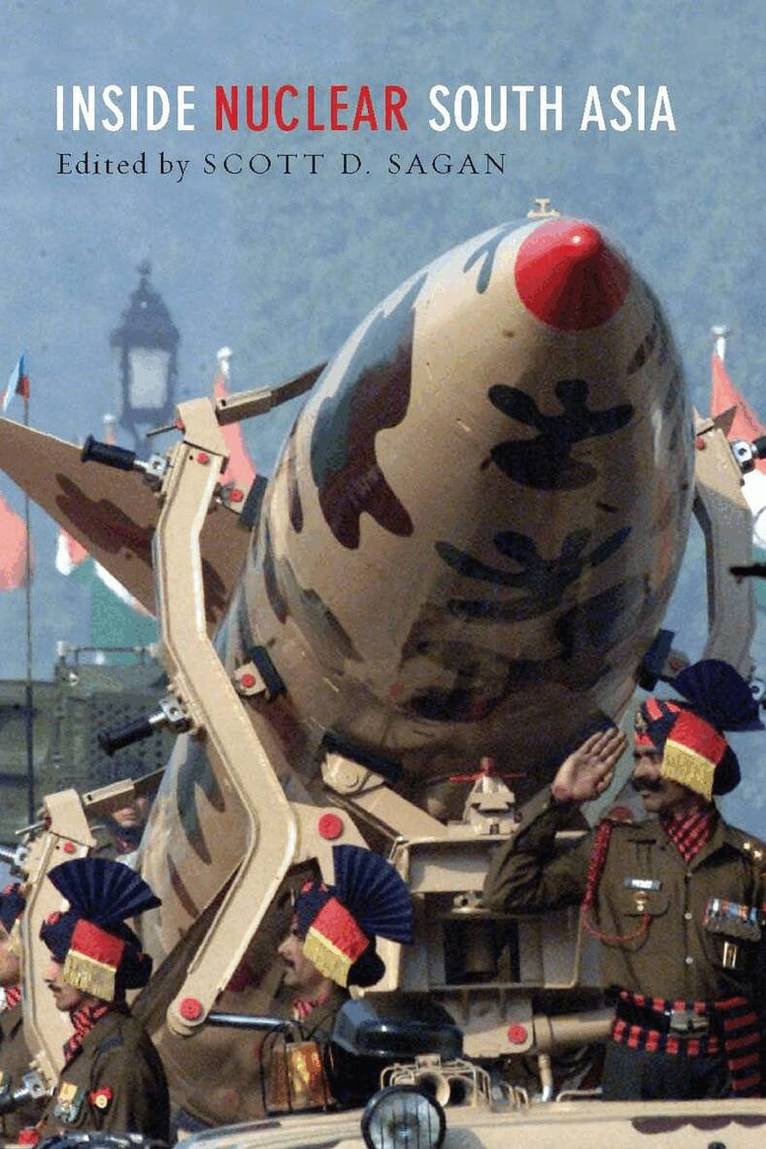
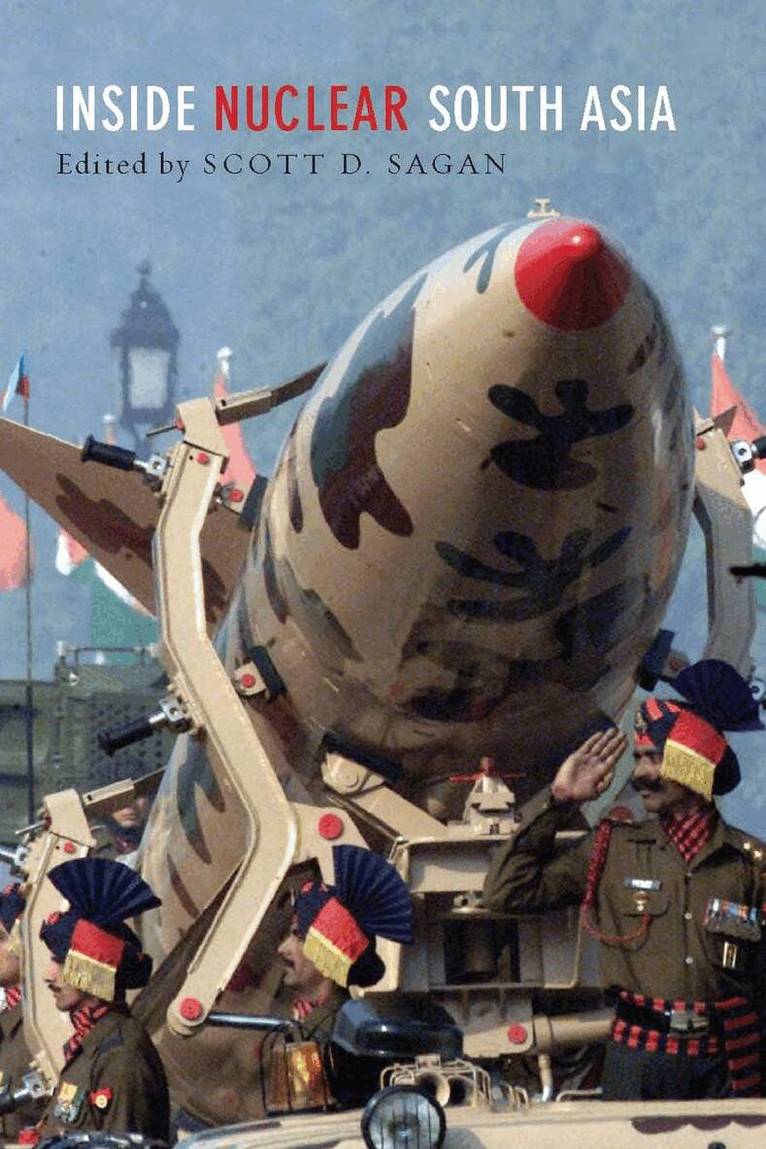
Nuclear-armed adversaries India and Pakistan have fought three wars since their creation as sovereign states in 1947. They went to the brink of a fourth in 2001 following an attack on the Indian parliament, which the Indian government blamed on the Pakistan-backed Lashkar-e-Taiba and Jaish-e-Mohammed terrorist organizations. Despite some attempts at rapprochement in the intervening years, a new standoff between the two countries was precipitated when India accused Lashkar-e-Taiba of being behind the Mumbai attacks late last year. The relentlessness of the confrontations between these two nations makes Inside Nuclear South Asia a must read for anyone wishing to gain a thorough understanding of the spread of nuclear weapons in South Asia and the potential consequences of nuclear proliferation on the subcontinent.The book begins with an analysis of the factors that led to India's decision to cross the nuclear threshold in 1998, with Pakistan close behind: factors such as the broad political support for a nuclear weapons program within India's ruling Bharatiya Janata Party (BJP), the intense rivalry between the two countries, the normative and prestige factors that influenced their behaviors, and ultimately the perceived threat to their respective national security.The second half of the book analyzes the consequences of nuclear proliferation on the subcontinent. These chapters show that the presence of nuclear weapons in South Asia has increased the frequency and propensity of low-level violence, further destabilizing the region. Additionally, nuclear weapons in India and Pakistan have led to serious political changes that also challenge the ability of the two states to produce stable nuclear détente. Thus, this book provides both new insights into the domestic politics behind specific nuclear policy choices in South Asia, a critique of narrow realist views of nuclear proliferation, and the dangers of nuclear proliferation in South Asia.
334 kr
Skickas inom 7-10 vardagar
Nuclear-armed adversaries India and Pakistan have fought three wars since their creation as sovereign states in 1947. They went to the brink of a fourth in 2001 following an attack on the Indian parliament, which the Indian government blamed on the Pakistan-backed Lashkar-e-Taiba and Jaish-e-Mohammed terrorist organizations. Despite some attempts at rapprochement in the intervening years, a new standoff between the two countries was precipitated when India accused Lashkar-e-Taiba of being behind the Mumbai attacks late last year. The relentlessness of the confrontations between these two nations makes Inside Nuclear South Asia a must read for anyone wishing to gain a thorough understanding of the spread of nuclear weapons in South Asia and the potential consequences of nuclear proliferation on the subcontinent.The book begins with an analysis of the factors that led to India's decision to cross the nuclear threshold in 1998, with Pakistan close behind: factors such as the broad political support for a nuclear weapons program within India's ruling Bharatiya Janata Party (BJP), the intense rivalry between the two countries, the normative and prestige factors that influenced their behaviors, and ultimately the perceived threat to their respective national security.The second half of the book analyzes the consequences of nuclear proliferation on the subcontinent. These chapters show that the presence of nuclear weapons in South Asia has increased the frequency and propensity of low-level violence, further destabilizing the region. Additionally, nuclear weapons in India and Pakistan have led to serious political changes that also challenge the ability of the two states to produce stable nuclear détente. Thus, this book provides both new insights into the domestic politics behind specific nuclear policy choices in South Asia, a critique of narrow realist views of nuclear proliferation, and the dangers of nuclear proliferation in South Asia.
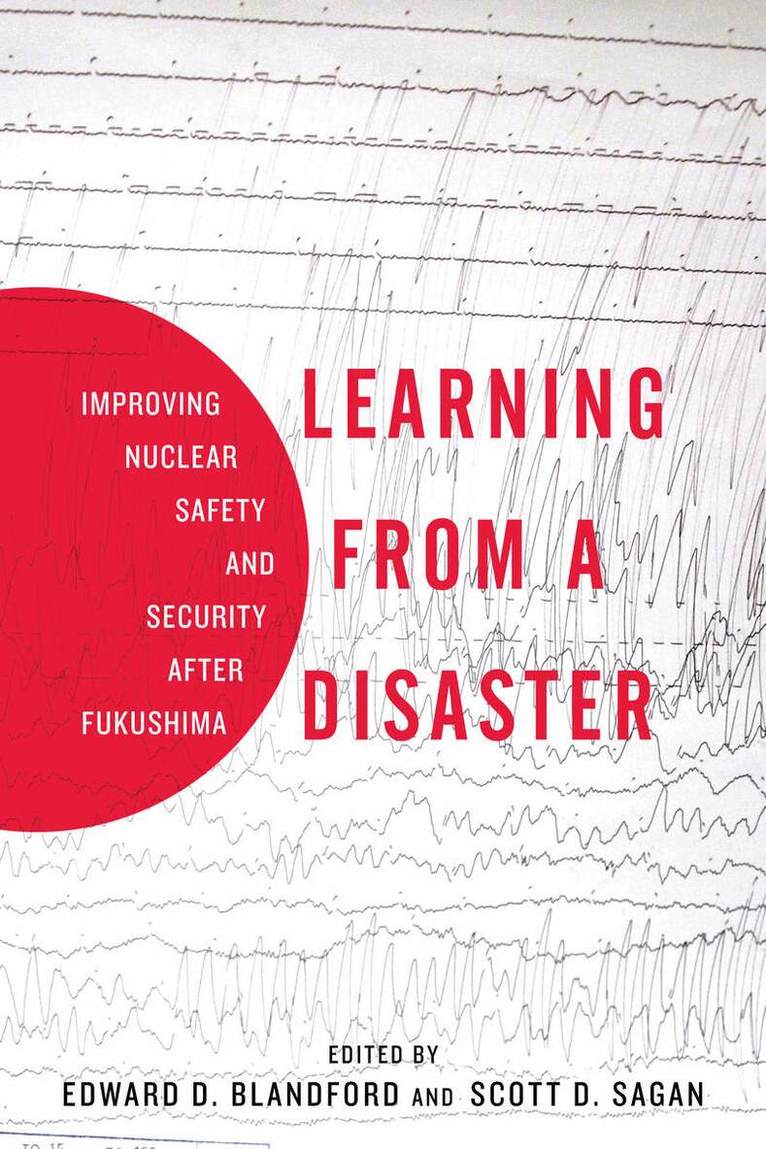
Learning from a Disaster
Improving Nuclear Safety and Security After Fukushima
Inbunden, Engelska, 2016
1 401 kr
Skickas inom 10-15 vardagar
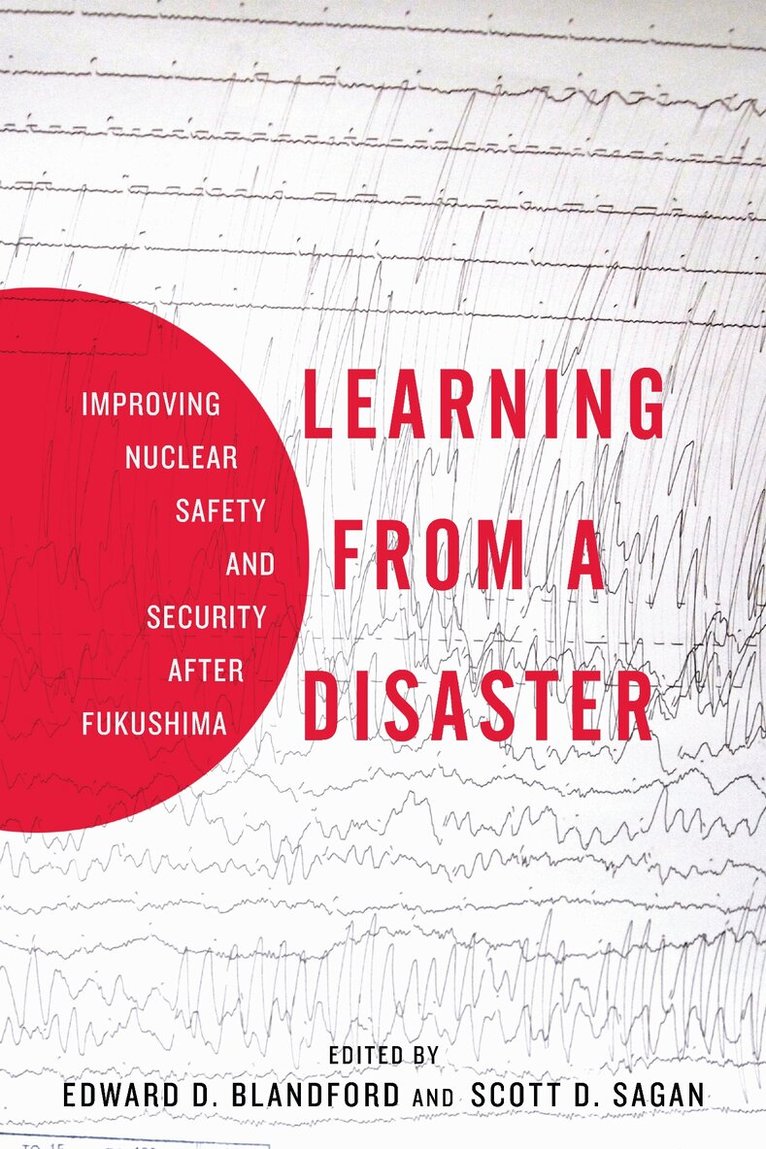
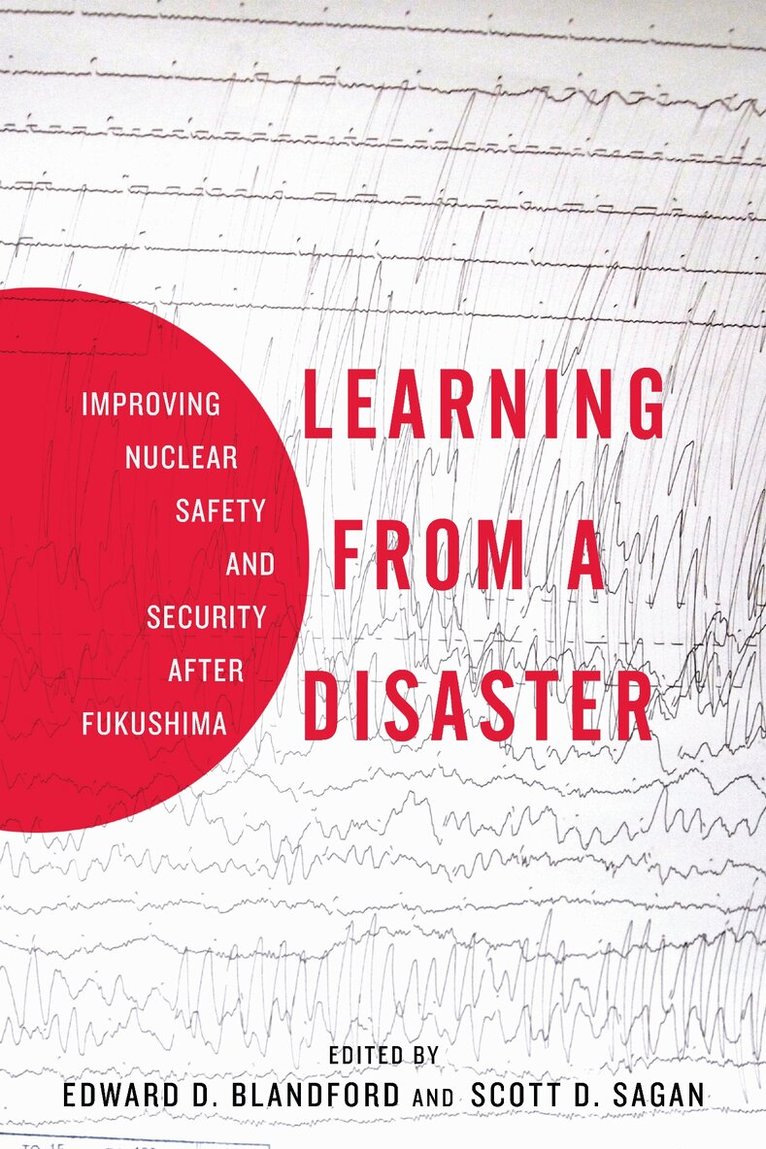
This book—the culmination of a truly collaborative international and highly interdisciplinary effort—brings together Japanese and American political scientists, nuclear engineers, historians, and physicists to examine the Fukushima accident from a new and broad perspective. It explains the complex interactions between nuclear safety risks (the causes and consequences of accidents) and nuclear security risks (the causes and consequences of sabotage or terrorist attacks), exposing the possible vulnerabilities all countries may have if they fail to learn from this accident.The book further analyzes the lessons of Fukushima in comparative perspective, focusing on the politics of safety and emergency preparedness. It first compares the different policies and procedures adopted by various nuclear facilities in Japan and then discusses the lessons learned—and not learned—after major nuclear accidents and incidents in other countries in the past. The book's editors conclude that learning lessons across nations has proven to be very difficult, and they propose new policies to improve global learning after nuclear accidents or attacks.
329 kr
Skickas inom 10-15 vardagar
This book—the culmination of a truly collaborative international and highly interdisciplinary effort—brings together Japanese and American political scientists, nuclear engineers, historians, and physicists to examine the Fukushima accident from a new and broad perspective. It explains the complex interactions between nuclear safety risks (the causes and consequences of accidents) and nuclear security risks (the causes and consequences of sabotage or terrorist attacks), exposing the possible vulnerabilities all countries may have if they fail to learn from this accident.The book further analyzes the lessons of Fukushima in comparative perspective, focusing on the politics of safety and emergency preparedness. It first compares the different policies and procedures adopted by various nuclear facilities in Japan and then discusses the lessons learned—and not learned—after major nuclear accidents and incidents in other countries in the past. The book's editors conclude that learning lessons across nations has proven to be very difficult, and they propose new policies to improve global learning after nuclear accidents or attacks.
1 240 kr
Skickas inom 10-15 vardagar
"This compendium of research on insider threats is essential reading for all personnel with accountabilities for security; it shows graphically the extent and persistence of the threat that all organizations face and against which they must take preventive measures."— Roger Howsley, Executive Director, World Institute for Nuclear SecurityHigh-security organizations around the world face devastating threats from insiders-trusted employees with access to sensitive information, facilities, and materials. From Edward Snowden to the Fort Hood shooter to the theft of nuclear materials, the threat from insiders is on the front page and at the top of the policy agenda. Insider Threats offers detailed case studies of insider disasters across a range of different types of institutions, from biological research laboratories, to nuclear power plants, to the U.S. Army. Matthew Bunn and Scott D. Sagan outline cognitive and organizational biases that lead organizations to downplay the insider threat, and they synthesize "worst practices" from these past mistakes, offering lessons that will be valuable for any organization with high security and a lot to lose.Insider threats pose dangers to anyone who handles information that is secret or proprietary, material that is highly valuable or hazardous, people who must be protected, or facilities that might be sabotaged. This is the first book to offer in-depth case studies across a range of industries and contexts, allowing entities such as nuclear facilities and casinos to learn from each other. It also offers an unprecedented analysis of terrorist thinking about using insiders to get fissile material or sabotage nuclear facilities.Contributors: Matthew Bunn, Harvard University; Andreas Hoelstad DÆhli, Oslo; Kathryn M. Glynn, IBM Global Business Services;Thomas Hegghammer, Norwegian Defence Research Establishment, Oslo; Austin Long, Columbia University; Scott D. Sagan, Stanford University; Ronald Schouten, Massachusetts General Hospital and Harvard Medical School; Jessica Stern, Harvard University; Amy B. Zegart, Stanford University
329 kr
Skickas inom 10-15 vardagar
"This compendium of research on insider threats is essential reading for all personnel with accountabilities for security; it shows graphically the extent and persistence of the threat that all organizations face and against which they must take preventive measures."— Roger Howsley, Executive Director, World Institute for Nuclear SecurityHigh-security organizations around the world face devastating threats from insiders-trusted employees with access to sensitive information, facilities, and materials. From Edward Snowden to the Fort Hood shooter to the theft of nuclear materials, the threat from insiders is on the front page and at the top of the policy agenda. Insider Threats offers detailed case studies of insider disasters across a range of different types of institutions, from biological research laboratories, to nuclear power plants, to the U.S. Army. Matthew Bunn and Scott D. Sagan outline cognitive and organizational biases that lead organizations to downplay the insider threat, and they synthesize "worst practices" from these past mistakes, offering lessons that will be valuable for any organization with high security and a lot to lose.Insider threats pose dangers to anyone who handles information that is secret or proprietary, material that is highly valuable or hazardous, people who must be protected, or facilities that might be sabotaged. This is the first book to offer in-depth case studies across a range of industries and contexts, allowing entities such as nuclear facilities and casinos to learn from each other. It also offers an unprecedented analysis of terrorist thinking about using insiders to get fissile material or sabotage nuclear facilities.Contributors: Matthew Bunn, Harvard University; Andreas Hoelstad DÆhli, Oslo; Kathryn M. Glynn, IBM Global Business Services;Thomas Hegghammer, Norwegian Defence Research Establishment, Oslo; Austin Long, Columbia University; Scott D. Sagan, Stanford University; Ronald Schouten, Massachusetts General Hospital and Harvard Medical School; Jessica Stern, Harvard University; Amy B. Zegart, Stanford University
1 525 kr
Skickas inom 10-15 vardagar
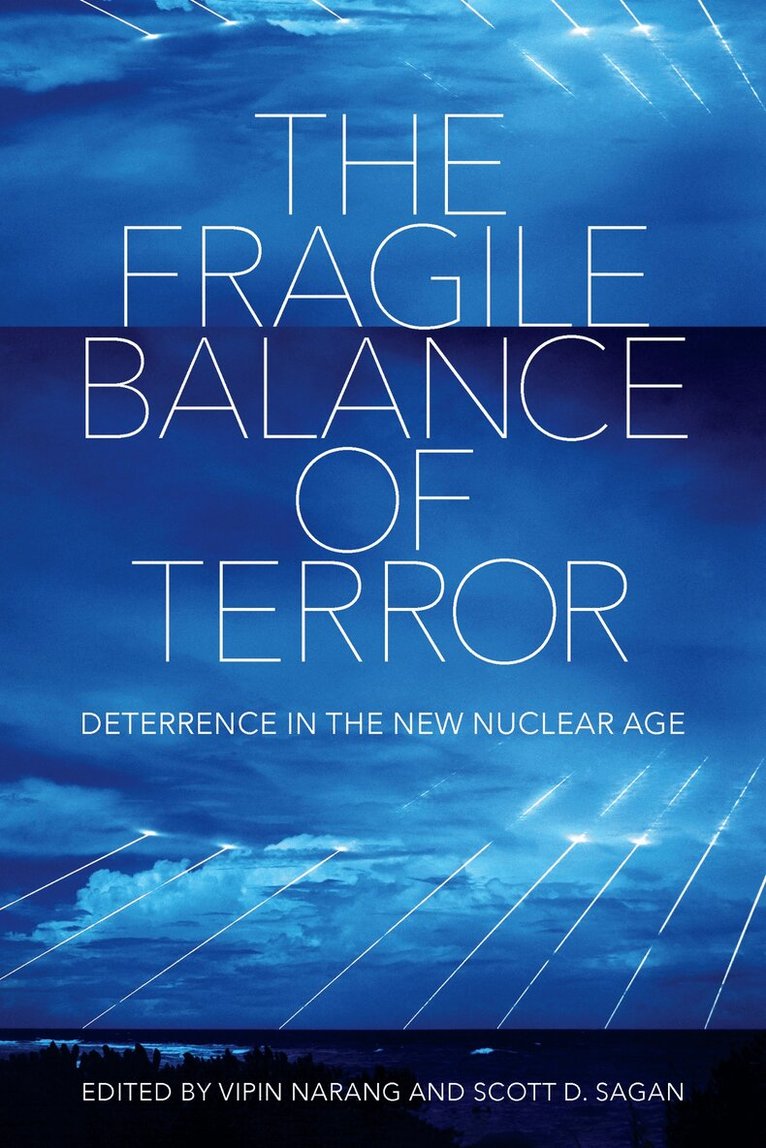
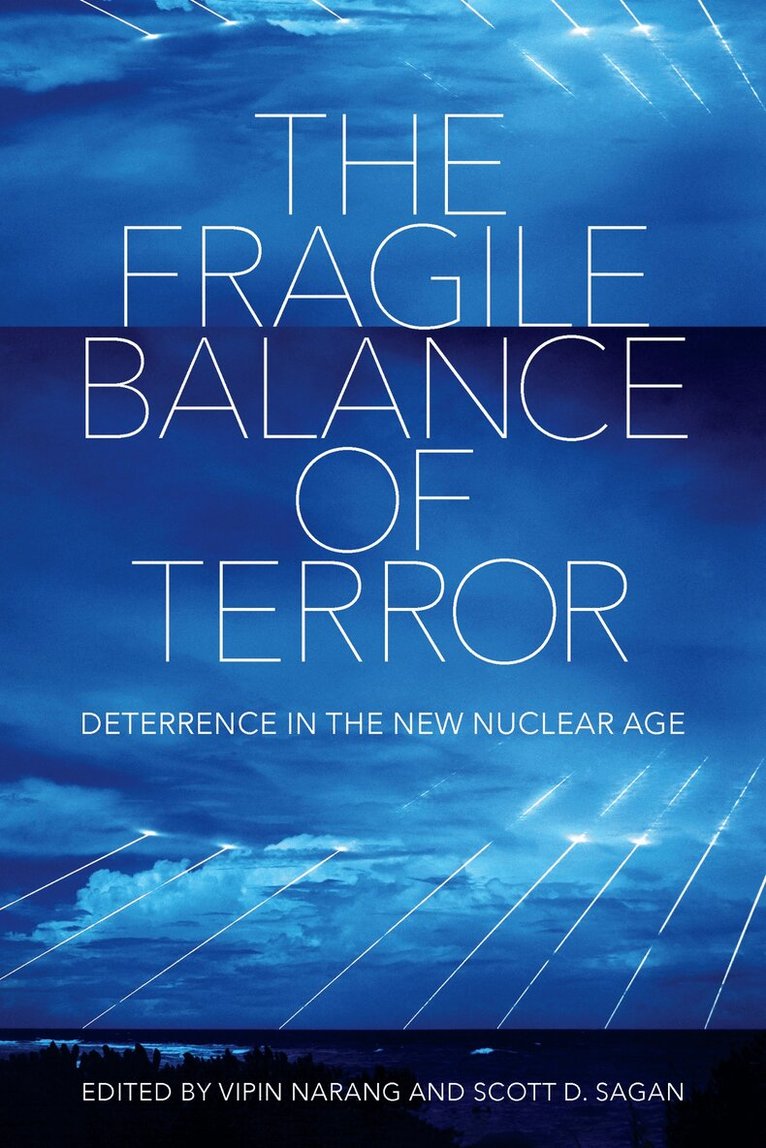
In The Fragile Balance of Terror, the foremost experts on nuclear policy and strategy offer insight into an era rife with more nuclear powers. Some of these new powers suffer domestic instability, others are led by pathological personalist dictators, and many are situated in highly unstable regions of the world—a volatile mix of variables.The increasing fragility of deterrence in the twenty-first century is created by a confluence of forces: military technologies that create vulnerable arsenals, a novel information ecosystem that rapidly transmits both information and misinformation, nuclear rivalries that include three or more nuclear powers, and dictatorial decision making that encourages rash choices. The nuclear threats posed by India, Pakistan, Iran, and North Korea are thus fraught with danger.The Fragile Balance of Terror, edited by Vipin Narang and Scott D. Sagan, brings together a diverse collection of rigorous and creative scholars who analyze how the nuclear landscape is changing for the worse. Scholars, pundits, and policymakers who think that the spread of nuclear weapons can create stable forms of nuclear deterrence in the future will be forced to think again.Contributors: Giles David Arceneaux, Mark S. Bell, Christopher Clary, Peter D. Feaver, Jeffrey Lewis, Rose McDermott, Nicholas L. Miller, Vipin Narang, Ankit Panda, Scott D. Sagan, Caitlin Talmadge, Heather Williams, Amy Zegart
288 kr
Skickas inom 10-15 vardagar
In The Fragile Balance of Terror, the foremost experts on nuclear policy and strategy offer insight into an era rife with more nuclear powers. Some of these new powers suffer domestic instability, others are led by pathological personalist dictators, and many are situated in highly unstable regions of the world—a volatile mix of variables.The increasing fragility of deterrence in the twenty-first century is created by a confluence of forces: military technologies that create vulnerable arsenals, a novel information ecosystem that rapidly transmits both information and misinformation, nuclear rivalries that include three or more nuclear powers, and dictatorial decision making that encourages rash choices. The nuclear threats posed by India, Pakistan, Iran, and North Korea are thus fraught with danger.The Fragile Balance of Terror, edited by Vipin Narang and Scott D. Sagan, brings together a diverse collection of rigorous and creative scholars who analyze how the nuclear landscape is changing for the worse. Scholars, pundits, and policymakers who think that the spread of nuclear weapons can create stable forms of nuclear deterrence in the future will be forced to think again.Contributors: Giles David Arceneaux, Mark S. Bell, Christopher Clary, Peter D. Feaver, Jeffrey Lewis, Rose McDermott, Nicholas L. Miller, Vipin Narang, Ankit Panda, Scott D. Sagan, Caitlin Talmadge, Heather Williams, Amy Zegart