Häftad, Engelska, 2003
224 kr
Skickas inom 5-8 vardagar
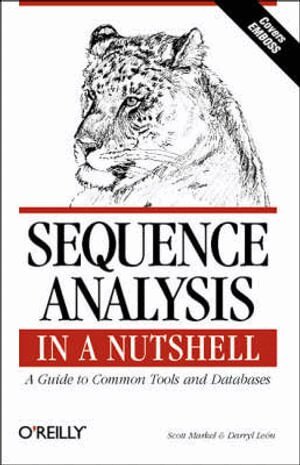
Gene sequence data is the most abundant type of data available, and if you're interested in analyzing it, you'll find a wealth of computational methods and tools to help you. In fact, finding the data is not the challenge at all; rather it is dealing with the plethora of flat file formats used to process the sequence entries and trying to remember what their specific field codes mean. If you survive by surrounding yourself with well-thumbed hard copies of readme files or remembering exactly where to look for the details when you need them, then Sequence Analysis in a Nutshell: A Guide to Common Tools and Databases is for you. This book is a handy resource, as well as an invaluable reference, for anyone who needs to know about the practical aspects and mechanics of sequence analysis. Sequence Analysis in a Nutshell: A Guide to Common Tools and Databases pulls together all of the vital information about the most commonly used databases, analytical tools, and tables used in sequence analysis. The book is partitioned into three fundamental areas to help you maximize your use of the content.The first section, "Databases" contains examples of flatfiles from key databases (GenBank, EMBL, SWISS-PROT), the definitions of the codes or fields used in each database, and the sequence feature types/terms and qualifiers for the nucleotide and protein databases. The second section, "Tools" provides the command line syntax for popular applications such as ReadSeq, MEME/MAST, BLAST, ClustalW, and the EMBOSS suite of analytical tools. The third section, "Appendixes" concentrates on information essential to understanding the individual components that make up a biological sequence. The tables in this section include nucleotide and protein codes, genetic codes, as well as other relevant information. Written in O'Reilly's enormously popular, straightforward "Nutshell" format, this book draws together essential information for bioinformaticians in industry and academia, as well as for students. If sequence analysis is part of your daily life, you'll want this easy-to-use book on your desk.