Sean H. Vanatta - Böcker
Visar alla böcker från författaren Sean H. Vanatta. Handla med fri frakt och snabb leverans.
2 produkter
2 produkter
318 kr
Skickas inom 7-10 vardagar
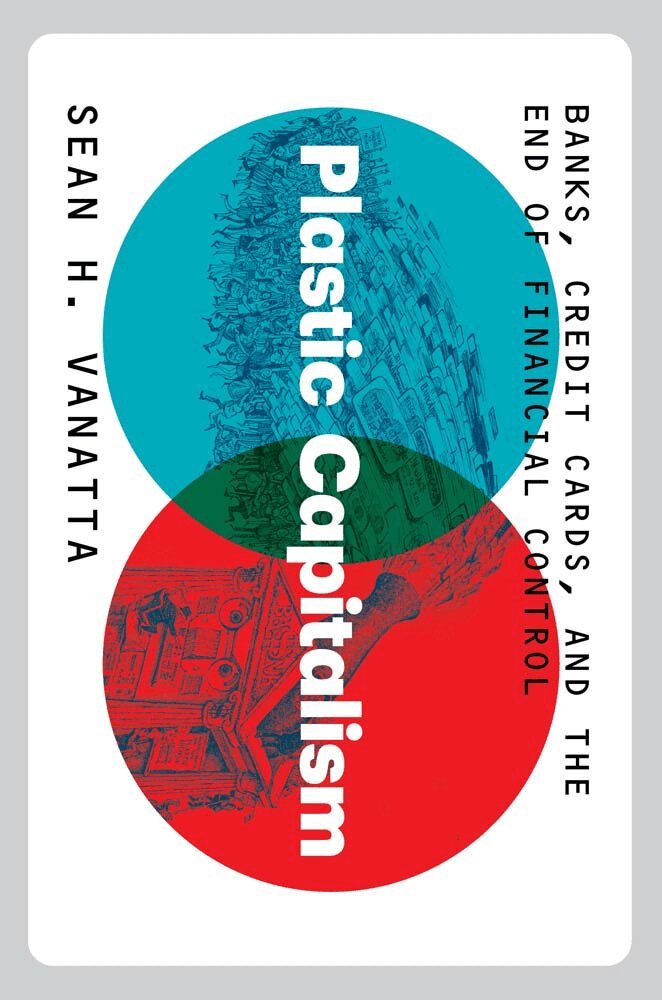
How bankers created the modern consumer credit economy and destroyed financial stability in the process “As much as it enriches our scholarship, Vanatta’s history should also inspire our policymaking.”—Carey Mott, Los Angeles Review of Books American households are awash in expensive credit card debt. But where did all this debt come from? In this history of the rise of postwar American finance, Sean H. Vanatta shows how bankers created our credit card economy and, with it, the indebted nation we know today. America’s consumer debt machine was not inevitable. In the years after World War II, state and federal regulations ensured that many Americans enjoyed safe banks and inexpensive credit. Bankers, though, grew restless amid restrictive rules that made profits scarce. They experimented with new services and new technologies. They settled on credit cards, and in the 1960s mailed out reams of high-interest plastic to build a debt industry from scratch. In the 1960s and ’70s consumers fought back, using federal and state policy to make credit cards safer and more affordable. But bankers found ways to work around local rules. Beginning in 1980, Citibank and its peers relocated their card plans to South Dakota and Delaware, states with the weakest consumer regulations, creating “on-shore” financial havens and drawing consumers into an exploitative credit economy over which they had little control. We live in the world these bankers made.
296 kr
Skickas inom 7-10 vardagar
The strange and contested evolution of the management of banking riskBanks in America are private institutions with private shareholders, boards of directors, profit motives, customers, and competitors. And yet the public plays a key role in deciding what risks are taken as well as how, when, and to what end. Public-private negotiations over financial governance has evolved into an essential ecosystem of banking risk management. In Private Finance, Public Power, Peter Conti-Brown and Sean Vanatta offer a new history of finance and public policy in the United States by examining the idiosyncratic way the nation manages financial risk across the public-private divide. Covering two centuries, from the founding of the Republic to the early 1980s, Conti-Brown and Vanatta describe the often-contested, sometimes chaotic, engagement of bankers, politicians, bureaucrats, and others in the overlapping spaces of the public-private system of bank supervision.Conti-Brown and Vanatta trace the different supervisory frameworks that evolved over time, from the imposition of private liability on bank shareholders to the development of the central bank to the creation of federal deposit insurance. Negotiations took place at federal and state levels, but, over time, the federal government assumed most of the responsibility for managing financial risk. Moreover, federal supervisory officials began to undertake more varied tasks, including monitoring racial discrimination and managing financial concentration. Conti-Brown and Vanatta introduce a diverse cast of characters—bankers, politicians, bureaucrats, and others—and show how they navigated two hundred years of financial panics, scandals, and crises to build the system that structures modern America’s banking system.