Sean Keilen - Böcker
Visar alla böcker från författaren Sean Keilen. Handla med fri frakt och snabb leverans.
4 produkter
4 produkter
919 kr
Skickas inom 5-8 vardagar
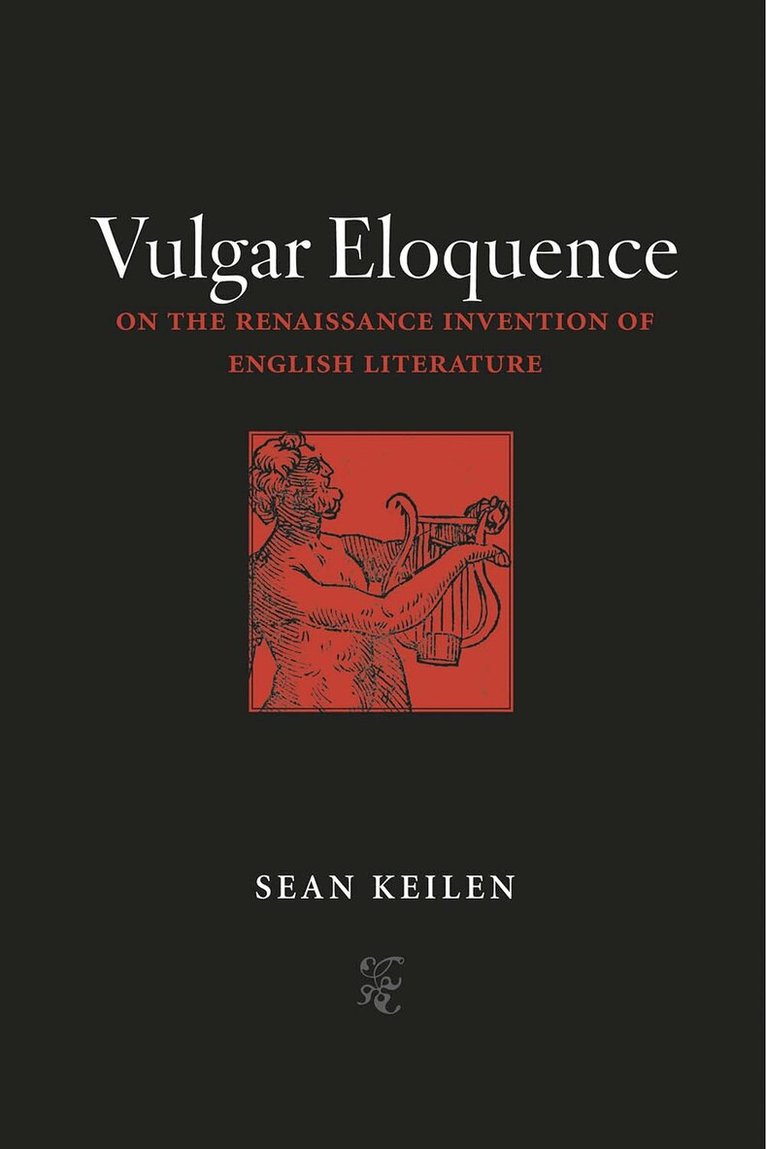
This original book challenges prevailing accounts of English literary history, arguing that English literature emerged as a distinct category during the late sixteenth century, as England’s relationship with classical Rome was suffering an unprecedented strain. Exploring the myths through which poets such as Geffrey Whitney, William Shakespeare, and John Milton understood the nature of their art, Sean Keilen shows how they invented archaic origins for a new kind of writing.When history obliged English poets to regard themselves as victims of the Roman Conquest rather than rightful heirs of classical Latin culture, it also required a redefinition of their relations with Roman literature. Keilen shows how the poets’ search for a new beginning drew them to rework familiar fables about Orpheus, Philomela, and Circe, and invent a new point of departure for their own poetic history.
289 kr
Kommande
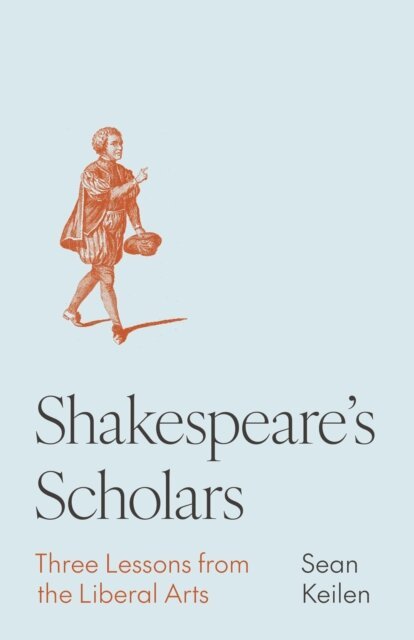
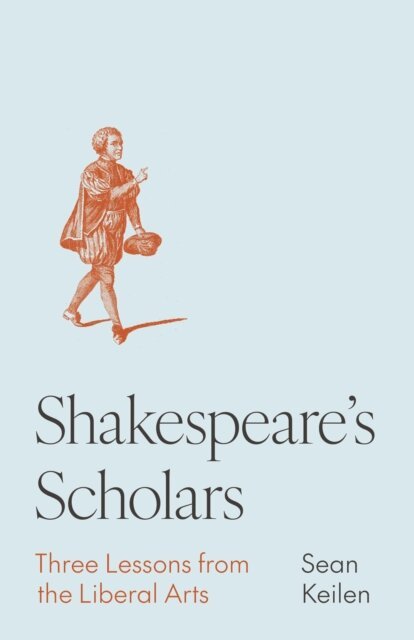
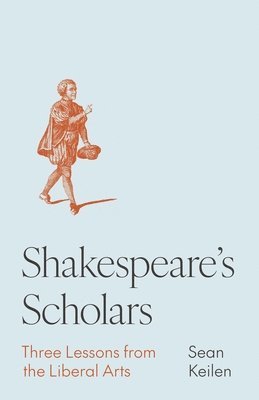
What Love’s Labor’s Lost, Hamlet, and The Tempest can teach us about discovery, growth, and changeShakespeare was a keen and discerning reader who was mocked by writers who, unlike him, had been to university—so it’s not surprising that his portrait of scholarly life is critical. As Sean Keilen shows in this engaging book, Shakespeare’s scholars lack humility, shun wisdom, underestimate people who are not scholars, and, by keeping aloof from society, fail to see themselves clearly. In examining Shakespeare’s scholars, Keilen finds parallels in the modern academy.Keilen examines three plays with scholars as protagonists, tracing these characters’ arduous paths to self-knowledge and meaningful connection with others. In Love’s Labor’s Lost, four noblemen, seeking fame for knowledge and virtue, establish an academy—but the real purpose of their studies is to exclude women, scorn men of inferior standing, and treat each other with hostility. In Hamlet, the prodigiously intelligent Prince of Denmark retreats to the solitude of his own thoughts, with unfortunate results. And in The Tempest, Prospero abandons his duty to others for the rapture of secret studies, a choice that leads him to seek the false consolation of self-protective bitterness. In each play, Keilen finds important lessons about humility, wisdom, and self-knowledge. Inspired by these, he argues for a new approach to teaching literature—one that views literary education not as an esoteric discipline but as the renewal of an intellectual heritage all readers hold in common.
787 kr
Skickas inom 10-15 vardagar
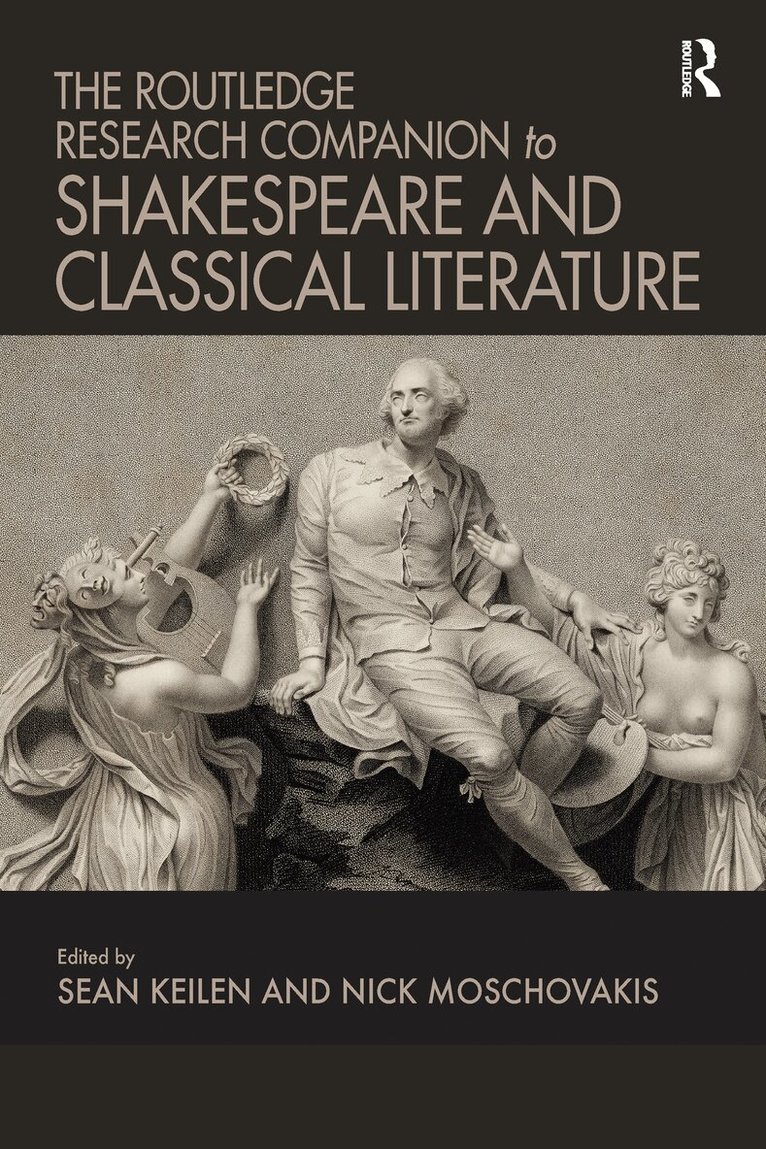
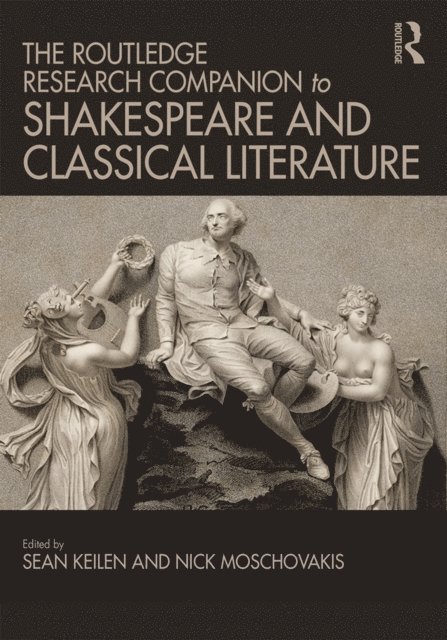
In this wide-ranging and ambitiously conceived Research Companion, contributors explore Shakespeare’s relationship to the classic in two broad senses. The essays analyze Shakespeare’s specific debts to classical works and weigh his classicism’s likeness and unlikeness to that of others in his time; they also evaluate the effects of that classical influence to assess the extent to which it is connected with whatever qualities still make Shakespeare, himself, a classic (arguably the classic) of modern world literature and drama. The first sense of the classic which the volume addresses is the classical culture of Latin and Greek reading, translation, and imitation. Education in the canon of pagan classics bound Shakespeare together with other writers in what was the dominant tradition of English and European poetry and drama, up through the nineteenth and even well into the twentieth century. Second—and no less central—is the idea of classics as such, that of books whose perceived value, exceeding that of most in their era, justifies their protection against historical and cultural change. The volume’s organizing insight is that as Shakespeare was made a classic in this second, antiquarian sense, his work’s reception has more and more come to resemble that of classics in the first sense—of ancient texts subject to labored critical study by masses of professional interpreters who are needed to mediate their meaning, simply because of the texts’ growing remoteness from ordinary life, language, and consciousness. The volume presents overviews and argumentative essays about the presence of Latin and Greek literature in Shakespeare’s writing. They coexist in the volume with thought pieces on the uses of the classical as a historical and pedagogical category, and with practical essays on the place of ancient classics in today’s Shakespearean classrooms.
3 754 kr
Skickas inom 10-15 vardagar
In this wide-ranging and ambitiously conceived Research Companion, contributors explore Shakespeare’s relationship to the classic in two broad senses. The essays analyze Shakespeare’s specific debts to classical works and weigh his classicism’s likeness and unlikeness to that of others in his time; they also evaluate the effects of that classical influence to assess the extent to which it is connected with whatever qualities still make Shakespeare, himself, a classic (arguably the classic) of modern world literature and drama. The first sense of the classic which the volume addresses is the classical culture of Latin and Greek reading, translation, and imitation. Education in the canon of pagan classics bound Shakespeare together with other writers in what was the dominant tradition of English and European poetry and drama, up through the nineteenth and even well into the twentieth century. Second—and no less central—is the idea of classics as such, that of books whose perceived value, exceeding that of most in their era, justifies their protection against historical and cultural change. The volume’s organizing insight is that as Shakespeare was made a classic in this second, antiquarian sense, his work’s reception has more and more come to resemble that of classics in the first sense—of ancient texts subject to labored critical study by masses of professional interpreters who are needed to mediate their meaning, simply because of the texts’ growing remoteness from ordinary life, language, and consciousness. The volume presents overviews and argumentative essays about the presence of Latin and Greek literature in Shakespeare’s writing. They coexist in the volume with thought pieces on the uses of the classical as a historical and pedagogical category, and with practical essays on the place of ancient classics in today’s Shakespearean classrooms.