Nick Moschovakis - Böcker
Visar alla böcker från författaren Nick Moschovakis. Handla med fri frakt och snabb leverans.
6 produkter
6 produkter
2 478 kr
Skickas inom 10-15 vardagar
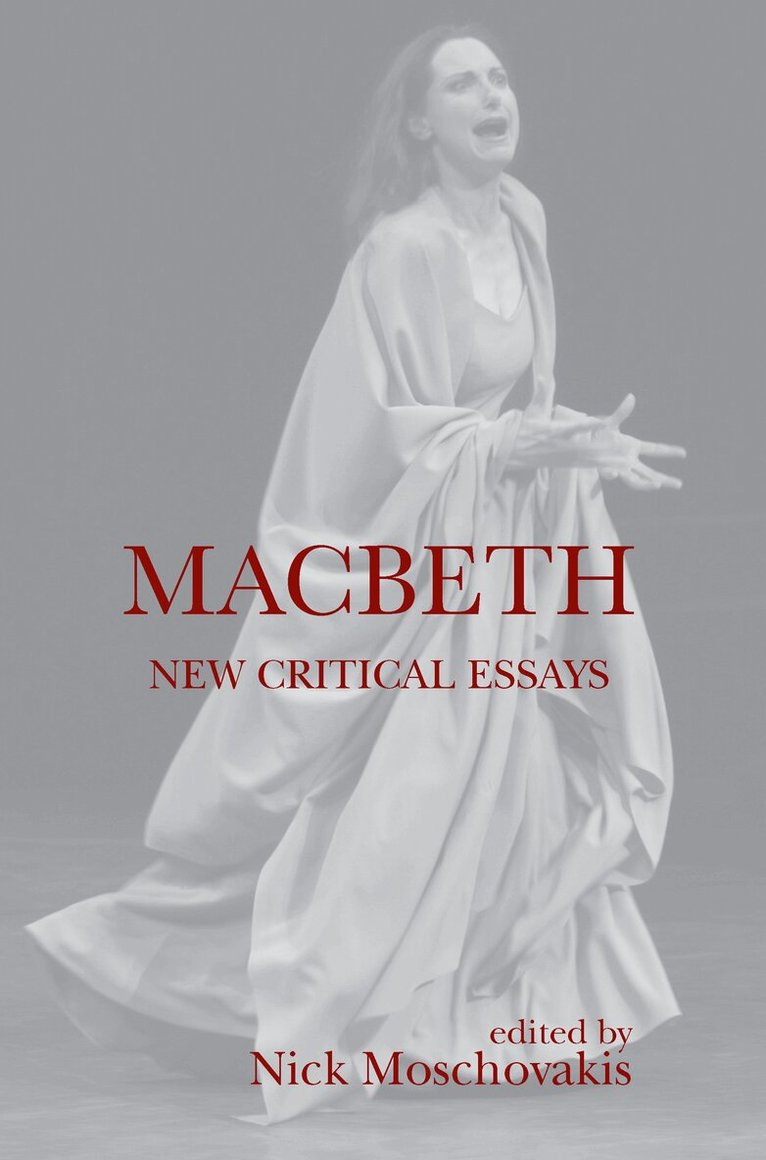
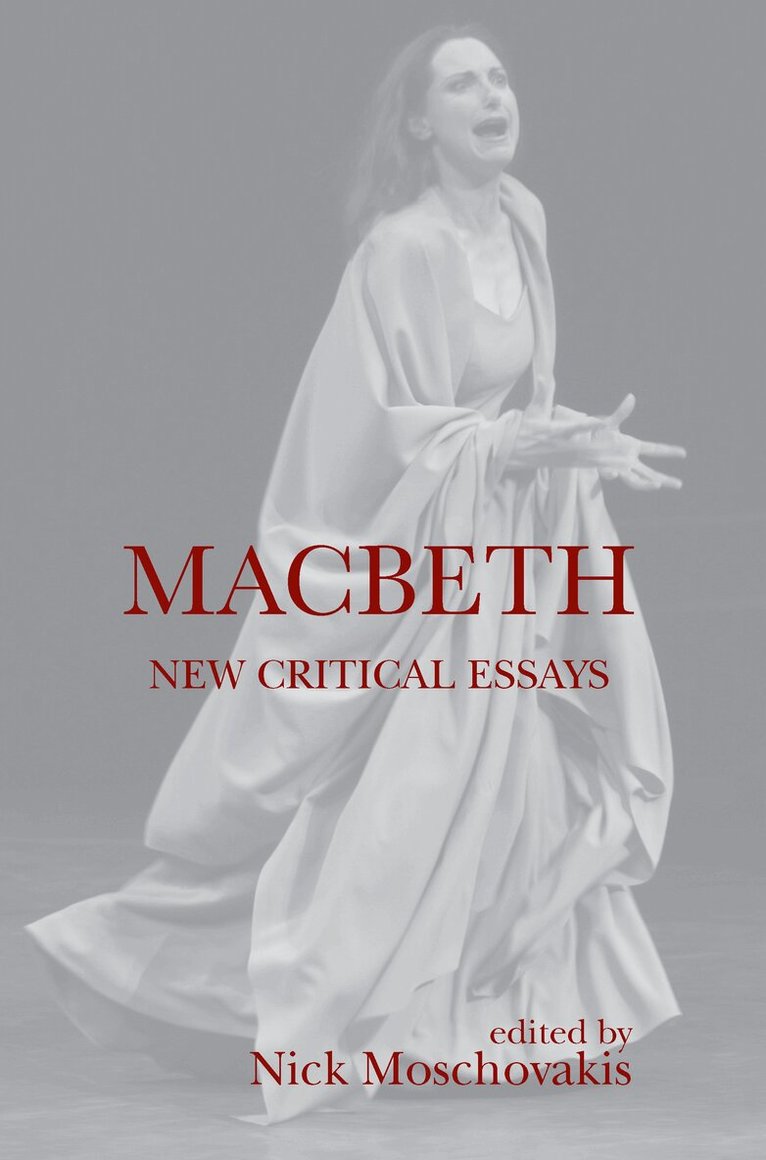
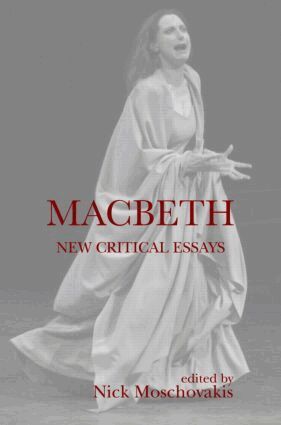
This volume offers a wealth of critical analysis, supported with ample historical and bibliographical information about one of Shakespeare’s most enduringly popular and globally influential plays. Its eighteen new chapters represent a broad spectrum of current scholarly and interpretive approaches, from historicist criticism to performance theory to cultural studies. A substantial section addresses early modern themes, with attention to the protagonists and the discourses of politics, class, gender, the emotions, and the economy, along with discussions of significant ‘minor’ characters and less commonly examined textual passages. Further chapters scrutinize Macbeth’s performance, adaptation and transformation across several media—stage, film, text, and hypertext—in cultural settings ranging from early nineteenth-century England to late twentieth-century China. The editor’s extensive introduction surveys critical, theatrical, and cinematic interpretations from the late seventeenth century to the beginning of the twenty-first, while advancing a synthetic argument to explain the shifting relationship between two conflicting strains in the tragedy’s reception. Written to a level that will be both accessible to advanced undergraduates and, at the same time, useful to post-graduates and specialists in the field, this book will greatly enhance any study of Macbeth.Contributors: Rebecca Lemon, Jonathan Baldo, Rebecca Ann Bach, Julie Barmazel, Abraham Stoll, Lois Feuer, Stephen Deng, Lisa Tomaszewski, Lynne Bruckner, Michael David Fox, James Wells, Laura Engel, Stephen Buhler, Bi-qi Beatrice Lei, Kim Fedderson and J. Michael Richardson, Bruno Lessard, Pamela Mason.
787 kr
Skickas inom 10-15 vardagar
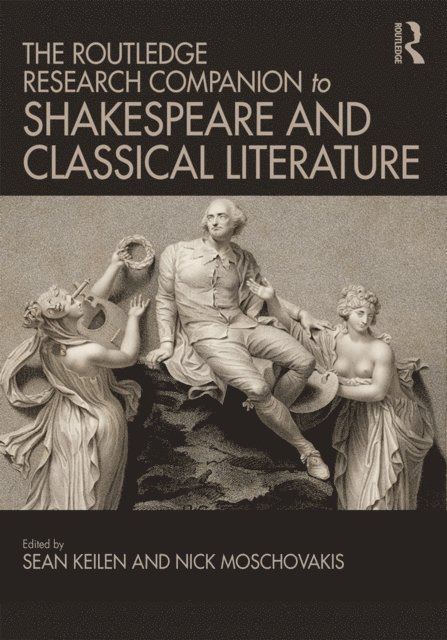
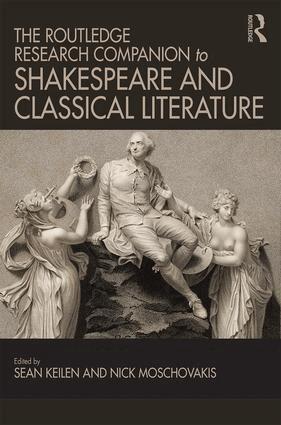
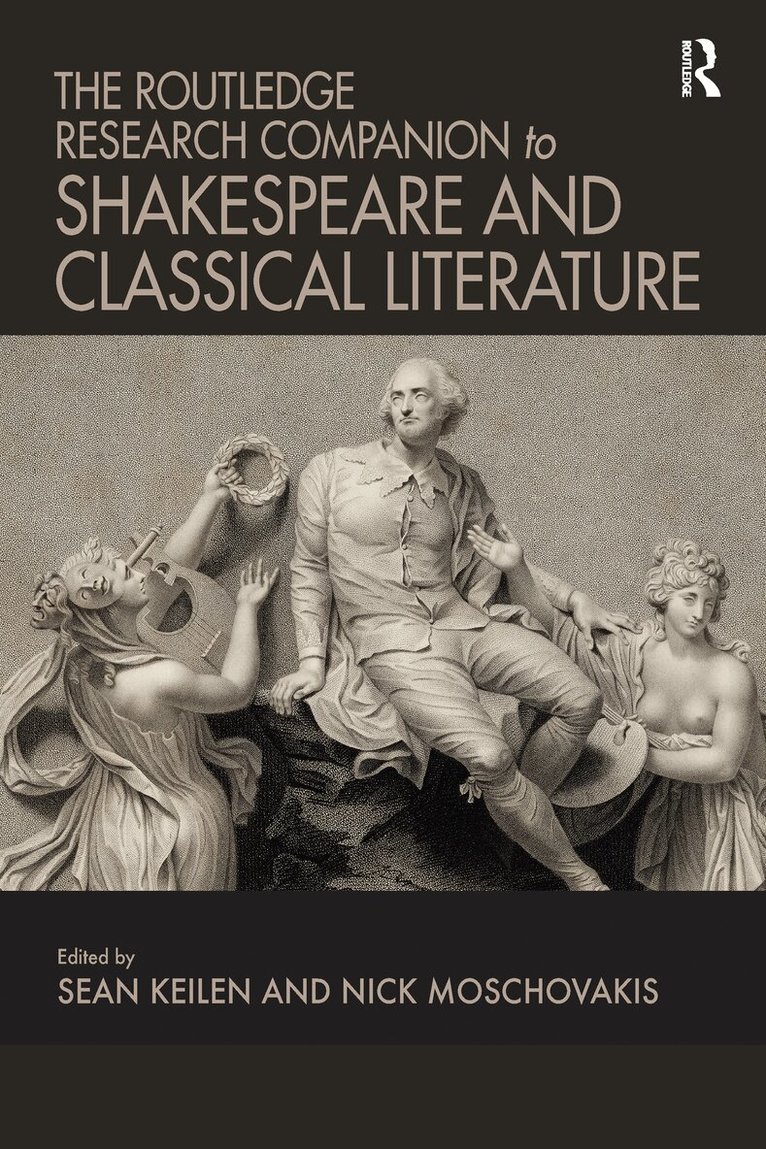
In this wide-ranging and ambitiously conceived Research Companion, contributors explore Shakespeare’s relationship to the classic in two broad senses. The essays analyze Shakespeare’s specific debts to classical works and weigh his classicism’s likeness and unlikeness to that of others in his time; they also evaluate the effects of that classical influence to assess the extent to which it is connected with whatever qualities still make Shakespeare, himself, a classic (arguably the classic) of modern world literature and drama. The first sense of the classic which the volume addresses is the classical culture of Latin and Greek reading, translation, and imitation. Education in the canon of pagan classics bound Shakespeare together with other writers in what was the dominant tradition of English and European poetry and drama, up through the nineteenth and even well into the twentieth century. Second—and no less central—is the idea of classics as such, that of books whose perceived value, exceeding that of most in their era, justifies their protection against historical and cultural change. The volume’s organizing insight is that as Shakespeare was made a classic in this second, antiquarian sense, his work’s reception has more and more come to resemble that of classics in the first sense—of ancient texts subject to labored critical study by masses of professional interpreters who are needed to mediate their meaning, simply because of the texts’ growing remoteness from ordinary life, language, and consciousness. The volume presents overviews and argumentative essays about the presence of Latin and Greek literature in Shakespeare’s writing. They coexist in the volume with thought pieces on the uses of the classical as a historical and pedagogical category, and with practical essays on the place of ancient classics in today’s Shakespearean classrooms.
2 169 kr
Skickas inom 10-15 vardagar
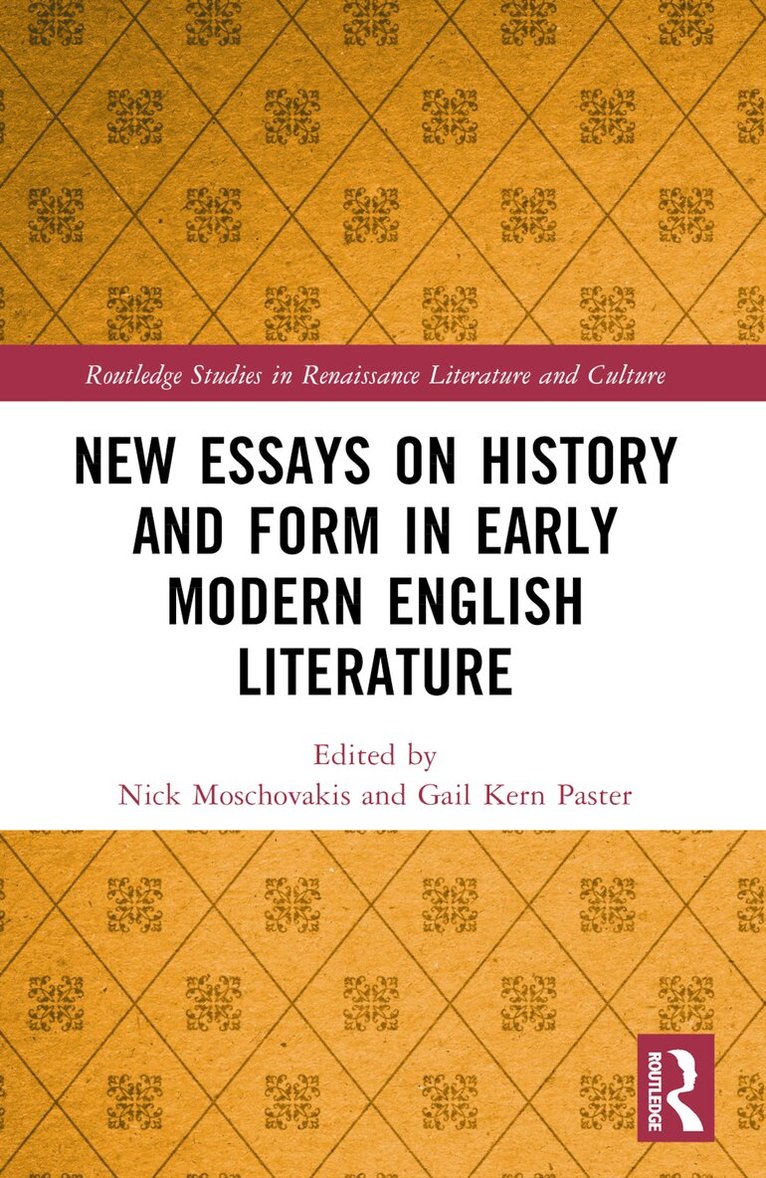
This volume convenes eight noted scholars with varied positions at the interface of formal and historical literary criticism. The editors’ introduction—a far-reaching account of how both methods have intersected in studies of early modern English texts since the 1990s—is the first such survey in more than 15 years, making it invaluable to scholars entering this area. Three essays address foundational questions about genre, fictionality, and formlessness; five feature close readings of texts or passages ranging from the more canonical (Shakespeare, Herbert, Milton) to the less so (an official record of the 1604 Hampton Court Conference). For scholars and students alike, the book thus models a variety of ways both to conceptualize and to analyze the value of literature at the formal–historical interface. Encompassing drama, lyric, satirical and polemical prose, and metrical as well as rhetorical and logical forms, the collection closes with an afterword by theorist Caroline Levine.
725 kr
Skickas inom 10-15 vardagar
This volume convenes eight noted scholars with varied positions at the interface of formal and historical literary criticism. The editors’ introduction—a far-reaching account of how both methods have intersected in studies of early modern English texts since the 1990s—is the first such survey in more than 15 years, making it invaluable to scholars entering this area. Three essays address foundational questions about genre, fictionality, and formlessness; five feature close readings of texts or passages ranging from the more canonical (Shakespeare, Herbert, Milton) to the less so (an official record of the 1604 Hampton Court Conference). For scholars and students alike, the book thus models a variety of ways both to conceptualize and to analyze the value of literature at the formal–historical interface. Encompassing drama, lyric, satirical and polemical prose, and metrical as well as rhetorical and logical forms, the collection closes with an afterword by theorist Caroline Levine.
834 kr
Skickas inom 10-15 vardagar
This volume offers a wealth of critical analysis, supported with ample historical and bibliographical information about one of Shakespeare’s most enduringly popular and globally influential plays. Its eighteen new chapters represent a broad spectrum of current scholarly and interpretive approaches, from historicist criticism to performance theory to cultural studies. A substantial section addresses early modern themes, with attention to the protagonists and the discourses of politics, class, gender, the emotions, and the economy, along with discussions of significant ‘minor’ characters and less commonly examined textual passages. Further chapters scrutinize Macbeth’s performance, adaptation and transformation across several media—stage, film, text, and hypertext—in cultural settings ranging from early nineteenth-century England to late twentieth-century China. The editor’s extensive introduction surveys critical, theatrical, and cinematic interpretations from the late seventeenth century to the beginning of the twenty-first, while advancing a synthetic argument to explain the shifting relationship between two conflicting strains in the tragedy’s reception. Written to a level that will be both accessible to advanced undergraduates and, at the same time, useful to post-graduates and specialists in the field, this book will greatly enhance any study of Macbeth.Contributors: Rebecca Lemon, Jonathan Baldo, Rebecca Ann Bach, Julie Barmazel, Abraham Stoll, Lois Feuer, Stephen Deng, Lisa Tomaszewski, Lynne Bruckner, Michael David Fox, James Wells, Laura Engel, Stephen Buhler, Bi-qi Beatrice Lei, Kim Fedderson and J. Michael Richardson, Bruno Lessard, Pamela Mason.
3 754 kr
Skickas inom 10-15 vardagar
In this wide-ranging and ambitiously conceived Research Companion, contributors explore Shakespeare’s relationship to the classic in two broad senses. The essays analyze Shakespeare’s specific debts to classical works and weigh his classicism’s likeness and unlikeness to that of others in his time; they also evaluate the effects of that classical influence to assess the extent to which it is connected with whatever qualities still make Shakespeare, himself, a classic (arguably the classic) of modern world literature and drama. The first sense of the classic which the volume addresses is the classical culture of Latin and Greek reading, translation, and imitation. Education in the canon of pagan classics bound Shakespeare together with other writers in what was the dominant tradition of English and European poetry and drama, up through the nineteenth and even well into the twentieth century. Second—and no less central—is the idea of classics as such, that of books whose perceived value, exceeding that of most in their era, justifies their protection against historical and cultural change. The volume’s organizing insight is that as Shakespeare was made a classic in this second, antiquarian sense, his work’s reception has more and more come to resemble that of classics in the first sense—of ancient texts subject to labored critical study by masses of professional interpreters who are needed to mediate their meaning, simply because of the texts’ growing remoteness from ordinary life, language, and consciousness. The volume presents overviews and argumentative essays about the presence of Latin and Greek literature in Shakespeare’s writing. They coexist in the volume with thought pieces on the uses of the classical as a historical and pedagogical category, and with practical essays on the place of ancient classics in today’s Shakespearean classrooms.