
Selusi Ambrogio – författare
Visar alla böcker från författaren . Handla med fri frakt och snabb leverans.
5 produkter
5 produkter
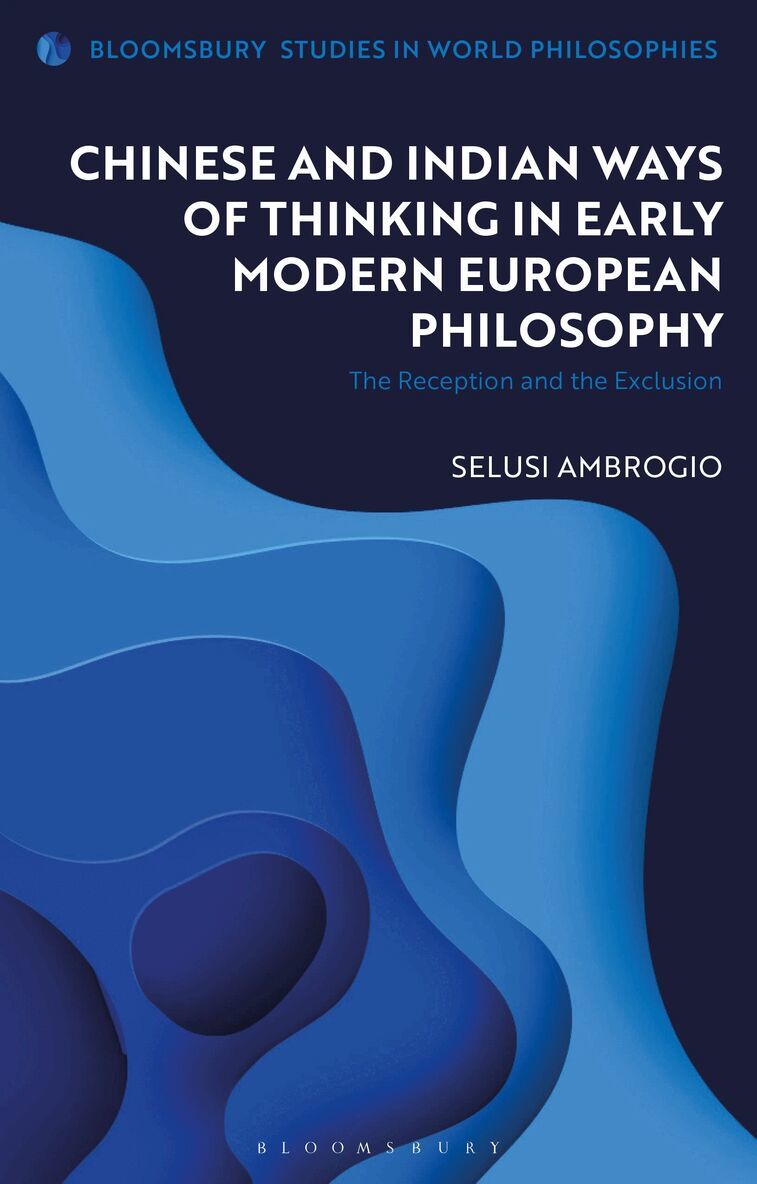
Inbunden, Engelska, 2020
1 389 kr
Skickas inom 10-15 vardagar
Why were Chinese and Indian ways of thinking excluded from European philosophy in early modern times? This is a study of what happened to the European understanding of China and India between the late 16th century and the first half of the 18th century. Investigating the description of these two Asian civilizations during a century and a half of histories of philosophy, this book accounts for the change of historiographical paradigms, from Neoplatonic philosophia perennis and Spinozistic atheism to German Eclecticism. Uncovering the reasons for inserting or excluding Chinese and Indian ways of thinking within the field of Philosophy in early modern times, it reveals the origin of the Eurocentric understanding of Philosophy as a Greek-European prerogative. By highlighting how this narrowing and exclusion of non-Western ways of thought was a result of conviction of superiority and religious prejudice, this book provides a new way of thinking about the place of Asian traditions among World philosophies.
E-bok
PDF, Engelska, 2020483 kr
Läs direkt efter köp
Why were Chinese and Indian ways of thinking excluded from European philosophy in early modern times? This is a study of what happened to the European understanding of China and India between the late 16th century and the first half of the 18th century. Investigating the description of these two Asian civilizations during a century and a half of histories of philosophy, this book accounts for the change of historiographical paradigms, from Neoplatonic philosophia perennis and Spinozistic atheism to German Eclecticism. Uncovering the reasons for inserting or excluding Chinese and Indian ways of thinking within the field of Philosophy in early modern times, it reveals the origin of the Eurocentric understanding of Philosophy as a Greek-European prerogative. By highlighting how this narrowing and exclusion of non-Western ways of thought was a result of conviction of superiority and religious prejudice, this book provides a new way of thinking about the place of Asian traditions among World philosophies.
E-bok
Engelska, 2020483 kr
Läs direkt efter köp
Why were Chinese and Indian ways of thinking excluded from European philosophy in early modern times? This is a study of what happened to the European understanding of China and India between the late 16th century and the first half of the 18th century. Investigating the description of these two Asian civilizations during a century and a half of histories of philosophy, this book accounts for the change of historiographical paradigms, from Neoplatonic philosophia perennis and Spinozistic atheism to German Eclecticism. Uncovering the reasons for inserting or excluding Chinese and Indian ways of thinking within the field of Philosophy in early modern times, it reveals the origin of the Eurocentric understanding of Philosophy as a Greek-European prerogative. By highlighting how this narrowing and exclusion of non-Western ways of thought was a result of conviction of superiority and religious prejudice, this book provides a new way of thinking about the place of Asian traditions among World philosophies.
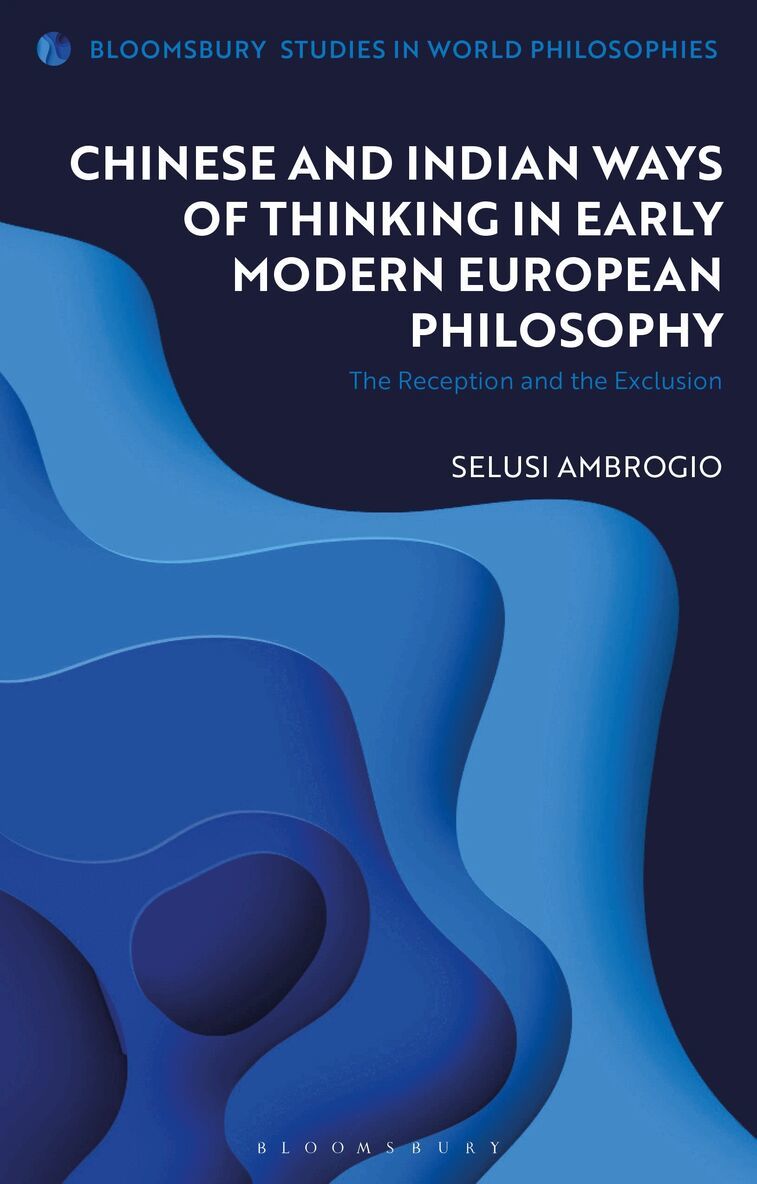
Häftad, Engelska, 2022
449 kr
Skickas inom 10-15 vardagar
Why were Chinese and Indian ways of thinking excluded from European philosophy in early modern times? This is a study of what happened to the European understanding of China and India between the late 16th century and the first half of the 18th century. Investigating the description of these two Asian civilizations during a century and a half of histories of philosophy, this book accounts for the change of historiographical paradigms, from Neoplatonic philosophia perennis and Spinozistic atheism to German Eclecticism. Uncovering the reasons for inserting or excluding Chinese and Indian ways of thinking within the field of Philosophy in early modern times, it reveals the origin of the Eurocentric understanding of Philosophy as a Greek-European prerogative. By highlighting how this narrowing and exclusion of non-Western ways of thought was a result of conviction of superiority and religious prejudice, this book provides a new way of thinking about the place of Asian traditions among World philosophies.
4 426 kr
Skickas inom 5-8 vardagar
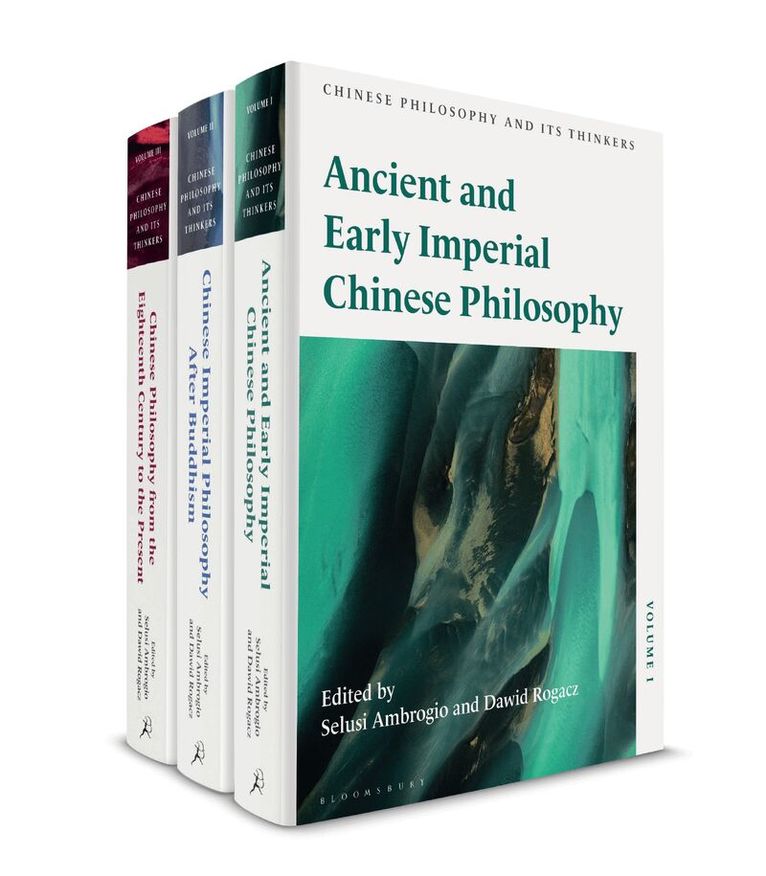
Across a set of three volumes spanning more than three thousand years, this is a survey of thinkers central to the development of philosophical thought in China. From the origins of Chinese thought in the Zhou dynasty to the contemporary Chinese environmental philosophy and bioethics, the three volumes, totalling 1,440 pages and bringing together a team of experts, cover:Volume I Chinese Ancient and Early Imperial PhilosophyVolume II Chinese Imperial Philosophy After BuddhismVolume III Chinese Philosophy from the Eighteenth Century to the PresentAlongside the giants of Chinese philosophy, such as Confucius, Zhu Xi, and Li Zehou, the selection includes philosophers often neglected from traditional surveys, figures such as Huan Tan, Cheng Xuanying, Ye Shi, Jiao Xun, Zhang Shenfu, and Li Xiaojiang. A focus on the rhetoric form and cultural background of Chinese philosophical thought runs through each volume, together with a discussion of seismic political, social, and economic events: the fall of dynasties, the rise of the imperial examination system, the modernization of Chinese academia, up to post-1978 politics. Thinkers and traditions are connected to broader, topical themes – Zhuangzi and the idea of perspectivism; Tiantai and the problem of evil; Zhang Junmai and models of democracy – and interconnections between theories and meditative, moral, and medical practices are explored.This is a history of Chinese philosophy that handles recently excavated bamboo texts, women philosophers in ancient China, Buddhist logic, medieval aesthetics, Sino-Muslim thought, and modern ethnic minority philosophy. Close attention is paid to the mutual exchange of ideas between China, East Asia, and Europe, providing a much-needed perspective that captures the monumental contribution of Chinese thinkers and builds a truly global history of philosophy.