Seong Lin Ding - Böcker
Visar alla böcker från författaren Seong Lin Ding. Handla med fri frakt och snabb leverans.
2 produkter
2 produkter
430 kr
Skickas inom 7-10 vardagar
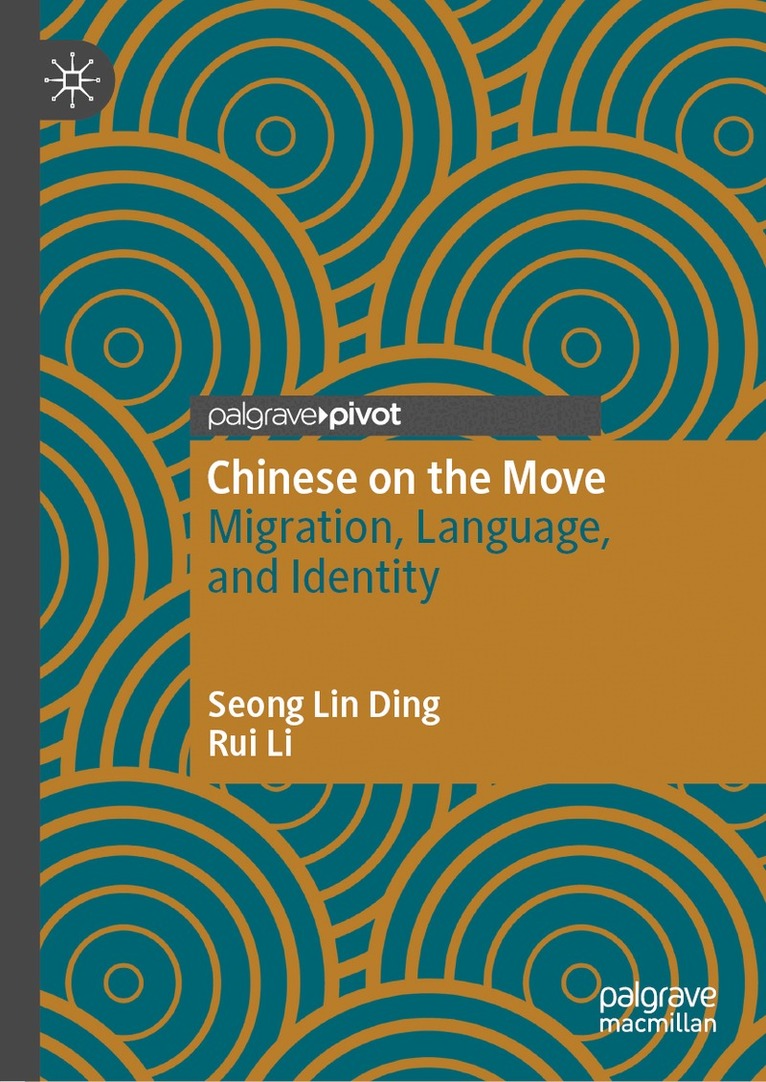
This book is the first to study the language and politics of identity of recent mainland Chinese migrants to Malaysia. Drawing on a variety of fieldwork data, the volume provides an accessible and succinct view of this ‘new’ transnational migrant community in multilingual Malaysia. Unlike earlier Chinese migrants (the ‘old’ Chinese communities) who migrated to Malaysia (previously British Malaya) due to experiencing poverty in China, the ‘new’ Chinese community in Malaysia comprises mainly students, professionals, migrants who participated in the Malaysia My Second Home (MM2H) programme and individuals who married locals. This book focuses on the experiences of these new migrants from mainland China, how they were received in Malaysian society, the language problems and barriers they faced, their language accommodation and potential linguistic dislocation, their attitudes and identities, whether these shifted over time, and the (in)visibility and social inclusion of these migrants in Malaysian society. It also offers insights and understanding of the dynamic and complex nature of how migrants are inclined towards their ‘home’ country while adapting to their ‘host’ society. This book enriches the literature on language use and adaptation in Chinese diaspora communities throughout the world, as well as the politics of language and identity, and it will be of interest to students and scholars of Sociolinguistics, Chinese studies, Asian studies, Migration studies, and Southeast Asian studies.
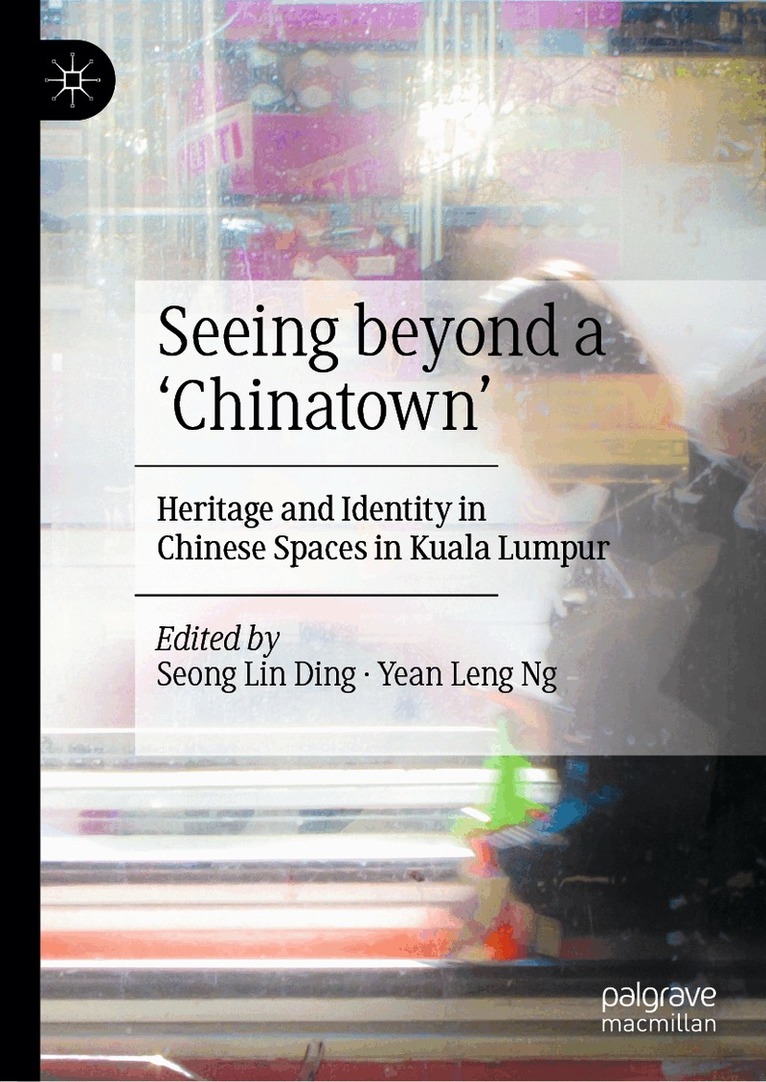
Seeing beyond a ‘Chinatown’
Heritage and Identity in Chinese Spaces in Kuala Lumpur
Inbunden, Engelska, 2026
1 516 kr
Skickas inom 10-15 vardagar
This book moves beyond the stereotyped approaches adopted in earlier works on ‘Chinatowns’ and introduces instead the Chinese spaces in the metropolitan city of Kuala Lumpur (KL), Malaysia. Seeing beyond the ‘Chinatown’, this book puts forward the historical, political, linguistic, educational, economic, sociocultural, religious, and architectural perspectives of the Chinese spaces, in local and global contexts, thus offering critical insights into the complex intertwining of historical impact, heritage language vitality, ethnic politics, out-migration issue, socioeconomic development, urban heritage sustainability, and the potential conflict between the official and the ‘vernacular’ representation of various Chinese neighbourhoods. Seeing beyond the notion of stereotyping ‘Chinatown’, this book expounds on the one hand, the tensions between branding and rebranding, positioning and repositioning of heritage and identity in Chinese urban spaces. On the other hand, this work also raises broader questions of social integration, and the underlying challenges in maintaining urban space and urban heritage amidst state-facilitated dispossession, touristification, and gentrification, thus allowing for an exploration of the nuanced interplay between power dynamics and struggles for empowerment. This book contributes both to our understanding of Chinese spaces embedded in the (re)imagination of ‘Chinatown’ and more importantly, a critical understanding of urban sustainability and social inclusivity that goes beyond ethnic and racial boundaries. It is relevant to cultural theorists and social scientists with a particular interest in heritage studies in Malaysia, and in wider Asia.