Serge Fauchereau – författare
Visar alla böcker från författaren Serge Fauchereau. Handla med fri frakt och snabb leverans.
2 produkter
2 produkter
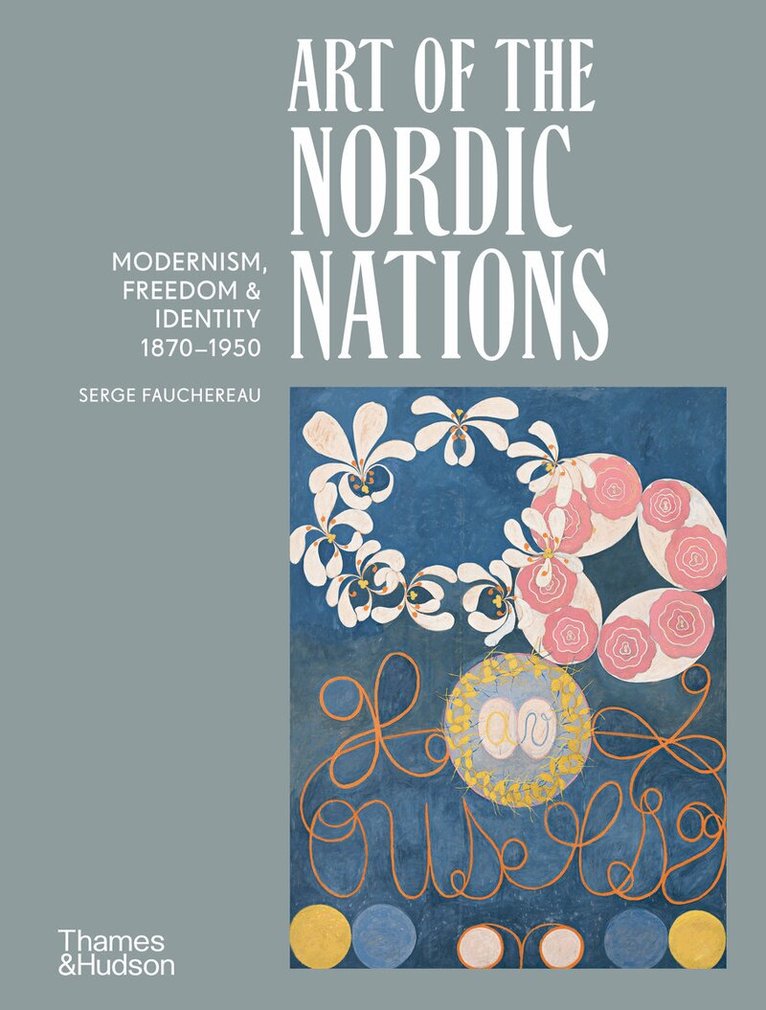
Art of the Nordic Nations
Art of the Nordic Nations: Modernism, Freedom and Identity, 1870–1950
Inbunden, Engelska, 2025
572 kr
Skickas inom 7-10 vardagar
A lavishly illustrated reference on the art of the five Nordic nations, covering a wide range of mediums, movements and styles. Modern art from the Nordic countries – Norway, Sweden, Denmark, Finland and Iceland – tends to be represented by a few famous artists, and an aesthetic known for combining originality and continuity of tradition. Nevertheless, the region is far from homogeneous. Each country has its own artistic language, culture and history, sometimes co-existing with its neighbours in harmony, sometimes engaging them in hard-fought conflict. This extensively illustrated survey offers a new history of Nordic art, from the emergence of Impressionism in the 1870s, through the avant-garde experiments of the early decades of the 20th century and onward to the Second World War and beyond. A broad range of artists are featured, some familiar and others less renowned: Anders Zorn and Hilma af Klint, Vilhelm Hammershøi and Franciska Clausen, Edvard Munch and Harriet Backer, Akseli Gallen-Kallela and Fanny Churberg, Finnur Jónsson and Öyvind Fahlström. Each artist’s work is vividly placed in the context of their homeland as well as the international art movements of the time. The significant role of women artists is also showcased, chronicling their artistic legacy as well as their broader social contributions. The result is a comprehensive account of modern Nordic art in one impressive volume that is sure to become a definitive account.
335 kr
Skickas inom 7-10 vardagar
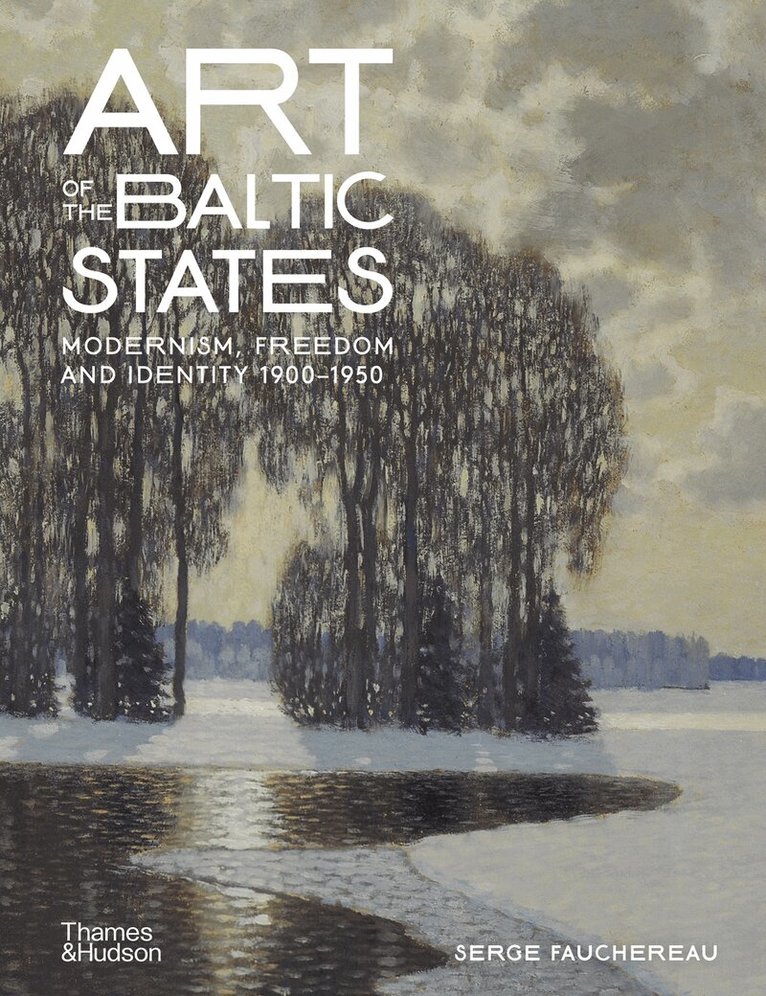
A lavishly illustrated reference on a little-known chapter in art history – the art of the three Baltic States, covering a wide range of mediums, movements and styles. The Baltic States – Lithuania, Latvia and Estonia – retain strong cultural identities that have survived despite centuries of colonization by powerful neighbouring lands. By the late 19th and early 20th centuries, artists and writers were starting to reclaim and promote their own artistic heritage as radically distinct from that of the invading nations, with pioneers such as M. K. Ciurlionis and Vilhelms Purvitis demonstrating rare originality in their work. In the wake of the First World War, the three Baltic countries regained their autonomy, and the 1920s and 30s became a rich period of openness and international artistic exchange. Modernism in all its forms flourished, not only in painting but in sculpture, printmaking, photomontage and the decorative arts, ranging from the elegant abstraction of Arnold Akberg to the provocative figuration of Karlis Padegs and the experimental photography of Domicele Tarabildiene. Art of the Baltic States is organized into three main chapters, documenting the history of art in each country. Enriched with illustrations from important museum collections, Fauchereau covers key art movements as well as their complex historical background, from time under the Czars and the German crown to the invasion by the Soviet Union and beyond. With each country showcased in its own lavishly illustrated section, this is a wonderful guide to a vibrant field in European art history that is often overlooked but deserves rediscovery and a place on the global stage.