Sergio Ramirez - Böcker
Visar alla böcker från författaren Sergio Ramirez. Handla med fri frakt och snabb leverans.
16 produkter
16 produkter
256 kr
Skickas inom 3-6 vardagar
1 542 kr
Skickas inom 3-6 vardagar
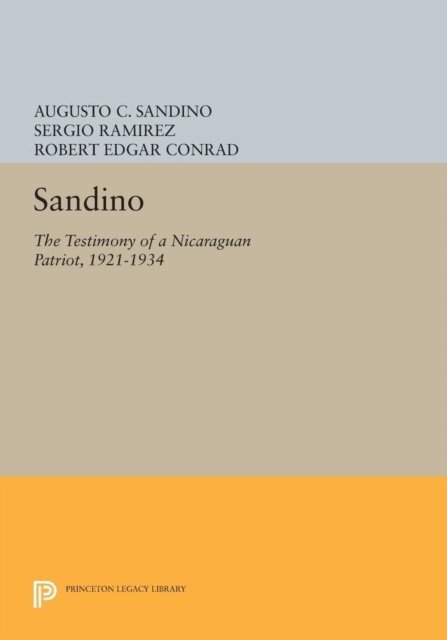
"Washington is called the father of his country; the same may be said of Bol!var and Hidalgo; but I am only a bandit, according to the yardstick by which the strong and the weak are measured."--Augusto C. Sandino. For the first time in English, here are the impassioned words of the remarkable Nicaraguan hero and martyr Augusto C. Sandino, for whom the recent revolutionary regime was named. From 1927 until 1933 American Marines fought a bitter jungle war in Nicaragua, with Sandino as their guerrilla foe. This artisan and farmer turned soldier was an unexpectedly formidable military threat to one of the succession of regimes that the United States had imposed on that country beginning in 1909. He was also the creator of a deeply patriotic language of protest--eloquent, often naive, sometimes cruel, and always defiant. The documents in this volume, presented chronologically, constitute a spontaneous autobiography, a record not only of Sandino's adventurous life but also of a crucial and often overlooked aspect of the relationship between Nicaragua and the United States. Emblematic of the deep-rooted U.S. entanglement in Nicaraguan affairs is the fact that Anastasio Somoza, who assassinated Sandino in 1934, was the father of the Somoza overthrown by the Sandinistas in 1979.By 1933 Sandino's guerrilla army had at last forced the departure of the American Marines from Nicaragua, and in that same year he had negotiated a peace agreement with the new president, Juan Bautista Sacasa. Sacasa granted Sandino and a hundred followers a large tract of government land to establish an agricultural cooperative, and Sandino agreed to partial disarmament of of his men. But a year later he was seized near the presidential mansion by solders of Somoza's National Guard and assassinated with two of his generals. The National Guard then attacked and destroyed his cooperative. Both before and after Sandino's brutal assassination, Somoza tried to discredit the idiosyncratic blend of political, religious, and theosophical ideas through which Sandino inspired his soldiers.Included among the documents here are expressions not only of Sandino's military preoccupations and of his philosophy but also of his practical concerns about worker organization and legislation, the rights of women and children, the protection and development of Nicaragua's Indians, Central American unification, construction of a Nicaraguan canal for the benefit of Nicaraguans and the world in general, Indo-Hispanic cooperation, and land reform. This work, which is based on the two-volume Spanish edition compiled by Sergio Ramirez, includes an introduction by Robert Conrad setting Sandino's life in historical context. Originally published in 1990. The Princeton Legacy Library uses the latest print-on-demand technology to again make available previously out-of-print books from the distinguished backlist of Princeton University Press. These editions preserve the original texts of these important books while presenting them in durable paperback and hardcover editions. The goal of the Princeton Legacy Library is to vastly increase access to the rich scholarly heritage found in the thousands of books published by Princeton University Press since its founding in 1905.
3 889 kr
Skickas inom 3-6 vardagar
"Washington is called the father of his country; the same may be said of Bol!var and Hidalgo; but I am only a bandit, according to the yardstick by which the strong and the weak are measured."--Augusto C. Sandino. For the first time in English, here are the impassioned words of the remarkable Nicaraguan hero and martyr Augusto C. Sandino, for whom the recent revolutionary regime was named. From 1927 until 1933 American Marines fought a bitter jungle war in Nicaragua, with Sandino as their guerrilla foe. This artisan and farmer turned soldier was an unexpectedly formidable military threat to one of the succession of regimes that the United States had imposed on that country beginning in 1909. He was also the creator of a deeply patriotic language of protest--eloquent, often naive, sometimes cruel, and always defiant. The documents in this volume, presented chronologically, constitute a spontaneous autobiography, a record not only of Sandino's adventurous life but also of a crucial and often overlooked aspect of the relationship between Nicaragua and the United States. Emblematic of the deep-rooted U.S. entanglement in Nicaraguan affairs is the fact that Anastasio Somoza, who assassinated Sandino in 1934, was the father of the Somoza overthrown by the Sandinistas in 1979.By 1933 Sandino's guerrilla army had at last forced the departure of the American Marines from Nicaragua, and in that same year he had negotiated a peace agreement with the new president, Juan Bautista Sacasa. Sacasa granted Sandino and a hundred followers a large tract of government land to establish an agricultural cooperative, and Sandino agreed to partial disarmament of of his men. But a year later he was seized near the presidential mansion by solders of Somoza's National Guard and assassinated with two of his generals. The National Guard then attacked and destroyed his cooperative. Both before and after Sandino's brutal assassination, Somoza tried to discredit the idiosyncratic blend of political, religious, and theosophical ideas through which Sandino inspired his soldiers.Included among the documents here are expressions not only of Sandino's military preoccupations and of his philosophy but also of his practical concerns about worker organization and legislation, the rights of women and children, the protection and development of Nicaragua's Indians, Central American unification, construction of a Nicaraguan canal for the benefit of Nicaraguans and the world in general, Indo-Hispanic cooperation, and land reform. This work, which is based on the two-volume Spanish edition compiled by Sergio Ramirez, includes an introduction by Robert Conrad setting Sandino's life in historical context. Originally published in 1990. The Princeton Legacy Library uses the latest print-on-demand technology to again make available previously out-of-print books from the distinguished backlist of Princeton University Press. These editions preserve the original texts of these important books while presenting them in durable paperback and hardcover editions. The goal of the Princeton Legacy Library is to vastly increase access to the rich scholarly heritage found in the thousands of books published by Princeton University Press since its founding in 1905.
282 kr
Skickas inom 3-6 vardagar
386 kr
Skickas inom 7-10 vardagar
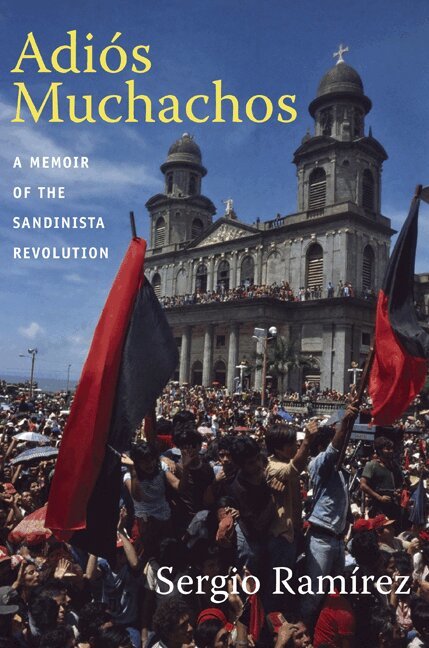
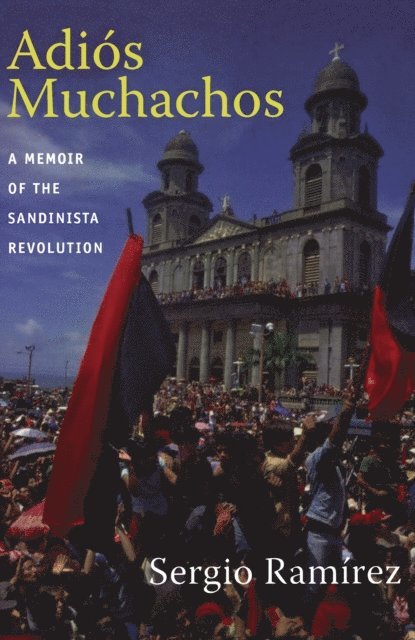
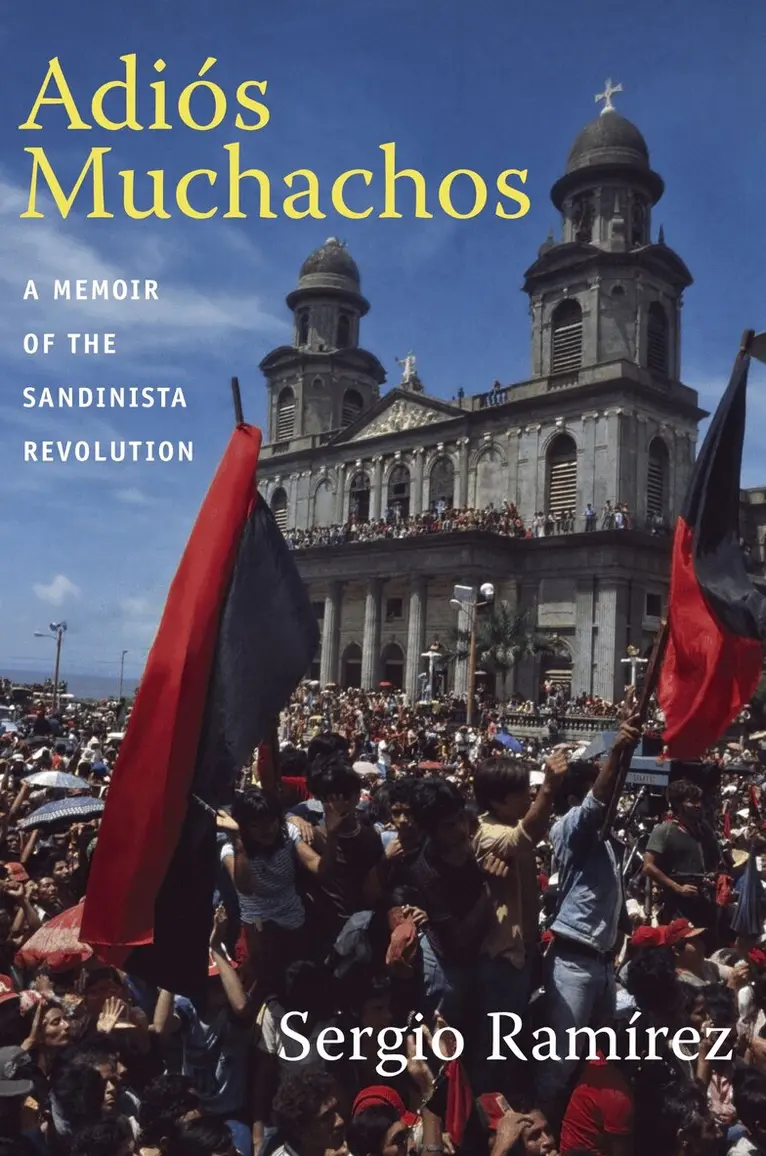
AdiÓs Muchachos is a candid insider’s account of the leftist Sandinista revolution in Nicaragua. During the 1970s, Sergio RamÍrez led prominent intellectuals, priests, and business leaders to support the Sandinista National Liberation Front (FSLN), against Anastasio Somoza’s dictatorship. After the Sandinistas overthrew the Somoza regime in 1979, RamÍrez served as vice-president under Daniel Ortega from 1985 until 1990, when the FSLN lost power in a national election. Disillusioned by his former comrades’ increasing intolerance of dissent and resistance to democratization, RamÍrez defected from the Sandinistas in 1995 and founded the Sandinista Renovation Movement. In AdiÓs Muchachos, he describes the utopian aspirations for liberation and reform that motivated the Sandinista revolution against the Somoza regime, as well as the triumphs and shortcomings of the movement’s leadership as it struggled to turn an insurrection into a government, reconstruct a country beset by poverty and internal conflict, and defend the revolution against the Contras, an armed counterinsurgency supported by the United States. AdiÓs Muchachos was first published in 1999. Based on a later edition, this translation includes RamÍrez’s thoughts on more recent developments, including the re-election of Daniel Ortega as president in 2006.
302 kr
Skickas inom 5-8 vardagar
266 kr
Skickas inom 5-8 vardagar
249 kr
Tillfälligt slut
249 kr
Tillfälligt slut
197 kr
Skickas inom 5-8 vardagar
220 kr
Skickas inom 7-10 vardagar
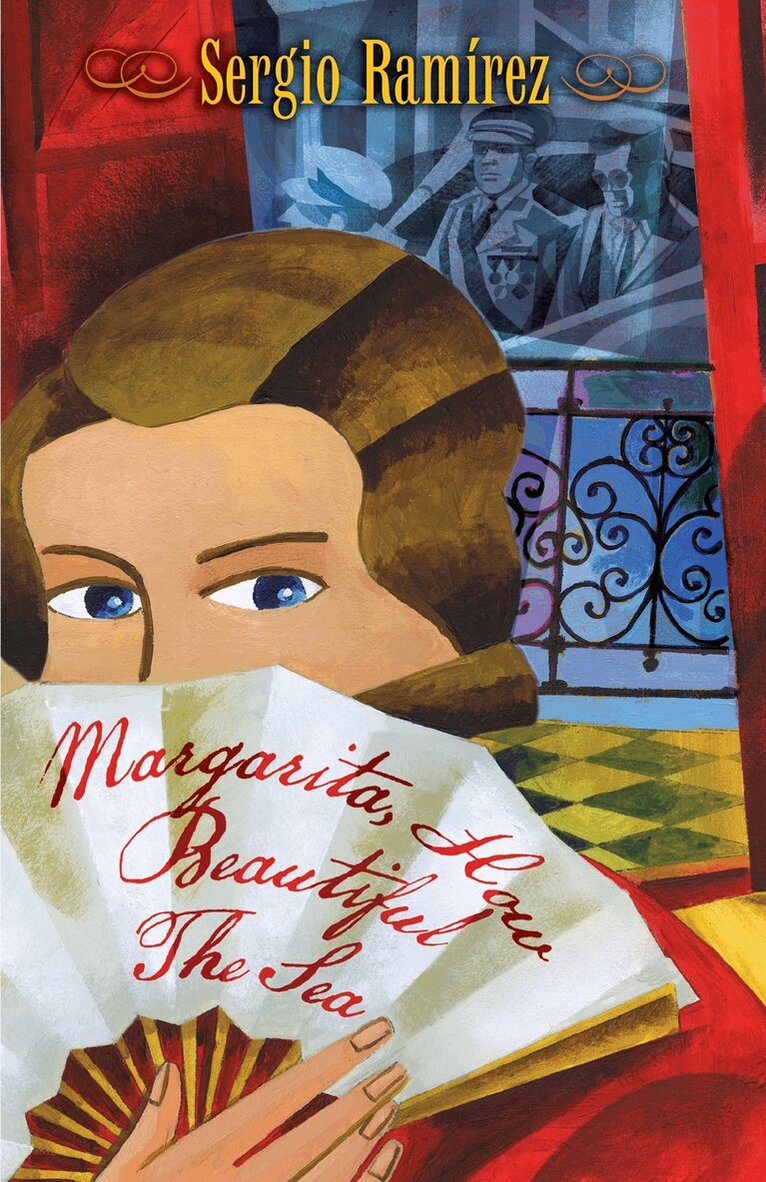
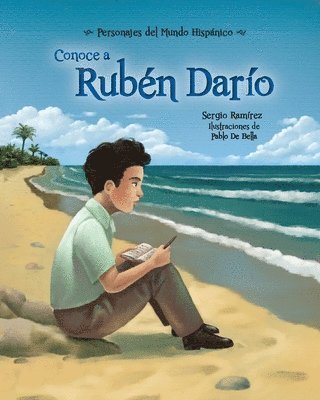
León, Nicaragua, 1907. During a tribute he delivers during his triumphal return to his native city, Rubén Darío writes on the fan of a little girl one of his most famous poems, "Margarita, How Beautiful the Sea."In 1956 in a cafe in León, a group of literati gather, dedicated, among other things, to the rigorous reconstruction of the legend surrounding Darío-but also to conspire. There will be an attempt against dictator Somoza's life, and that little girl with the fan a half-century before will not be a disinterested party.In Margarita, How Beautiful the Sea, Sergio Ramírez encompasses, in a complete metaphor of reality and legend, the entire history of his country. The narrative moves along paths fifty years apart, which inevitably converge. The story becomes a fascinating exercise on the power of memory, on the influence of the past, fictitious or not, in the finality of reality.
279 kr
Skickas inom 3-6 vardagar
Las Cuentas de Centroámerica: Semblanza de la Centroamérica Contemporánea / A Balance Sheet of Central America: A Portrait of Contemporary Central Ame
Häftad, Spanska, 2025
283 kr
Skickas inom 3-6 vardagar
346 kr
Skickas inom 3-6 vardagar
305 kr
Skickas inom 3-6 vardagar
292 kr
Skickas inom 3-6 vardagar