Serhiy Bilenky – författare
Visar alla böcker från författaren Serhiy Bilenky. Handla med fri frakt och snabb leverans.
8 produkter
Laboratory of Modernity
Ukraine Between Empire and Nation, 1772–1914
Häftad, 2023
555 kr
Lägg i varukorg
When the powers of Europe were at their prime, present-day Ukraine was divided between the Austrian and Russian empires, each imposing different political, social, and cultural models on its subjects. This inevitably led to great diversity in the lives of its inhabitants, shaping modern Ukraine …
Laboratory of Modernity
Ukraine between Empire and Nation, 1772–1914
E-bok, 2023
632 kr
Lägg i varukorg
When the powers of Europe were at their prime, present-day Ukraine was divided between the Austrian and Russian empires, each imposing different political, social, and cultural models on its subjects. This inevitably led to great diversity in the lives of its inhabitants, shaping modern Ukraine …
Laboratory of Modernity
Ukraine between Empire and Nation, 1772–1914
E-bok, 2023
632 kr
Lägg i varukorg
When the powers of Europe were at their prime, present-day Ukraine was divided between the Austrian and Russian empires, each imposing different political, social, and cultural models on its subjects. This inevitably led to great diversity in the lives of its inhabitants, shaping modern Ukraine …
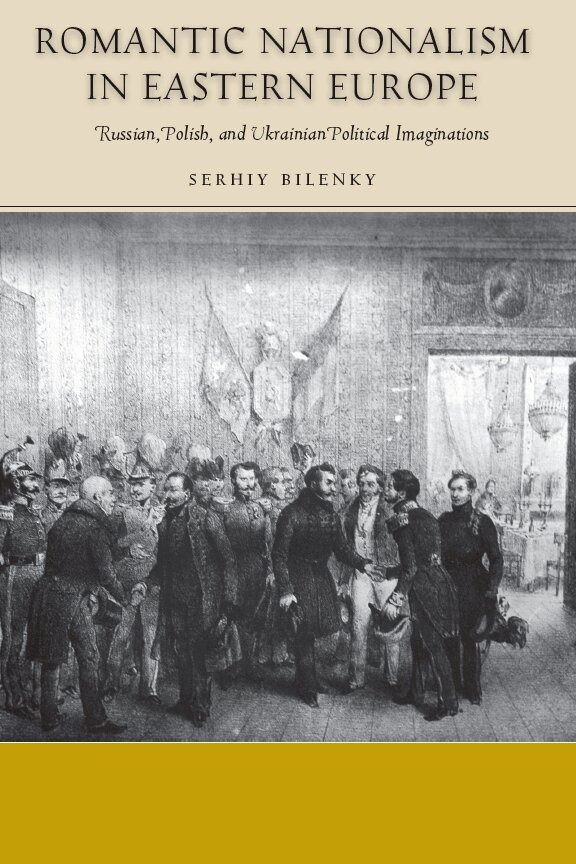
Romantic Nationalism in Eastern Europe
Russian, Polish, and Ukrainian Political Imaginations
Inbunden, 2012
930 kr
Lägg i varukorg
This book explores the political imagination of Eastern Europe in the 1830s and 1840s, when Polish, Russian, and Ukrainian intellectuals came to identify themselves as belonging to communities known as nations or nationalities. Bilenky approaches this topic from a transnational perspective, …
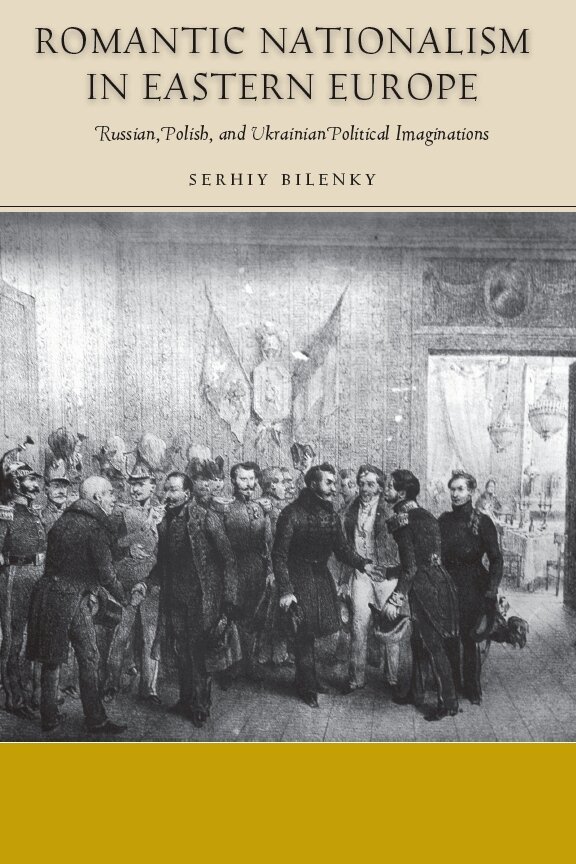
Romantic Nationalism in Eastern Europe
Russian, Polish, and Ukrainian Political Imaginations
E-bok, 2012
1070 kr
Lägg i varukorg
This book explores the political imagination of Eastern Europe in the 1830s and 1840s, when Polish, Russian, and Ukrainian intellectuals came to identify themselves as belonging to communities known as nations or nationalities. Bilenky approaches this topic from a transnational perspective, …
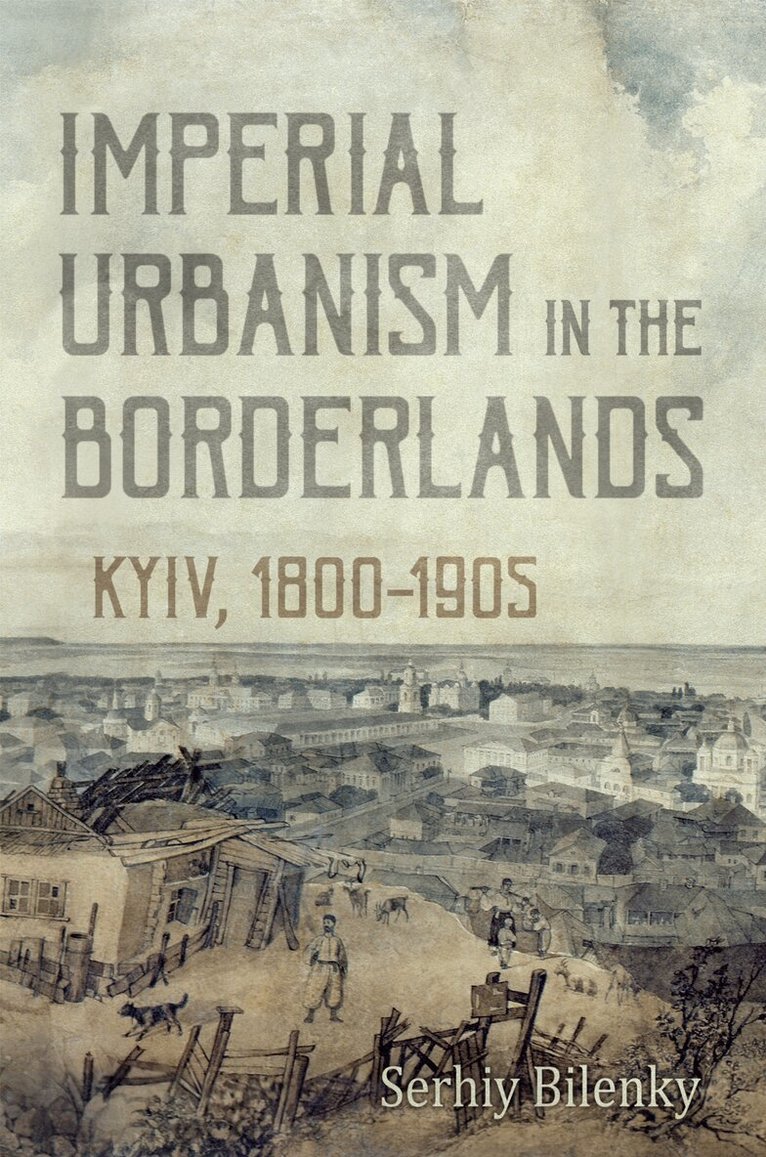
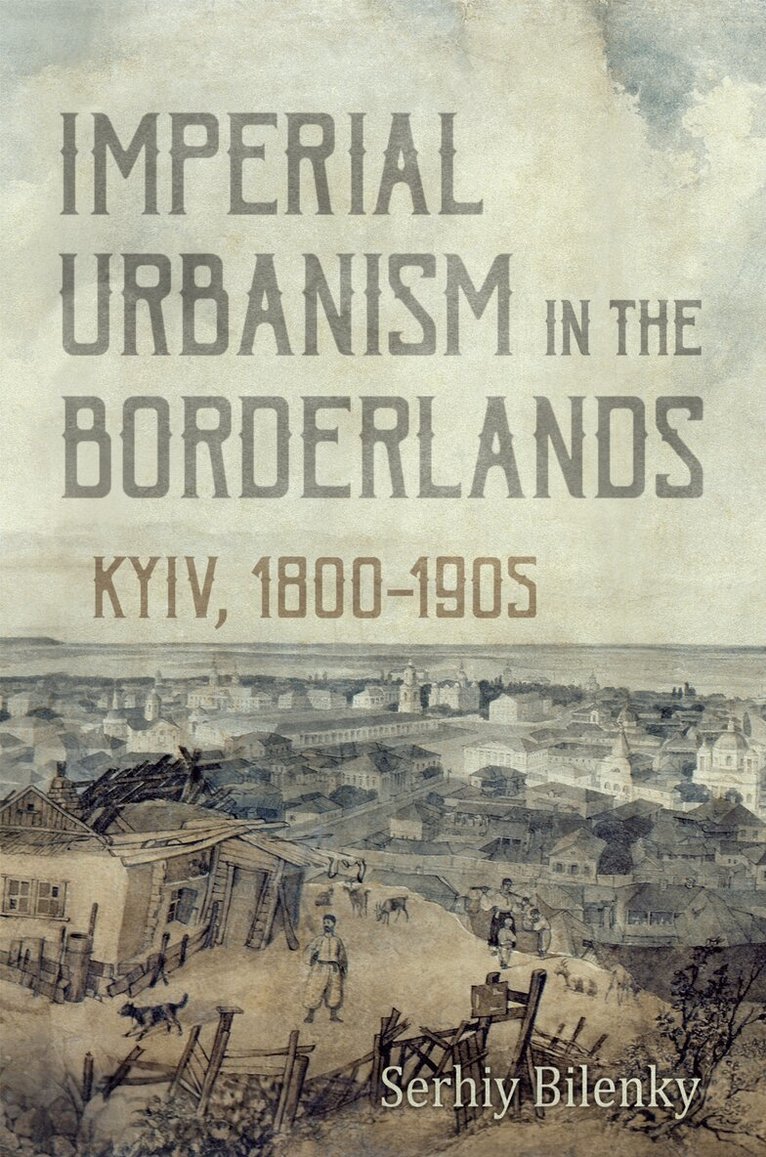
Imperial Urbanism in the Borderlands
Kyiv, 1800-1905
Inbunden, 2018
1005 kr
Lägg i varukorg
In the nineteenth and early twentieth century Kyiv was an important city in the European part of the Russian empire, rivaling Warsaw in economic and strategic significance. It also held the unrivaled spiritual and ideological position as Russia’s own Jerusalem. In Imperial Urbanism in the …
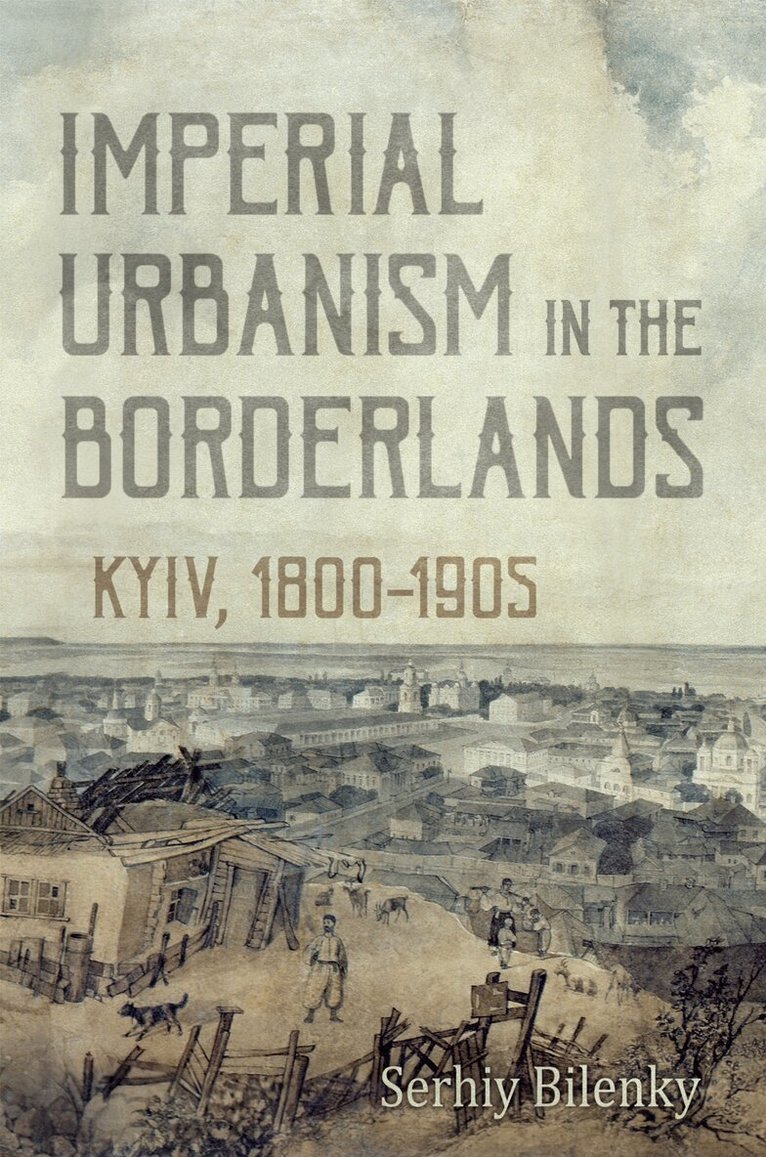
Imperial Urbanism in the Borderlands
Kyiv, 1800-1905
E-bok, 2018
1265 kr
Lägg i varukorg
In the nineteenth and early twentieth century Kyiv was an important city in the European part of the Russian empire, rivaling Warsaw in economic and strategic significance. It also held the unrivaled spiritual and ideological position as Russia’s own Jerusalem. In Imperial Urbanism in the …
Imperial Urbanism in the Borderlands
Kyiv, 1800-1905
E-bok, 2018
1255 kr
Lägg i varukorg
In the nineteenth and early twentieth century Kyiv was an important city in the European part of the Russian empire, rivaling Warsaw in economic and strategic significance. It also held the unrivaled spiritual and ideological position as Russia’s own Jerusalem. In Imperial Urbanism in the …