Shakila Yacob - Böcker
Visar alla böcker från författaren Shakila Yacob. Handla med fri frakt och snabb leverans.
3 produkter
3 produkter
2 219 kr
Skickas inom 10-15 vardagar
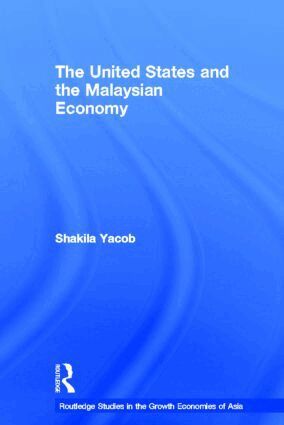
This book explores the relationship between the United States and the Malaysian economy, concentrating on the period 1870 to 1957, with particular focus on trade flows and foreign direct investment. This is the first book to examine, in depth, US economic involvement in colonial Malaya. Exploring the relationship between the United States and the Malayan/Malaysian economy, the book concentrates on the period 1870 to 1957, with particular focus on trade flows and foreign direct investment. It surveys the reasons behind the levels of US trade and investment, and considers the impact of the presence of both British governments and businesses on the US-Malayan relationship.The book goes on to examine the impact of US trade and investment on Malaya, with detailed analysis of the cases of three important US inward investors: Yukon Gold Company, United States Rubber Company, and Ford Motor Company. The author argues that the British colonial presence provided an infrastructure that facilitated US trade and FDI flows with Malaya, although on occasion restrictive policies followed by the colonial government diverted US FDI flows elsewhere. However, US FDI and trade remained constrained by Malaya’s status as a low income developing country with little potential for market-oriented manufacturing investment. Nonetheless, it demonstrates that US trade and FDI had a positive impact on the Malayan economy through flows of organisational and technological capabilities. An epilogue brings the story up to date for contemporary US-Malaysian economic relations.Overall, this book is an insightful and highly original account of the part played by US trade and investment in Malaya’s economic development.
691 kr
Skickas inom 10-15 vardagar
This book explores the relationship between the United States and the Malaysian economy, concentrating on the period 1870 to 1957, with particular focus on trade flows and foreign direct investment. This is the first book to examine, in depth, US economic involvement in colonial Malaya. Exploring the relationship between the United States and the Malayan/Malaysian economy, the book concentrates on the period 1870 to 1957, with particular focus on trade flows and foreign direct investment. It surveys the reasons behind the levels of US trade and investment, and considers the impact of the presence of both British governments and businesses on the US-Malayan relationship.The book goes on to examine the impact of US trade and investment on Malaya, with detailed analysis of the cases of three important US inward investors: Yukon Gold Company, United States Rubber Company, and Ford Motor Company. The author argues that the British colonial presence provided an infrastructure that facilitated US trade and FDI flows with Malaya, although on occasion restrictive policies followed by the colonial government diverted US FDI flows elsewhere. However, US FDI and trade remained constrained by Malaya’s status as a low income developing country with little potential for market-oriented manufacturing investment. Nonetheless, it demonstrates that US trade and FDI had a positive impact on the Malayan economy through flows of organisational and technological capabilities. An epilogue brings the story up to date for contemporary US-Malaysian economic relations.Overall, this book is an insightful and highly original account of the part played by US trade and investment in Malaya’s economic development.
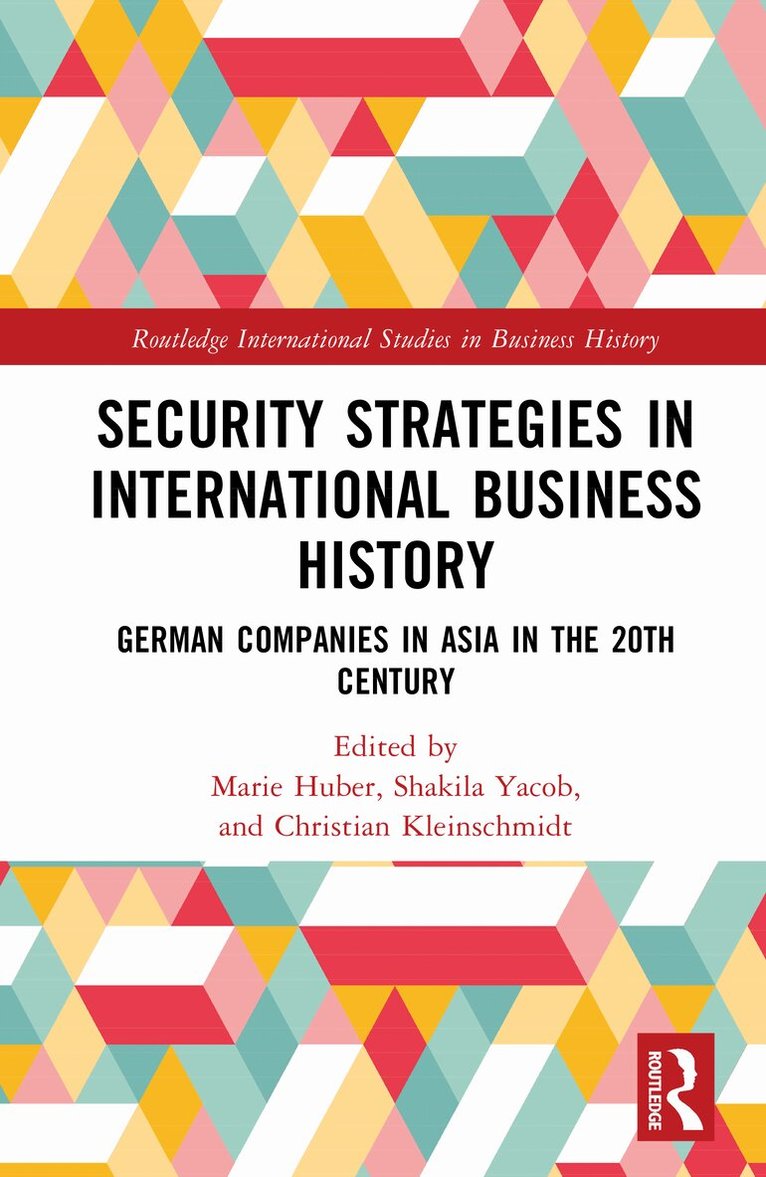
Security Strategies in International Business History
German Companies in Asia in the 20th Century
Inbunden, Engelska, 2025
2 088 kr
Skickas inom 10-15 vardagar
This edited volume explores how German companies managed security challenges in Asia from the late 19th to the late 20th century. Through case studies in Japan, China, India, Malaysia, and Southeast Asia, it examines how firms in sectors like pharmaceuticals, electronics, banking, and trade adapted to colonial legacies, decolonization, and Cold War tensions. The book adopts a security- focused framework that goes beyond standard risk analysis, highlighting how businesses responded to political instability, cultural differences, and regulatory shifts. Drawing from rarely used German and Asian archives, contributors uncover the strategies companies used to maintain stability in uncertain environments. Aimed at business historians, scholars of international business, and those studying colonialism, diplomacy, and development, the volume also appeals to students and researchers in Asian, German, international relations, and security studies. By offering a comparative and cross- sectoral approach, it fills key gaps in understanding German- Asian economic ties and offers fresh theoretical insights into business resilience. The rich empirical material makes it a valuable resource for teaching and research on how international firms shaped and adapted to the global changes of the 20th century.The Open Access version of this book, available at http://www.taylorfrancis.com, has been made available under a Creative Commons Attribution-Non Commercial-No Derivatives (CC BY-NC-ND) 4.0 license.