Shamoon Zamir – författare
Visar alla böcker från författaren Shamoon Zamir. Handla med fri frakt och snabb leverans.
22 produkter
Dark Voices
W. E. B. Du Bois and American Thought, 1888-1903
Häftad, 1995
373 kr
Lägg i varukorg
This is an examination of the intellectual formation of W.E.B. Du Bois, tracing the scholar and civil rights leader's thought from his undergraduate days in the 1880s to the 1903 publication of "The Souls of Black Folk", and offering a reading of his work from this period. Bringing to light …
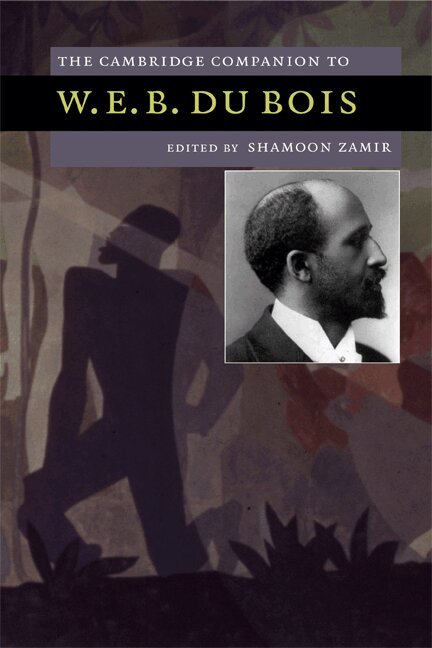
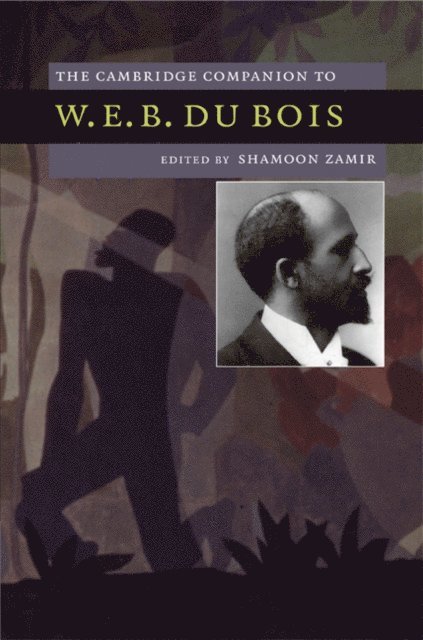
The Cambridge Companion to W. E. B. Du Bois
Häftad, 2008
475 kr
Lägg i varukorg
W. E. B. Du Bois was the pre-eminent African American intellectual of the twentieth century. As a pioneering historian, sociologist and civil rights activist, and as a novelist and autobiographer, he made the problem of race central to an understanding of the United States within both national and …
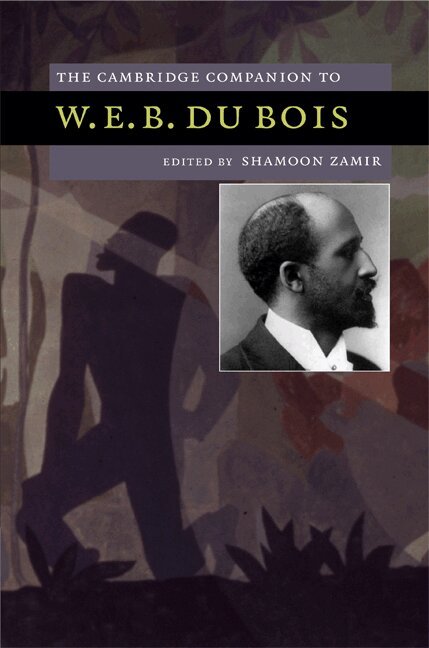
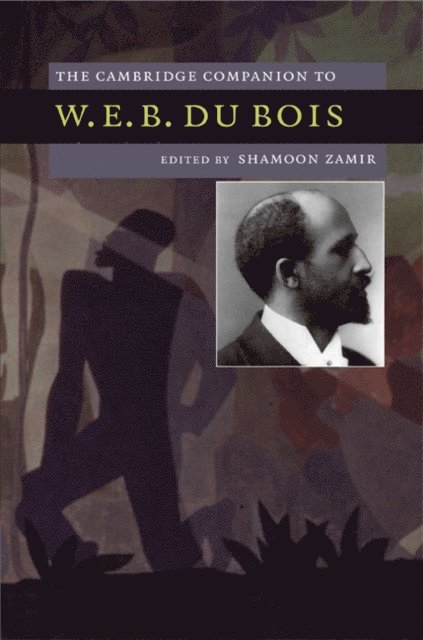
The Cambridge Companion to W. E. B. Du Bois
Inbunden, 2008
954 kr
Lägg i varukorg
W. E. B. Du Bois was the pre-eminent African American intellectual of the twentieth century. As a pioneering historian, sociologist and civil rights activist, and as a novelist and autobiographer, he made the problem of race central to an understanding of the United States within both national and …
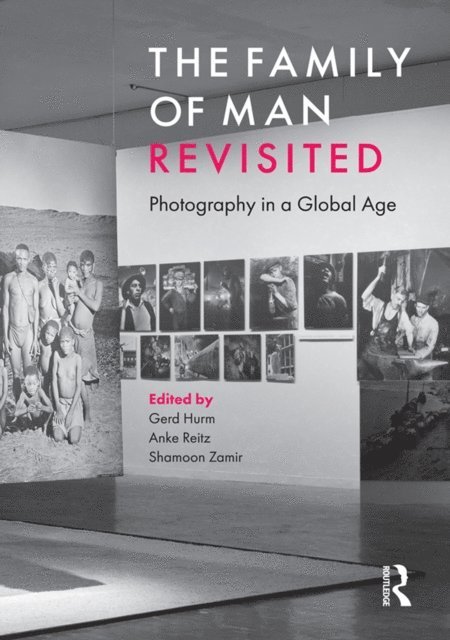
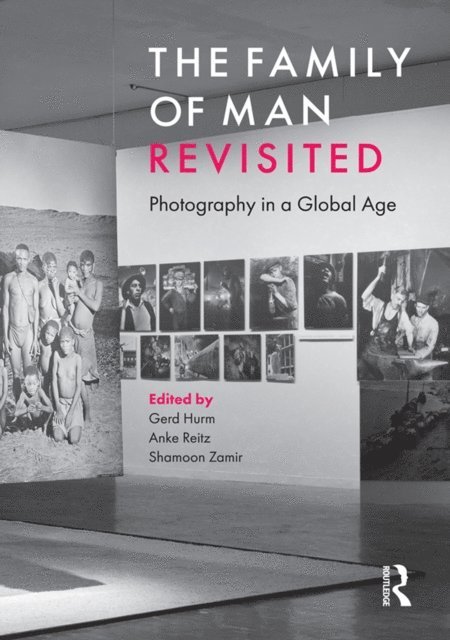
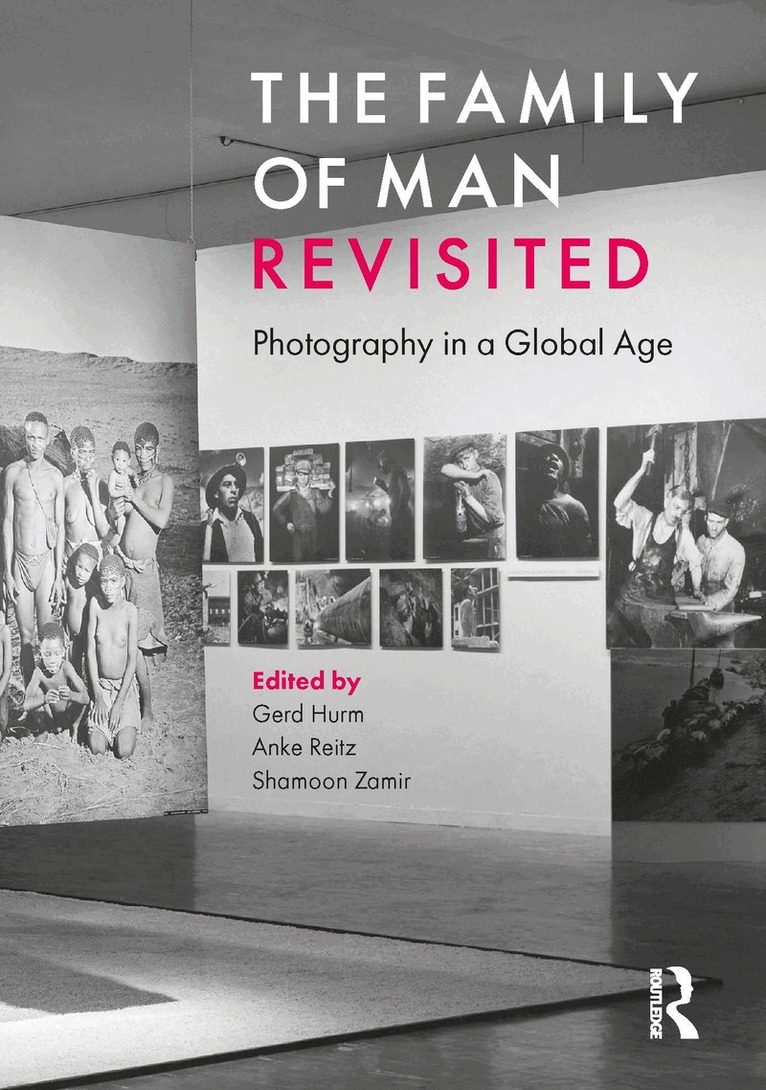
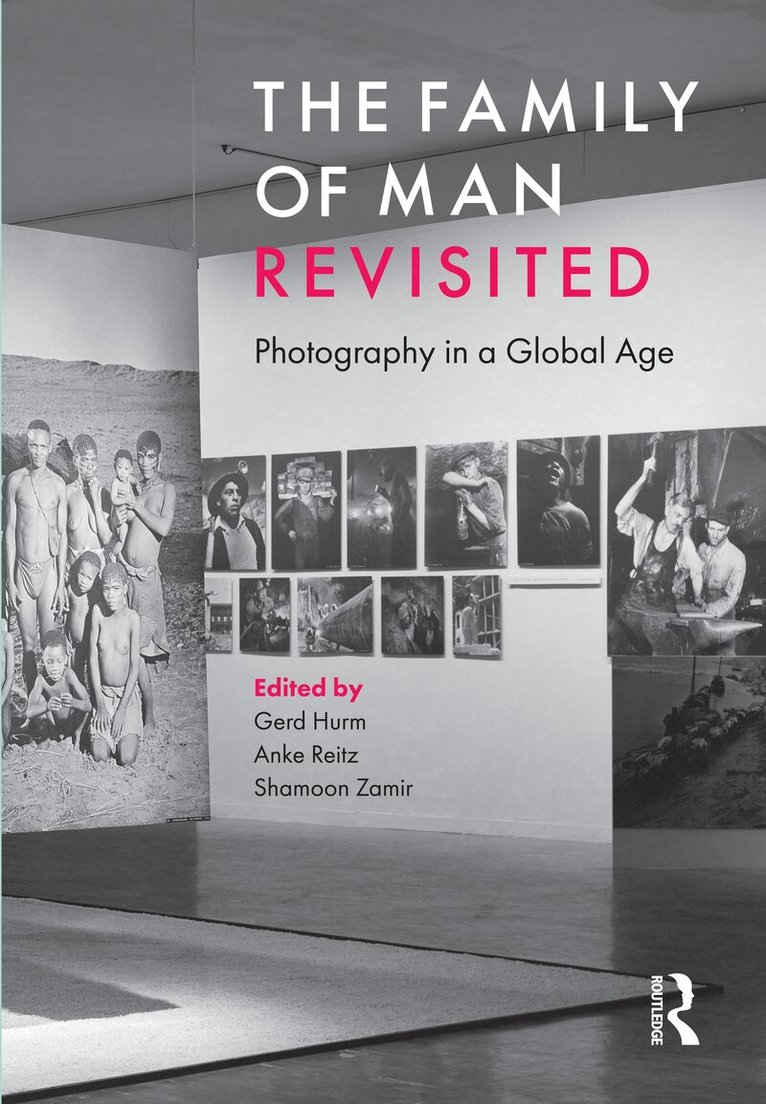
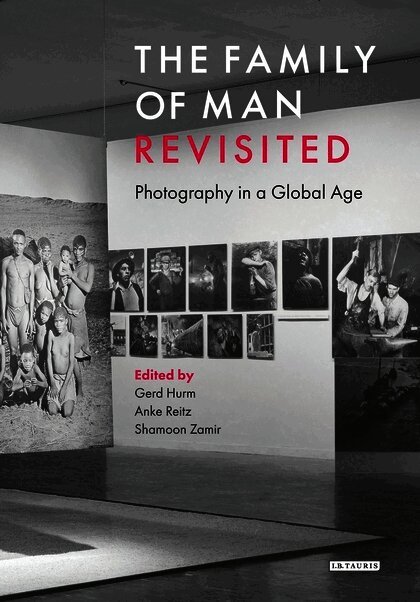
Family of Man Revisited
Photography in a Global Age
Av Shamoon Zamir, Anke Reitz m. fl.
E-bok, 2020
506 kr
Lägg i varukorg
The Family of Man is the most widely seen exhibition in the history of photography. The book of the exhibition, still in print, is also the most commercially successful photobook ever published. First shown at the Museum of Modern Art in New York in 1955, the exhibition travelled throughout the …
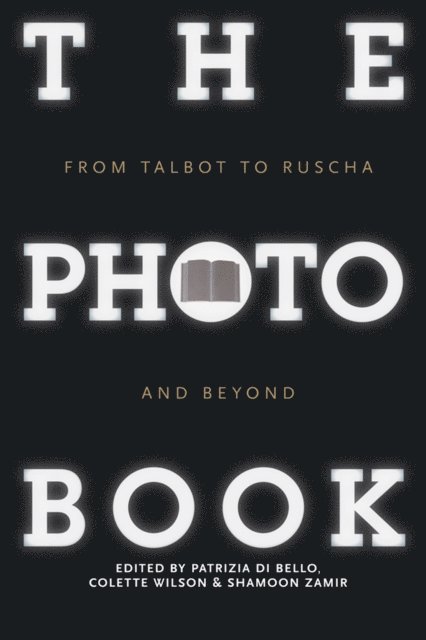
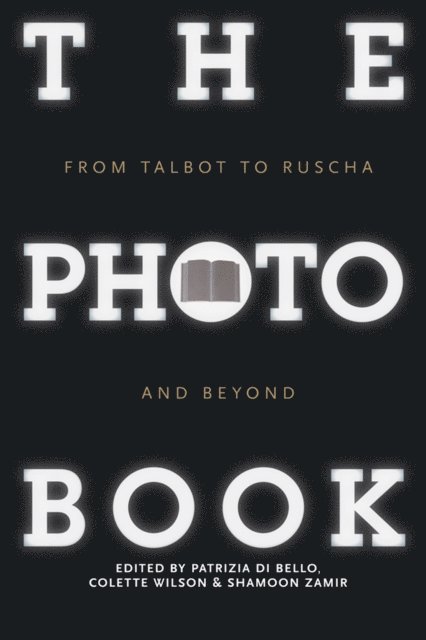
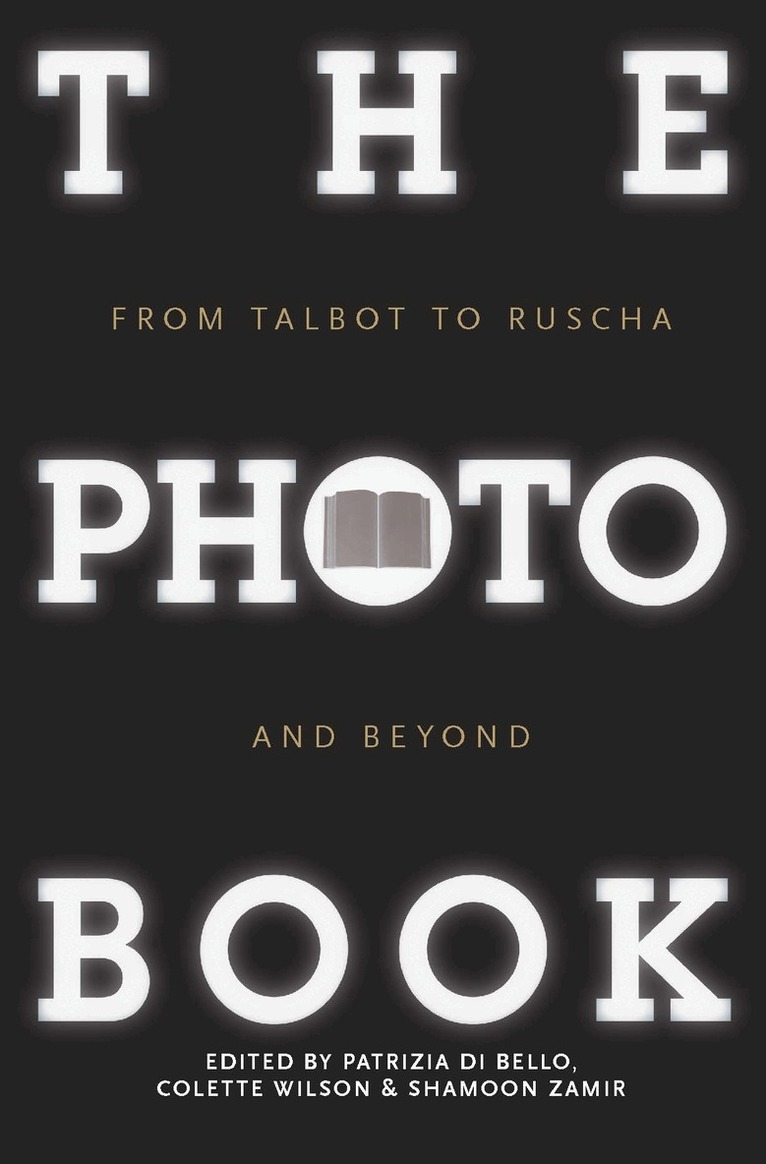
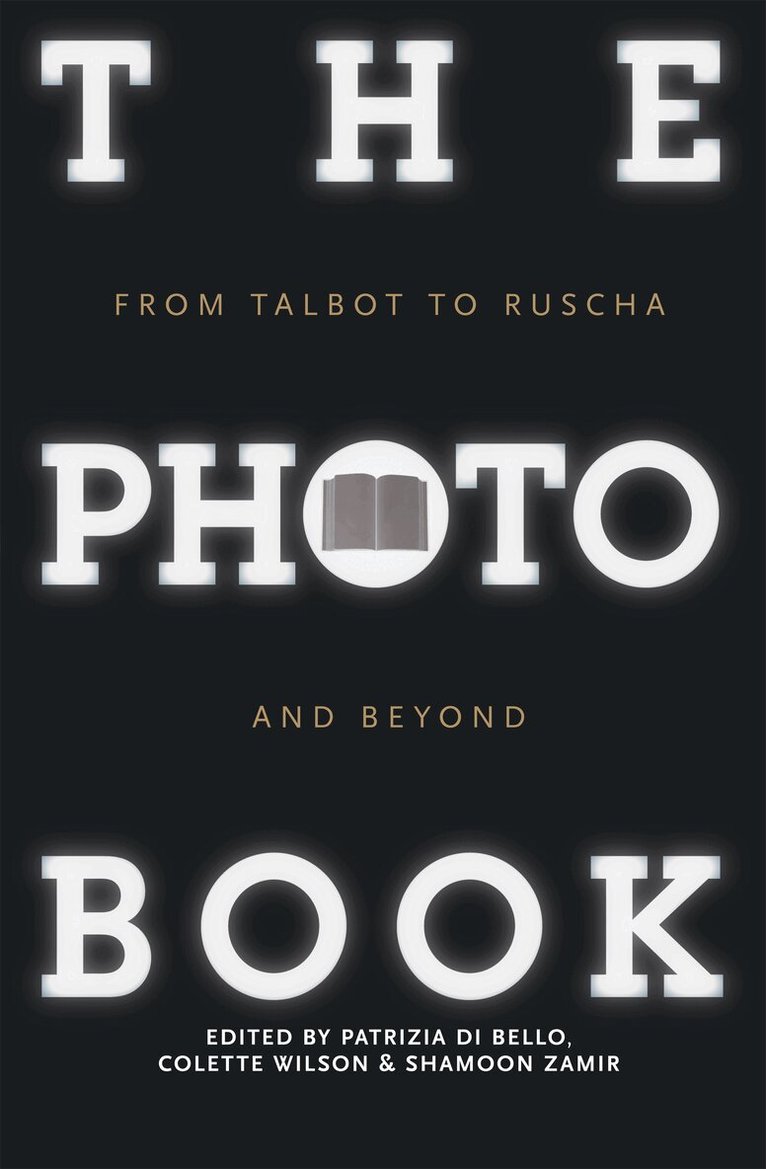
Photobook
From Talbot to Ruscha and Beyond
Av Shamoon Zamir, Colette Wilson m. fl.
E-bok, 2020
517 kr
Lägg i varukorg
The photograph found a home in the book before it won for itself a place on the gallery wall. Only a few years after the birth of photography, the publication of Henry Fox Talbot''s "The Pencil of Nature" heralded a new genre in the history of the book, one in which the photograph was the primary …
Family of Man Revisited
Photography in a Global Age
Av Shamoon Zamir, Anke Reitz m. fl.
E-bok, 2020
506 kr
Lägg i varukorg
The Family of Man is the most widely seen exhibition in the history of photography. The book of the exhibition, still in print, is also the most commercially successful photobook ever published. First shown at the Museum of Modern Art in New York in 1955, the exhibition travelled throughout the …
Photobook
From Talbot to Ruscha and Beyond
Av Shamoon Zamir, Colette Wilson m. fl.
E-bok, 2020
517 kr
Lägg i varukorg
The photograph found a home in the book before it won for itself a place on the gallery wall. Only a few years after the birth of photography, the publication of Henry Fox Talbot''s "The Pencil of Nature" heralded a new genre in the history of the book, one in which the photograph was the primary …
Family of Man Revisited
Photography in a Global Age
Av Gerd Hurm, Anke Reitz m. fl.
Inbunden, 2025
2586 kr
Lägg i varukorg
The Family of Man is the most widely seen exhibition in the history of photography. The book of the exhibition, still in print, is also the most commercially successful photobook ever published. First shown at the Museum of Modern Art in New York in 1955, the exhibition travelled throughout the …
Photobook
From Talbot to Ruscha and Beyond
Av Patrizia Di Bello, Colette Wilson m. fl.
Inbunden, 2025
2586 kr
Lägg i varukorg
The photograph found a home in the book before it won for itself a place on the gallery wall. Only a few years after the birth of photography, the publication of Henry Fox Talbot's "The Pencil of Nature" heralded a new genre in the history of the book, one in which the photograph was the primary …
Cambridge Companion to W. E. B. Du Bois
E-bok, 2008
469 kr
Lägg i varukorg
W. E. B. Du Bois was the pre-eminent African American intellectual of the twentieth century. As a pioneering historian, sociologist and civil rights activist, and as a novelist and autobiographer, he made the problem of race central to an understanding of the United States within both national and …
Cambridge Companion to W. E. B. Du Bois
E-bok, 2008
469 kr
Lägg i varukorg
W. E. B. Du Bois was the pre-eminent African American intellectual of the twentieth century. As a pioneering historian, sociologist and civil rights activist, and as a novelist and autobiographer, he made the problem of race central to an understanding of the United States within both national and …
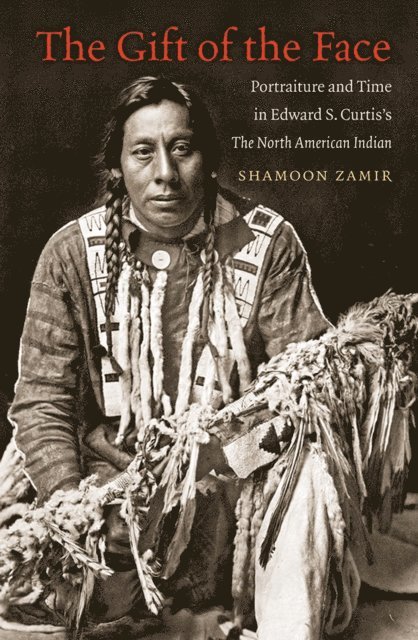
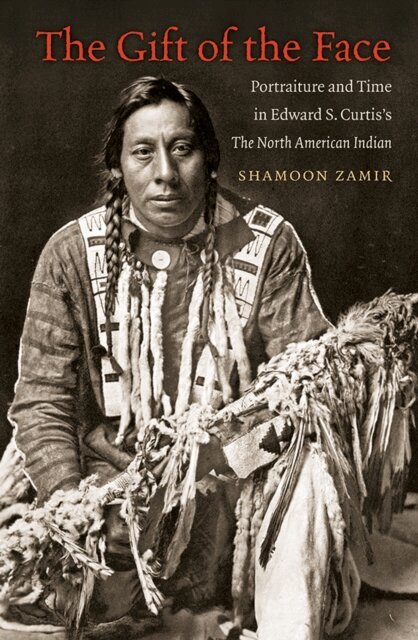
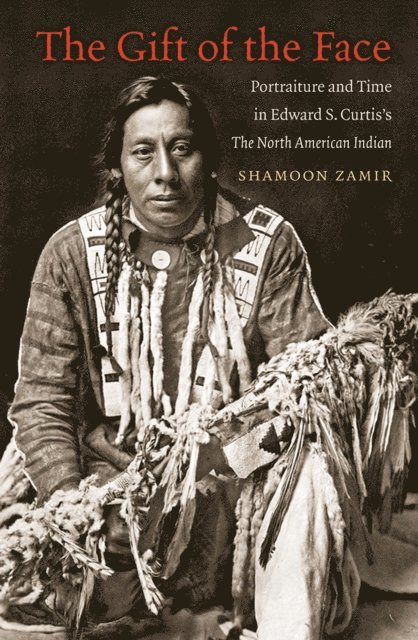
Gift of the Face
Portraiture and Time in Edward S. Curtis''s The North American Indian
E-bok, 2014
357 kr
Lägg i varukorg
Edward S. Curtis''s The North American Indian is the most ambitious photographic and ethnographic record of Native American cultures ever produced. Published between 1907 and 1930 as a series of twenty volumes and portfolios, the work contains more than two thousand photographs intended to document …
Gift of the Face
Portraiture and Time in Edward S. Curtis''s The North American Indian
E-bok, 2014
1783 kr
Lägg i varukorg
Edward S. Curtis''s The North American Indian is the most ambitious photographic and ethnographic record of Native American cultures ever produced. Published between 1907 and 1930 as a series of twenty volumes and portfolios, the work contains more than two thousand photographs intended to document …
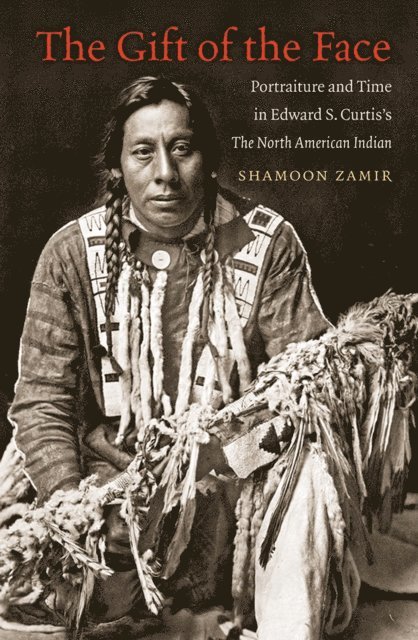
Gift of the Face
Portraiture and Time in Edward S. Curtis's the North American Indian
Häftad, 2020
401 kr
Lägg i varukorg
Edward S. Curtis's The North American Indian is the most ambitious photographic and ethnographic record of Native American cultures ever produced. Published between 1907 and 1930 as a series of twenty volumes and portfolios, the work contains more than two thousand photographs intended to document …
Family of Man Revisited
Photography in a Global Age
Av Gerd Hurm, Anke Reitz m. fl.
Häftad, 2017
443 kr
Lägg i varukorg
The Family of Man is the most widely seen exhibition in the history of photography. The book of the exhibition, still in print, is also the most commercially successful photobook ever published. First shown at the Museum of Modern Art in New York in 1955, the exhibition travelled throughout the …
Photobook
From Talbot to Ruscha and Beyond
Av Patrizia Di Bello, Colette Wilson m. fl.
Häftad, 2012
443 kr
Lägg i varukorg
The photograph found a home in the book before it won for itself a place on the gallery wall. Only a few years after the birth of photography, the publication of Henry Fox Talbot's "The Pencil of Nature" heralded a new genre in the history of the book, one in which the photograph was the primary …
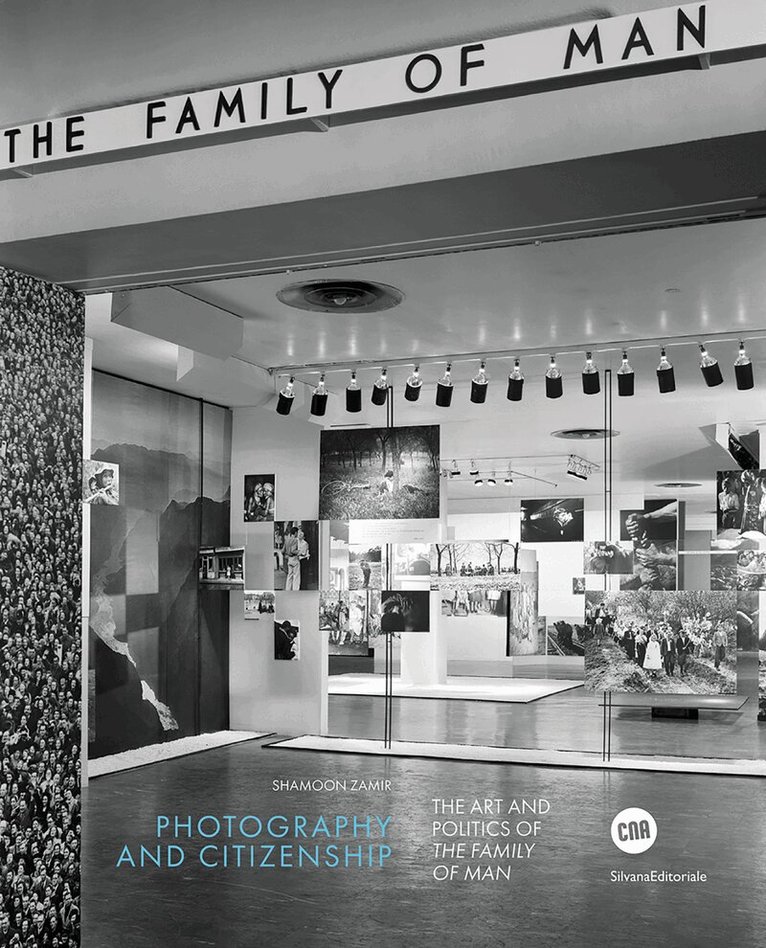
Photography and Citizenship
The Art and Politics of The Family of Man
Av Shamoon Zamir, Shamoon Zamir
Inbunden, 2026
662 kr
Lägg i varukorg
The Family of Man was the most artistically accomplished and, globally, the most widely seen visual articulation of an idea that had a special purchase on the imaginations of a large segment of the world’s citizenry in the ruinous wake of World War II: the idea of a common world in which the …
Gift of the Face
Portraiture and Time in Edward S. Curtis's The North American Indian
E-bok, 2014
315 kr
Lägg i varukorg
Edward S. Curtiss The North American Indian is the most ambitious photographic and ethnographic record of Native American cultures ever produced. Published between 1907 and 1930 as a series of twenty volumes and portfolios, the work contains more than two thousand photographs intended to document …
Gift of the Face
Portraiture and Time in Edward S. Curtis''s The North American Indian
E-bok, 2014
1783 kr
Lägg i varukorg
Edward S. Curtis''s The North American Indian is the most ambitious photographic and ethnographic record of Native American cultures ever produced. Published between 1907 and 1930 as a series of twenty volumes and portfolios, the work contains more than two thousand photographs intended to document …
Family of Man Revisited
Photography in a Global Age
Av Gerd Hurm, Anke Reitz m. fl.
Inbunden, 2017
1628 kr
Tillfälligt slut
The Family of Man is the most widely seen exhibition in the history of photography. The book of the exhibition, still in print, is also the most commercially successful photobook ever published. First shown at the Museum of Modern Art in New York in 1955, the exhibition travelled throughout the …