Shane Doyle – författare
Visar alla böcker från författaren Shane Doyle. Handla med fri frakt och snabb leverans.
4 produkter
4 produkter
1 594 kr
Skickas inom 7-10 vardagar
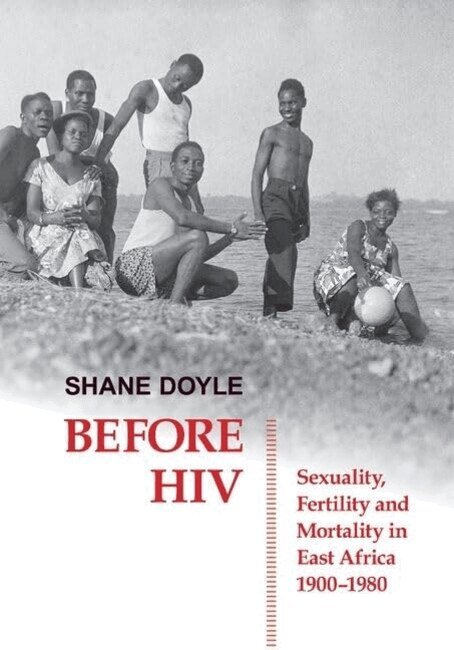
This book addresses two of the most important questions in modern African history: the causes of rapid population growth, and the origins of the HIV pandemic. It examines three societies on the Uganda-Tanzania border whose distinctive histories shed new light on both of these phenomena. This was the region where HIV in Africa first became a mass rural epidemic, and also where HIV infection rates first began to decline significantly.Before HIV argues that only by analysing the long history of changes in sexual behaviour and attitudes can the shape of Africa's regional epidemics be fully understood. It traces the emergence of the sexual culture which permitted HIV to spread so quickly during the late 1970s and 1980s back to the middle decades of the twentieth century, a period when new patterns of socialization and sexual networking became established. The case studies examined in this book also provide new insights into the relationship between economic and social development and trends in fertility and mortality during the twentieth century. These three societies experienced the onset of rapid population growth at different moments and for different reasons, but in each case study area the key mechanisms appear to have been a decline in child mortality, a shortening of birth intervals, and a marked decline in primary and secondary sterility.
579 kr
Skickas inom 3-6 vardagar
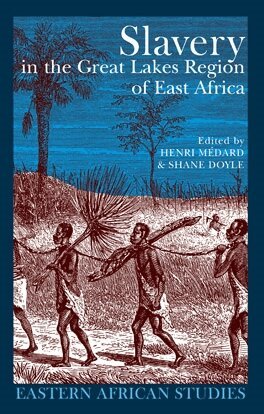
Slavery in the Great Lakes Region of East Africa is a collection of ten studies by the most prominent historians of the region. Slavery was more important in the Great Lakes region of Eastern Africa than often has been assumed, and Africans from the interior played a more complex role than was previously recognized. The essays in this collection reveal the connections between the peoples of the region as well as their encounters with the conquering Europeans. The contributors challenge the assertion that domestic slavery increased in Africa as a result of the international trade. Slavery in this region was not a uniform phenomenon and the line between enslaved and non-slave labor was fine. Kinship ties could mark the difference between free and unfree labor. Social categories were not always clear-cut and the status of a slave could change within a lifetime.Contents:- Introduction by Henri Médard- Language Evidence of Slavery to the Eighteenth Century by David Schoenbrun- The Rise of Slavery & Social Change in Unyamwezi 1860–1900 by Jan-Georg Deutsch- Slavery & Forced Labour in the Eastern Congo 1850–1910 by David Northrup- Legacies of Slavery in North West Uganda 'The One-Elevens' by Mark Leopold- Human Booty in Buganda: The Seizure of People in War, c.1700–c.1900 by Richard Reid- Stolen People & Autonomous Chiefs in Nineteenth-Century Buganda by Holly Hanson- Women's Experiences of Slavery in Late Nineteenth- & Early Twentieth-Century Uganda by Michael W. Tuck- Slavery & Social Oppression in Ankole 1890–1940 by Edward I. Steinhart- The Slave Trade in Burundi & Rwanda at the Beginning of German Colonisation 1890–1906 by Jean-Pierre Chretien- Bunyoro & the Demography of Slavery Debate by Shane Doyle
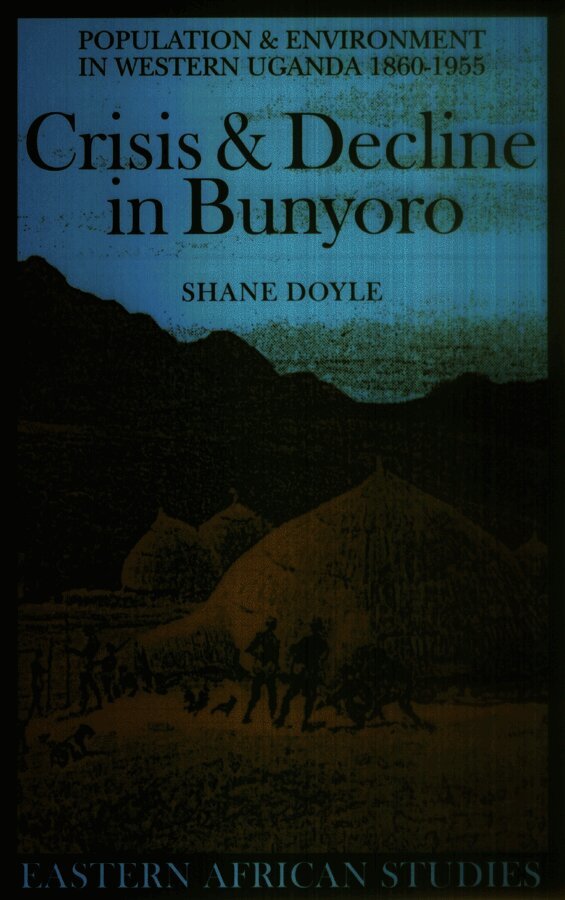
Crisis and Decline in Bunyoro
Population and Environment in Western Uganda 1860-1955
Häftad, Engelska, 2006
350 kr
Skickas inom 10-15 vardagar
Examines one society's reaction to a period of prolonged, rapid population decline, a trauma that seems likely to become ever more common in African in years to come.Colonial rule triggered rapid population growth in most of Africa. Why then did Bunyoro suffer exceptionally low levels of fertility and high levels of mortality right through the colonial period? The crucial event was the invasion of Bunyoro by British forces in 1893. By 1899, when her resistance was finally broken, much of Bunyoro's best rangeland had been transferred to her neighbours, and what remained of the kingdom was largely depopulated and overrunby disease-bearing insects and game.As a consequence of this ecological disaster Bunyoro had the lowest livestock levels in colonial East Africa. The lack of livestock lay at the heart of the problems of malnutrition, low marriage rates, poverty and emigration that, in combination with high rates of sexually transmitted diseases, obstructed Bunyoro's demographic recovery for half a century.This book addresses a number of issues of contemporaryrelevance. It considers the conflict between traditional African rulers and the modern state, the relationship between demography and environmental change, the history of the STDs, and the impact of cash-cropping on rural inequality.SHANE DOYLE is a Lecturer in History at Leeds UniversityPublished in association with The British Institute in Eastern AfricaNorth America: Ohio U Press; Uganda: Fountain Publishers; Kenya: EAEP
345 kr
Skickas inom 7-10 vardagar
Examines slavery in the Great Lakes region and the complex role of Africans from the interior in the trade.Slavery was more important in the Great Lakes region than often has been assumed and Africans from the interior played a more complex role than was previously recognised.These ten 10 studies by the most prominent historiansof the region. They reveal the connections between the peoples of the region as well as their encounters with conquering Europeans.Slavery was not a uniform phenomenon and the line between enslaved and non-slave labour was fine.This book challenges the assertion that domestic slavery increased in Africa as the result of the international trade.HENRI MEDARD is a Lecturer in History at the University of Paris I Pantheon Sorbonne and Cemaj;SHANE DOYLE is a Lecturer in History at Leeds UniversityContributors include: DAVID SCHOENBRUN, JAN-GEORG DEUTSCH, MARK LEOPOLD, RICHARD REID, HOLLY HANSON, EDWARD I. STEINHART, JEAN-PIERRE CHRETIEN & SHANE DOYLENorth America: Ohio U Press; Uganda: Fountain Publishers; Kenya: EAEP