Shannon Lee Dawdy - Böcker
Visar alla böcker från författaren Shannon Lee Dawdy. Handla med fri frakt och snabb leverans.
7 produkter
7 produkter
779 kr
Tillfälligt slut
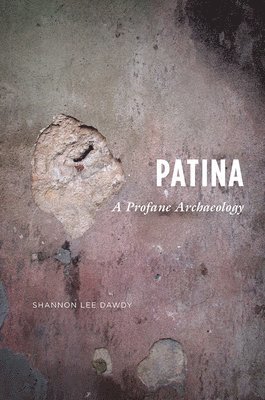
When Hurricane Katrina struck New Orleans, the world reacted with shock on seeing residents of this distinctive city left abandoned to the floodwaters. After the last rescue was completed, a new worry arose—that New Orleans’s unique historic fabric sat in ruins, and we had lost one of the most charming old cities of the New World. In Patina, anthropologist Shannon Lee Dawdy examines what was lost and found through the destruction of Hurricane Katrina. Tracking the rich history and unique physicality of New Orleans, she explains how it came to adopt the nickname “the antique city.” With innovative applications of thing theory, Patina studies the influence of specific items—such as souvenirs, heirlooms, and Hurricane Katrina ruins—to explore how the city’s residents use material objects to comprehend time, history, and their connection to one another. A leading figure in archaeology of the contemporary, Dawdy draws on material evidence, archival and literary texts, and dozens of post-Katrina interviews to explore how the patina aesthetic informs a trenchant political critique. An intriguing study of the power of everyday objects, Patina demonstrates how sharing in the care of a historic landscape can unite a city’s population—despite extreme divisions of class and race—and inspire civil camaraderie based on a nostalgia that offers not a return to the past but an alternative future.
250 kr
Skickas inom 7-10 vardagar
When Hurricane Katrina struck New Orleans, the world reacted with shock on seeing residents of this distinctive city left abandoned to the floodwaters. After the last rescue was completed, a new worry arose—that New Orleans’s unique historic fabric sat in ruins, and we had lost one of the most charming old cities of the New World. In Patina, anthropologist Shannon Lee Dawdy examines what was lost and found through the destruction of Hurricane Katrina. Tracking the rich history and unique physicality of New Orleans, she explains how it came to adopt the nickname “the antique city.” With innovative applications of thing theory, Patina studies the influence of specific items—such as souvenirs, heirlooms, and Hurricane Katrina ruins—to explore how the city’s residents use material objects to comprehend time, history, and their connection to one another. A leading figure in archaeology of the contemporary, Dawdy draws on material evidence, archival and literary texts, and dozens of post-Katrina interviews to explore how the patina aesthetic informs a trenchant political critique. An intriguing study of the power of everyday objects, Patina demonstrates how sharing in the care of a historic landscape can unite a city’s population—despite extreme divisions of class and race—and inspire civil camaraderie based on a nostalgia that offers not a return to the past but an alternative future.
227 kr
Skickas inom 7-10 vardagar
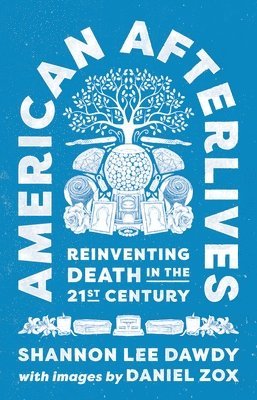
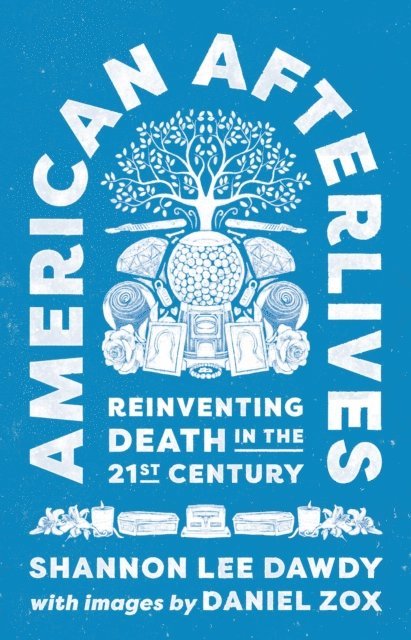
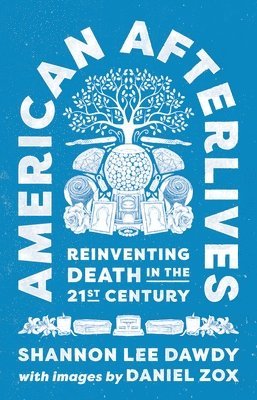
A mesmerizing trip across America to investigate the changing face of death in contemporary lifeDeath in the United States is undergoing a quiet revolution. You can have your body frozen, dissected, composted, dissolved, or tanned. Your family can incorporate your remains into jewelry, shotgun shells, paperweights, and artwork. Cremations have more than doubled, and DIY home funerals and green burials are on the rise. American Afterlives is Shannon Lee Dawdy’s lyrical and compassionate account of changing death practices in America as people face their own mortality and search for a different kind of afterlife.As an anthropologist and archaeologist, Dawdy knows that how a society treats its dead yields powerful clues about its beliefs and values. As someone who has experienced loss herself, she knows there is no way to tell this story without also reexamining her own views about death and dying. In this meditative and gently humorous book, Dawdy embarks on a transformative journey across the United States, talking to funeral directors, death-care entrepreneurs, designers, cemetery owners, death doulas, and ordinary people from all walks of life. What she discovers is that, by reinventing death, Americans are reworking their ideas about personhood, ritual, and connection across generations. She also confronts the seeming contradiction that American death is becoming at the same time more materialistic and more spiritual.Written in conjunction with a documentary film project, American Afterlives features images by cinematographer Daniel Zox that provide their own testament to our rapidly changing attitudes toward death and the afterlife.
164 kr
Skickas inom 7-10 vardagar
A mesmerizing trip across America to investigate the changing face of death in contemporary lifeDeath in the United States is undergoing a quiet revolution. You can have your body frozen, dissected, composted, dissolved, or tanned. Your family can incorporate your remains into jewelry, shotgun shells, paperweights, and artwork. Cremations have more than doubled, and DIY home funerals and green burials are on the rise. American Afterlives is Shannon Lee Dawdy’s lyrical and compassionate account of changing death practices in America as people face their own mortality and search for a different kind of afterlife.As an anthropologist and archaeologist, Dawdy knows that how a society treats its dead yields powerful clues about its beliefs and values. As someone who has experienced loss herself, she knows there is no way to tell this story without also reexamining her own views about death and dying. In this meditative and gently humorous book, Dawdy embarks on a transformative journey across the United States, talking to funeral directors, death-care entrepreneurs, designers, cemetery owners, death doulas, and ordinary people from all walks of life. What she discovers is that, by reinventing death, Americans are reworking their ideas about personhood, ritual, and connection across generations. She also confronts the seeming contradiction that American death is becoming at the same time more materialistic and more spiritual.Written in conjunction with a documentary film project, American Afterlives features images by cinematographer Daniel Zox that provide their own testament to our rapidly changing attitudes toward death and the afterlife.
665 kr
Skickas inom 3-6 vardagar
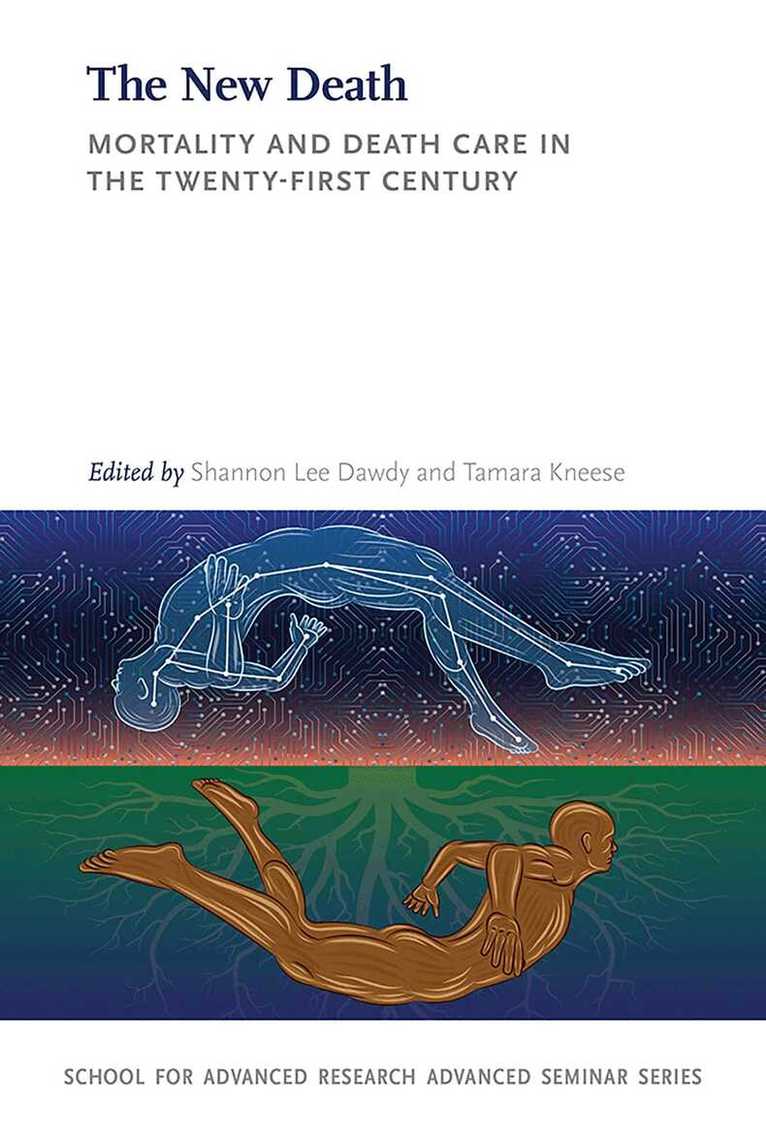
The New Death brings together scholars who are intrigued by today's rapidly changing death practices and attitudes. New and different ways of treating the body and memorializing the dead are proliferating across global cities. Using ethnographic, historical, and media-based approaches, the contributors to this volume focus on new attitudes and practices around mortality and mourning--from the possibilities of digitally enhanced afterlives to industrialized "necro-waste," the ethics of care, the meaning of secular rituals, and the political economy of death. Together, the chapters coalesce around the argument that there are two major currents running through the new death--reconfigurations of temporality and of intimacy. Pushing back against the folklorization endemic to anthropological studies of death practices and the whiteness of death studies as a field, the chapters strive to override divisions between the Global South and the Anglophone world, focusing instead on syncretization, globalization, and magic within the mundane.
593 kr
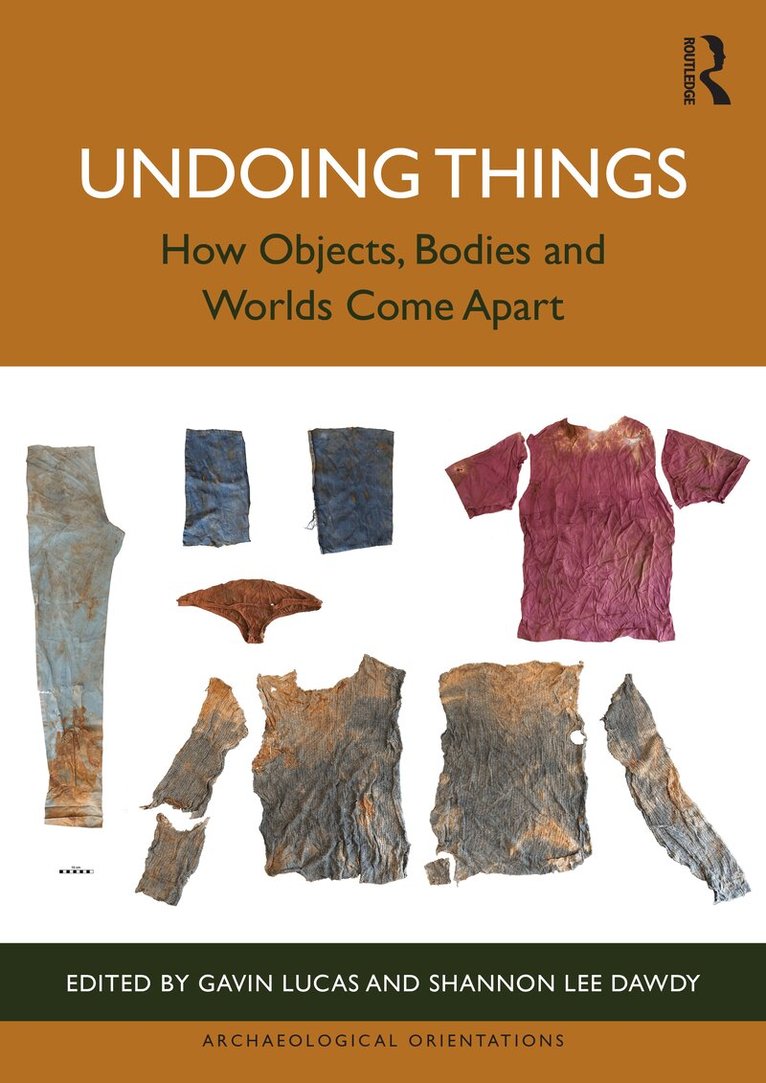
Undoing Things explores all the ways in which things become undone, be they objects, bodies, places, or worlds.Although archaeologists have long attended to the productive dimensions of materiality and material culture as a coherent phenomenon—making objects, building things, constructing identities—the discourse around undoing is more fragmented. Topics such as ruination, death, decay, demolition, and collapse are usually examined separately. Undoing Things asks what connections or continuities can be discerned in a diverse range of practices, both intentional and taphonomic, both destructive and healing. Is there a creative component to undoing? How visible are different processes of undoing? How is time implicated? Is undoing reversible? Who has the power to undo and when is undoing empowering? What does it take to undo knowledge? These and other questions are examined through archaeological studies ranging from classical Maya and colonial Caribbean examples to present-day Liberia, historical and ethnographic approaches to present-day Argentina, and the contemporary art world.In the first quarter of the 21st century, human worlds have experienced a series of ruptures from climate-related disasters, political violence, and the Covid-19 pandemic. Undoing Things helps move us beyond a cloud of chaos with a deeper understanding of how and why things fall apart and is vital reading for archaeologists and those in related disciplines.
2 150 kr
Skickas inom 10-15 vardagar
Undoing Things explores all the ways in which things become undone, be they objects, bodies, places, or worlds.Although archaeologists have long attended to the productive dimensions of materiality and material culture as a coherent phenomenon—making objects, building things, constructing identities—the discourse around undoing is more fragmented. Topics such as ruination, death, decay, demolition, and collapse are usually examined separately. Undoing Things asks what connections or continuities can be discerned in a diverse range of practices, both intentional and taphonomic, both destructive and healing. Is there a creative component to undoing? How visible are different processes of undoing? How is time implicated? Is undoing reversible? Who has the power to undo and when is undoing empowering? What does it take to undo knowledge? These and other questions are examined through archaeological studies ranging from classical Maya and colonial Caribbean examples to present-day Liberia, historical and ethnographic approaches to present-day Argentina, and the contemporary art world.In the first quarter of the 21st century, human worlds have experienced a series of ruptures from climate-related disasters, political violence, and the Covid-19 pandemic. Undoing Things helps move us beyond a cloud of chaos with a deeper understanding of how and why things fall apart and is vital reading for archaeologists and those in related disciplines.