Shao-yun Yang – författare
Visar alla böcker från författaren Shao-yun Yang. Handla med fri frakt och snabb leverans.
8 produkter
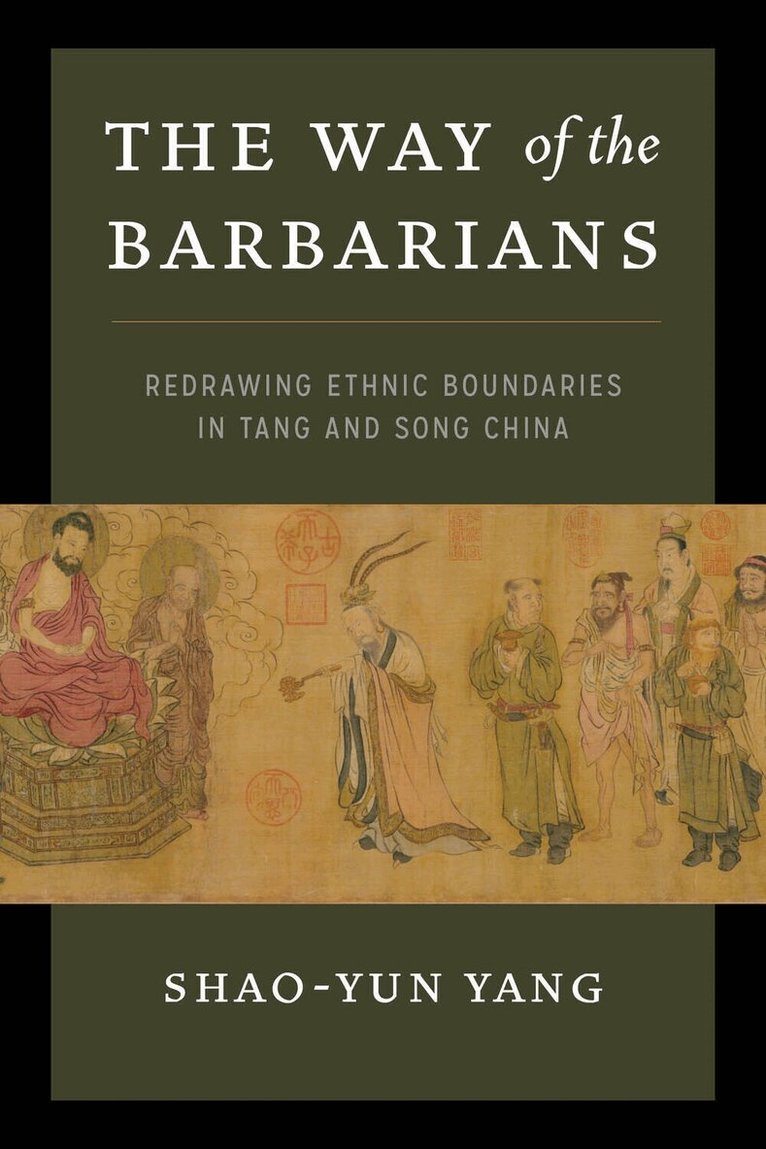
Way of the Barbarians
Redrawing Ethnic Boundaries in Tang and Song China
Häftad, 2019
477 kr
Lägg i varukorg
Shao-yun Yang challenges assumptions that the cultural and socioeconomic watershed of the Tang-Song transition (800–1127 CE) was marked by a xenophobic or nationalist hardening of ethnocultural boundaries in response to growing foreign threats. In that period, reinterpretations of Chineseness and …
Early Tang China and the World, 618-750 CE
E-bok, 2023
303 kr
Lägg i varukorg
For about half a century, the Tang dynasty has held a reputation as the most ''cosmopolitan'' period in Chinese history, marked by unsurpassed openness to foreign peoples and cultures and active promotion of international trade. Heavily influenced by Western liberal ideals and contemporary China''s …
Early Tang China and the World, 618-750 CE
E-bok, 2023
303 kr
Lägg i varukorg
For about half a century, the Tang dynasty has held a reputation as the most ''cosmopolitan'' period in Chinese history, marked by unsurpassed openness to foreign peoples and cultures and active promotion of international trade. Heavily influenced by Western liberal ideals and contemporary China''s …
Early Tang China and the World, 618-750 CE
Häftad, 2023
418 kr
Lägg i varukorg
For about half a century, the Tang dynasty has held a reputation as the most 'cosmopolitan' period in Chinese history, marked by unsurpassed openness to foreign peoples and cultures and active promotion of international trade. Heavily influenced by Western liberal ideals and contemporary China's …
Late Tang China and the World, 750-907 CE
Häftad, 2023
418 kr
Lägg i varukorg
In recent decades, the Tang dynasty (618-907) has acquired a reputation as the most 'cosmopolitan' period in Chinese history. The standard narrative also claims that this cosmopolitan openness faded after the An Lushan Rebellion of 755-763, to be replaced by xenophobic hostility toward all things …
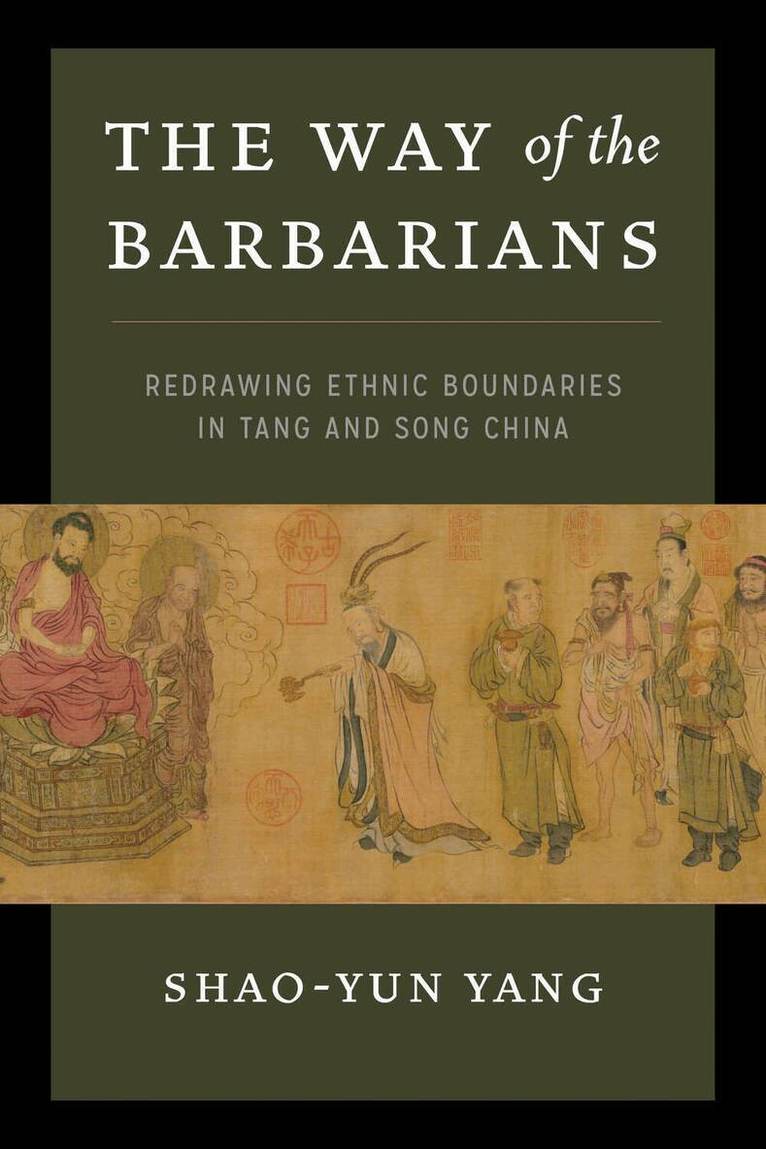
Way of the Barbarians
Redrawing Ethnic Boundaries in Tang and Song China
Inbunden, 2019
1916 kr
Tillfälligt slut
Shao-yun Yang challenges assumptions that the cultural and socioeconomic watershed of the Tang-Song transition (800–1127 CE) was marked by a xenophobic or nationalist hardening of ethnocultural boundaries in response to growing foreign threats. In that period, reinterpretations of Chineseness and …