Shari M. Huhndorf - Böcker
Visar alla böcker från författaren Shari M. Huhndorf. Handla med fri frakt och snabb leverans.
8 produkter
8 produkter
776 kr
Skickas inom 7-10 vardagar
Native Lands analyzes the role of visual and literary culture in contemporary Indigenous campaigns for territorial rights. In the post-1960s era, Indigenous artists and writers have created works that align with the goals and strategies of new Native land-based movements. These works represent Native histories and epistemologies in ways that complement activist endeavors, while also probing the limits of these political projects, especially with regard to gender. The social marginalization of Native women was integral to dispossession. And yet its enduring consequences have remained largely neglected, even in Native organizing, as a pressing concern associated with the status of Indigenous people in settler nation-states. The cultural works discussed in this book provide an urgent Indigenous feminist rethinking of Native politics that exposes the innate gendered dimensions of ongoing settler colonialism. They insist that Indigenous campaigns for territorial rights must entail gender justice for Native women.
250 kr
Skickas inom 7-10 vardagar
Native Lands analyzes the role of visual and literary culture in contemporary Indigenous campaigns for territorial rights. In the post-1960s era, Indigenous artists and writers have created works that align with the goals and strategies of new Native land-based movements. These works represent Native histories and epistemologies in ways that complement activist endeavors, while also probing the limits of these political projects, especially with regard to gender. The social marginalization of Native women was integral to dispossession. And yet its enduring consequences have remained largely neglected, even in Native organizing, as a pressing concern associated with the status of Indigenous people in settler nation-states. The cultural works discussed in this book provide an urgent Indigenous feminist rethinking of Native politics that exposes the innate gendered dimensions of ongoing settler colonialism. They insist that Indigenous campaigns for territorial rights must entail gender justice for Native women.
1 107 kr
Skickas inom 7-10 vardagar
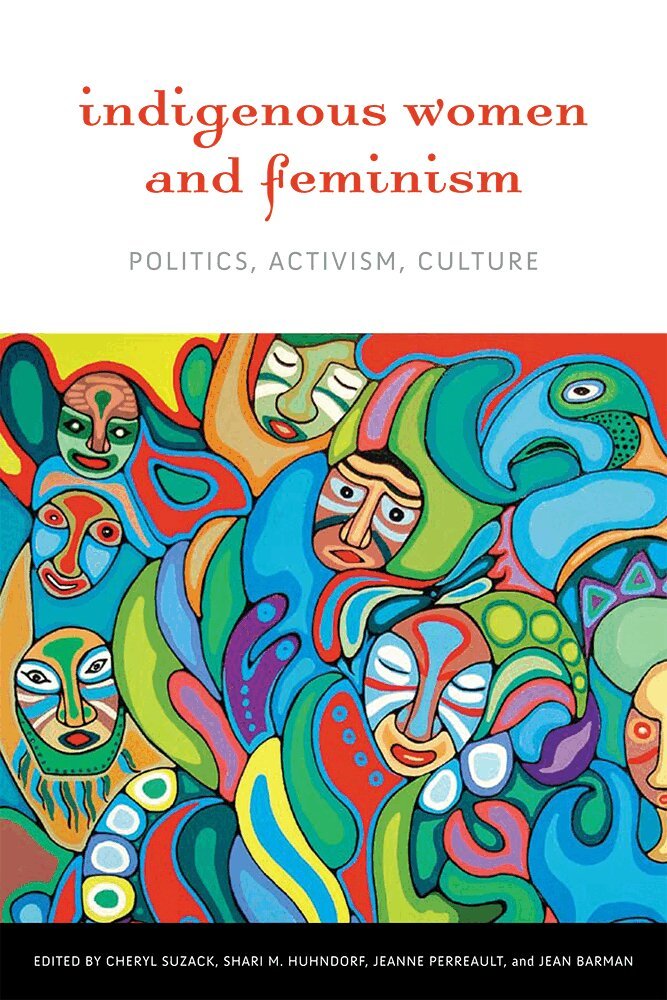
Can the specific concerns of Indigenous women be addressed within current mainstream feminist and post-colonial discussions? Indigenous Women and Feminism: Politics, Activism, Culture proposes that a dynamic new line of inquiry – Indigenous feminism – is necessary to truly engage with the crucial issues of cultural identity, nationalism, and decolonization particular to Indigenous contexts.Through the lenses of politics, activism, and culture, the questions at the heart of this collection – What is at stake in conceptualizing Indigenous feminism? How does feminism relate to Indigenous claims to land and sovereignty? What lessons can we learn from the past? How do Indigenous women engage ongoing violence and social and political marginalization? – cross disciplinary, national, academic, and activist boundaries to explore deeply the unique political and social positions of Indigenous women.A vital and sophisticated discussion, these timely essays will change the way we think about modern feminism and Indigenous women.
387 kr
Skickas inom 7-10 vardagar
This wide-ranging collection examines the historical roles of Indigenous women, their intellectual and activist work, and the relevance of contemporary literature, art, and performance for an emerging Indigenous feminist project.
1 548 kr
Skickas inom 10-15 vardagar
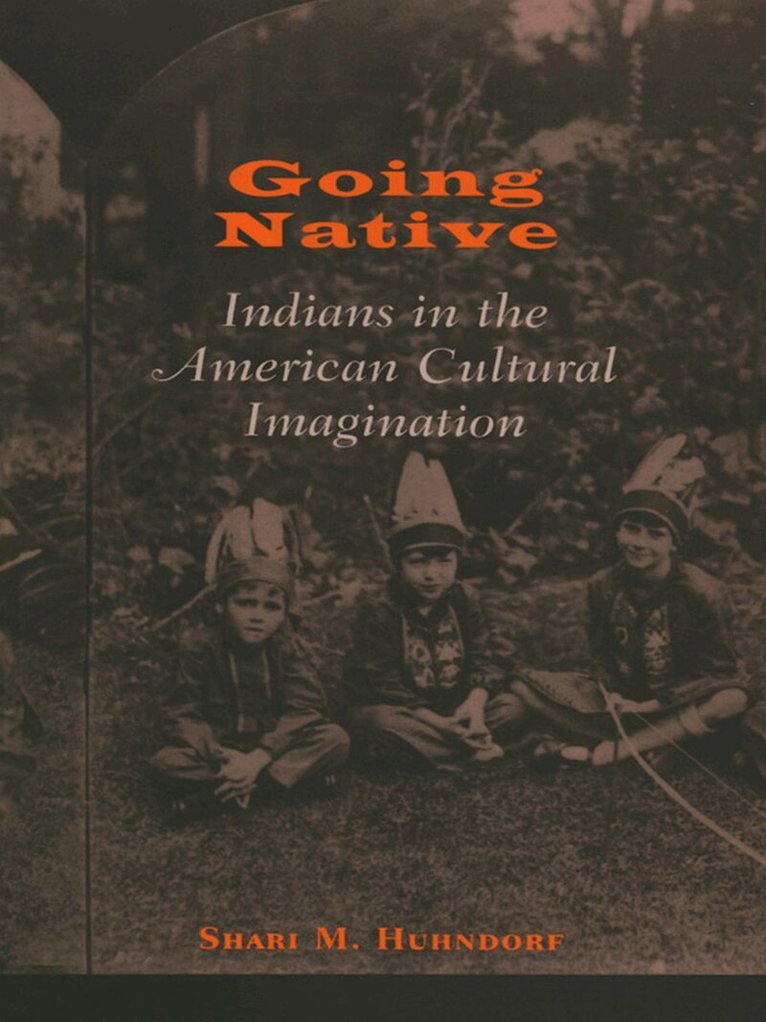
Since the 1800's, many European Americans have relied on Native Americans as models for their own national, racial, and gender identities. Displays of this impulse include world's fairs, fraternal organizations, and films such as Dances with Wolves. Shari M. Huhndorf uses cultural artifacts such as these to examine the phenomenon of "going native," showing its complex relations to social crises in the broader American society—including those posed by the rise of industrial capitalism, the completion of the military conquest of Native America, and feminist and civil rights activism.Huhndorf looks at several modern cultural manifestations of the desire of European Americans to emulate Native Americans. Some are quite pervasive, as is clear from the continuing, if controversial, existence of fraternal organizations for young and old which rely upon "Indian" costumes and rituals. Another fascinating example is the process by which Arctic travelers "went Eskimo," as Huhndorf describes in her readings of Robert Flaherty's travel narrative, My Eskimo Friends, and his documentary film, Nanook of the North. Huhndorf asserts that European Americans' appropriation of Native identities is not a thing of the past, and she takes a skeptical look at the "tribes" beloved of New Age devotees.Going Native shows how even seemingly harmless images of Native Americans can articulate and reinforce a range of power relations including slavery, patriarchy, and the continued oppression of Native Americans. Huhndorf reconsiders the cultural importance and political implications of the history of the impersonation of Indian identity in light of continuing debates over race, gender, and colonialism in American culture.
Mapping the Americas
The Transnational Politics of Contemporary Native Culture
Inbunden, Engelska, 2009
486 kr
Skickas inom 10-15 vardagar
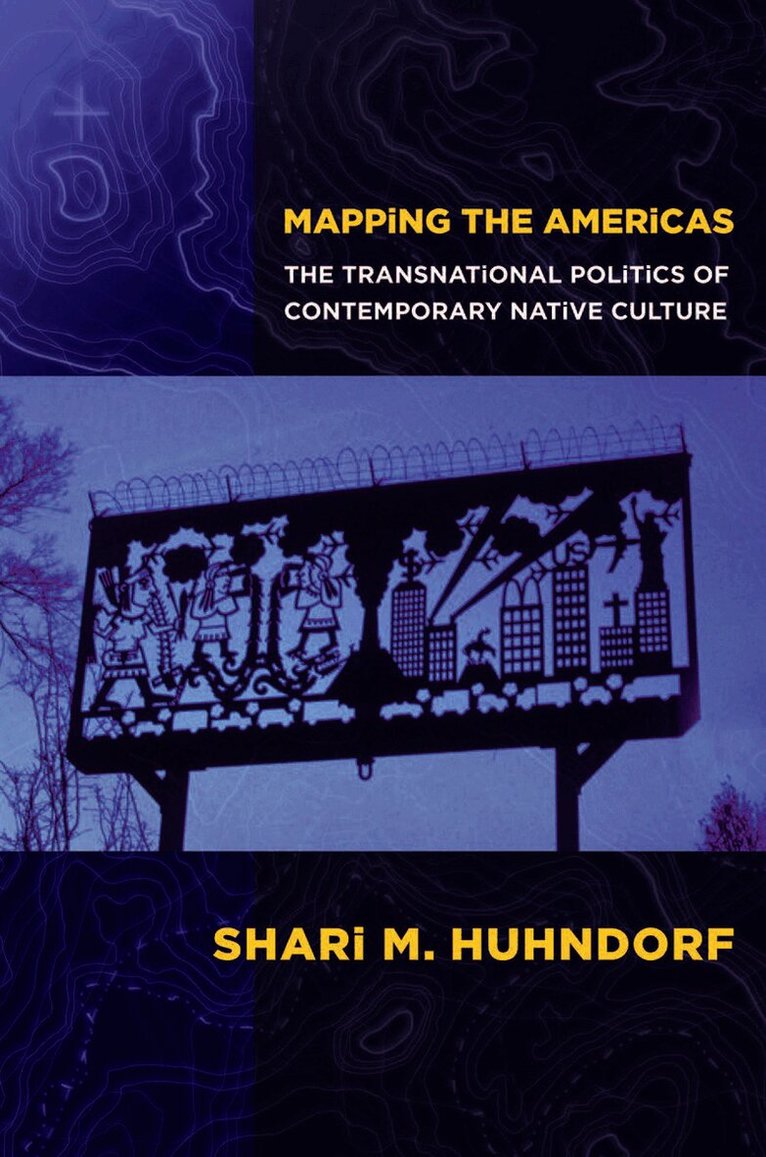
In Mapping the Americas, Shari M. Huhndorf tracks changing conceptions of Native culture as it increasingly transcends national boundaries and takes up vital concerns such as patriarchy, labor and environmental exploitation, the emergence of pan-Native urban communities, global imperialism, and the commodification of indigenous cultures. While nationalism remains a dominant anticolonial strategy in indigenous contexts, Huhndorf examines the ways in which transnational indigenous politics have reshaped Native culture (especially novels, films, photography, and performance) in the United States and Canada since the 1980s. Mapping the Americas thus broadens the political paradigms that have dominated recent critical work in Native studies as well as the geographies that provide its focus, particularly through its engagement with the Arctic. Among the manifestations of these new tendencies in Native culture that Huhndorf presents are Igloolik Isuma Productions, the Inuit company that has produced nearly forty films, including Atanarjuat, The Fast Runner; indigenous feminist playwrights; Leslie Marmon Silko's Almanac of the Dead; and the multimedia artist Shelley Niro.Huhndorf also addresses the neglect of Native America by champions of "postnationalist" American studies, which shifts attention away from ongoing colonial relationships between the United States and indigenous communities within its borders to U.S. imperial relations overseas. This is a dangerous oversight, Huhndorf argues, because this neglect risks repeating the disavowal of imperialism that the new American studies takes to task. Parallel transnational tendencies in American studies and Native American studies have thus worked at cross-purposes: as pan-tribal alliances draw attention to U.S. internal colonialism and its connections to global imperialism, American studies deflects attention from these ongoing processes of conquest. Mapping the Americas addresses this neglect by considering what happens to American studies when you put Native studies at the center.
366 kr
Skickas inom 10-15 vardagar
Since the 1800's, many European Americans have relied on Native Americans as models for their own national, racial, and gender identities. Displays of this impulse include world's fairs, fraternal organizations, and films such as Dances with Wolves. Shari M. Huhndorf uses cultural artifacts such as these to examine the phenomenon of "going native," showing its complex relations to social crises in the broader American society—including those posed by the rise of industrial capitalism, the completion of the military conquest of Native America, and feminist and civil rights activism.Huhndorf looks at several modern cultural manifestations of the desire of European Americans to emulate Native Americans. Some are quite pervasive, as is clear from the continuing, if controversial, existence of fraternal organizations for young and old which rely upon "Indian" costumes and rituals. Another fascinating example is the process by which Arctic travelers "went Eskimo," as Huhndorf describes in her readings of Robert Flaherty's travel narrative, My Eskimo Friends, and his documentary film, Nanook of the North. Huhndorf asserts that European Americans' appropriation of Native identities is not a thing of the past, and she takes a skeptical look at the "tribes" beloved of New Age devotees.Going Native shows how even seemingly harmless images of Native Americans can articulate and reinforce a range of power relations including slavery, patriarchy, and the continued oppression of Native Americans. Huhndorf reconsiders the cultural importance and political implications of the history of the impersonation of Indian identity in light of continuing debates over race, gender, and colonialism in American culture.
239 kr
Skickas inom 10-15 vardagar
In Mapping the Americas, Shari M. Huhndorf tracks changing conceptions of Native culture as it increasingly transcends national boundaries and takes up vital concerns such as patriarchy, labor and environmental exploitation, the emergence of pan-Native urban communities, global imperialism, and the commodification of indigenous cultures. While nationalism remains a dominant anticolonial strategy in indigenous contexts, Huhndorf examines the ways in which transnational indigenous politics have reshaped Native culture (especially novels, films, photography, and performance) in the United States and Canada since the 1980s. Mapping the Americas thus broadens the political paradigms that have dominated recent critical work in Native studies as well as the geographies that provide its focus, particularly through its engagement with the Arctic. Among the manifestations of these new tendencies in Native culture that Huhndorf presents are Igloolik Isuma Productions, the Inuit company that has produced nearly forty films, including Atanarjuat, The Fast Runner; indigenous feminist playwrights; Leslie Marmon Silko's Almanac of the Dead; and the multimedia artist Shelley Niro.Huhndorf also addresses the neglect of Native America by champions of "postnationalist" American studies, which shifts attention away from ongoing colonial relationships between the United States and indigenous communities within its borders to U.S. imperial relations overseas. This is a dangerous oversight, Huhndorf argues, because this neglect risks repeating the disavowal of imperialism that the new American studies takes to task. Parallel transnational tendencies in American studies and Native American studies have thus worked at cross-purposes: as pan-tribal alliances draw attention to U.S. internal colonialism and its connections to global imperialism, American studies deflects attention from these ongoing processes of conquest. Mapping the Americas addresses this neglect by considering what happens to American studies when you put Native studies at the center.