Sharla M. Fett – författare
Visar alla böcker från författaren Sharla M. Fett. Handla med fri frakt och snabb leverans.
10 produkter
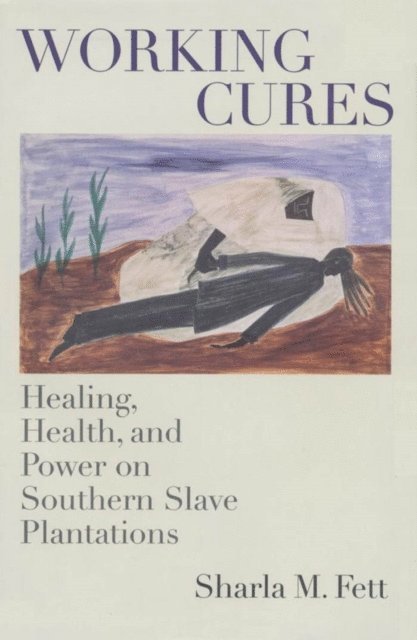
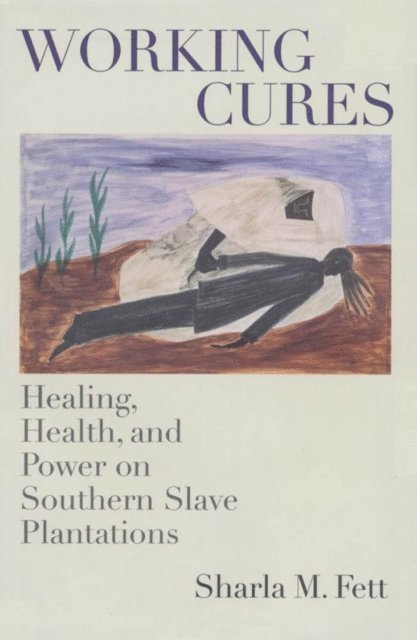
Working Cures
Healing, Health, and Power on Southern Slave Plantations
Häftad, 2002
516 kr
Lägg i varukorg
Exploring the charged topic of black health under slavery, Sharla Fett reveals how herbalism, conjuring, midwifery, and other African American healing practices became arts of resistance in the antebellum South. Fett shows how enslaved men and women drew on African and Caribbean precedents to …
Working Cures
Healing, Health, and Power on Southern Slave Plantations
E-bok, 2000
402 kr
Lägg i varukorg
Exploring the charged topic of black health under slavery, Sharla Fett reveals how herbalism, conjuring, midwifery, and other African American healing practices became arts of resistance in the antebellum South. Fett shows how enslaved men and women drew on African precedents to develop a view of …
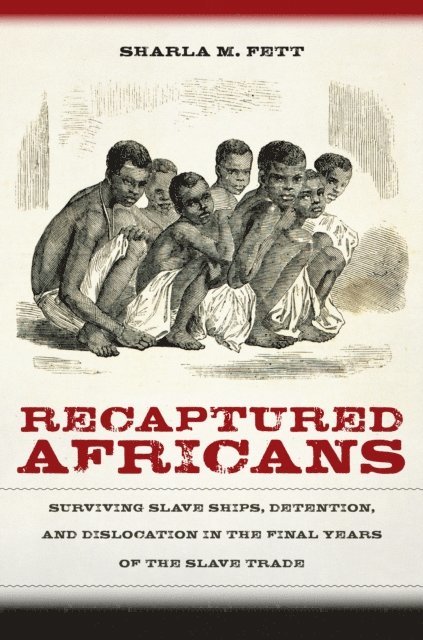
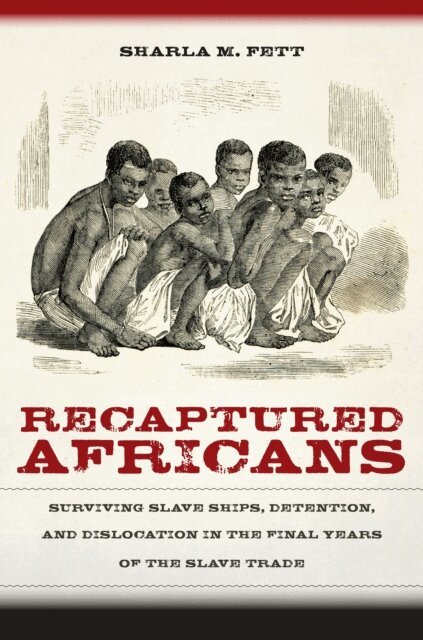
Recaptured Africans
Surviving Slave Ships, Detention, and Dislocation in the Final Years of the Slave Trade
E-bok, 2016
415 kr
Lägg i varukorg
In the years just before the Civil War, during the most intensive phase of American slave-trade suppression, the U.S. Navy seized roughly 2,000 enslaved Africans from illegal slave ships and brought them into temporary camps at Key West and Charleston. In this study, Sharla Fett reconstructs the …
Recaptured Africans
Surviving Slave Ships, Detention, and Dislocation in the Final Years of the Slave Trade
E-bok, 2017
2181 kr
Lägg i varukorg
In the years just before the Civil War, during the most intensive phase of American slave-trade suppression, the U.S. Navy seized roughly 2,000 enslaved Africans from illegal slave ships and brought them into temporary camps at Key West and Charleston. In this study, Sharla Fett reconstructs the …
Recaptured Africans
Surviving Slave Ships, Detention, and Dislocation in the Final Years of the Slave Trade
Häftad, 2018
416 kr
Lägg i varukorg
In the years just before the Civil War, during the most intensive phase of American slave-trade suppression, the U.S. Navy seized roughly 2,000 enslaved Africans from illegal slave ships and brought them into temporary camps at Key West and Charleston. In this study, Sharla Fett reconstructs the …
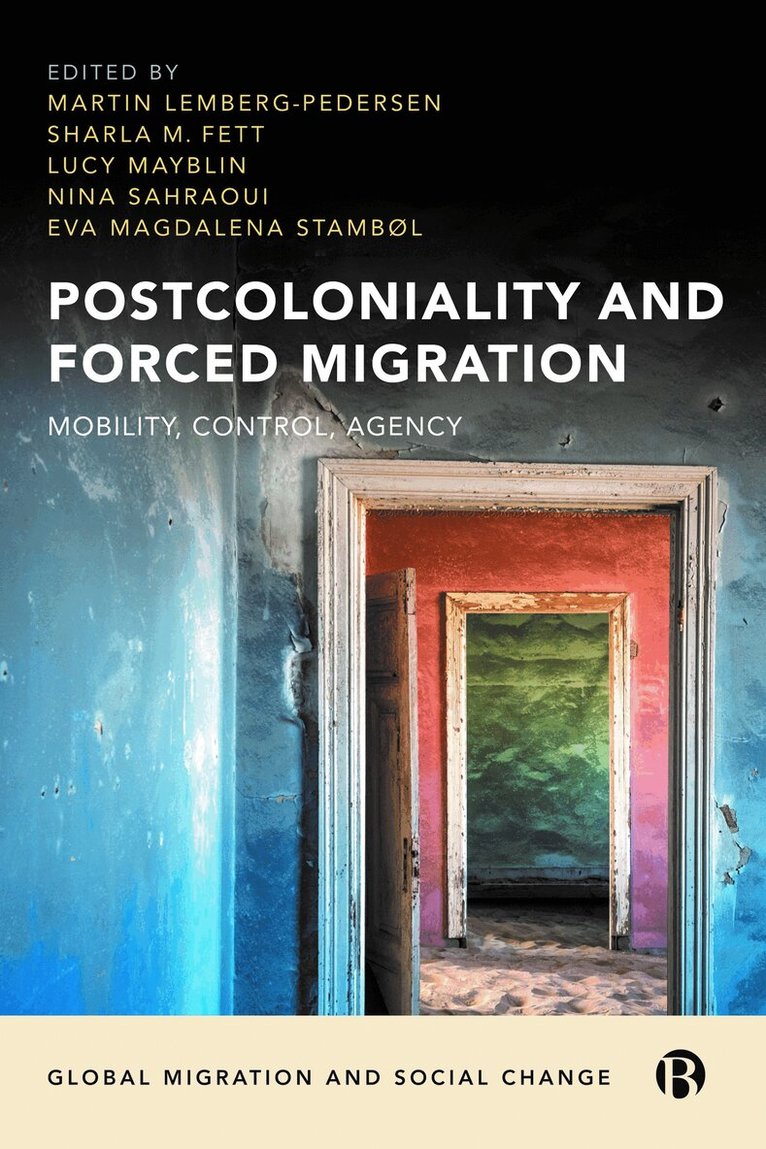
Postcoloniality and Forced Migration
Mobility, Control, Agency
Av Martin Lemberg-Pedersen, Sharla M. Fett m. fl.
Inbunden, 2022
1271 kr
Lägg i varukorg
This powerful book explicates the many ways in which colonial encounters continue to shape forced migration, ever evolving with times and various geographical contexts.Bringing historians, political scientists, sociologists, anthropologists and criminologists together, the book presents examples of …
Postcoloniality and Forced Migration
Mobility, Control, Agency
Av Eva Magdalena Stambol, Nina Sahraoui m. fl.
E-bok, 2022
447 kr
Lägg i varukorg
This powerful book explicates the many ways in which colonial encounters continue to shape forced migration, ever evolving with times and various geographical contexts. Bringing historians, political scientists, sociologists, anthropologists and criminologists together, the book presents examples …
Postcoloniality and Forced Migration
Mobility, Control, Agency
Av Eva Magdalena Stambol, Nina Sahraoui m. fl.
E-bok, 2022
1744 kr
Lägg i varukorg
This powerful book explicates the many ways in which colonial encounters continue to shape forced migration, ever evolving with times and various geographical contexts. Bringing historians, political scientists, sociologists, anthropologists and criminologists together, the book presents examples …
Working Cures
Healing, Health, and Power on Southern Slave Plantations
E-bok, 2000
410 kr
Lägg i varukorg
Exploring the charged topic of black health under slavery, Sharla Fett reveals how herbalism, conjuring, midwifery, and other African American healing practices became arts of resistance in the antebellum South. Fett shows how enslaved men and women drew on African precedents to develop a view of …
Recaptured Africans
Surviving Slave Ships, Detention, and Dislocation in the Final Years of the Slave Trade
E-bok, 2016
268 kr
Lägg i varukorg
In the years just before the Civil War, during the most intensive phase of American slave-trade suppression, the U.S. Navy seized roughly 2,000 enslaved Africans from illegal slave ships and brought them into temporary camps at Key West and Charleston. In this study, Sharla Fett reconstructs the …