Sharon E. Jarvis - Böcker
Visar alla böcker från författaren Sharon E. Jarvis. Handla med fri frakt och snabb leverans.
4 produkter
4 produkter
Del 17 - Rhetoric and Democratic Deliberation
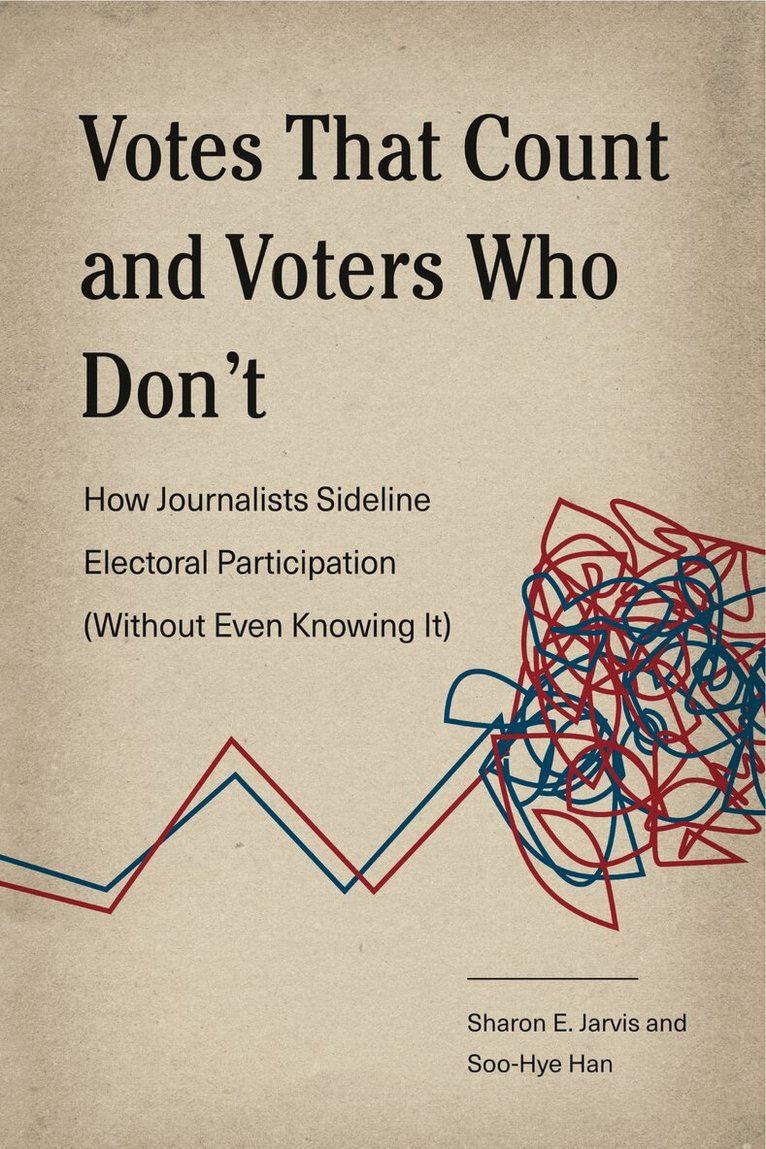
Votes That Count and Voters Who Don’t
How Journalists Sideline Electoral Participation (Without Even Knowing It)
Inbunden, Engelska, 2018
960 kr
Skickas inom 7-10 vardagar
For decades, journalists have called the winners of U.S. presidential elections—often in error—well before the closing of the polls. In Votes That Count and Voters Who Don’t, Sharon E. Jarvis and Soo-Hye Han investigate what motivates journalists to call elections before the votes have been tallied and, more importantly, what this and similar practices signal to the electorate about the value of voter participation.Jarvis and Han track how journalists have told the story of electoral participation during the last eighteen presidential elections, revealing how the portrayal of voters in the popular press has evolved over the last half century from that of mobilized partisan actors vital to electoral outcomes to that of pawns of political elites and captives of a flawed electoral system. The authors engage with experiments and focus groups to reveal the effects that these portrayals have on voters and share their findings in interviews with prominent journalists. Votes That Count and Voters Who Don’t not only explores the failings of the media but also shows how the story of electoral participation might be told in ways that support both democratic and journalistic values. At a time when professional strategists are pressuring journalists to provide favorable coverage for their causes and candidates, this book invites academics, organizations, the press, and citizens alike to advocate for the voter’s place in the news.
Del 17 - Rhetoric and Democratic Deliberation
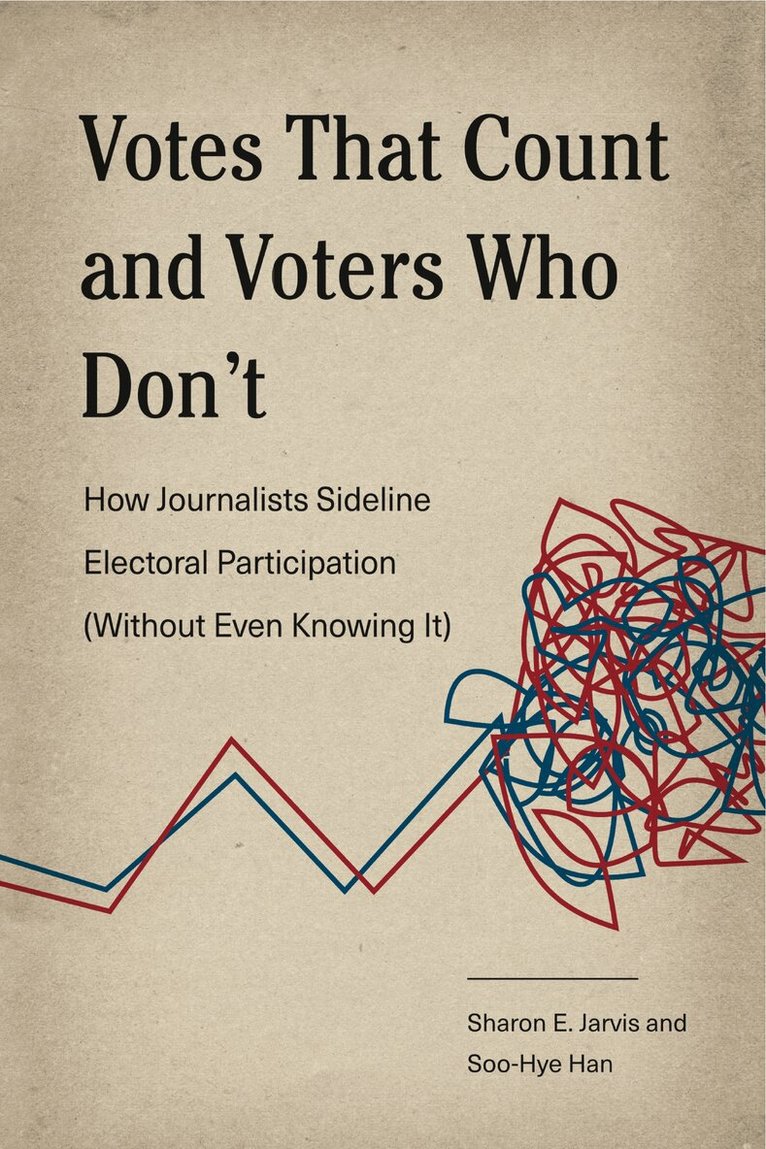
Votes That Count and Voters Who Don’t
How Journalists Sideline Electoral Participation (Without Even Knowing It)
Häftad, Engelska, 2018
384 kr
Skickas inom 7-10 vardagar
For decades, journalists have called the winners of U.S. presidential elections—often in error—well before the closing of the polls. In Votes That Count and Voters Who Don’t, Sharon E. Jarvis and Soo-Hye Han investigate what motivates journalists to call elections before the votes have been tallied and, more importantly, what this and similar practices signal to the electorate about the value of voter participation.Jarvis and Han track how journalists have told the story of electoral participation during the last eighteen presidential elections, revealing how the portrayal of voters in the popular press has evolved over the last half century from that of mobilized partisan actors vital to electoral outcomes to that of pawns of political elites and captives of a flawed electoral system. The authors engage with experiments and focus groups to reveal the effects that these portrayals have on voters and share their findings in interviews with prominent journalists. Votes That Count and Voters Who Don’t not only explores the failings of the media but also shows how the story of electoral participation might be told in ways that support both democratic and journalistic values. At a time when professional strategists are pressuring journalists to provide favorable coverage for their causes and candidates, this book invites academics, organizations, the press, and citizens alike to advocate for the voter’s place in the news.
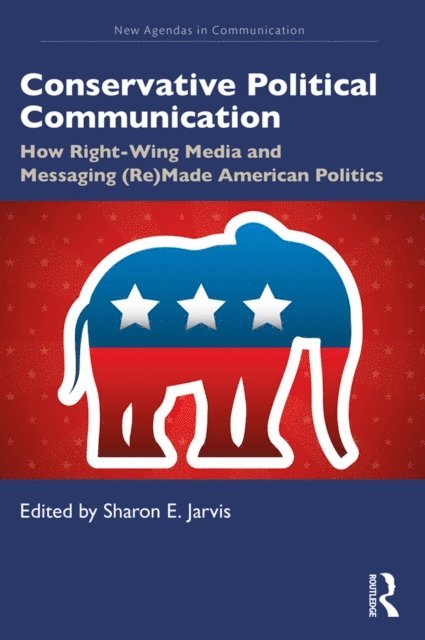
Conservative Political Communication
How Right-Wing Media and Messaging (Re)Made American Politics
Inbunden, Engelska, 2021
2 103 kr
Skickas inom 10-15 vardagar
Conservative Political Communication examines the evolution of appeals, media, and tactics in right-wing media and political communication, tracking trends and shifts from the early days of contemporary conservatism in the 1950s to the Trump administration.The chapters in this edited volume feature the work of senior and junior scholars from the fields of communication, journalism, and political science employing content analytic, experimental, survey, historical, and rhetorical research methodologies. Analyses of the rise of the 24-hour news cycle, the range of partisan news sources, and the role of social media algorithms in political campaigns yield insights for our media and information ecosystems. A key theme across these chapters is how right-wing channels and communications help and hinder partisan fragmentation, a condition whereby novice elected officials create personal conservative brands, appeal to the base through partisan media, and complicate senior leadership’s ability to engage in bargaining, compromise, and deal-making. This volume interrogates conservative media and messaging to track where these processes came from, how they functioned in the 2016 U.S. presidential campaign, and where they may be going in the future.This book will interest scholars and upper-level students of political communication, media and politics, and political science, as well as readers invested in today’s political media landscape in the United States.
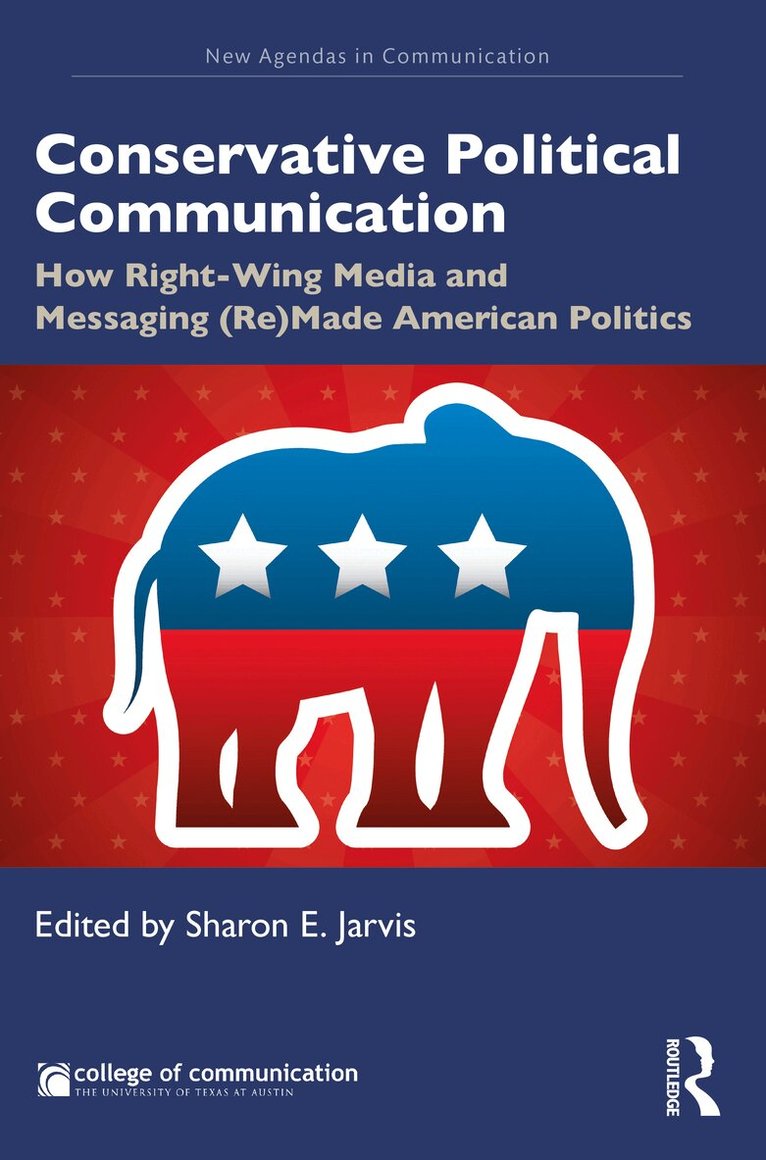
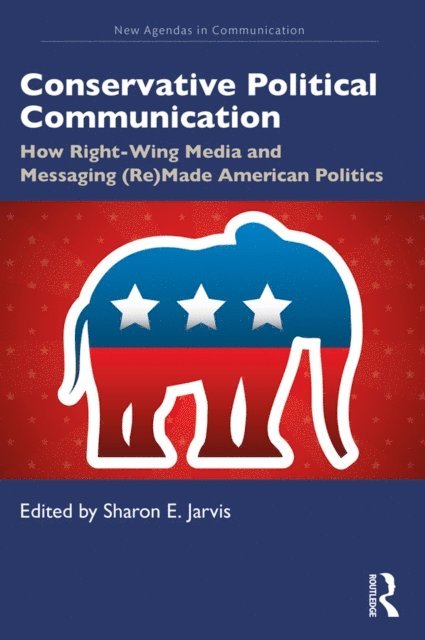
Conservative Political Communication
How Right-Wing Media and Messaging (Re)Made American Politics
Häftad, Engelska, 2021
575 kr
Skickas inom 10-15 vardagar
Conservative Political Communication examines the evolution of appeals, media, and tactics in right-wing media and political communication, tracking trends and shifts from the early days of contemporary conservatism in the 1950s to the Trump administration.The chapters in this edited volume feature the work of senior and junior scholars from the fields of communication, journalism, and political science employing content analytic, experimental, survey, historical, and rhetorical research methodologies. Analyses of the rise of the 24-hour news cycle, the range of partisan news sources, and the role of social media algorithms in political campaigns yield insights for our media and information ecosystems. A key theme across these chapters is how right-wing channels and communications help and hinder partisan fragmentation, a condition whereby novice elected officials create personal conservative brands, appeal to the base through partisan media, and complicate senior leadership’s ability to engage in bargaining, compromise, and deal-making. This volume interrogates conservative media and messaging to track where these processes came from, how they functioned in the 2016 U.S. presidential campaign, and where they may be going in the future.This book will interest scholars and upper-level students of political communication, media and politics, and political science, as well as readers invested in today’s political media landscape in the United States.