Shawn Everett Kantor – författare
Visar alla böcker från författaren Shawn Everett Kantor. Handla med fri frakt och snabb leverans.
5 produkter
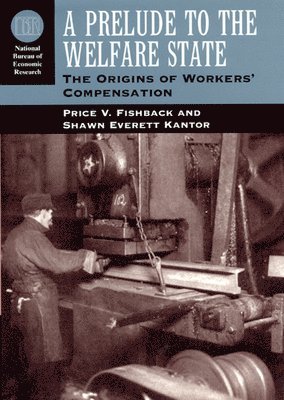
Prelude to the Welfare State
The Origins of Workers' Compensation
Av Price V. Fishback, Shawn Everett Kantor
Häftad, 2006
333 kr
Lägg i varukorg
Workers' compensation was arguably the first widespread social insurance program in the United States - before social security, Medicare, or unemployment insurance - and the most successful form of labor legislation to emerge from the early progressive movement. In "A Prelude to the Welfare State", …
Prelude to the Welfare State
The Origins of Workers' Compensation
Av Price V. Fishback, Shawn Everett Kantor
Inbunden, 2000
879 kr
Lägg i varukorg
Workers' compensation was arguably the first widespread social insurance program in the United States - before social security, Medicare, or unemployment insurance - and the most successful form of labor legislation to emerge from the early progressive movement. In "A Prelude to the Welfare State", …
Prelude to the Welfare State
The Origins of Workers'' Compensation
Av Shawn Everett Kantor, Price V. Fishback
E-bok, 2007
820 kr
Lägg i varukorg
Workers'' compensation was arguably the first widespread social insurance program in the United States and the most successful form of labor legislation to emerge from the early Progressive Movement. Adopted in most states between 1910 and 1920, workers'' compensation laws have been paving seen as …
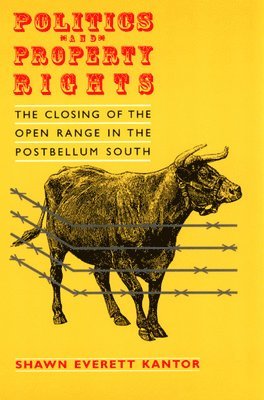
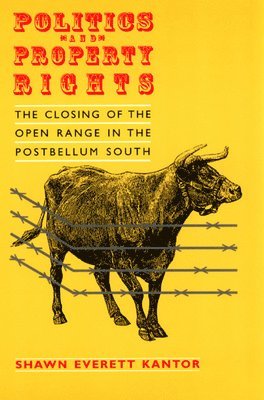
Politics and Property Rights
The Closing of the Open Range in the Postbellum South
Häftad, 1998
333 kr
Lägg i varukorg
After the American Civil War, agricultural reformers in the South called for an end to unrestricted grazing of livestock on unfenced land. They advocated the stock law, which required livestock owners to fence in their animals, arguing that the existing system (in which farmers built protective …
Politics and Property Rights
The Closing of the Open Range in the Postbellum South
Inbunden, 1998
786 kr
Tillfälligt slut
After the American Civil War, agricultural reformers in the South called for an end to unrestricted grazing of livestock on unfenced land. They advocated the stock law, which required livestock owners to fence in their animals, arguing that the existing system (in which farmers built protective …