Shawn P. Lambert – författare
Visar alla böcker från författaren Shawn P. Lambert. Handla med fri frakt och snabb leverans.
4 produkter
4 produkter
1 131 kr
Kommande
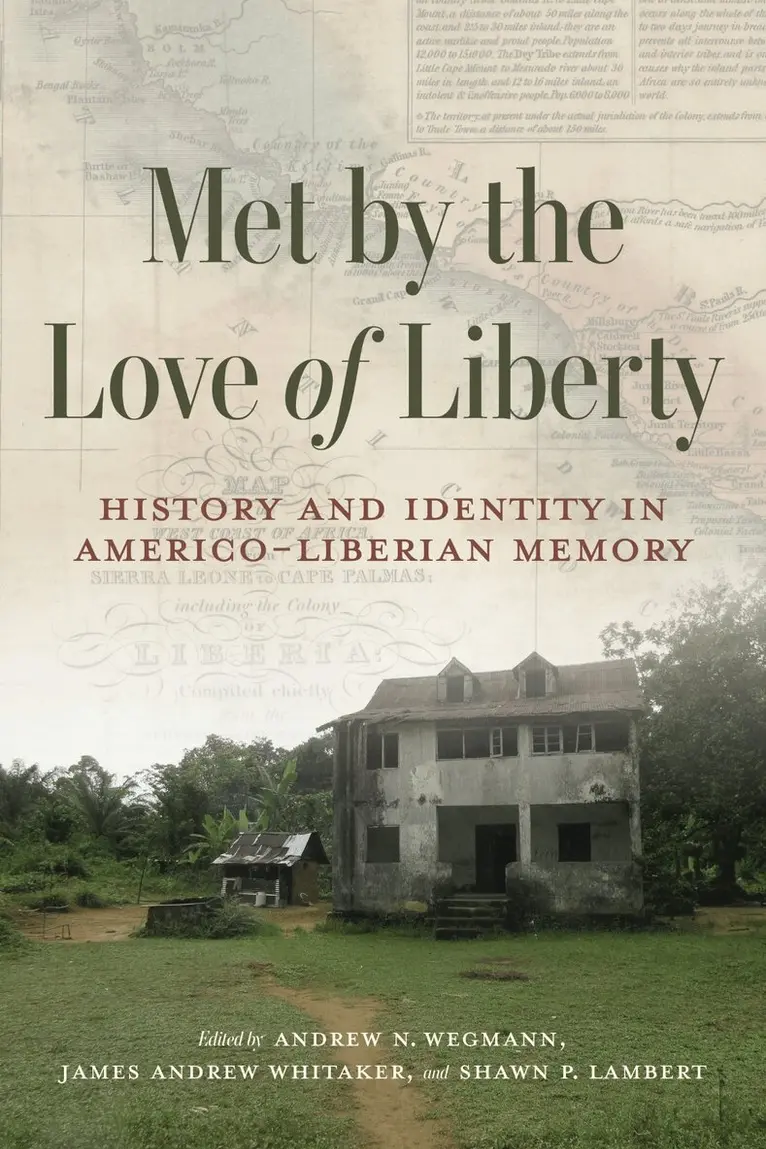
Initially founded as a colony of the American Colonization Society in 1822 and declared an independent republic in 1847, the Republic of Liberia has challenged scholars across disciplines for almost as long as it has existed. Despite its territory being the home of Indigenous peoples for centuries, Liberia was imagined as a plan to relocate people of color primarily from the United States to West Africa as settler colonists. It then became a nation dominated by its original African-American founders and their descendants, who became known as Americo-Liberians. This group has shaped the political identity, social structure, and cultural standards of Liberia well into the 20th century, creating a remarkably complex legacy that both sparked and, in some ways, survived nearly two decades of civil conflict from which the nation is still rebuilding.Met by the Love of Liberty is an exploration of this complicated history, from Liberia's transatlantic origins to its complex and conflicted present. This collection of innovative essays emphasizes an interdisciplinary approach, combining African studies, anthropology, archaeology, history, linguistics, and cultural studies to produce a unique dialogue between the history of Liberia's national founding and its diverse contemporary historical memory and create a new, multifaceted understanding of Liberia's development and contemporary moment. Bringing together essays from leading scholars on Liberia's history and culture, Met by the Love of Liberty breaks new ground for discourse on how Liberia and other similar nations and communities can be studied today, telling a story of movement, displacement, national creation, and cultural and political memory and identity.
552 kr
Kommande
Initially founded as a colony of the American Colonization Society in 1822 and declared an independent republic in 1847, the Republic of Liberia has challenged scholars across disciplines for almost as long as it has existed. Despite its territory being the home of Indigenous peoples for centuries, Liberia was imagined as a plan to relocate people of color primarily from the United States to West Africa as settler colonists. It then became a nation dominated by its original African-American founders and their descendants, who became known as Americo-Liberians. This group has shaped the political identity, social structure, and cultural standards of Liberia well into the 20th century, creating a remarkably complex legacy that both sparked and, in some ways, survived nearly two decades of civil conflict from which the nation is still rebuilding.Met by the Love of Liberty is an exploration of this complicated history, from Liberia's transatlantic origins to its complex and conflicted present. This collection of innovative essays emphasizes an interdisciplinary approach, combining African studies, anthropology, archaeology, history, linguistics, and cultural studies to produce a unique dialogue between the history of Liberia's national founding and its diverse contemporary historical memory and create a new, multifaceted understanding of Liberia's development and contemporary moment. Bringing together essays from leading scholars on Liberia's history and culture, Met by the Love of Liberty breaks new ground for discourse on how Liberia and other similar nations and communities can be studied today, telling a story of movement, displacement, national creation, and cultural and political memory and identity.
999 kr
Skickas inom 10-15 vardagar
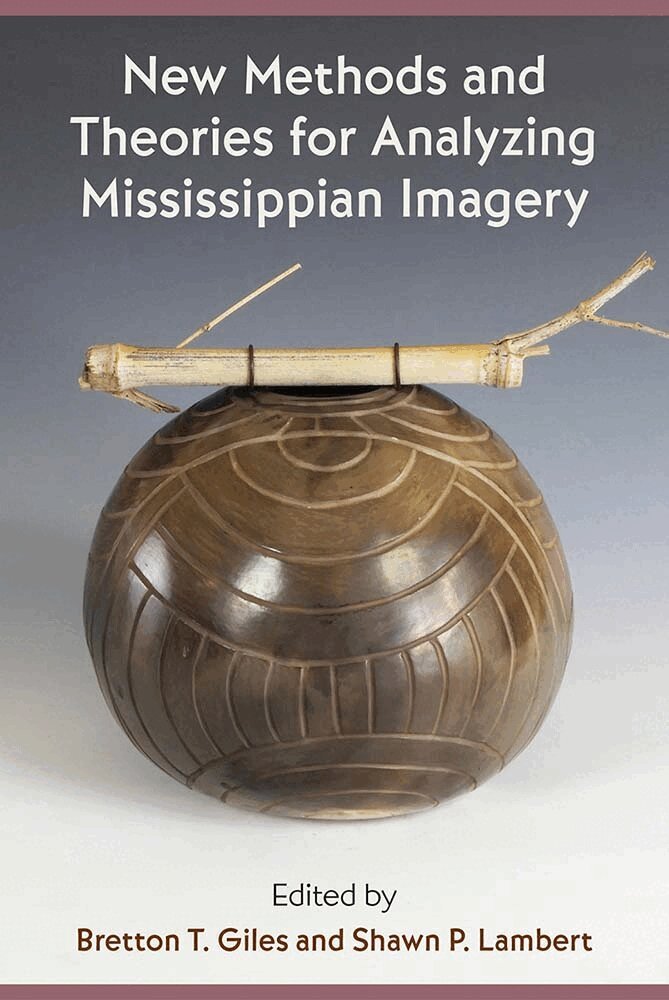
In this volume, contributors show how stylistic and iconographic analyses of Mississippian imagery provide new perspectives on the beliefs, narratives, public ceremonies, ritual regimes, and expressions of power in the communities that created the artwork. Exploring various methodological and theoretical approaches to pre-Columbian visual culture, these essays reconstruct dynamic accounts of Native American history across the U.S. Southeast. These case studies offer innovative examples of how to use style to identify and compare artifacts, how symbols can be interpreted in the absence of writing, and how to situate and historicize Mississippian imagery. They examine designs carved into shell, copper, stone, and wood or incised into ceramic vessels, from spider iconography to owl effigies and depictions of the cosmos. They discuss how these symbols intersect with memory, myths, social hierarchies, religious traditions, and other spheres of Native American life in the past and present. The tools modeled in this volume will open new horizons for learning about the culture and worldviews of past peoples.
1 303 kr
Kommande
Examining how scholarly methods and collaborative work with Indigenous communities offer insights into Mississippian symbols, architecture, and landscapesThis volume bridges two approaches to studying iconography—scholarly interpretation and collaborative, multivocal analysis—to generate new understandings of Mississippian period imagery and belief systems. It shows how archaeologists have learned to bring diverse methodologies alongside material data to better interpret symbols, objects, structures, and places from the Indigenous past. It also examines how descendant communities and other stakeholders have become active partners in this work, offering perspectives that add essential cultural context.Trends and Traditions in Mississippian Iconography begins with case studies that examine imagery with the help of typologies, folklore, and ethnographic observations. These studies illuminate questions such as the ritual roles and construction of medicine lodges and the use of precontact effigy pipes. Then contributors discuss efforts to decolonize iconographic methods by involving Indigenous descendants directly in interpretation, including by inviting Osage storytellers to share the symbolism of the American lotus flower. Together, these chapters highlight both the benefits and challenges of ways of reconstructing knowledge about Native peoples in the deep past.