Shearer Davis Bowman – författare
Visar alla böcker från författaren Shearer Davis Bowman. Handla med fri frakt och snabb leverans.
7 produkter
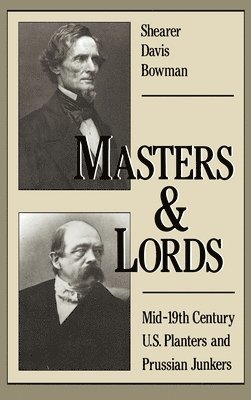
Masters and Lords
Mid-Nineteenth-Century US Planters and Prussian Junkers
Inbunden, 1993
3272 kr
Lägg i varukorg
Masters and Lords is an ambitious study that presents a comparative view of large planters in the antebellum American South (1820 - 60) and the Junkers of roughly contemporaneous Prussian East Elbia. The author claims that planters and Junkers were comparable because of structural and function …
Masters and Lords
Mid-19th-Century U.S. Planters and Prussian Junkers
E-bok, 1993
2340 kr
Lägg i varukorg
Among the regional landed elites in the Western World of the mid-1800s, the two most formidable were the owners of slave plantations in the Southern states of the U.S. and the proprietors of manorial estates in the provinces of Prussian East Elbia. Masters and Lords surveys the economic, social, …
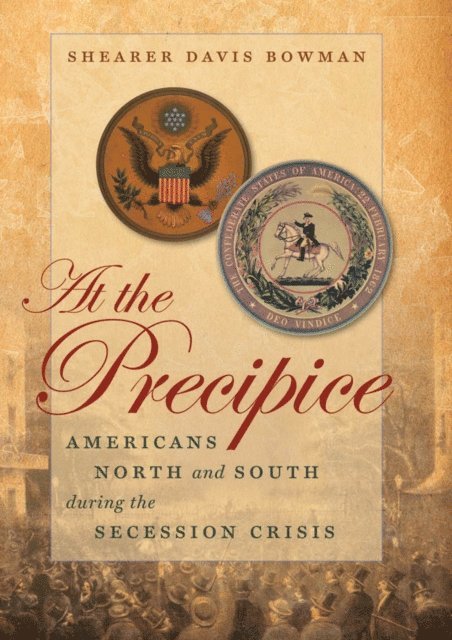
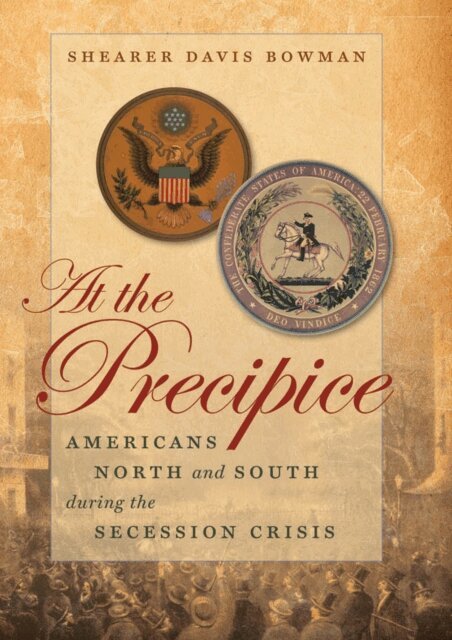
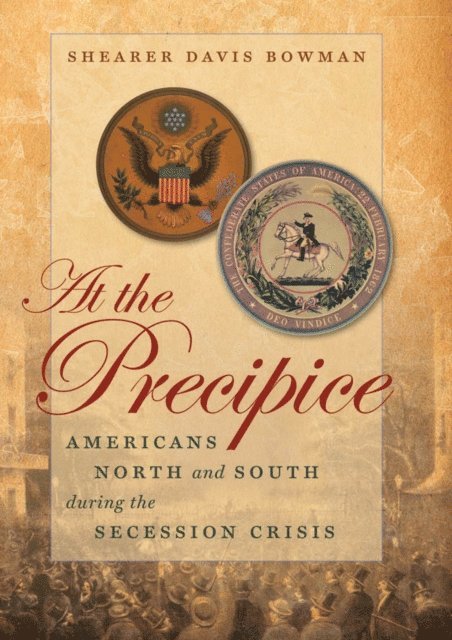
At the Precipice
Americans North and South during the Secession Crisis
E-bok, 2010
262 kr
Lägg i varukorg
Why did eleven slave states secede from the Union in 1860-61? Why did the eighteen free states loyal to the Union deny the legitimacy of secession, and take concrete steps after Fort Sumter to subdue what President Abraham Lincoln deemed treasonous rebellion? At the Precipice seeks to answer these …
At the Precipice
Americans North and South during the Secession Crisis
E-bok, 2010
856 kr
Lägg i varukorg
Why did eleven slave states secede from the Union in 1860-61? Why did the eighteen free states loyal to the Union deny the legitimacy of secession, and take concrete steps after Fort Sumter to subdue what President Abraham Lincoln deemed treasonous rebellion? At the Precipice seeks to answer these …
At the Precipice
Americans North and South During the Secession Crisis
Häftad, 2014
474 kr
Lägg i varukorg
Why did eleven slave states secede from the Union in 1860-61? Why did the eighteen free states loyal to the Union deny the legitimacy of secession, and take concrete steps after Fort Sumter to subdue what President Abraham Lincoln deemed treasonous rebellion? At the Precipice seeks to answer these …
At the Precipice
Americans North and South during the Secession Crisis
E-bok, 2010
268 kr
Lägg i varukorg
Why did eleven slave states secede from the Union in 1860-61? Why did the eighteen free states loyal to the Union deny the legitimacy of secession, and take concrete steps after Fort Sumter to subdue what President Abraham Lincoln deemed treasonous rebellion? At the Precipice seeks to answer these …
At the Precipice
Americans North and South during the Secession Crisis
E-bok, 2010
1047 kr
Lägg i varukorg
Why did eleven slave states secede from the Union in 1860-61? Why did the eighteen free states loyal to the Union deny the legitimacy of secession, and take concrete steps after Fort Sumter to subdue what President Abraham Lincoln deemed treasonous rebellion? At the Precipice seeks to answer these …