Sheila E Jelen - Böcker
Visar alla böcker från författaren Sheila E Jelen. Handla med fri frakt och snabb leverans.
10 produkter
10 produkter
447 kr
Skickas inom 10-15 vardagar
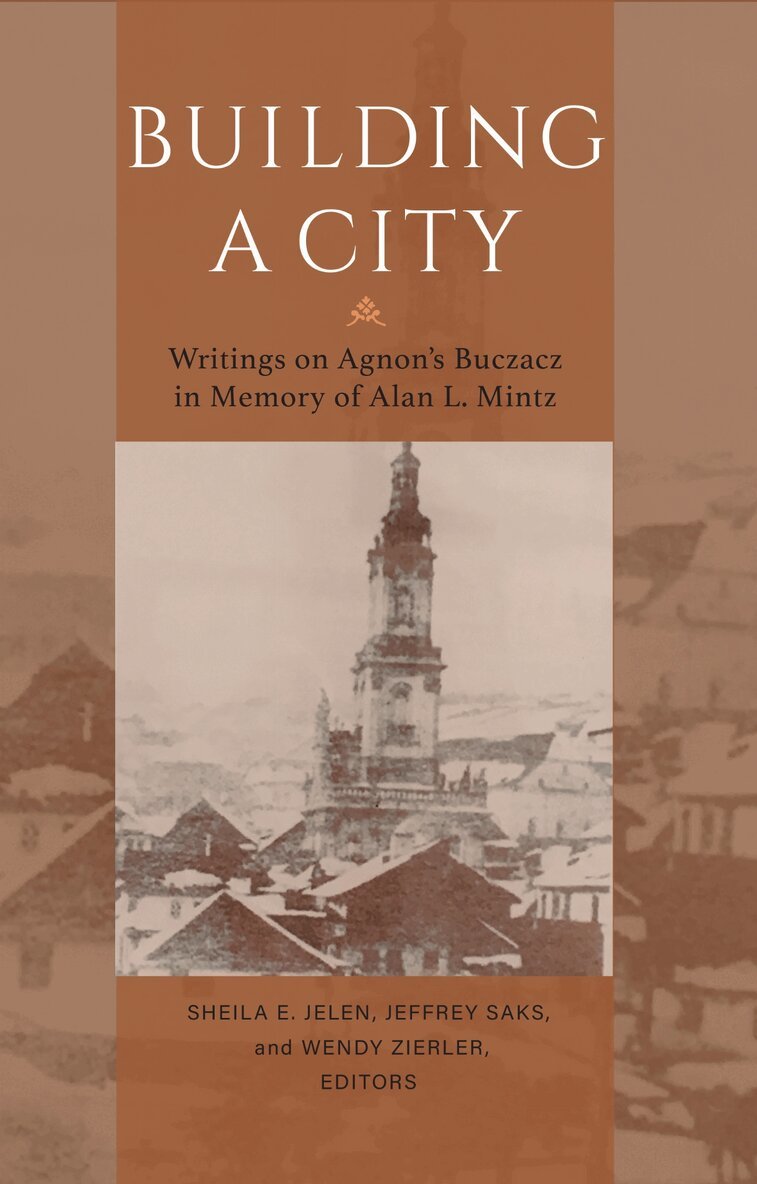
The fiction of Nobel Laureate Shmuel Yosef Agnon is the foundation of the array of scholarly essays as seen through the career of Alan Mintz, visionary scholar and professor of Jewish literature at the Jewish Theological Seminary of America. Mintz introduced Agnon's posthumously published Ir Umeloah (A City in Its Fullness)—a series of linked stories set in the 17th century and focused on Agnon's hometown, Buczacz, a town in what is currently western Ukraine—to an English reading audience, and argued that Agnon's unique treatment of Buczacz in A City in its Fullness, navigating the sometimes tenuous boundary of the modernist and the mythical, was a full-throated, self-conscious literary response to the Holocaust. This volume is an extension of a memorial dedicated to Mintz's memory (who died suddenly in 2017) which combines selections of Alan's work from the beginning, middle and end of his career, with autobiographical tributes from older and younger scholars alike. The essays dealing with Agnon and Buczacz remember the career of Alan Mintz and his contribution to the world of Jewish studies and within the world of Jewish communal life.
991 kr
Skickas inom 10-15 vardagar
Is there such a thing as a distinctive Jewish literature? While definitions have been offered, none has been universally accepted. Modern Jewish literature lacks the basic markers of national literatures: it has neither a common geography nor a shared language-though works in Hebrew or Yiddish are almost certainly included-and the field is so diverse that it cannot be contained within the bounds of one literary category.Each of the fifteen essays collected in Modern Jewish Literatures takes on the above question by describing a movement across boundaries-between languages, cultures, genres, or spaces. Works in Hebrew and Yiddish are amply represented, but works in English, French, German, Italian, Ladino, and Russian are also considered. Topics range from the poetry of the Israeli nationalist Natan Alterman to the Russian poet Osip Mandelstam; from turn-of-the-century Ottoman Jewish journalism to wire-recorded Holocaust testimonies; from the intellectual salons of late eighteenth-century Berlin to the shelves of a Jewish bookstore in twentieth-century Los Angeles.The literary world described in Modern Jewish Literatures is demarcated chronologically by the Enlightenment, the Haskalah, and the French Revolution, on one end, and the fiftieth anniversary of the State of Israel on the other. The particular terms of the encounter between a Jewish past and present for modern Jews has varied greatly, by continent, country, or village, by language, and by social standing, among other things. What unites the subjects of these studies is not a common ethnic, religious, or cultural history but rather a shared endeavor to use literary production and writing in general as the laboratory in which to explore and represent Jewish experience in the modern world.
379 kr
Skickas inom 10-15 vardagar
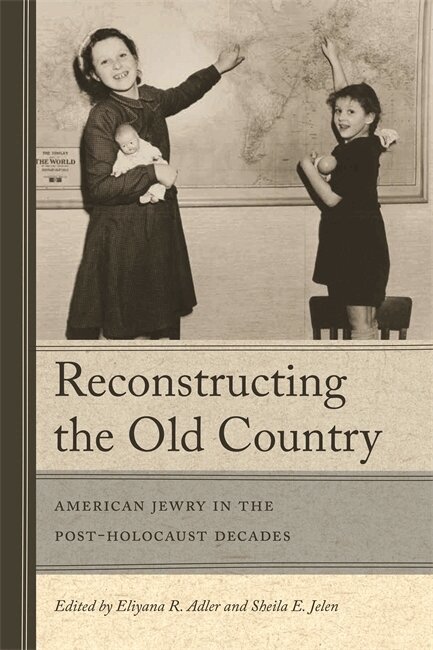
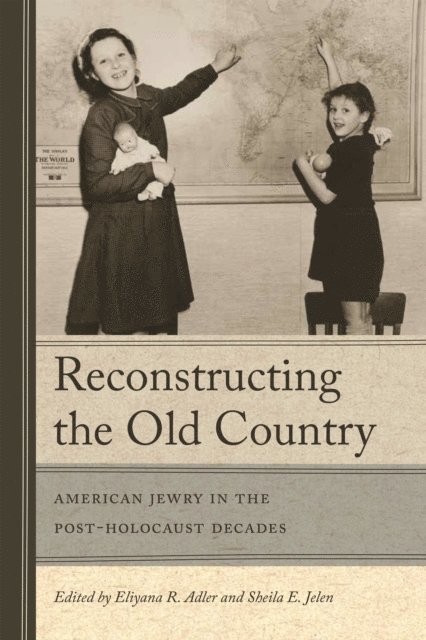
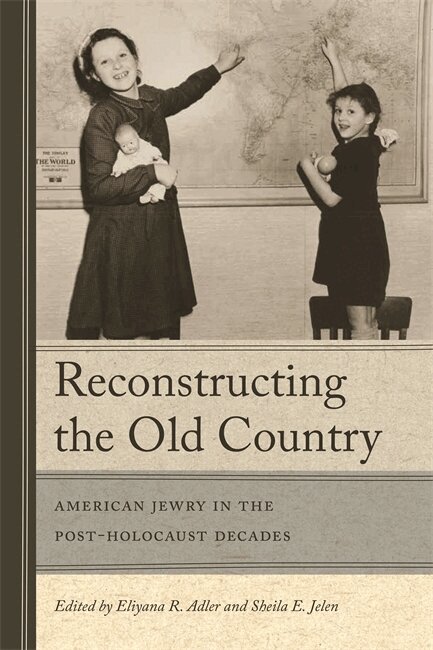
Interdisciplinary overview of American Jewish life post-Holocaust. The 1950s and early 1960s have not traditionally been viewed as a particularly creative era in American Jewish life. On the contrary, these years have been painted as a period of inactivity and Americanization. As if exhausted by the traumas of World War II, the American Jewish community took a rest until suddenly reawakened by the 1967 Six-Day War and its implications for world Jewry. Recent scholarship, however, has demonstrated that previous assumptions about the early silence of American Jewry with regard to the Holocaust were exaggerated. And while historians have expanded their borders and definitions to encompass the postwar decades, scholars from other disciplines have been paying increasing attention to the unique literary, photographic, artistic, dramatic, political, and other cultural creations of this period and the ways in which they hearken back to not only the Holocaust itself but also to images of prewar Eastern Europe. Reconstructing the Old Country: American Jewry in the Post-Holocaust Decades brings together scholars of literature, art, history, ethnography, and related fields to examine how the American Jewish community in the post-Holocaust era was shaped by its encounter with literary relics, living refugees, and other cultural productions which grew out of an encounter with Eastern European Jewish life from the pre-Holocaust era.
868 kr
Skickas inom 10-15 vardagar
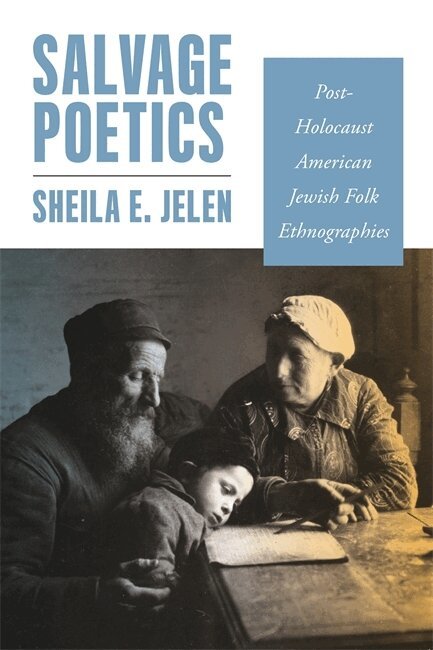
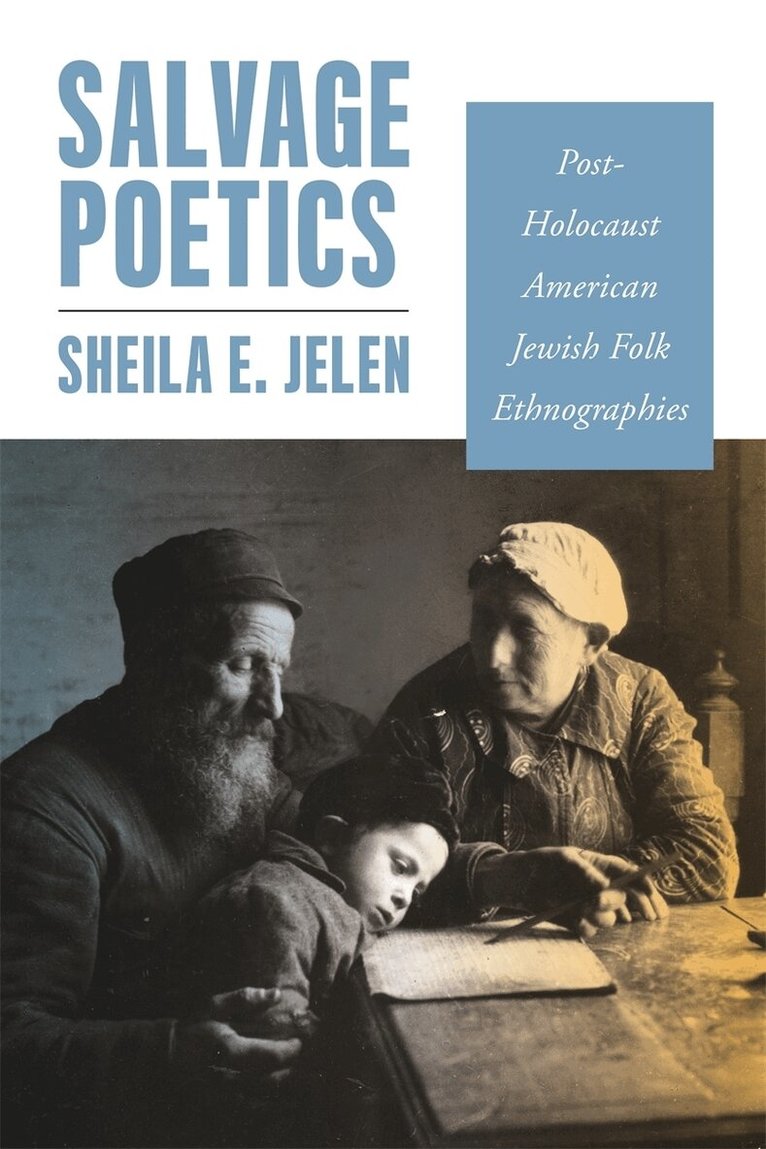
Salvage Poetics: Post-Holocaust American Jewish Folk Ethnographies explores how American Jewish post-Holocaust writers, scholars, and editors adapted pre-Holocaust works, such as Yiddish fiction and documentary photography, for popular consumption by American Jews in the post-Holocaust decades. These texts, Jelen argues, served to help clarify the role of East European Jewish identity in the construction of a post-Holocaust American one. In her analysis of a variety of "hybrid" texts-those that exist on the border between ethnography and art-Jelen traces the gradual shift from verbal to visual Jewish literacy among Jewish Americans after the Holocaust. S. Ansky's ethnographic expedition (1912-1914) and Martin Buber's adaptation and compilation of Hasidic tales (1906-1935) are presented as a means of contextualizing the role of an ethnographic consciousness in modern Jewish experience and the way in which literary adaptations and mediations create opportunities for the creation of folk ethnographic hybrid texts. Salvage Poetics looks at classical texts of the American Jewish experience in the second half of the twentieth century, such as Maurice Samuel's The World of Sholem Aleichem (1944), Abraham Joshua Heschel's The Earth Is the Lord's (1950), Elizabeth Herzog and Mark Zborowski's Life Is with People (1952), Lucy Dawidowicz's The Golden Tradition (1967), and Roman Vishniac's A Vanished World (1983), alongside other texts that consider the symbiotic relationship between pre-Holocaust aesthetic artifacts and their postwar reframings and reconsiderations.Salvage Poetics is particularly attentive to how literary scholars deploy the notion of "ethnography" in their readings of literature in languages and/or cultures that are considered "dead" or "dying" and how their definition of an "ethnographic" literary text speaks to and enhance the scientific discipline of ethnography. This book makes a fresh contribution to the fields of American Jewish cultural and literary studies and art history.
668 kr
Skickas inom 10-15 vardagar
Interdisciplinary overview of American Jewish life post-Holocaust. The 1950s and early 1960s have not traditionally been viewed as a particularly creative era in American Jewish life. On the contrary, these years have been painted as a period of inactivity and Americanization. As if exhausted by the traumas of World War II, the American Jewish community took a rest until suddenly reawakened by the 1967 Six-Day War and its implications for world Jewry. Recent scholarship, however, has demonstrated that previous assumptions about the early silence of American Jewry with regard to the Holocaust were exaggerated. And while historians have expanded their borders and definitions to encompass the postwar decades, scholars from other disciplines have been paying increasing attention to the unique literary, photographic, artistic, dramatic, political, and other cultural creations of this period and the ways in which they hearken back to not only the Holocaust itself but also to images of prewar Eastern Europe. Reconstructing the Old Country: American Jewry in the Post-Holocaust Decades brings together scholars of literature, art, history, ethnography, and related fields to examine how the American Jewish community in the post-Holocaust era was shaped by its encounter with literary relics, living refugees, and other cultural productions which grew out of an encounter with Eastern European Jewish life from the pre-Holocaust era.
417 kr
Skickas inom 7-10 vardagar
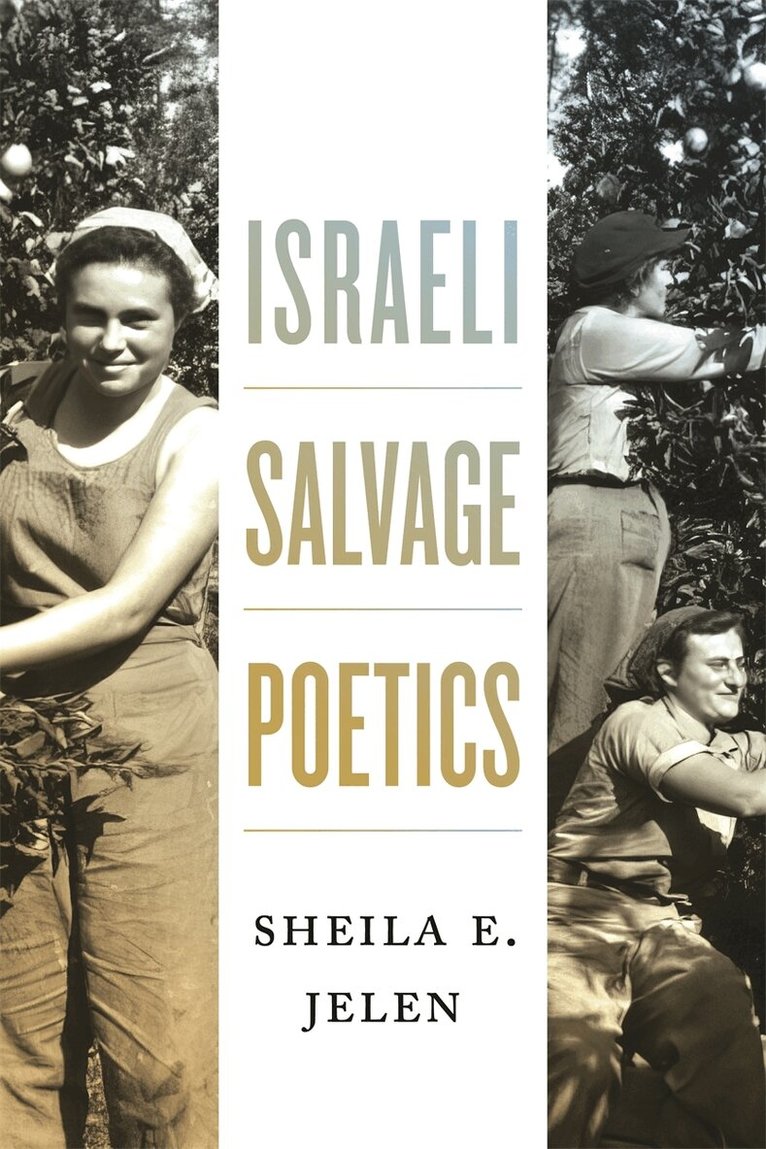
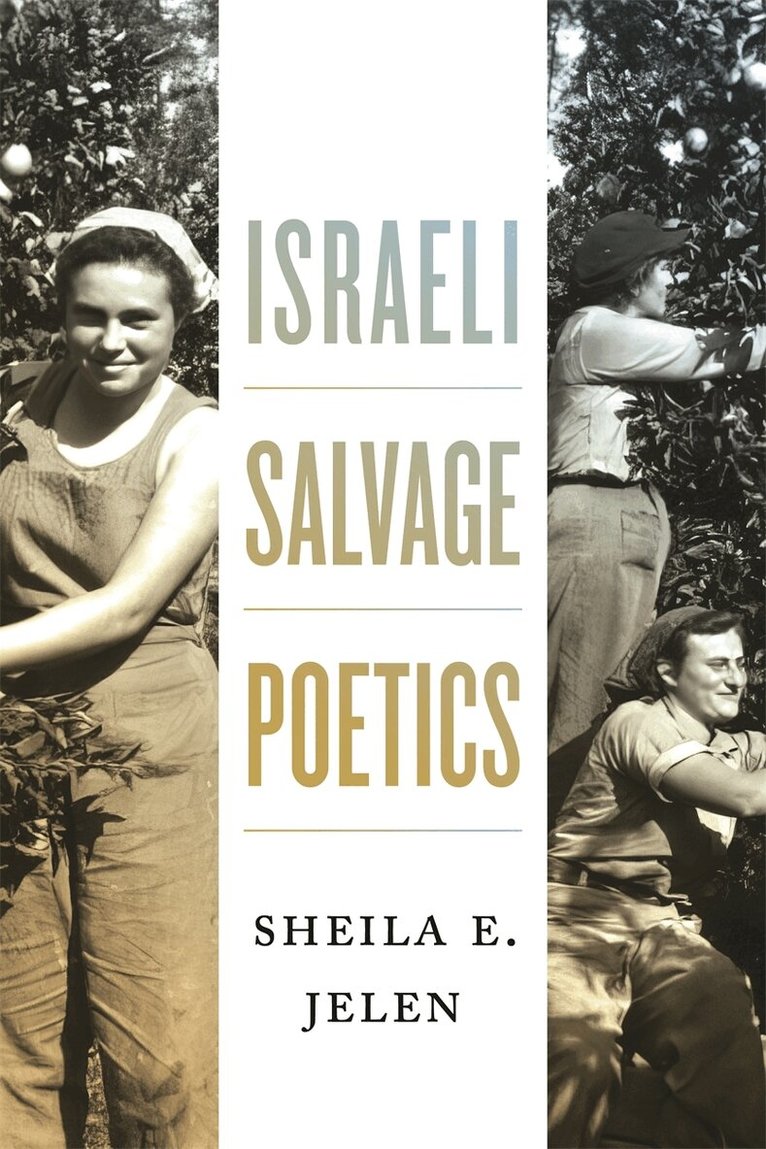
Through thoughtful analysis of twentieth- and twenty-first-century Israeli literature, Israeli Salvage Poetics interrogates the concept of the "negation of the diaspora" as addressed in Hebrew-language literature authored by well-known and lesser-known Israeli authors from the eve of the Holocaust to the present day. Author Sheila E. Jelen considers the way that Israeli writers from eastern Europe or of eastern European descent incorporate pre-Holocaust eastern European culture into their own sense of Israeliness or Jewishness. Many Israelis interested in their eastern European legacy live with an awareness of their own nation's role in the repression of that legacy, from the elevation of Hebrew over Yiddish to the ridicule and resentment directed at culture, text, and folk traditions from eastern Europe. To right the wrongs of the past and reconcile this conflict of identity, the Israeli authors discussed in this book engage in what Jelen calls "salvage poetics": they read Yiddish literature, travel to eastern Europe, and write of their personal and generational relationships with Ashkenazi culture. Israeli literary representations of eastern European Jewry strive, sometimes successfully, to recuperate eastern European Jewish pre-Holocaust culture for the edification of an audience that might feel responsible for the silencing and extinction of that culture.
1 175 kr
Skickas inom 10-15 vardagar
Through thoughtful analysis of twentieth- and twenty-first-century Israeli literature, Israeli Salvage Poetics interrogates the concept of the "negation of the diaspora" as addressed in Hebrew-language literature authored by well-known and lesser-known Israeli authors from the eve of the Holocaust to the present day. Author Sheila E. Jelen considers the way that Israeli writers from eastern Europe or of eastern European descent incorporate pre-Holocaust eastern European culture into their own sense of Israeliness or Jewishness. Many Israelis interested in their eastern European legacy live with an awareness of their own nation's role in the repression of that legacy, from the elevation of Hebrew over Yiddish to the ridicule and resentment directed at culture, text, and folk traditions from eastern Europe. To right the wrongs of the past and reconcile this conflict of identity, the Israeli authors discussed in this book engage in what Jelen calls "salvage poetics": they read Yiddish literature, travel to eastern Europe, and write of their personal and generational relationships with Ashkenazi culture. Israeli literary representations of eastern European Jewry strive, sometimes successfully, to recuperate eastern European Jewish pre-Holocaust culture for the edification of an audience that might feel responsible for the silencing and extinction of that culture.
356 kr
Skickas inom 7-10 vardagar
This volume explores how American Jewish post-Holocaust writers, scholars, and editors adapted pre-Holocaust works, such as Yiddish fiction and documentary photography, for popular consumption by American Jews in the post-Holocaust decades. These texts, Jelen argues, served to help clarify the role of East European Jewish identity in the construction of a post-Holocaust American one. In her analysis of a variety of "hybrid" texts—those that exist on the border between ethnography and art—Jelen traces the gradual shift from verbal to visual Jewish literacy among Jewish Americans after the Holocaust.S. Ansky's ethnographic expedition (1912–1914) and Martin Buber's adaptation and compilation of Hasidic tales (1906–1935) are presented as a means of contextualizing the role of an ethnographic consciousness in modern Jewish experience and the way in which literary adaptations and mediations create opportunities for the creation of folk ethnographic hybrid texts. Salvage Poetics looks at classical texts of the American Jewish experience in the second half of the twentieth century, such as Maurice Samuel's The World of Sholem Aleichem (1944), Abraham Joshua Heschel's The Earth Is the Lord's (1950), Elizabeth Herzog and Mark Zborowski's Life Is with People (1952), Lucy Dawidowicz's The Golden Tradition (1967), and Roman Vishniac's A Vanished World (1983), alongside other texts that consider the symbiotic relationship between pre-Holocaust aesthetic artifacts and their postwar reframings and reconsiderations. Salvage Poetics is particularly attentive to how literary scholars deploy the notion of "ethnography" in their readings of literature in languages and/or cultures that are considered "dead" or "dying" and how their definition of an "ethnographic" literary text speaks to and enhance the scientific discipline of ethnography. This book makes a fresh contribution to the fields of American Jewish cultural and literary studies and art history.
Testimonial Montage
A Family of Israeli Holocaust Testimonies from the Cracow Ghetto Resistance
Inbunden, Engelska, 2024
1 177 kr
Skickas inom 10-15 vardagar
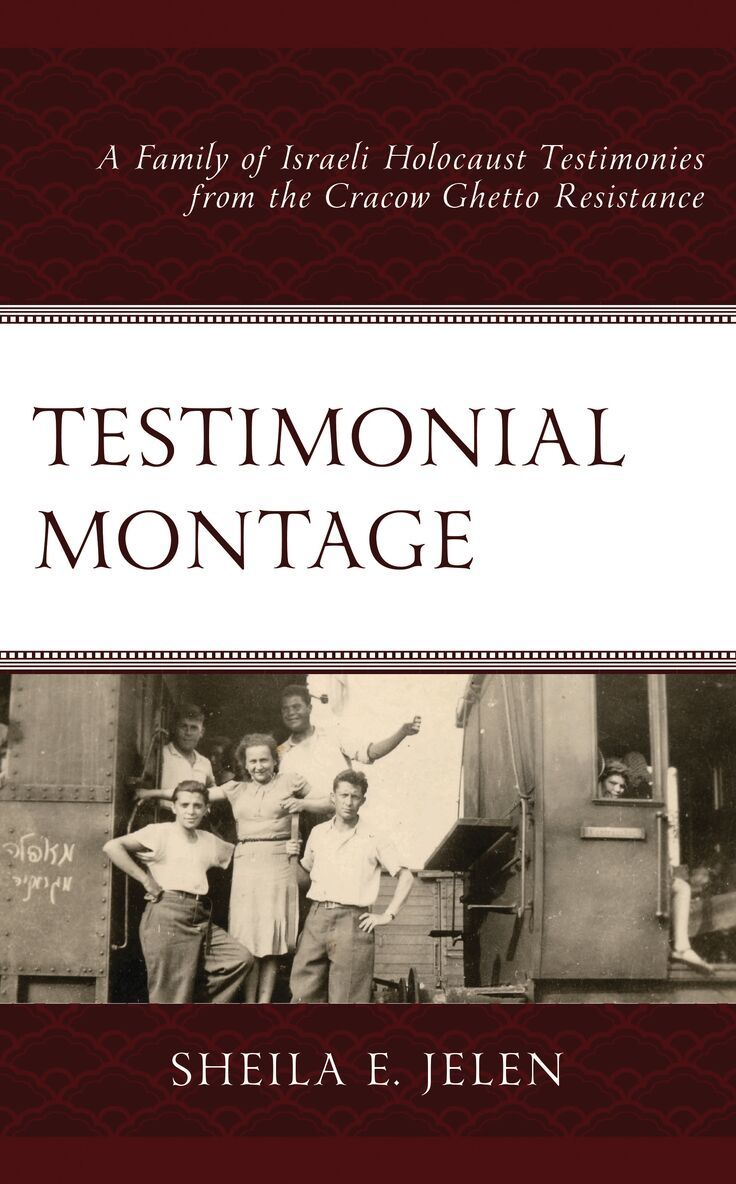
Testimonial Montage: A Family of Israeli Holocaust Testimonies from the Cracow Ghetto Resistance explores interconnected testimonies of four Holocaust survivors who were members of the Akiva youth group in Cracow, Poland, who participated in the ghetto resistance. Drawing on literary and photographic discourse, Jelen extracts the contours of personal narrative from the collective voice present in these interconnected testimonies. Attuned to stories of lost youth, sexual exploitation, and the dissolution of community and family, Jelen approaches Holocaust testimonies as one would members of a family with their shared experiences and common background, but also as individuals with their own unique voices. Departing from historical methodologies, Jelen models a different, wholistic approach to Holocaust testimonies, one which seeks to make sense of testimonies in the full breadth of their unfolding, across time, across space, and across genre.
499 kr
Skickas inom 10-15 vardagar
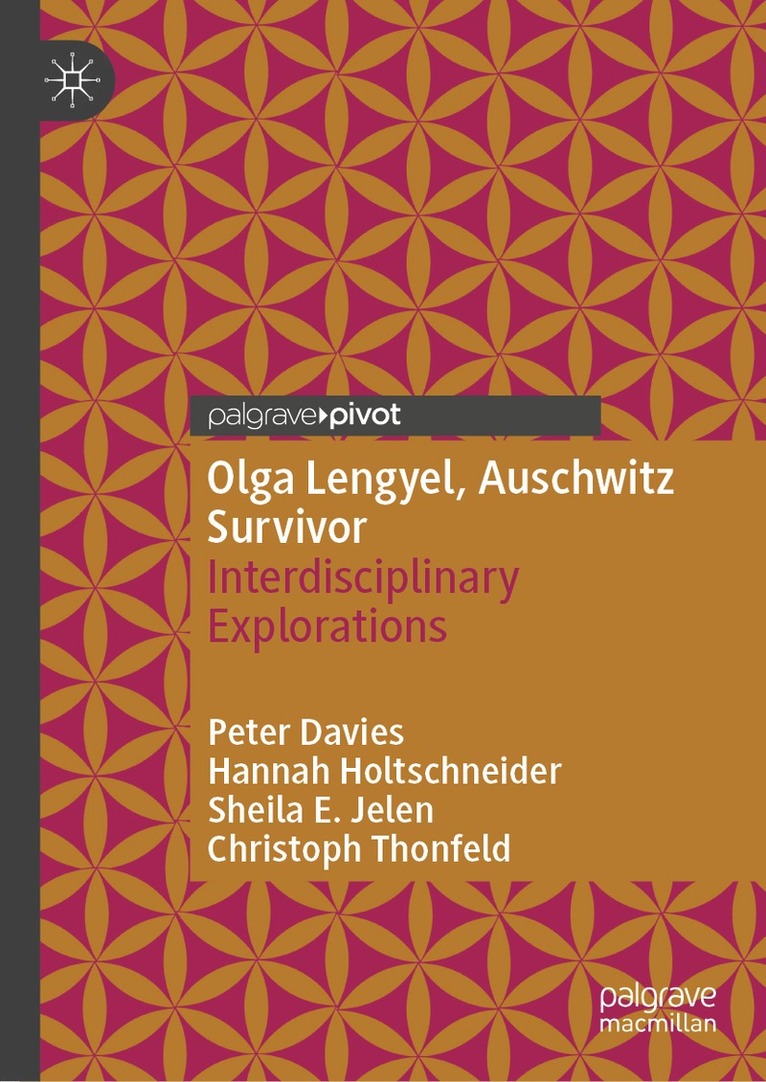
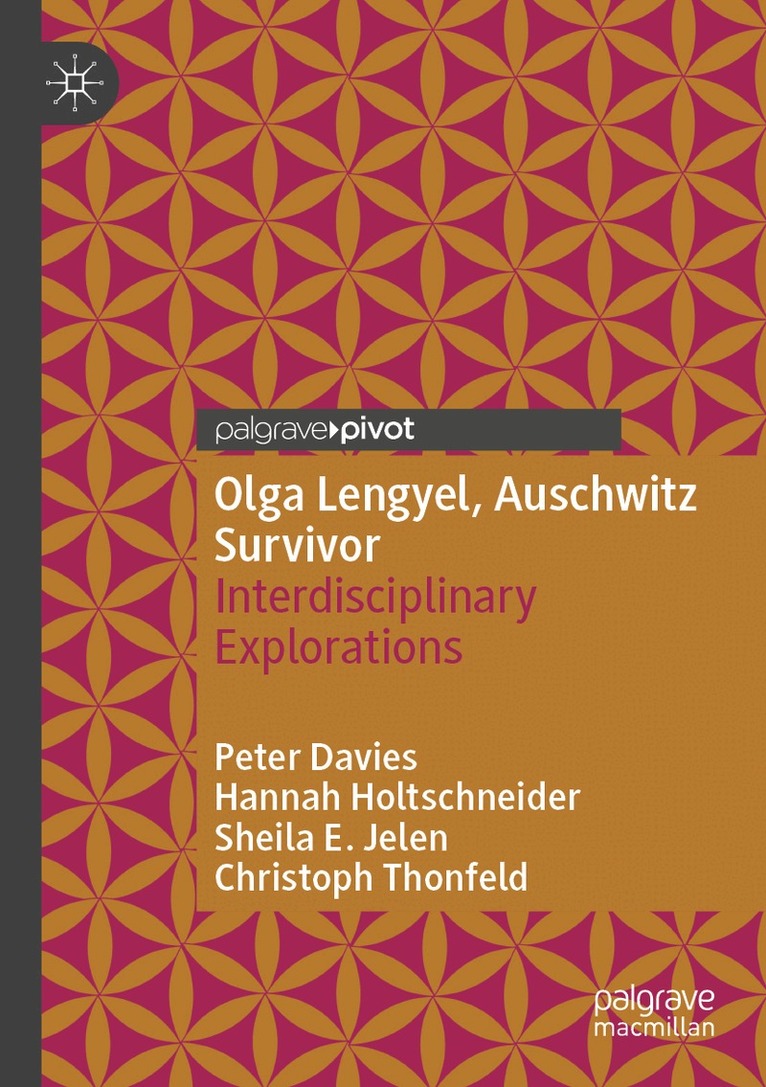
This book arises out of a long series of conversations about one of the most intriguing, but still under-researched, aspects of testimony: how the remembering and telling of an individual Holocaust survivor changes through time, through shifting contexts and with increasing age.