Sheila Liming – författare
Visar alla böcker från författaren Sheila Liming. Handla med fri frakt och snabb leverans.
8 produkter
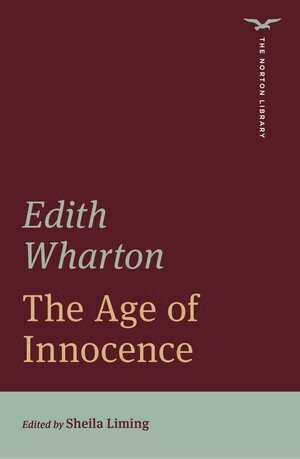
Age of Innocence (The Norton Library)
Av Edith Wharton, Sheila Liming
Häftad, 2022
137 kr
Lägg i varukorg
Part of the Norton Library seriesThe Norton Library edition of The Age of Innocence features the complete text of the first (1921) edition. An introduction by Sheila Liming provides historical and sociocultural context to the novel’s Gilded Age setting, illuminating the deft ironies, gender …
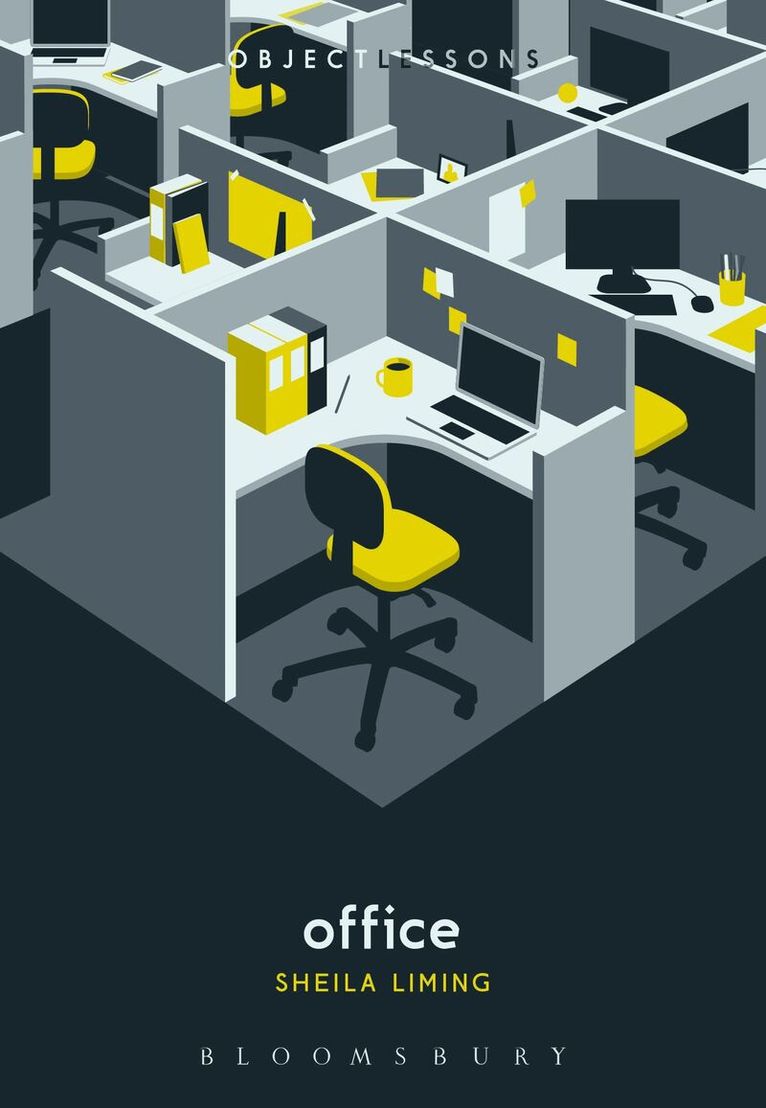
Office
Av Sheila Liming, Christopher Schaberg m. fl.
Häftad, 2020
149 kr
Lägg i varukorg
Object Lessons is a series of short, beautifully designed books about the hidden lives of ordinary things. From its origins in the late 19th century to its decline in the 21st, Sheila Liming’s Office narrates a cultural history of a place that has arguably been the primary site of labor in the …
Office
E-bok, 2020
179 kr
Lägg i varukorg
Object Lessons is a series of short, beautifully designed books about the hidden lives of ordinary things. From its origins in the late 19th century to its decline in the 21st, Sheila Liming's Office narrates a cultural history of a place that has arguably been the primary site of labor in the …
Office
E-bok, 2020
179 kr
Lägg i varukorg
Object Lessons is a series of short, beautifully designed books about the hidden lives of ordinary things. From its origins in the late 19th century to its decline in the 21st, Sheila Liming's Office narrates a cultural history of a place that has arguably been the primary site of labor in the …
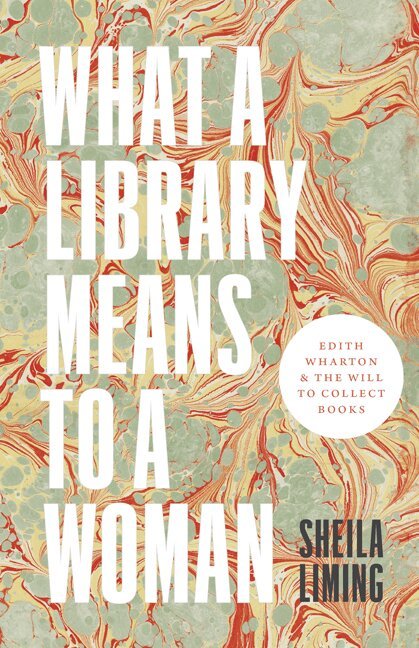
What a Library Means to a Woman
Edith Wharton and the Will to Collect Books
Inbunden, 2020
1425 kr
Lägg i varukorg
Examining the personal library and the making of selfWhen writer Edith Wharton died in 1937, without any children, her library of more than five thousand volumes was divided and subsequently sold. Decades later, it was reassembled and returned to The Mount, her historic Massachusetts estate. What a …
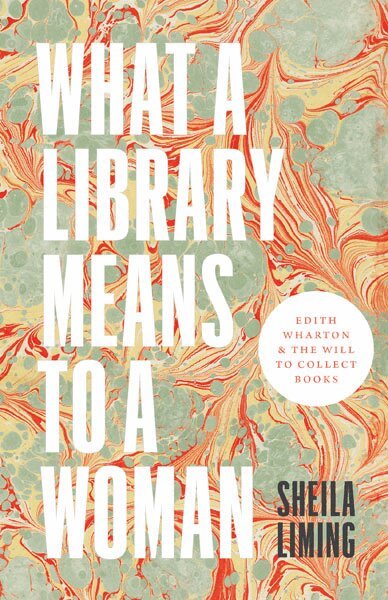
What a Library Means to a Woman
Edith Wharton and the Will to Collect Books
Häftad, 2020
350 kr
Lägg i varukorg
Examining the personal library and the making of selfWhen writer Edith Wharton died in 1937, without any children, her library of more than five thousand volumes was divided and subsequently sold. Decades later, it was reassembled and returned to The Mount, her historic Massachusetts estate. What a …
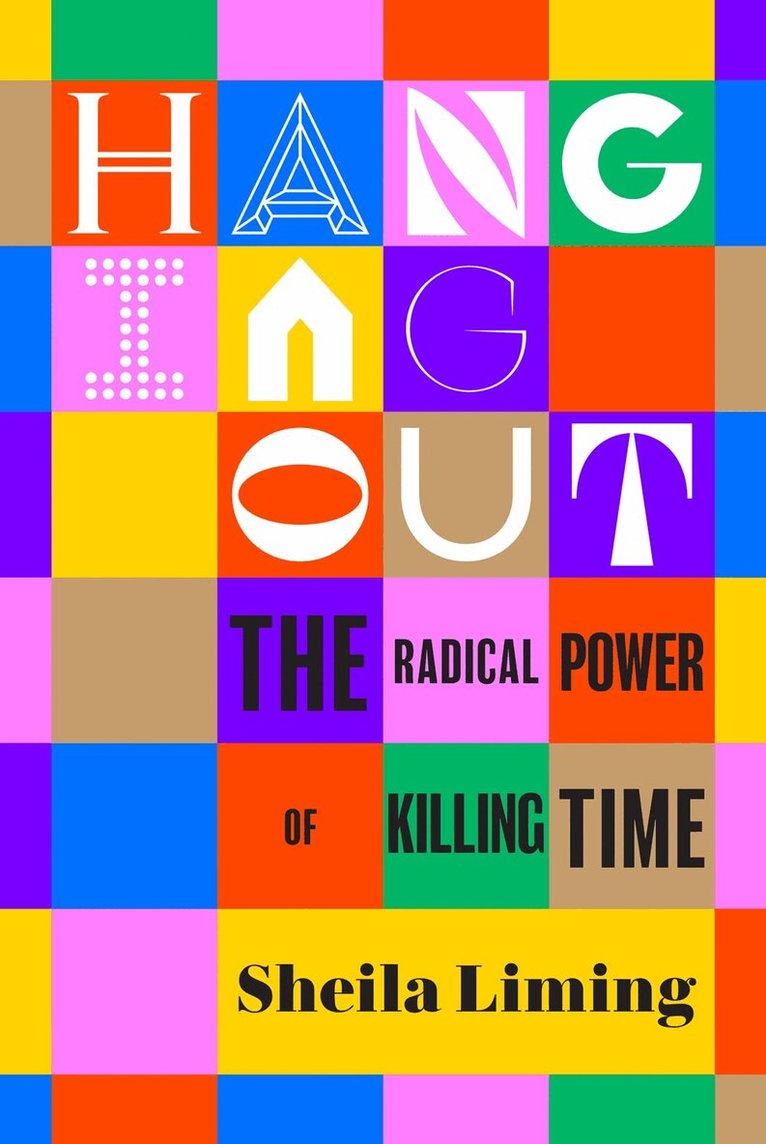
Hanging Out
The Radical Power of Killing Time
Inbunden, 2023
214 kr
Lägg i varukorg
"Hide your phone, stop hustling for a second, and read this passionate argument for the importance of unstructured pre-digital hang." — People Loneliness is an epidemic; it feels harder than ever to connect with others meaningfully. What can we do to remedy this? Sheila Liming has the answer: we …
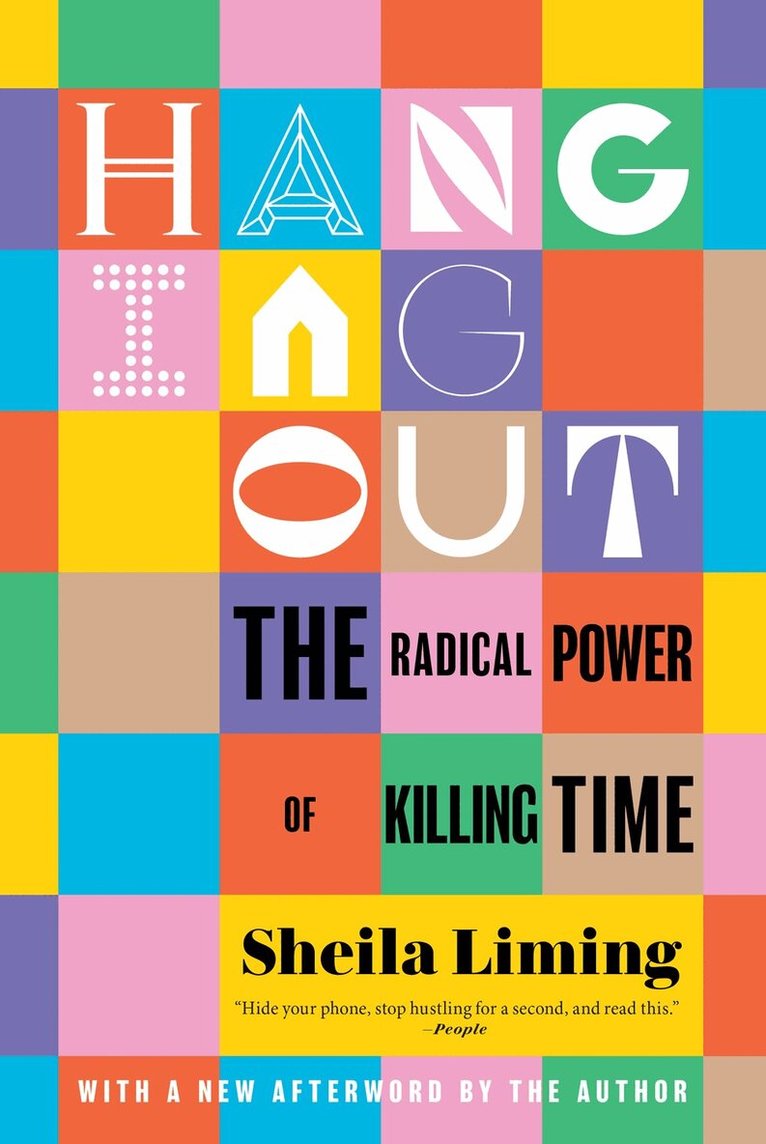
Hanging Out
Häftad, 2024
183 kr
Lägg i varukorg
"Hide your phone, stop hustling for a second, and read this passionate argument for the importance of unstructured pre-digital hang." — People Loneliness is an epidemic; it feels harder than ever to connect with others meaningfully. What can we do to remedy this? Sheila Liming has the answer: we …