Sheila Sweetinburgh - Böcker
Visar alla böcker från författaren Sheila Sweetinburgh. Handla med fri frakt och snabb leverans.
3 produkter
3 produkter
634 kr
Skickas inom 7-10 vardagar
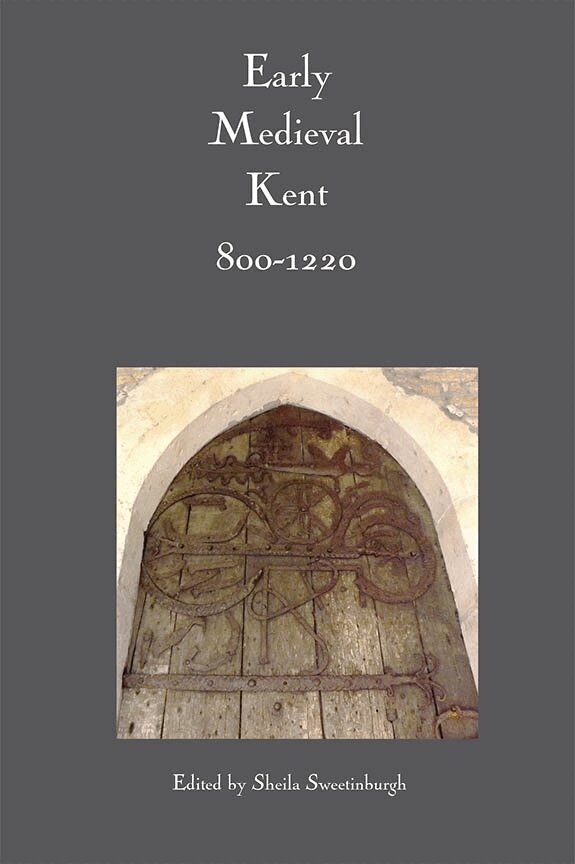
Essays on the most important aspects of Kent's history at a time of great growth and change.Duke William's march through Kent on his way to London after Hastings in 1066 is testimony to the importance of the county. So too are the royal fortifications at Canterbury, Dover and Rochester, and the mostly successful strategyof ruling Kent through a partnership of Crown and Church. The religious communities at Canterbury Cathedral and St Augustine's became two of the premier monasteries in England, and (following the death of Thomas Becket) international centres of pilgrimage. Yet, as well as times of triumph, these four hundred years witnessed massive difficulties for the people of Kent, and England. Viking incursions in two major phases covering two centuries were instrumental, for example, in the loss of most royal nunneries in Kent and the sacking of Canterbury in 1011. Socially, too, this was a formative period in the county's history. Colonization and rural settlement were shaped by the varied physical landscape, but also by matters of lordship and landholding that together marked Kent as distinctive, which would later become enshrined in the Customs of Kent (1293). Similarly the growth of numerous small towns, especially coastal and inland ports, highlight the vitality of the county's commercial development; the provision of ship service to the king by the confederation of the Cinque Ports denotes a special relationship that still exists today.These essays provide insights into a range of topics of importance in the history of Kent during this seminal period. To provide a context for these, the opening essay presents an assessment of the kingdom of Kent. Subsequentchapters consider the development of first rural and then urban society, the impact of the Vikings, pilgrimage and the landscape, literacy and learning, the developing monastic way of life, and parish church architecture. Three multidisciplinary chapters discuss Canterbury as a case study, while a gazetteer of place-name elements closes the book.Sheila Sweetinburgh is an Associate Lecturer at the University of Kent. Among her numerous publications she has edited Later Medieval Kent, 1220-1540 Contributors: Paul Bennett, Mary Berg, Stuart Brookes, Nicholas Brooks, John Cotter, Paul Cullen, Gillian Draper, Diane Heath, Hilary Powell, Andrew Richardson,Sheila Sweetinburgh, Jake Weekes.
678 kr
Tillfälligt slut
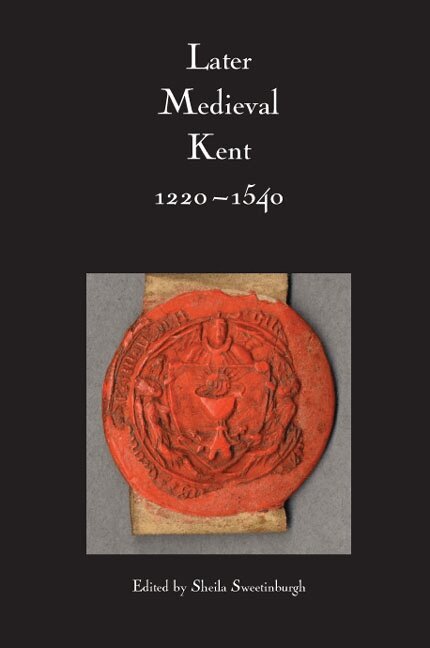
A comprehensive investigation into Kent in the later middle ages, from its agriculture to religious houses, from ship-building to the parish church.Kent was extremely important in the later middle ages. Its location between London and continental Europe; Thomas Becket's internationally famous shrine; its ancient Cinque Ports; and the early development of new religious ideas all make its history in this period particularly fascinating. The essays collected here present the fruits of new research into a wide range of topics, offering insights into all the most important aspects of life at the time. Thevolume opens with a major survey of Kent's economic history and development during the period in question; subsequent chapters consider agriculture; ship-building; the Kentish nobility and their role in regional and national politics; religious houses; heresy; magic; and the parish church.Dr Sheila Sweetinburgh teaches in the Department of English, University of Kent.Contributors: Mavis Mate, Bruce Campbell, Gillian Draper, Peter Fleming, David Grummitt, Malcolm Mercer, Barry Dobson, Elizabeth Edwards, Sheila Sweetinburgh, Robert Lutton, Karen Jones
822 kr
Skickas inom 7-10 vardagar
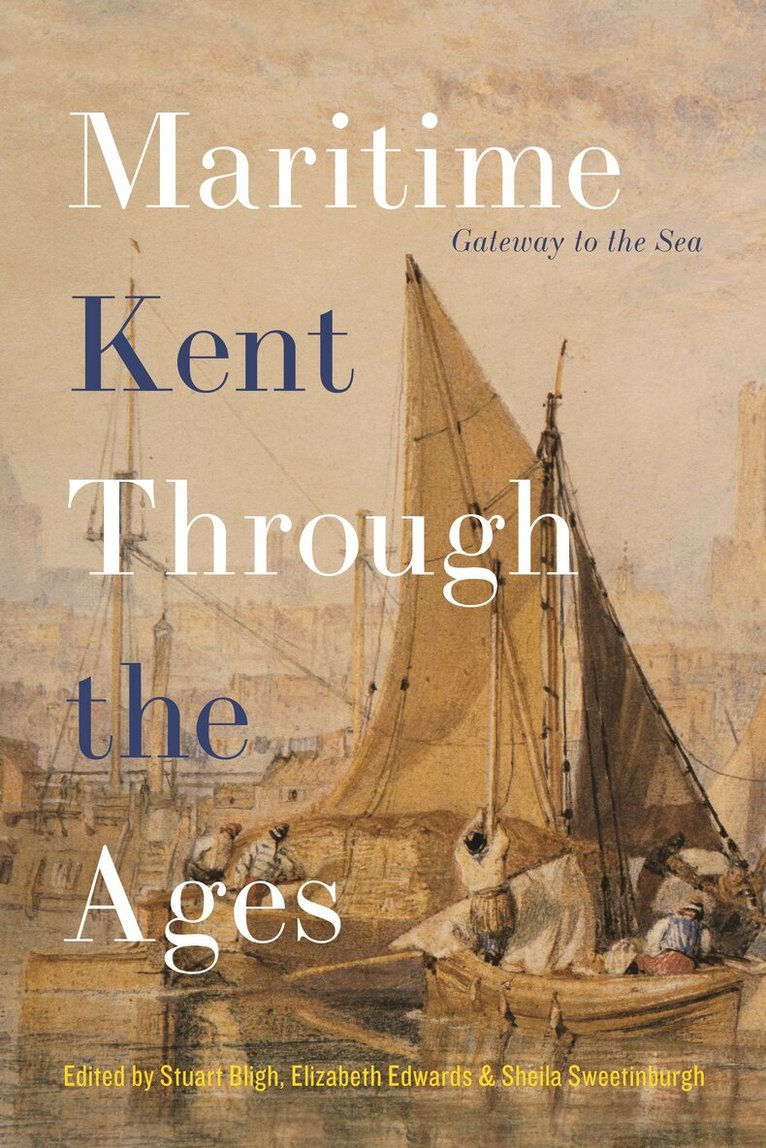
A wide-ranging history of the geography and communities of Kent from the earliest times to the present day.Kent, with its long coastline and its important geopolitical position close to London and continental Europe, and on major trading routes between Britain and the wider world, has had a very significant maritime history. This book covers a wide range of topics relating to that history from the earliest times to the present day. It sets Kent's varied coastline and waters in their geological and geographical context, showing how erosion and sediment deposition have contributed to the changing nature of maritime activities and populations. It examines Kent's strategic role in the defence of the country with the development and redevelopment of coastal defences, including four naval dockyards. It goes on to consider the supporting industries which grew up around the coastline, those which supplied raw materials and agricultural products from the county's hinterland, and its wider national and international trading links. It also discusses the diverse coastal communities of Kent and how they have changed in response to the demands of defence, trade, and changing population and migration patterns. In addition, the book includes detailed case studies which explore particular subject areas as exemplars of the major themes covered by the book.