Shelley Sang-Hee Lee - Böcker
Visar alla böcker från författaren Shelley Sang-Hee Lee. Handla med fri frakt och snabb leverans.
8 produkter
8 produkter
3 064 kr
Tillfälligt slut
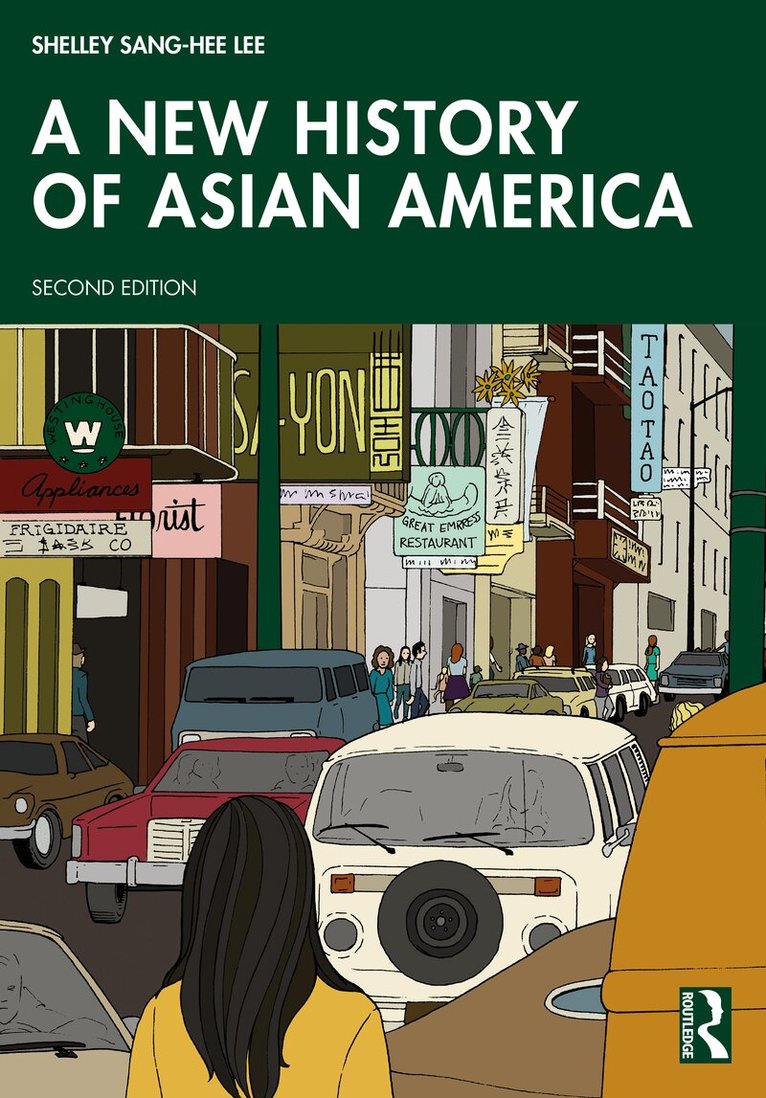
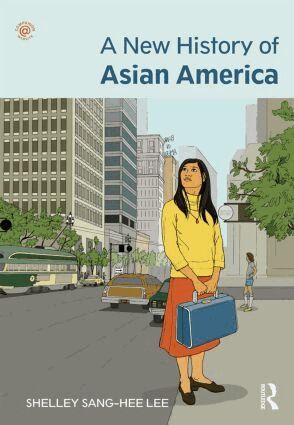
A New History of Asian America is a fresh and up-to-date history of Asians in the United States from the late eighteenth century to the present. Drawing on current scholarship, Shelley Lee brings forward the many strands of Asian American history, highlighting the distinctive nature of the Asian American experience while placing the narrative in the context of the major trajectories and turning points of U.S. history. Covering the history of Filipinos, Koreans, Asian Indians, and Southeast Indians as well as Chinese and Japanese, the book gives full attention to the diversity within Asian America. A robust companion website features additional resources for students, including primary documents, a timeline, links, videos, and an image gallery.From the building of the transcontinental railroad to the celebrity of Jeremy Lin, people of Asian descent have been involved in and affected by the history of America. A New History of Asian America gives twenty-first-century students a clear, comprehensive, and contemporary introduction to this vital history.
855 kr
Tillfälligt slut
A New History of Asian America is a fresh and up-to-date history of Asians in the United States from the late eighteenth century to the present. Drawing on current scholarship, Shelley Lee brings forward the many strands of Asian American history, highlighting the distinctive nature of the Asian American experience while placing the narrative in the context of the major trajectories and turning points of U.S. history. Covering the history of Filipinos, Koreans, Asian Indians, and Southeast Indians as well as Chinese and Japanese, the book gives full attention to the diversity within Asian America. A robust companion website features additional resources for students, including primary documents, a timeline, links, videos, and an image gallery.From the building of the transcontinental railroad to the celebrity of Jeremy Lin, people of Asian descent have been involved in and affected by the history of America. A New History of Asian America gives twenty-first-century students a clear, comprehensive, and contemporary introduction to this vital history.
2 446 kr
Skickas inom 10-15 vardagar
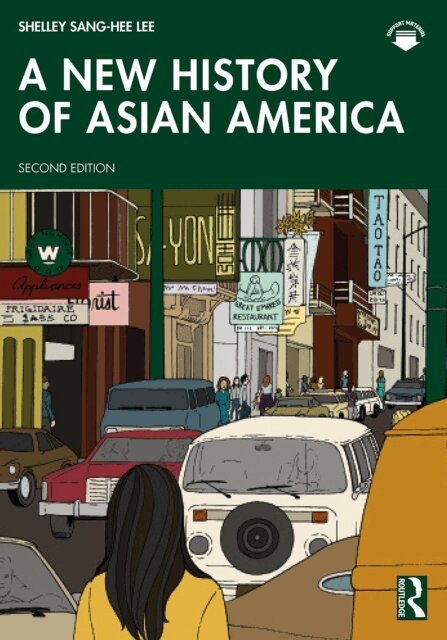
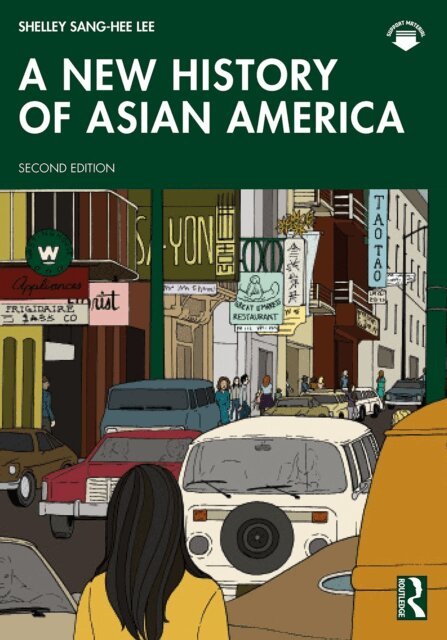
The second edition of A New History of Asian America offers an expansive, updated synthesis of the Asian American experience, making it essential reading for those seeking a nuanced understanding of Asian America’s role in shaping contemporary society.Covering Asian American history from early Orientalist conceptions preceding the United States’ founding to the racial reckonings of the 2020s, this work integrates cutting-edge research with enduring historical narratives. Groundbreaking in its approach, the book addresses urgent contemporary issues such as neoliberal multiculturalism, intensified immigration enforcement, and anti-Asian violence, alongside deepened analysis of class, gender, and transnational dynamics. Prominent case studies include post-9/11 racial profiling of Arabs and South Asians, activism during the George Floyd protests, and anti-Asian violence linked to COVID-19 rhetoric. This edition has been thoroughly revised, incorporating significant developments and scholarly innovations of the last decade while reframing familiar histories to yield fresh insights into structural violence and diasporic agency. The book remains committed to a central claim: that Asian American history is fundamental to understanding broader American histories of race, power, and resistance.Accessible yet rigorous, this book is a vital resource for students, scholars, librarians, booksellers, and general readers alike.
648 kr
Skickas inom 10-15 vardagar
The second edition of A New History of Asian America offers an expansive, updated synthesis of the Asian American experience, making it essential reading for those seeking a nuanced understanding of Asian America’s role in shaping contemporary society.Covering Asian American history from early Orientalist conceptions preceding the United States’ founding to the racial reckonings of the 2020s, this work integrates cutting-edge research with enduring historical narratives. Groundbreaking in its approach, the book addresses urgent contemporary issues such as neoliberal multiculturalism, intensified immigration enforcement, and anti-Asian violence, alongside deepened analysis of class, gender, and transnational dynamics. Prominent case studies include post-9/11 racial profiling of Arabs and South Asians, activism during the George Floyd protests, and anti-Asian violence linked to COVID-19 rhetoric. This edition has been thoroughly revised, incorporating significant developments and scholarly innovations of the last decade while reframing familiar histories to yield fresh insights into structural violence and diasporic agency. The book remains committed to a central claim: that Asian American history is fundamental to understanding broader American histories of race, power, and resistance.Accessible yet rigorous, this book is a vital resource for students, scholars, librarians, booksellers, and general readers alike.
747 kr
Skickas inom 11-20 vardagar
How the interests of Seattle and Japanese immigrants were linked in the processes of urban boosterism before World War II
318 kr
Skickas inom 11-20 vardagar
How the interests of Seattle and Japanese immigrants were linked in the processes of urban boosterism before World War II
1 143 kr
Skickas inom 7-10 vardagar
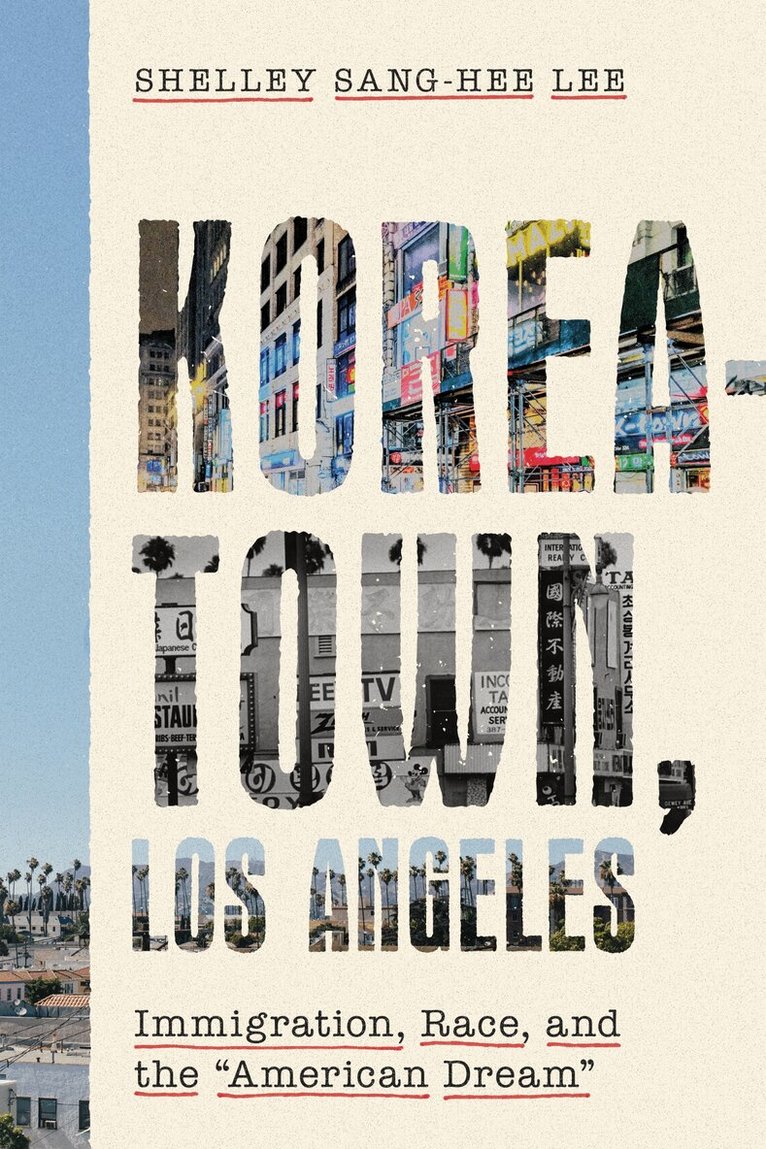
The story of how one ethnic neighborhood came to signify a shared Korean American identity.At the turn of the twenty-first century, Los Angeles County's Korean population stood at about 186,000—the largest concentration of Koreans outside of Asia. Most of this growth took place following the passage of the Hart-Celler Act of 1965, which dramatically altered US immigration policy and ushered in a new era of mass immigration, particularly from Asia and Latin America. By the 1970s, Korean immigrants were seeking to turn the area around Olympic Boulevard near downtown Los Angeles into a full-fledged "Koreatown," and over the following decades, they continued to build a community in LA.As Korean immigrants seized the opportunity to purchase inexpensive commercial and residential property and transformed the area to serve their community's needs, other minority communities in nearby South LA—notably Black and Latino working-class communities—faced increasing segregation, urban poverty, and displacement. Beginning with the early development of LA's Koreatown and culminating with the 1992 Los Angeles riots and their aftermath, Shelley Sang-Hee Lee demonstrates how Korean Americans' lives were shaped by patterns of racial segregation and urban poverty, and legacies of anti-Asian racism and orientalism. Koreatown, Los Angeles tells the story of an American ethnic community often equated with socioeconomic achievement and assimilation, but whose experiences as racial minorities and immigrant outsiders illuminate key economic and cultural developments in the United States since 1965. Lee argues that building Koreatown was an urgent objective for Korean immigrants and US-born Koreans eager to carve out a spatial niche within Los Angeles to serve as an economic and social anchor for their growing community. More than a dot on a map, Koreatown holds profound emotional significance for Korean immigrants across the nation as a symbol of their shared bonds and place in American society.
278 kr
Skickas inom 7-10 vardagar
The story of how one ethnic neighborhood came to signify a shared Korean American identity.At the turn of the twenty-first century, Los Angeles County's Korean population stood at about 186,000—the largest concentration of Koreans outside of Asia. Most of this growth took place following the passage of the Hart-Celler Act of 1965, which dramatically altered US immigration policy and ushered in a new era of mass immigration, particularly from Asia and Latin America. By the 1970s, Korean immigrants were seeking to turn the area around Olympic Boulevard near downtown Los Angeles into a full-fledged "Koreatown," and over the following decades, they continued to build a community in LA.As Korean immigrants seized the opportunity to purchase inexpensive commercial and residential property and transformed the area to serve their community's needs, other minority communities in nearby South LA—notably Black and Latino working-class communities—faced increasing segregation, urban poverty, and displacement. Beginning with the early development of LA's Koreatown and culminating with the 1992 Los Angeles riots and their aftermath, Shelley Sang-Hee Lee demonstrates how Korean Americans' lives were shaped by patterns of racial segregation and urban poverty, and legacies of anti-Asian racism and orientalism. Koreatown, Los Angeles tells the story of an American ethnic community often equated with socioeconomic achievement and assimilation, but whose experiences as racial minorities and immigrant outsiders illuminate key economic and cultural developments in the United States since 1965. Lee argues that building Koreatown was an urgent objective for Korean immigrants and US-born Koreans eager to carve out a spatial niche within Los Angeles to serve as an economic and social anchor for their growing community. More than a dot on a map, Koreatown holds profound emotional significance for Korean immigrants across the nation as a symbol of their shared bonds and place in American society.