Sherry Roush – författare
Visar alla böcker från författaren Sherry Roush. Handla med fri frakt och snabb leverans.
10 produkter
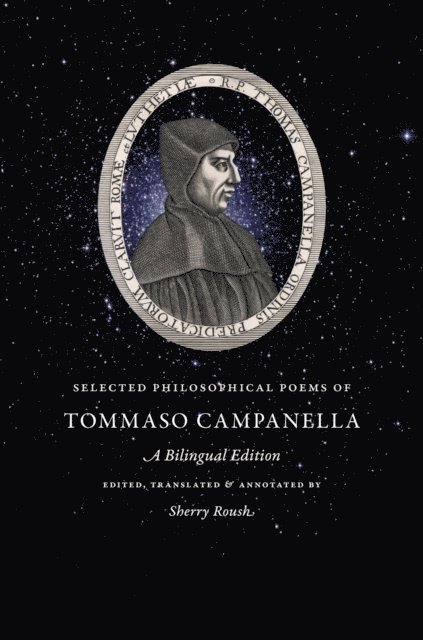
Selected Philosophical Poems of Tommaso Campanella
A Bilingual Edition
Av Tommaso Campanella, Sherry Roush
E-bok, 2011
1322 kr
Lägg i varukorg
A contemporary of Giordano Bruno and Galileo, Tommaso Campanella (1568–1639) was a controversial philosopher, theologian, astrologer, and poet who was persecuted during the Inquisition and spent much of his adult life imprisoned because of his heterodox views. He is best known today for two works: …
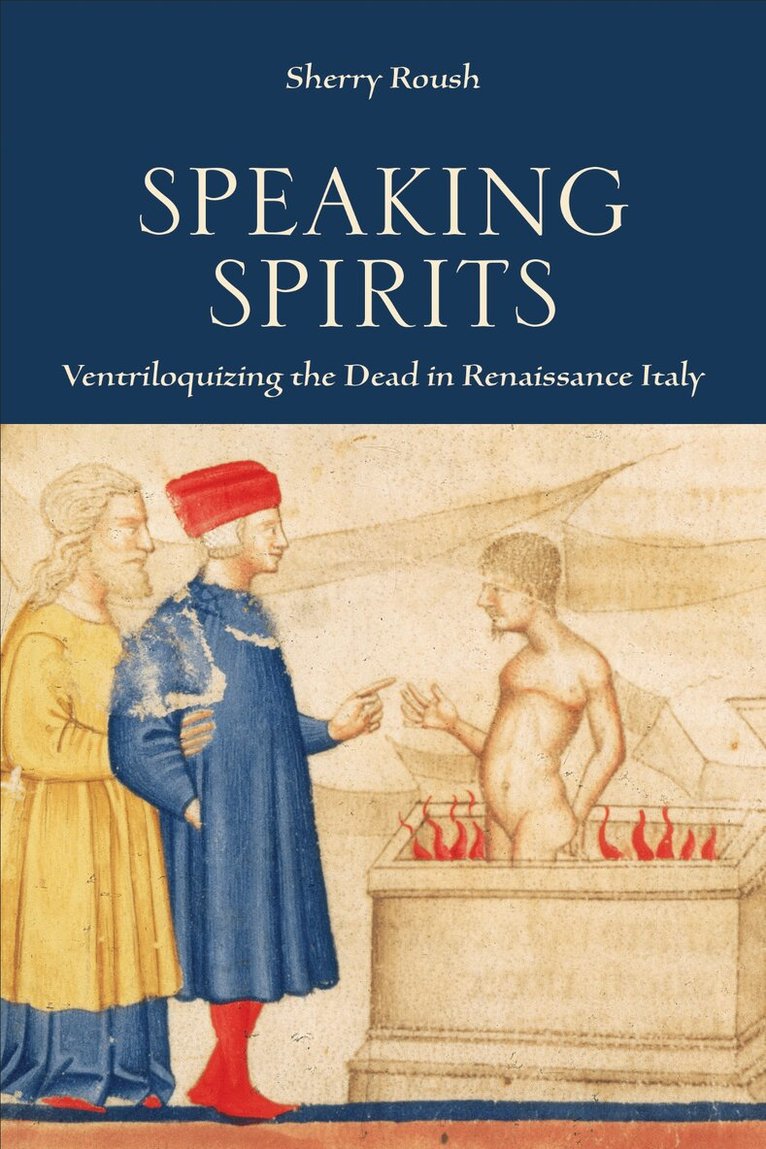
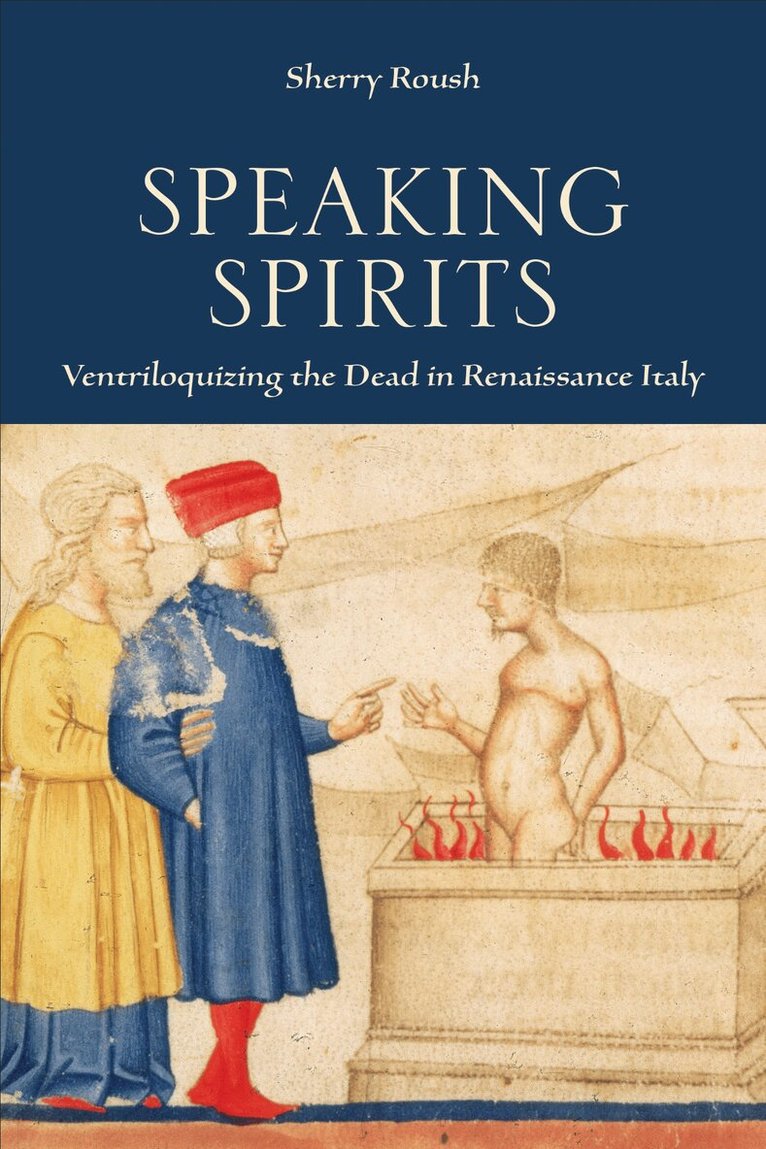
Speaking Spirits
Ventriloquizing the Dead in Renaissance Italy
Av Sherry Roush
E-bok, 2015
506 kr
Lägg i varukorg
In classical and early modern rhetoric, to write or speak using the voice of a dead individual is known as eidolopoeia. Whether through ghost stories, journeys to another world, or dream visions, Renaissance writers frequently used this rhetorical device not only to co-opt the authority of their …
Speaking Spirits
Ventriloquizing the Dead in Renaissance Italy
Av Sherry Roush
E-bok, 2015
544 kr
Lägg i varukorg
In classical and early modern rhetoric, to write or speak using the voice of a dead individual is known as eidolopoeia. Whether through ghost stories, journeys to another world, or dream visions, Renaissance writers frequently used this rhetorical device not only to co-opt the authority of their …
Speaking Spirits
Ventriloquizing the Dead in Renaissance Italy
Av Sherry Roush
Inbunden, 2015
874 kr
Lägg i varukorg
In classical and early modern rhetoric, to write or speak using the voice of a dead individual is known as eidolopoeia. Whether through ghost stories, journeys to another world, or dream visions, Renaissance writers frequently used this rhetorical device not only to co-opt the authority of their …
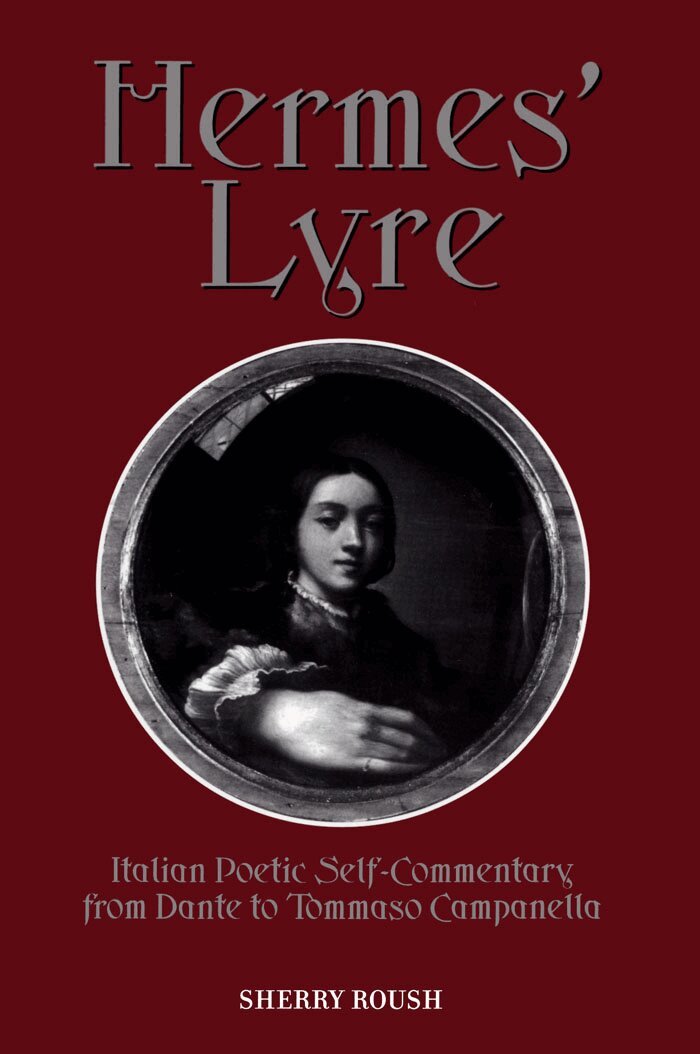
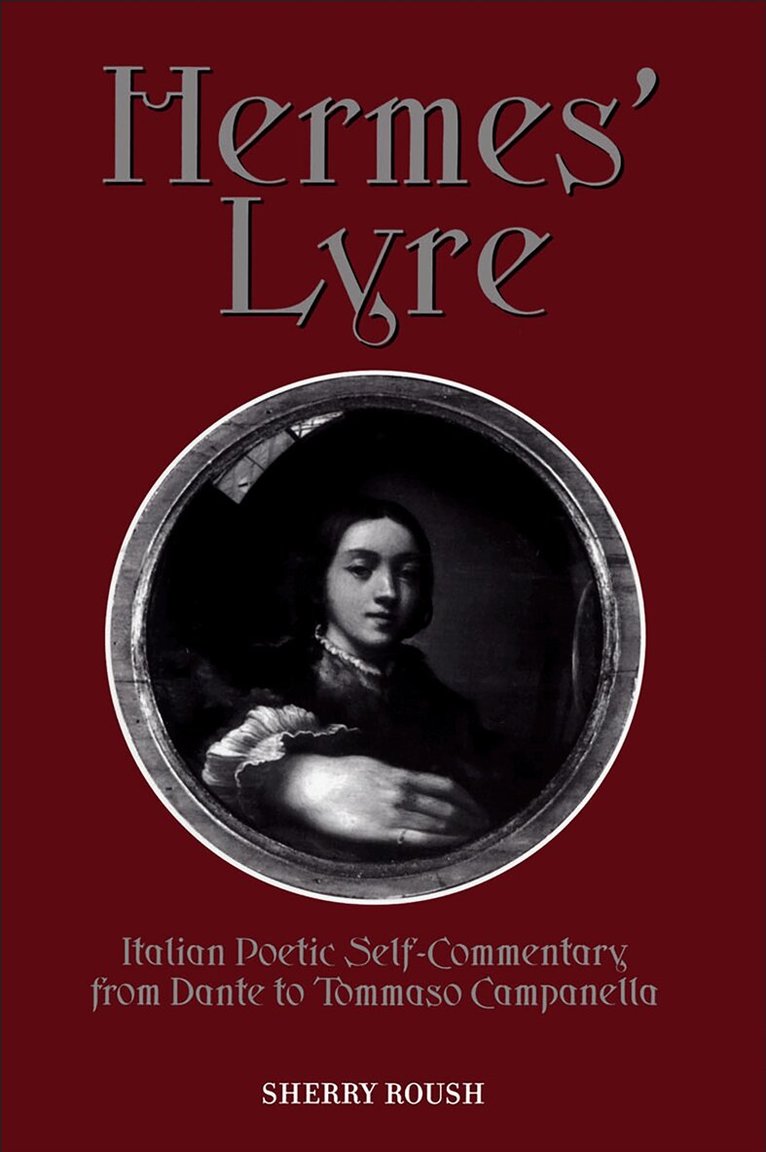
Hermes' Lyre
Italian Poetic Self-Commentary from Dante to Tommaso Campanella
Av Sherry Roush
E-bok, 2002
1181 kr
Lägg i varukorg
From the mysterious glosses by 'EK' in the poetry of Edmund Spenser, to the self-commentary in Vladimir Nabokov's Pale Fire, readers of literature have been fascinated by the comments, addenda, and footnotes added by authors to their own work. In this insightful and original work, Sherry Roush …
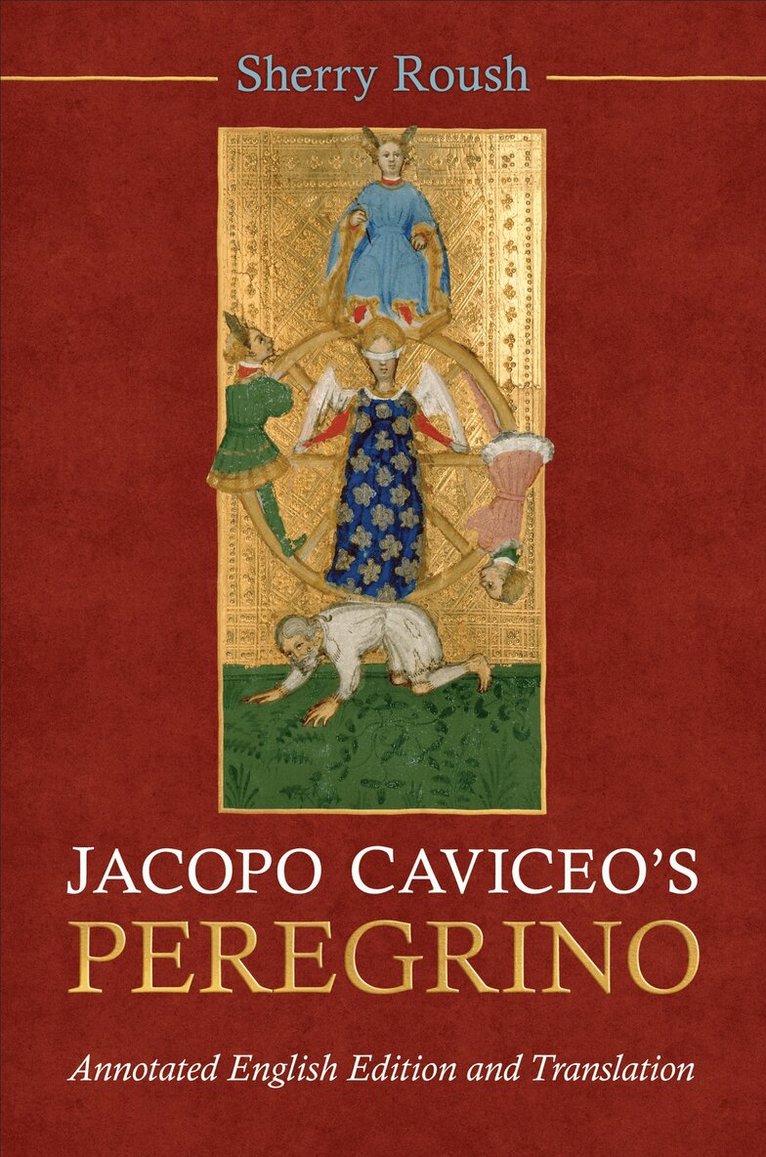
Jacopo Caviceo's Peregrino
Annotated English Edition and Translation
Av Sherry Roush
Inbunden, 2023
1163 kr
Lägg i varukorg
Jacopo Caviceo’s Peregrino (1508) was a popular Renaissance prose romance in Italy, France, and Spain. Considered the first novel written for women, Peregrino relates the courtship of two young lovers from hostile households who succeed in doing what Romeo and Juliet, among others, could not: …
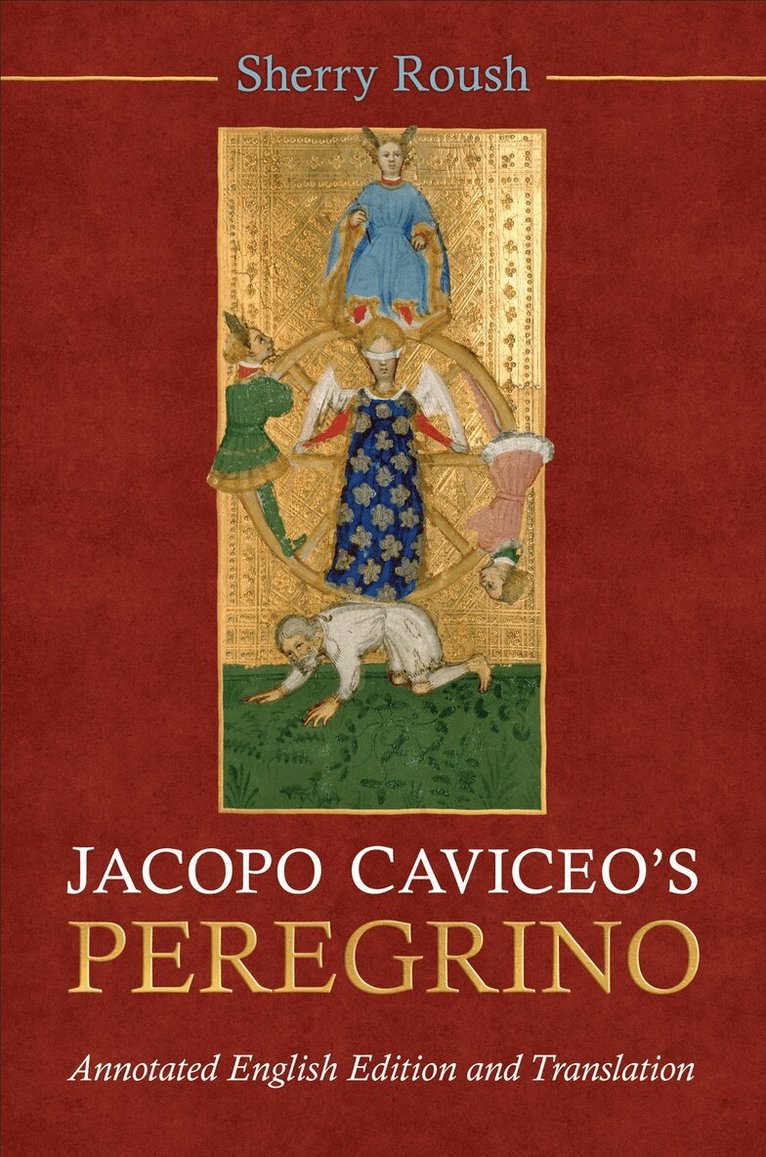
Jacopo Caviceo's Peregrino
Annotated English Edition and Translation
Av Sherry Roush
E-bok, 2023
1424 kr
Lägg i varukorg
Jacopo Caviceo’s Peregrino (1508) was a popular Renaissance prose romance in Italy, France, and Spain. Considered the first novel written for women, Peregrino relates the courtship of two young lovers from hostile households who succeed in doing what Romeo and Juliet, among others, could not: …
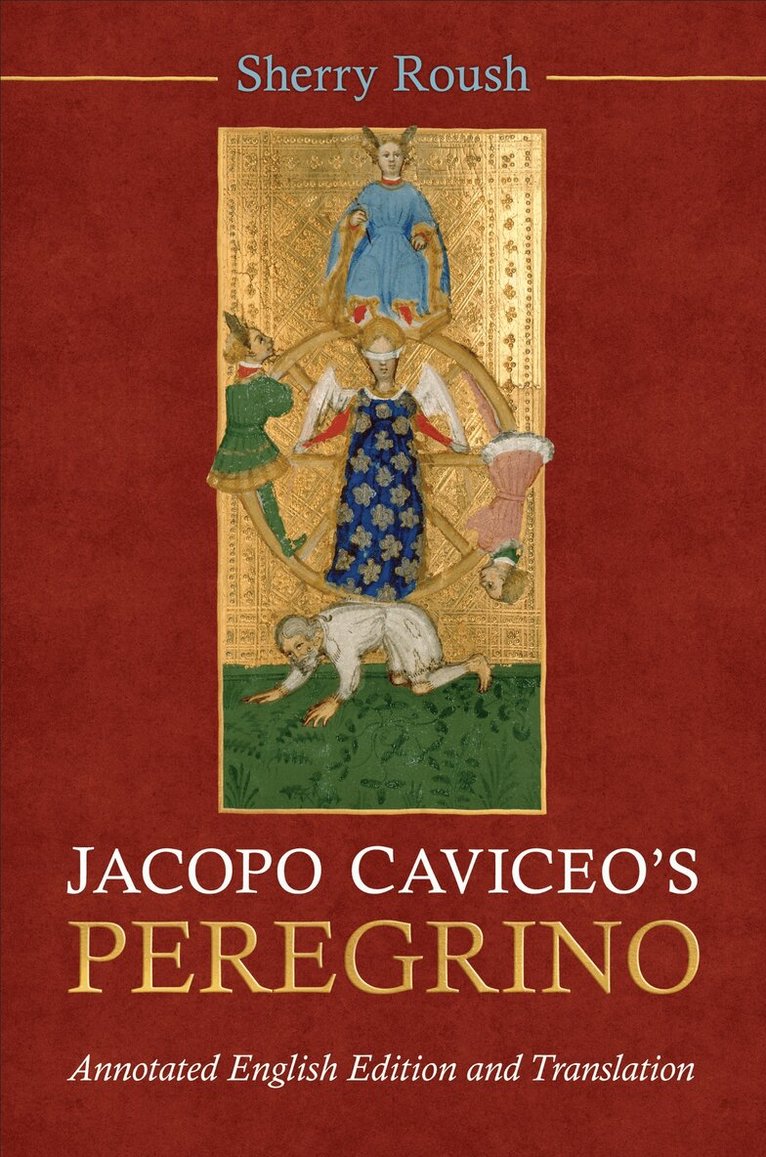
Jacopo Caviceo's Peregrino
Annotated English Edition and Translation
Av Sherry Roush
E-bok, 2023
1424 kr
Lägg i varukorg
Jacopo Caviceo’s Peregrino (1508) was a popular Renaissance prose romance in Italy, France, and Spain. Considered the first novel written for women, Peregrino relates the courtship of two young lovers from hostile households who succeed in doing what Romeo and Juliet, among others, could not: …
Speaking Spirits
Ventriloquizing the Dead in Renaissance Italy
Av Sherry Roush
Häftad, 2022
409 kr
Lägg i varukorg
In classical and early modern rhetoric, to write or speak using the voice of a dead individual is known as eidolopoeia. Whether through ghost stories, journeys to another world, or dream visions, Renaissance writers frequently used this rhetorical device not only to co-opt the authority of their …
Hermes' Lyre
Italian Poetic Self-Commentary from Dante to Tommaso Campanella
Av Sherry Roush
Inbunden, 2002
858 kr
Tillfälligt slut
From the mysterious glosses by 'EK' in the poetry of Edmund Spenser, to the self-commentary in Vladimir Nabokov's Pale Fire, readers of literature have been fascinated by the comments, addenda, and footnotes added by authors to their own work. In this insightful and original work, Sherry Roush …