Shinjini Das – författare
Visar alla böcker från författaren Shinjini Das. Handla med fri frakt och snabb leverans.
6 produkter
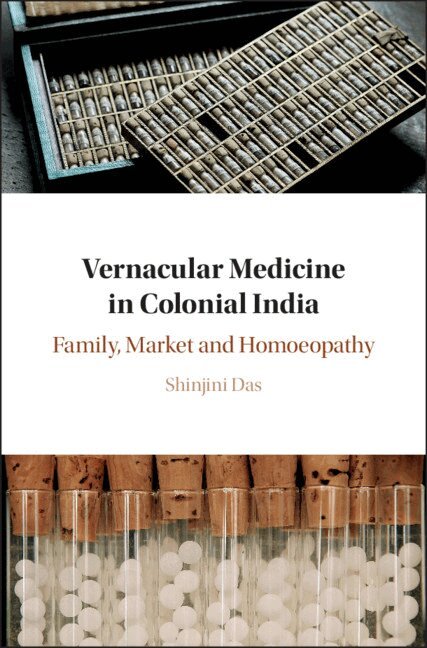
Vernacular Medicine in Colonial India
Family, Market and Homoeopathy
Av Shinjini Das
Inbunden, 2019
1420 kr
Lägg i varukorg
Conceptualised in opposition to 'orthodox' medicine, homoeopathy, a western medical project originating in eighteenth-century Germany, was reconstituted as vernacular medicine in British Bengal. India went on to become the home of the largest population of users of homoeopathic medicine in the …
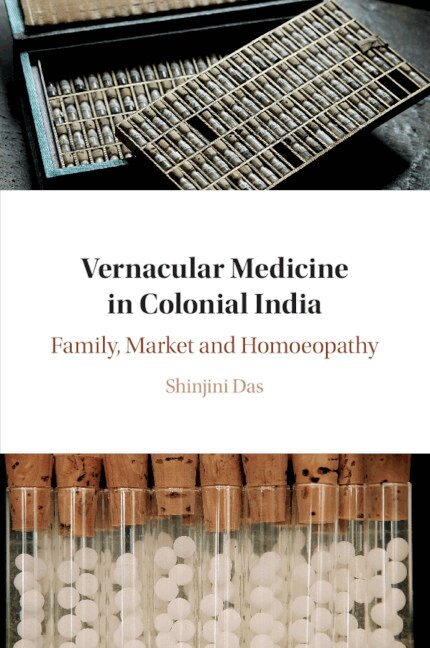
Vernacular Medicine in Colonial India
Family, Market and Homoeopathy
Av Shinjini Das
Häftad, 2020
586 kr
Lägg i varukorg
Conceptualised in opposition to 'orthodox' medicine, homoeopathy, a western medical project originating in eighteenth-century Germany, was reconstituted as vernacular medicine in British Bengal. India went on to become the home of the largest population of users of homoeopathic medicine in the …
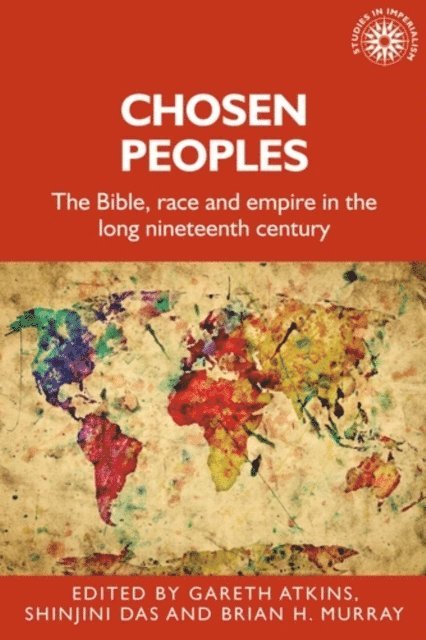
Chosen Peoples
The Bible, Race and Empire in the Long Nineteenth Century
Av Gareth Atkins, Shinjini Das m. fl.
Inbunden, 2020
1227 kr
Lägg i varukorg
Chosen peoples demonstrates how biblical themes, ideas and metaphors shaped racial, national and imperial identities in the long nineteenth century. Even as radical new ideas challenged the historicity of the Bible, biblical notions of lineage, descent and inheritance continued to inform …
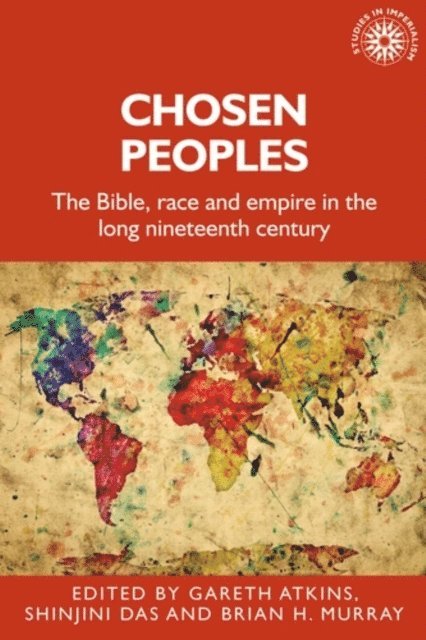
Chosen Peoples
The Bible, Race and Empire in the Long Nineteenth Century
Av Gareth Atkins, Shinjini Das m. fl.
E-bok, 2020
357 kr
Lägg i varukorg
Chosen peoples demonstrates how biblical themes, ideas and metaphors shaped racial, national and imperial identities in the long nineteenth century. Even as radical new ideas challenged the historicity of the Bible, biblical notions of lineage, descent and inheritance continued to inform …
Chosen Peoples
The Bible, Race and Empire in the Long Nineteenth Century
Av Gareth Atkins, Shinjini Das m. fl.
E-bok, 2020
357 kr
Lägg i varukorg
Chosen peoples demonstrates how biblical themes, ideas and metaphors shaped racial, national and imperial identities in the long nineteenth century. Even as radical new ideas challenged the historicity of the Bible, biblical notions of lineage, descent and inheritance continued to inform …
Chosen Peoples
The Bible, Race and Empire in the Long Nineteenth Century
Av Gareth Atkins, Shinjini Das m. fl.
Häftad, 2021
443 kr
Lägg i varukorg
Chosen peoples demonstrates how biblical themes, ideas and metaphors shaped racial, national and imperial identities in the long nineteenth century. Even as radical new ideas challenged the historicity of the Bible, biblical notions of lineage, descent and inheritance continued to inform …