Shlomit Flint Ashery - Böcker
Visar alla böcker från författaren Shlomit Flint Ashery. Handla med fri frakt och snabb leverans.
7 produkter
7 produkter
1 064 kr
Skickas inom 10-15 vardagar
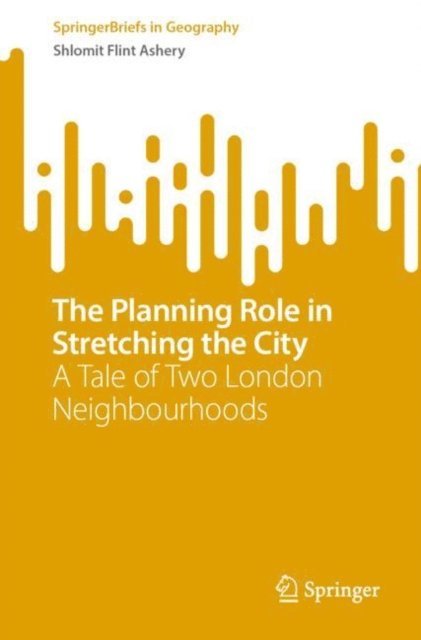
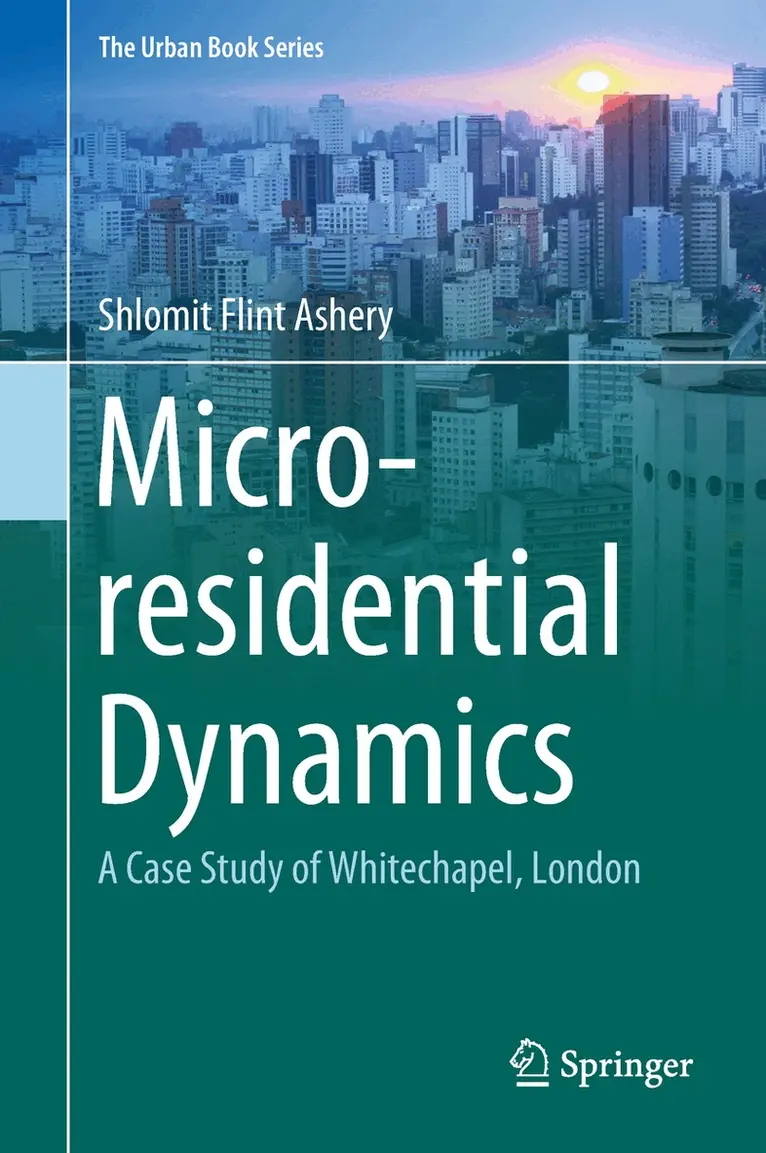
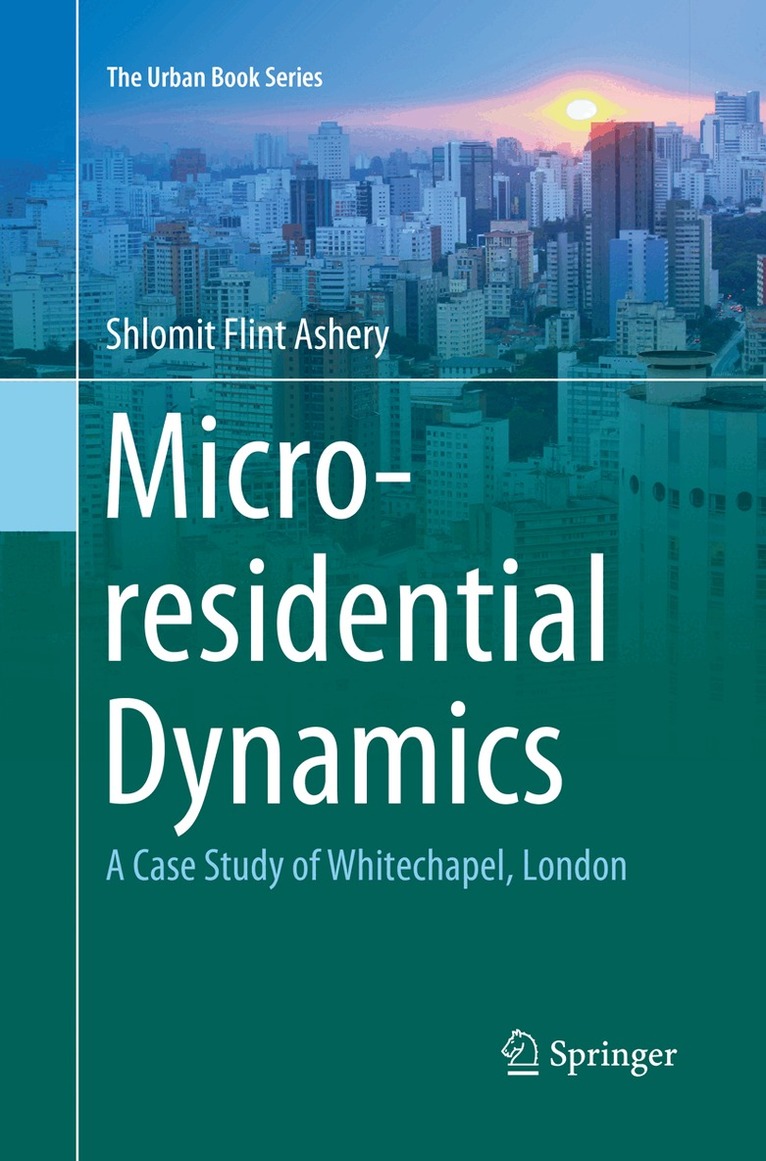
This book examines how non-economic inter- and intra-group relationships were reflected in residential patterns around the first decade of the 21st century in Whitechapel, an old yet attractive absorption neighbourhood in east London, UK. It sheds light on different levels of organisation that shape urban space and suggests an integrated understanding linking socio-cultural-religious norms and the urban environment that could be extrapolated to other cities. It studies core methodologies through joining of detailed, primary empirical research, collected through direct engagement with the communities of interest, with a wider theoretical and modelling framework. This study identifies the main engines of organised neighbourhood change and the difficulties of planning. It deals with individuals in the housing market and sheds light on similar processes occurring in other city centres with diverse population groups.Based on residential records at the resolution of single family and apartment covering a period of 17 years, the study reveals and analyses powerful mechanisms of residential relations at the apartment, building and the near neighbourhood level. Taken together, these revealed mechanisms are candidates for explaining the dynamics of residential segregation in the area during the period 1995 to 2012. Whitechapel's communities are extremely diverse, composed of 27 ethnic and religious groups and sub-groups. The residential preferences of group members are highly affected by the need to live among "friends" – other members of the same group. How is it that the area has been so attractive for so many people to live in, whilst at the same time being so diverse that people cannot achieve their stated preferences to live amongst 'friends'?
1 064 kr
Skickas inom 10-15 vardagar
This book examines how non-economic inter- and intra-group relationships were reflected in residential patterns around the first decade of the 21st century in Whitechapel, an old yet attractive absorption neighbourhood in east London, UK. It sheds light on different levels of organisation that shape urban space and suggests an integrated understanding linking socio-cultural-religious norms and the urban environment that could be extrapolated to other cities. It studies core methodologies through joining of detailed, primary empirical research, collected through direct engagement with the communities of interest, with a wider theoretical and modelling framework. This study identifies the main engines of organised neighbourhood change and the difficulties of planning. It deals with individuals in the housing market and sheds light on similar processes occurring in other city centres with diverse population groups.Based on residential records at the resolution of single family and apartment covering a period of 17 years, the study reveals and analyses powerful mechanisms of residential relations at the apartment, building and the near neighbourhood level. Taken together, these revealed mechanisms are candidates for explaining the dynamics of residential segregation in the area during the period 1995 to 2012. Whitechapel's communities are extremely diverse, composed of 27 ethnic and religious groups and sub-groups. The residential preferences of group members are highly affected by the need to live among "friends" – other members of the same group. How is it that the area has been so attractive for so many people to live in, whilst at the same time being so diverse that people cannot achieve their stated preferences to live amongst 'friends'?
1 064 kr
Skickas inom 10-15 vardagar
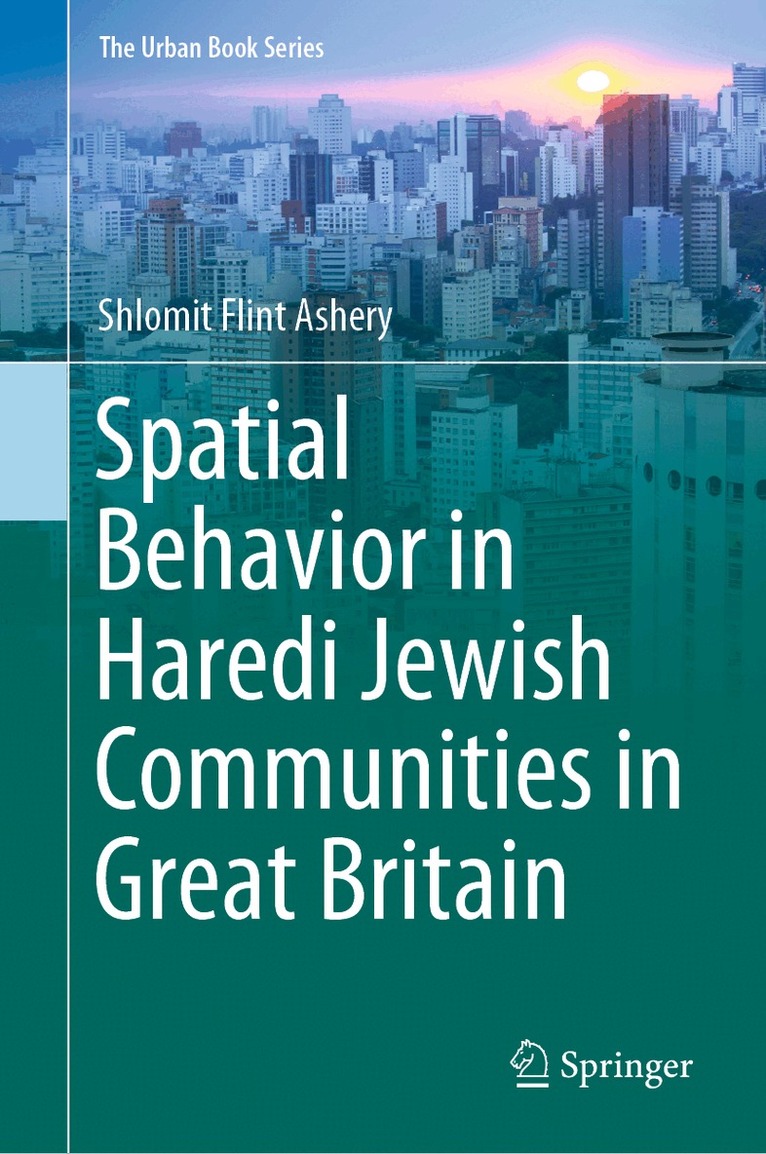
This book focuses on the strict orthodox Jewish (Haredi) community, which comprises many sects whose communal identity plays a central role in everyday life and spatial organization. The research reveals and analyses powerful mechanisms of residential segregation acting at the apartment-, building- and near-neighbourhood levels. Identifying the main engines of spontaneous and organised neighbourhood change and evaluating the difficulties of liberalism dealing with non-autonomous individuals in the housing market sheds light on similar processes occurring in other city centres with diverse population groups. Highlighting the impact of various organisational levels on the spatial structure of the urban enclave, the book focuses on the internal dynamics of ethno-religious enclaves that emerge from three levels of action: (1) individuals' relationships with their own and other groups; (2) the community leadership's powers within the group and in respect of other groups; and (3) government directives and tools (e.g planning). The study examines how different levels of communal organisation are reflected in the residential patterns of four British communities: the Litvish communities of Golders Green and Gateshead, and the Hassidic communities of Stamford Hill and Canvey Island.
1 064 kr
Skickas inom 10-15 vardagar
Highlighting the impact of various organisational levels on the spatial structure of the urban enclave, the book focuses on the internal dynamics of ethno-religious enclaves that emerge from three levels of action: (1) individuals' relationships with their own and other groups;
497 kr
Skickas inom 10-15 vardagar
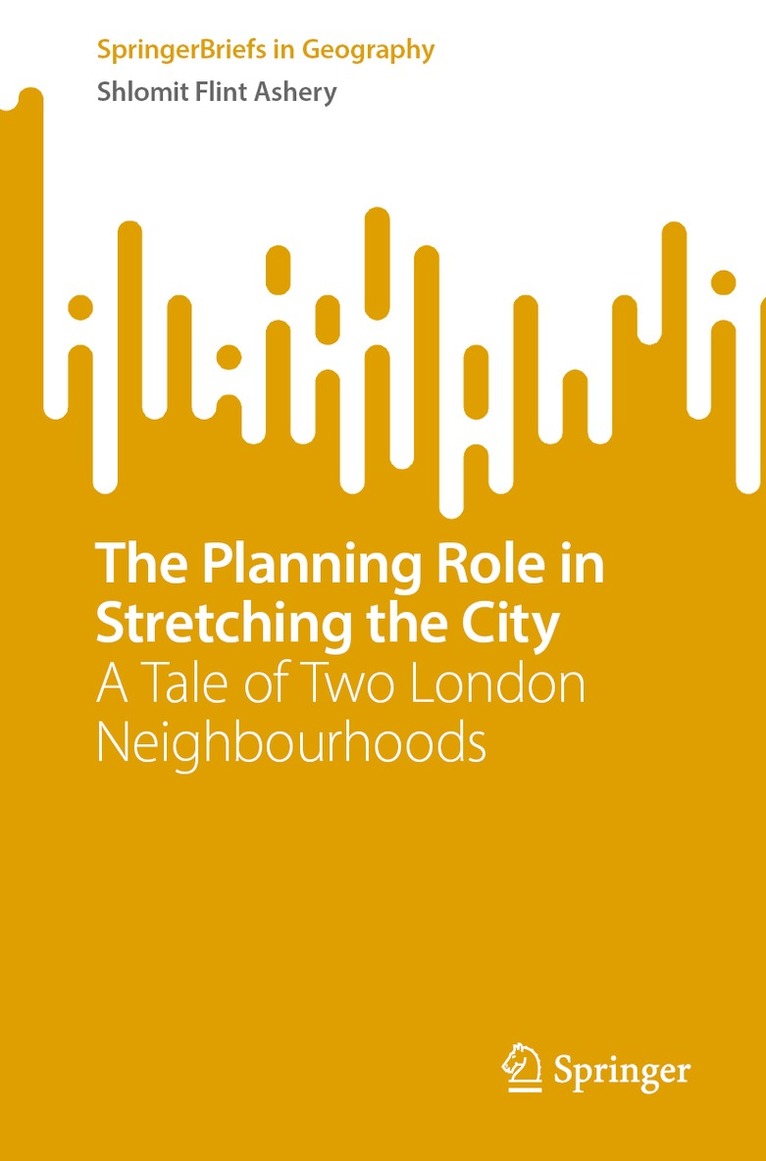
This research aims to uncover new insights into minority housing strategies and their impact on densely populated urban areas.
1 593 kr
Skickas inom 10-15 vardagar
This book examines how map-based collaboration software can facilitate negotiations in areas undergoing contentious pressures for significant change. Based on case studies from Israel, it aims to introduce a useful model of planning implementation as an outcome of complex interaction to reduce the gap between planning and urban reality. It puts an analytical realist foundation for a productive discussion of the role of future planning and bares meaningful scientific contributions to the general frame of the negotiating process and implementation, which still needs further research and elaboration.Geodesign, a cutting-edge planning approach that is rooted in the history of planning practice, has become one of the most popular approaches for sustainable planning and design activities after 2000s. Planners tend to think of design at a site scale, but geodesign covers a variety of scales, bridging the gap between the regional and the local contexts.This is important because to be practically effective and politically prudent, "smart growth" plans need to make sense across a spectrum of scales and disciplines. This ranges from design, urban design, community planning, town and city planning, and regional planning, up to planning for mega-regions.
1 640 kr
Skickas inom 10-15 vardagar
This book examines how map-based collaboration software can facilitate negotiations in areas undergoing contentious pressures for significant change. Based on case studies from Israel, it aims to introduce a useful model of planning implementation as an outcome of complex interaction to reduce the gap between planning and urban reality. It puts an analytical realist foundation for a productive discussion of the role of future planning and bares meaningful scientific contributions to the general frame of the negotiating process and implementation, which still needs further research and elaboration.Geodesign, a cutting-edge planning approach that is rooted in the history of planning practice, has become one of the most popular approaches for sustainable planning and design activities after 2000s. Planners tend to think of design at a site scale, but geodesign covers a variety of scales, bridging the gap between the regional and the local contexts.This is important because to be practically effective and politically prudent, "smart growth" plans need to make sense across a spectrum of scales and disciplines. This ranges from design, urban design, community planning, town and city planning, and regional planning, up to planning for mega-regions.