Sidita Kushi - Böcker
Visar alla böcker från författaren Sidita Kushi. Handla med fri frakt och snabb leverans.
3 produkter
3 produkter
312 kr
Skickas
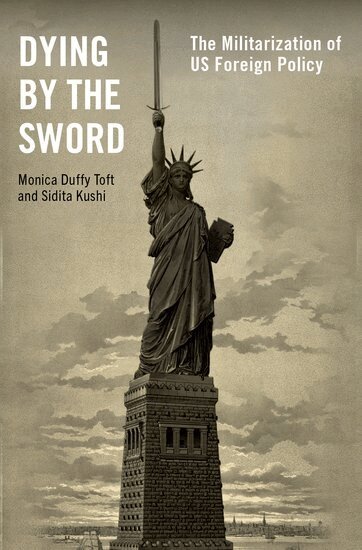
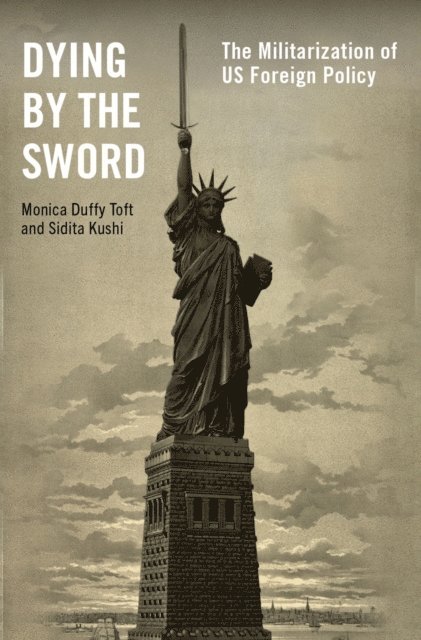
Dying by the Sword explores the US's evolving foreign policies from the Founding era to the present in order to ring the alarm on the US's increasing reliance on "kinetic" global diplomacy. Monica Duffy Toft and Sidita Kushi find that since the end of the Cold War and especially after 9/11, the US has initiated higher rates of military interventions, drastically escalating its usage of force abroad. Lacking clear national strategic goals, the US now pursues a whack-a-mole security policy that is more reactionary than deliberate. The book explores every major era of US foreign policy, combining historical narrative with anecdotes from US foreign policy officials, case studies, and evidence drawn from the Military Intervention Project (MIP), which measures the extent of US reliance on force. Each chapter highlights the ways in which the US used and balanced primary tools of statecraft—war, trade, and diplomacy—to achieve its objectives. It showcases, however, that in recent decades, the US has heavily favored force over the other pillars of statecraft. The book concludes with a warning that if the US does not reduce its reliance on kinetic diplomacy, it may do irrevocable damage to its diplomatic corps and doom itself to costly wars of choice. If this trend continues, it could spell disaster for the US's image, its credibility, and—ultimately—its ability to help maintain international stability.
From Kosovo to Darfur
The Regional Biases within Humanitarian Military Interventionism
Häftad, Engelska, 2025
474 kr
Skickas inom 7-10 vardagar
Why are some violent crises more likely to prompt humanitarian military interventions than others? Conventional wisdom says that humanitarian military interventions occur due to national interests, shared values and norms, or economic benefits for the interveners. Yet neither of these factors can fully explain the selectivity of such interventions. The international community continues to ignore the decades-long suffering in Darfur, often dismisses the genocidal policies within Myanmar, and even perpetuates the suffering in contemporary Yemen, while undertaking humanitarian-laden missions in Libya, Syria, and the Balkans.Using in-depth case studies and new data on all post–Cold War internal armed conflicts matched to third-party responses, From Kosovo to Darfur offers the first regionally sensitive analysis of humanitarian military intervention since the end of the Cold War. It shows that international military interventions in the context of acute humanitarian crises are driven by different pathways within the Western versus the non-Western world and fueled by elite perceptions of the crisis, making interventions closer to the geographic and cultural West most probable and most intense. As our international community becomes increasingly interdependent and aware of human suffering across borders, From Kosovo to Darfur points to new pathways of conflict trajectories and reveals vital implications for leaders, scholars, and nongovernmental actors advocating for or against international military intervention as a policy choice.
From Kosovo to Darfur
The Regional Biases within Humanitarian Military Interventionism
Inbunden, Engelska, 2025
1 497 kr
Skickas inom 7-10 vardagar
Why are some violent crises more likely to prompt humanitarian military interventions than others? Conventional wisdom says that humanitarian military interventions occur due to national interests, shared values and norms, or economic benefits for the interveners. Yet neither of these factors can fully explain the selectivity of such interventions. The international community continues to ignore the decades-long suffering in Darfur, often dismisses the genocidal policies within Myanmar, and even perpetuates the suffering in contemporary Yemen, while undertaking humanitarian-laden missions in Libya, Syria, and the Balkans.Using in-depth case studies and new data on all post–Cold War internal armed conflicts matched to third-party responses, From Kosovo to Darfur offers the first regionally sensitive analysis of humanitarian military intervention since the end of the Cold War. It shows that international military interventions in the context of acute humanitarian crises are driven by different pathways within the Western versus the non-Western world and fueled by elite perceptions of the crisis, making interventions closer to the geographic and cultural West most probable and most intense. As our international community becomes increasingly interdependent and aware of human suffering across borders, From Kosovo to Darfur points to new pathways of conflict trajectories and reveals vital implications for leaders, scholars, and nongovernmental actors advocating for or against international military intervention as a policy choice.