Silvia Evangelisti - Böcker
Visar alla böcker från författaren Silvia Evangelisti. Handla med fri frakt och snabb leverans.
2 produkter
2 produkter
2 150 kr
Skickas inom 10-15 vardagar
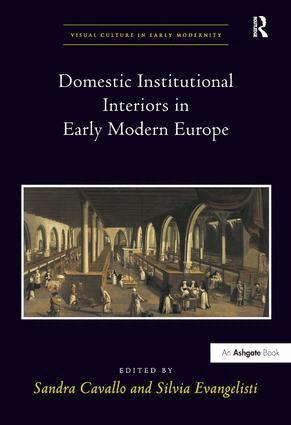
The early modern period saw the proliferation of religious, public and charitable institutions and the emergence of new educational structures. By bringing together two areas of inquiry that have so far been seen as distinct, the study of institutions and that of the house and domesticity, this collection provides new insights into the domestic experience of men, women and children who lived in non-family arrangements, while also expanding and problematizing the notion of 'domestic interior'. Through specific case studies, contributors reassess the validity of the categories 'domestic' and 'institutional' and of the oppositions private public, communal individual, religious profane applied to institutional spaces and objects. They consider how rituals, interior decorations, furnishings and images were transferred from the domestic to the institutional interior and vice versa, but also the creative ways in which the residents participated in the formation of their living settings. A variety of secular and religious institutions are considered: hospitals, asylums and orphanages, convents, colleges, public palaces of the ducal and papal court. The interest and novelty of this collection resides in both its subject matter and its interdisciplinary and Europe-wide dimension. The theme is addressed from the perspective of art history, architectural history, and social, gender and cultural history. Chapters deal with Italy, Britain, the Netherlands, Flanders and Portugal and with both Protestant and Catholic settings. The wide range of evidence employed by contributors includes sources - such as graffiti, lottery tickets or garland pictures - that have rarely if ever been considered by historians.
447 kr
Skickas inom 10-15 vardagar
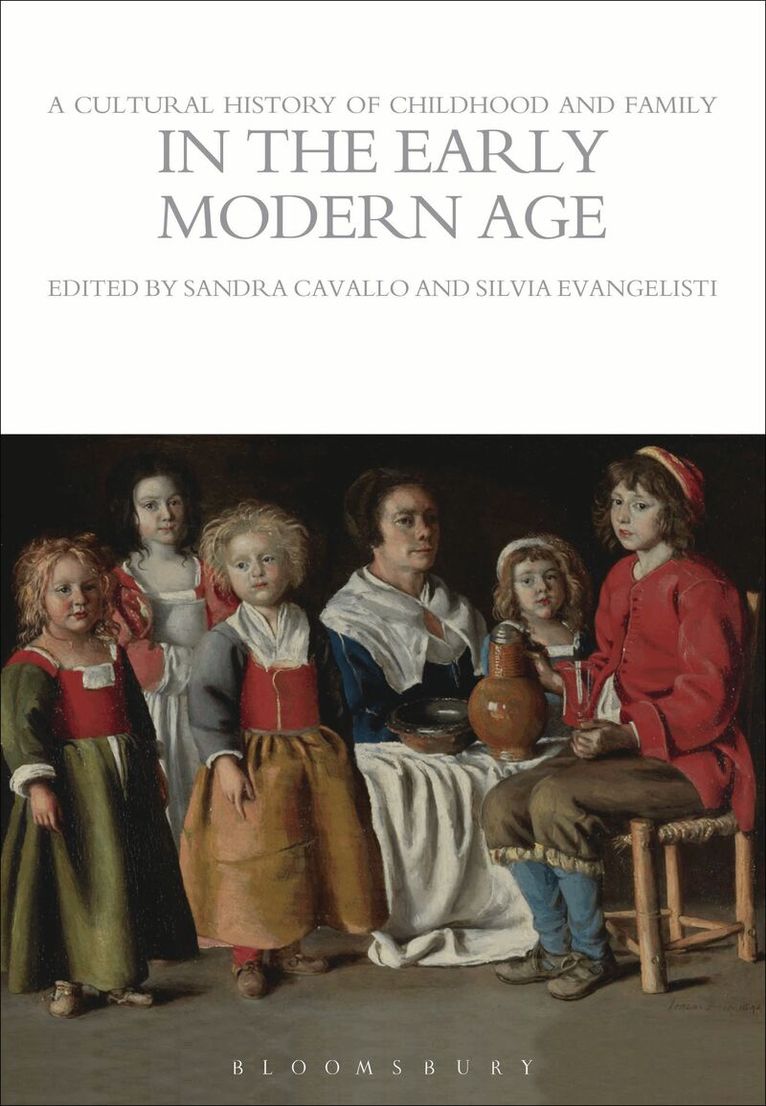
The period spanning the 15th to the 17th centuries saw an unprecedented interest in childrearing and the family. Renaissance humanist thought valued the education of children while promoting the family as a mirror of a well-ordered society, based on class, gender, and age hierarchies. Protestant and Catholic reformers and state-sponsored disciplinary measures further reinforced authority within the family, with marriage seen as a primary instrument for moralizing sexual customs. The proliferation of printed books and artworks representing the family popularized models of domestic life across Europe and its newly acquired colonies. At the same time, high mortality, repeated wars, poverty, increased migration, and geographical mobility severely undermined these idealized notions of family and childhood, giving rise to a wide range of unconventional and highly unstable households. A Cultural History of Childhood and Family in the Early Modern Age presents essays on family relationships, community, economy, geography and the environment, education, life cycle, the state, faith and religion, health and science, and world contexts.