Silvia Z. Mitchell - Böcker
Visar alla böcker från författaren Silvia Z. Mitchell. Handla med fri frakt och snabb leverans.
4 produkter
4 produkter
460 kr
Skickas inom 7-10 vardagar
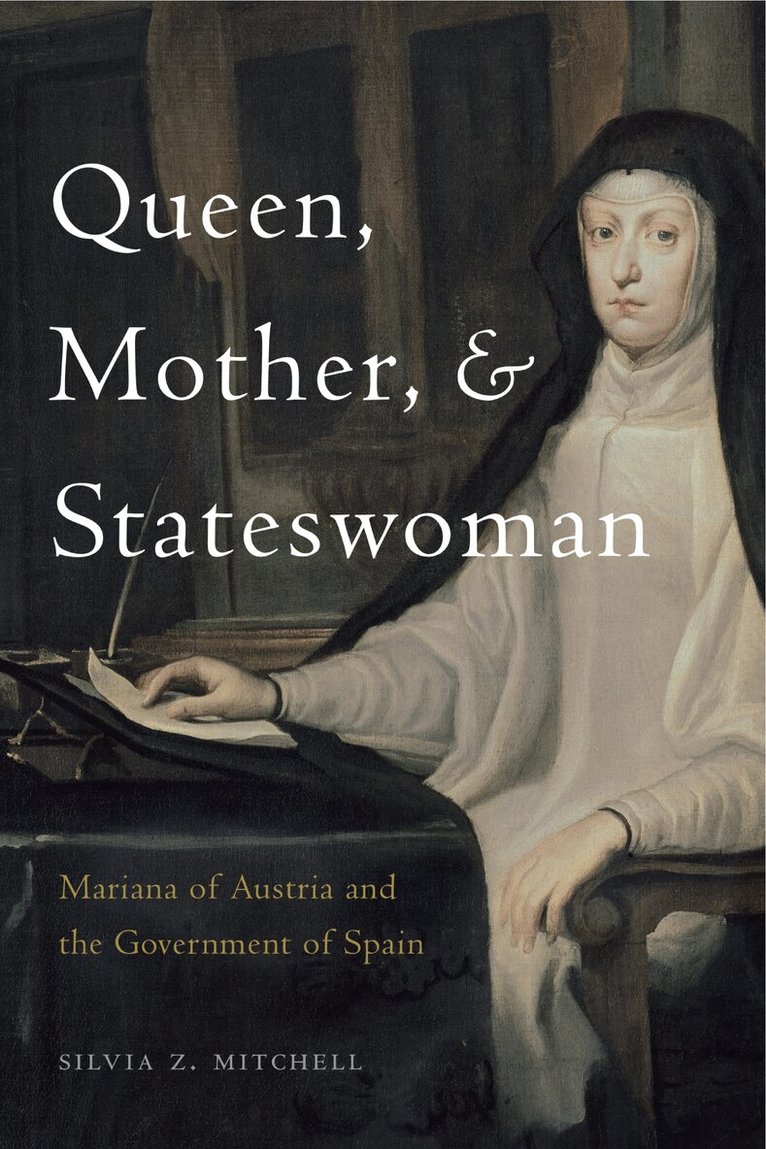
When Philip IV of Spain died in 1665, his heir, Carlos II, was three years old. In addition to this looming dynastic crisis, decades of enormous military commitments had left Spain a virtually bankrupt state with vulnerable frontiers and a depleted army. In Silvia Z. Mitchell’s revisionist account, Queen, Mother, and Stateswoman, Queen Regent Mariana of Austria emerges as a towering figure at court and on the international stage, while her key collaborators—the secretaries, ministers, and diplomats who have previously been ignored or undervalued—take their rightful place in history.Mitchell provides a nuanced account of Mariana of Austria’s ten-year regency (1665–75) of the global Spanish Empire and examines her subsequent role as queen mother. Drawing from previously unmined primary sources, including Council of State deliberations, diplomatic correspondence, Mariana’s and Carlos’s letters, royal household papers, manuscripts, and legal documents, Mitchell describes how, over the course of her regency, Mariana led the monarchy out of danger and helped redefine the military and diplomatic blocs of Europe in Spain’s favor. She follows Mariana’s exile from court and recounts how the dowager queen used her extensive connections and diplomatic experience to move the negotiations for her son’s marriage forward, effectively exploiting the process to regain her position.A new narrative of the Spanish Habsburg monarchy in the later seventeenth century, this volume advances our knowledge of women’s legitimate political entitlement in the early modern period. It will be welcomed by scholars and students of queenship, women’s studies, and early modern Spain.
Queen, Mother, and Stateswoman
Mariana of Austria and the Government of Spain
Inbunden, Engelska, 2019
1 037 kr
Skickas inom 7-10 vardagar
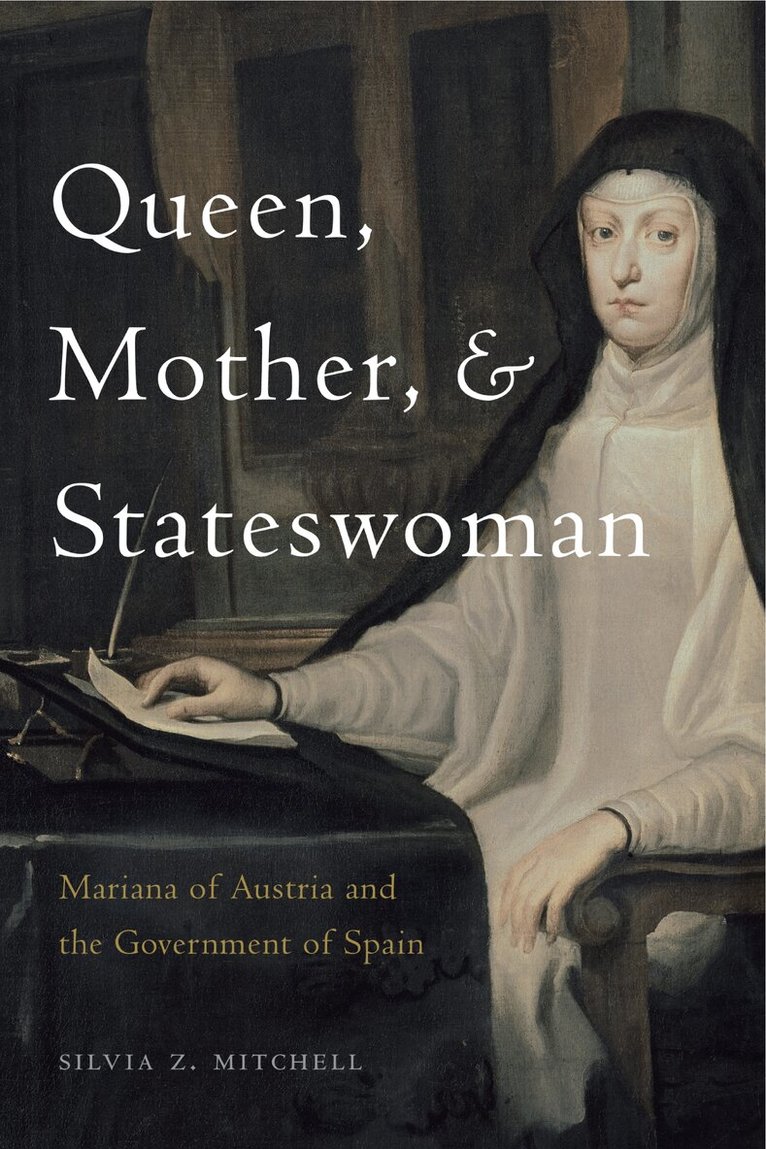
When Philip IV of Spain died in 1665, his heir, Carlos II, was three years old. In addition to this looming dynastic crisis, decades of enormous military commitments had left Spain a virtually bankrupt state with vulnerable frontiers and a depleted army. In Silvia Z. Mitchell’s revisionist account, Queen, Mother, and Stateswoman, Queen Regent Mariana of Austria emerges as a towering figure at court and on the international stage, while her key collaborators—the secretaries, ministers, and diplomats who have previously been ignored or undervalued—take their rightful place in history.Mitchell provides a nuanced account of Mariana of Austria’s ten-year regency (1665–75) of the global Spanish Empire and examines her subsequent role as queen mother. Drawing from previously unmined primary sources, including Council of State deliberations, diplomatic correspondence, Mariana’s and Carlos’s letters, royal household papers, manuscripts, and legal documents, Mitchell describes how, over the course of her regency, Mariana led the monarchy out of danger and helped redefine the military and diplomatic blocs of Europe in Spain’s favor. She follows Mariana’s exile from court and recounts how the dowager queen used her extensive connections and diplomatic experience to move the negotiations for her son’s marriage forward, effectively exploiting the process to regain her position.A new narrative of the Spanish Habsburg monarchy in the later seventeenth century, this volume advances our knowledge of women’s legitimate political entitlement in the early modern period. It will be welcomed by scholars and students of queenship, women’s studies, and early modern Spain.
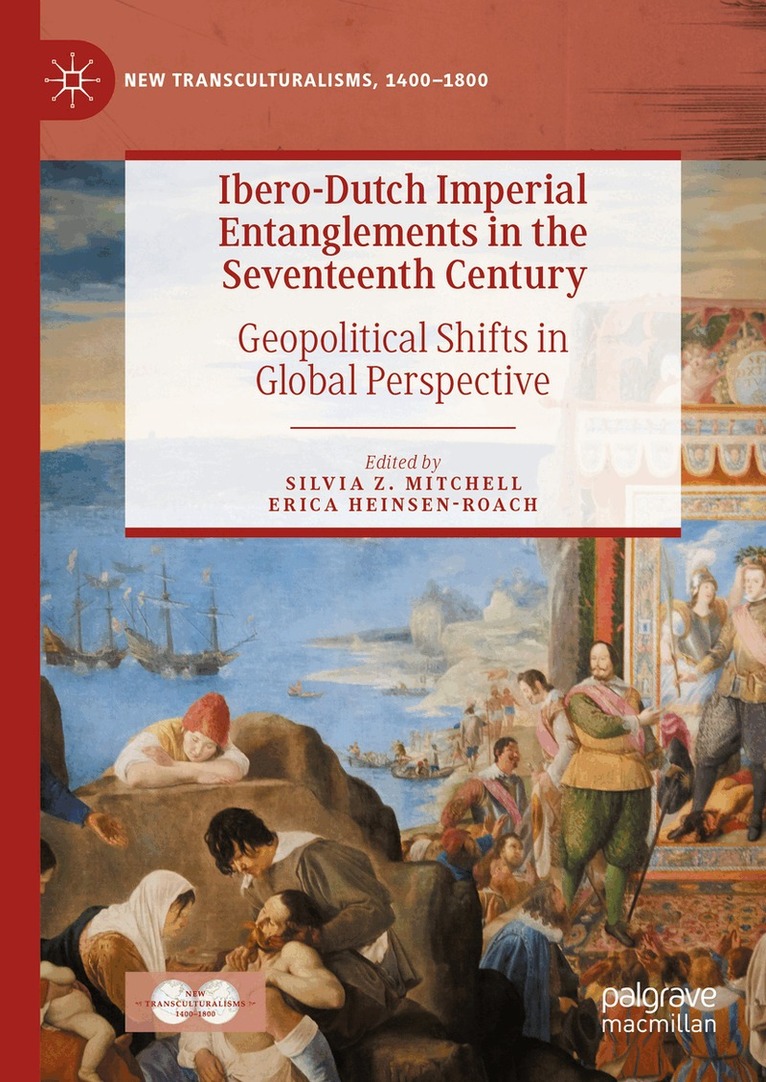
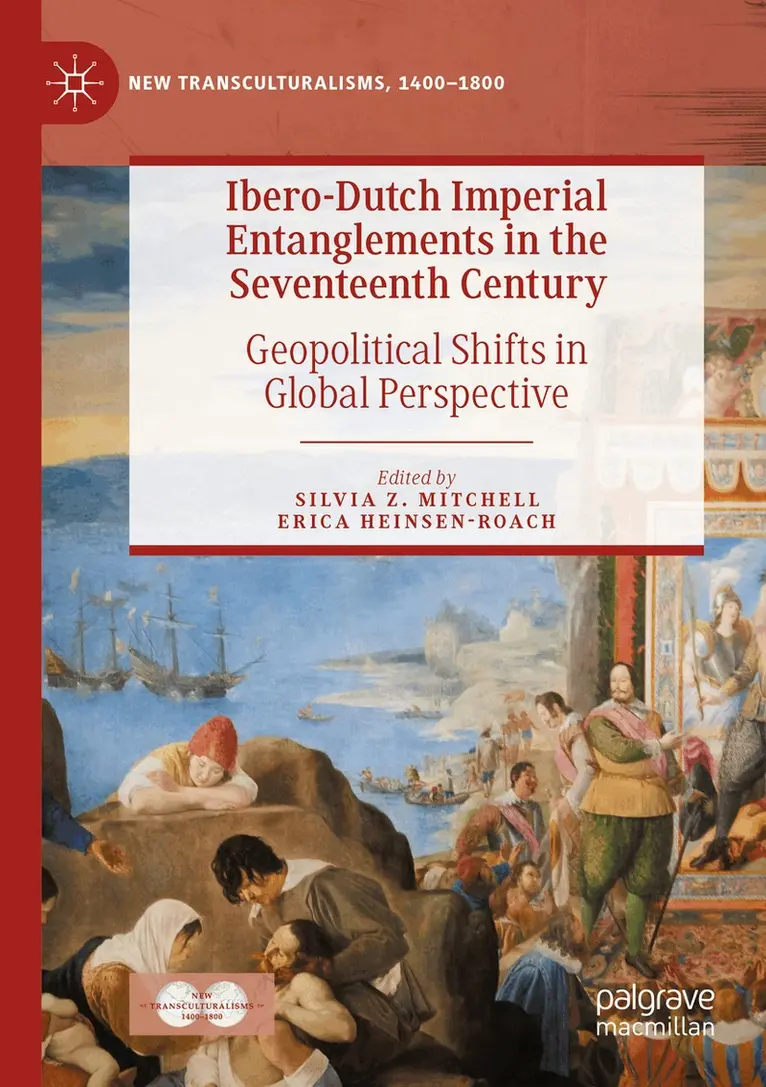
Ibero-Dutch Imperial Entanglements in the Seventeenth Century
Geopolitical Shifts in Global Perspective
Inbunden, Engelska, 2025
1 516 kr
Skickas inom 10-15 vardagar
This book explores the entanglements among Spain, Portugal, and the Dutch Republic during the seventeenth century from a global perspective. It offers a compelling analysis of how Ibero-Dutch relations shifted from violence and conflict—during the Iberian Union (1580–1640) and the Dutch quest for independence (1579–1648)—into collaboration and coexistence in the century’s second half. The encounters between the Iberians and the Dutch in the Pacific, Atlantic, and Mediterranean regions highlight their centrality in geopolitical shifts around the globe. Challenging the paradigm of decline, the contributions gathered here demonstrate that instead, each polity embraced strategic trade-offs and reshaped imperial pursuits that ultimately allowed them to thrive as empires during the entire seventeenth century.
Ibero-Dutch Imperial Entanglements in the Seventeenth Century
Geopolitical Shifts in Global Perspective
Häftad, Engelska, 2026
1 516 kr
Skickas inom 10-15 vardagar
This book explores the entanglements among Spain, Portugal, and the Dutch Republic during the seventeenth century from a global perspective. It offers a compelling analysis of how Ibero-Dutch relations shifted from violence and conflict—during the Iberian Union (1580–1640) and the Dutch quest for independence (1579–1648)—into collaboration and coexistence in the century’s second half. The encounters between the Iberians and the Dutch in the Pacific, Atlantic, and Mediterranean regions highlight their centrality in geopolitical shifts around the globe. Challenging the paradigm of decline, the contributions gathered here demonstrate that instead, each polity embraced strategic trade-offs and reshaped imperial pursuits that ultimately allowed them to thrive as empires during the entire seventeenth century.