Silvio Bär – författare
Visar alla böcker från författaren Silvio Bär. Handla med fri frakt och snabb leverans.
15 produkter
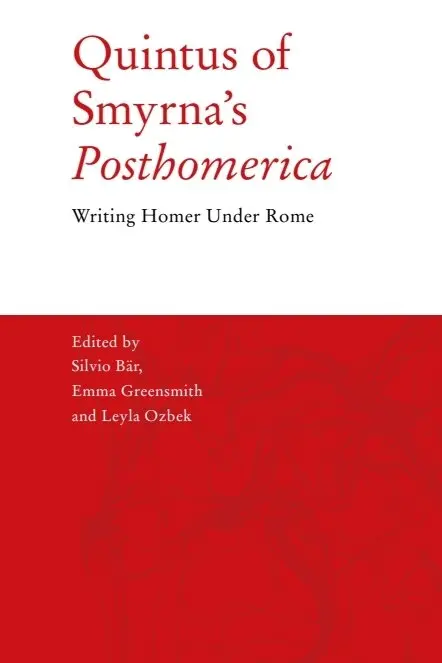
Quintus of Smyrna’s 'Posthomerica'
Writing Homer Under Rome
Av Silvio Bär, Emma Greensmith m. fl.
Häftad, 2023
812 kr
Lägg i varukorg
Offers a literary and cultural-historical analysis of the PosthomericaConnects Quintus with a far wider range of ancient literature: historical, philosophical, dramatic, and rhetorical genres; and prosaic and poetic worksMoves away from the localized study of particular aspects of the poem to a …
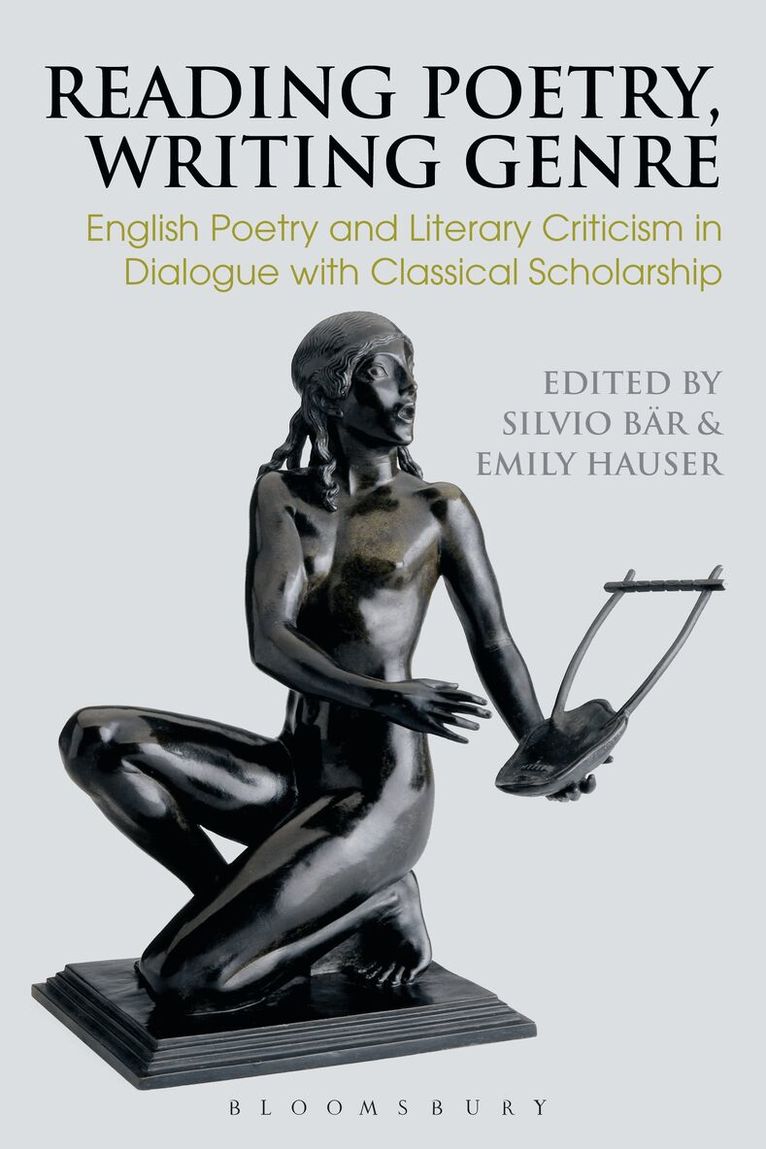
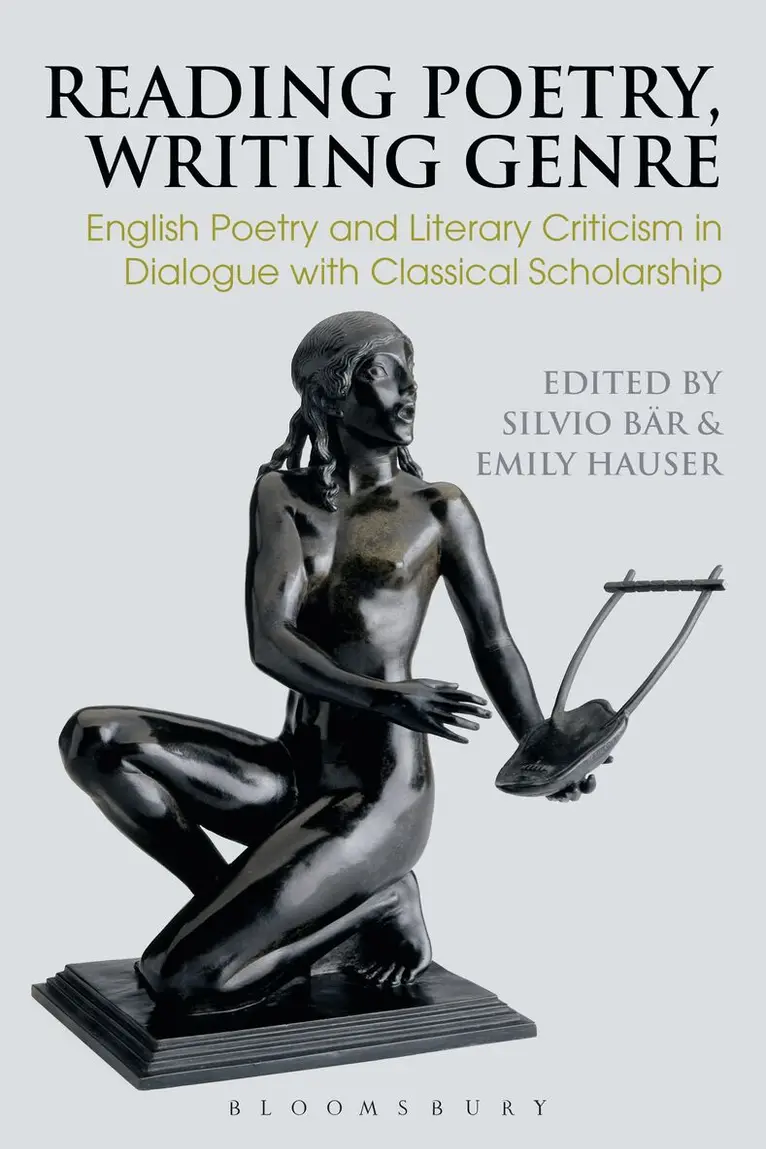
Reading Poetry, Writing Genre
English Poetry and Literary Criticism in Dialogue with Classical Scholarship
Inbunden, 2018
1961 kr
Lägg i varukorg
This ground-breaking volume connects the situatedness of genre in English poetry with developments in classical scholarship, exploring how an emphasis on the interaction between English literary criticism and Classics changes, sharpens, or perhaps even obstructs views on genre in English poetry. …
Reading Poetry, Writing Genre
English Poetry and Literary Criticism in Dialogue with Classical Scholarship
E-bok, 2018
610 kr
Lägg i varukorg
This ground-breaking volume connects the situatedness of genre in English poetry with developments in classical scholarship, exploring how an emphasis on the interaction between English literary criticism and Classics changes, sharpens, or perhaps even obstructs views on genre in English poetry. …
Reading Poetry, Writing Genre
English Poetry and Literary Criticism in Dialogue with Classical Scholarship
E-bok, 2018
610 kr
Lägg i varukorg
This ground-breaking volume connects the situatedness of genre in English poetry with developments in classical scholarship, exploring how an emphasis on the interaction between English literary criticism and Classics changes, sharpens, or perhaps even obstructs views on genre in English poetry. …
Reading Poetry, Writing Genre
English Poetry and Literary Criticism in Dialogue with Classical Scholarship
Häftad, 2020
561 kr
Lägg i varukorg
This ground-breaking volume connects the situatedness of genre in English poetry with developments in classical scholarship, exploring how an emphasis on the interaction between English literary criticism and Classics changes, sharpens, or perhaps even obstructs views on genre in English poetry. …
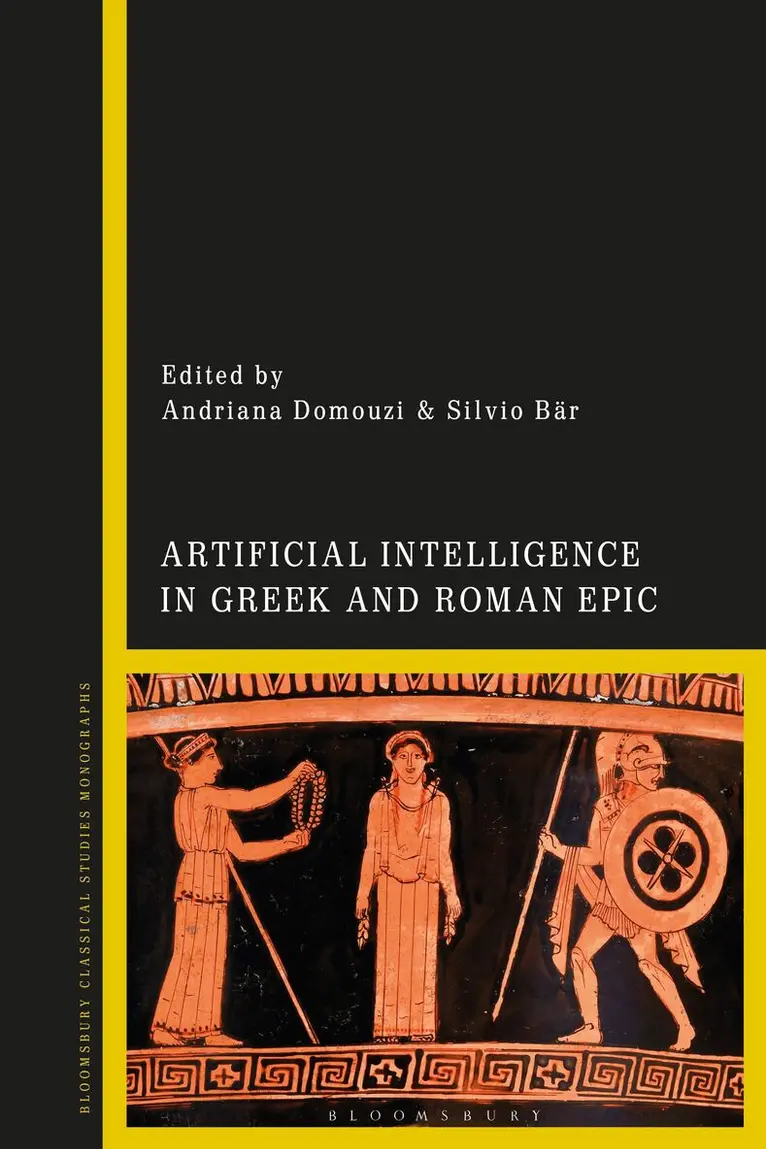
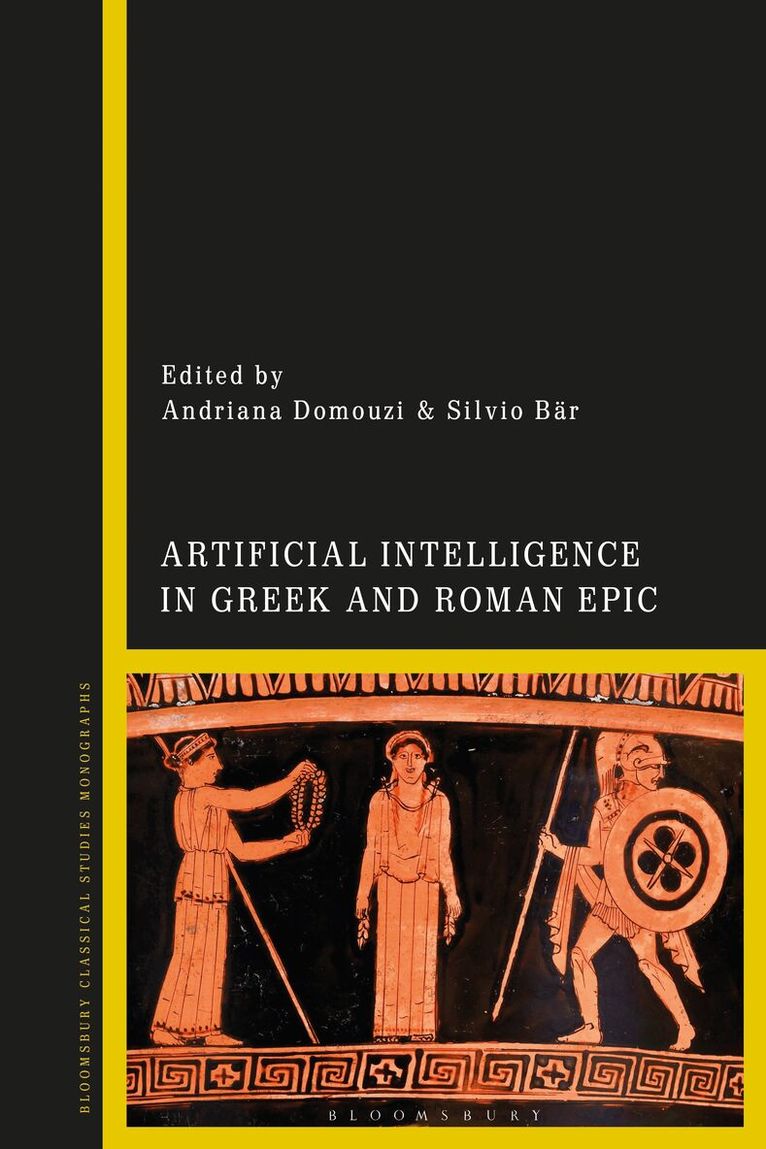
Artificial Intelligence in Greek and Roman Epic
Av Andriana Domouzi, Silvio Bär
Inbunden, 2024
1392 kr
Lägg i varukorg
This is the first scholarly exploration of concepts and representations of Artificial Intelligence in ancient Greek and Roman epic, including their reception in later literature and culture. Contributors look at how Hesiod, Homer, Apollonius of Rhodes, Moschus, Ovid and Valerius Flaccus crafted the …
Artificial Intelligence in Greek and Roman Epic
Av Andriana Domouzi, Silvio Bär
E-bok, 2024
503 kr
Lägg i varukorg
This is the first scholarly exploration of concepts and representations of Artificial Intelligence in ancient Greek and Roman epic, including their reception in later literature and culture. Contributors look at how Hesiod, Homer, Apollonius of Rhodes, Moschus, Ovid and Valerius Flaccus crafted the …
Artificial Intelligence in Greek and Roman Epic
Av Andriana Domouzi, Silvio Bär
E-bok, 2024
520 kr
Lägg i varukorg
This is the first scholarly exploration of concepts and representations of Artificial Intelligence in ancient Greek and Roman epic, including their reception in later literature and culture. Contributors look at how Hesiod, Homer, Apollonius of Rhodes, Moschus, Ovid and Valerius Flaccus crafted the …
Artificial Intelligence in Greek and Roman Epic
Av Andriana Domouzi, Silvio Bär
Häftad, 2025
480 kr
Lägg i varukorg
This is the first scholarly exploration of concepts and representations of Artificial Intelligence in ancient Greek and Roman epic, including their reception in later literature and culture. Contributors look at how Hesiod, Homer, Apollonius of Rhodes, Moschus, Ovid and Valerius Flaccus crafted the …
Quintus of Smyrna’s 'Posthomerica'
Writing Homer Under Rome
Av Silvio Bär, Emma Greensmith m. fl.
Inbunden, 2022
2521 kr
Lägg i varukorg
This collection offers a new collaborative reading of Quintus Smyrnaeus' Posthomerica: a major, fascinating Greek epic written at the height of the Roman Empire. Building on the surge of interest in imperial Greek poetry seen in the past decades, this volume applies multiple approaches literary, …
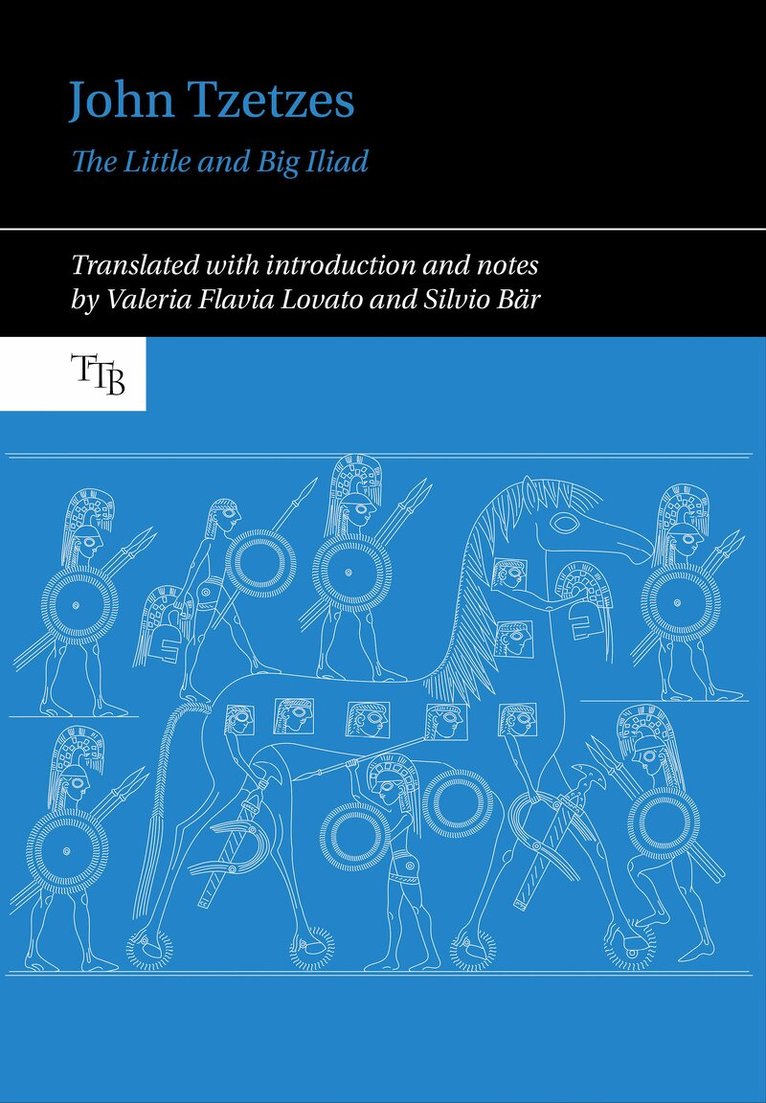
John Tzetzes: The Little and Big Iliad
Av Valeria Flavia Lovato, Silvio Bär
Inbunden, 2026
2389 kr
Kommande
Twelfth-century Byzantium is often described as a period of renewed engagement with Homer and the classical past, marked by literary experimentation and heightened authorial self-consciousness. Few figures embody this trend more comprehensively than John Tzetzes (c. 1110–after 1180), one of the …
Quintus Smyrnaeus: Transforming Homer in Second Sophistic Epic
Av Manuel Baumbach, Silvio Bär
Inbunden, 2007
2321 kr
Lägg i varukorg
The “Events after Homer”, described by Quintus Smyrnaeus in the third century AD in his Greek epic Posthomerica, are an attempt to bridge the gap between the Iliad and the Odyssey , and to combine the various scattered reports of the battle for Troy into a single tale: the fate of Achilles, Ajax, …
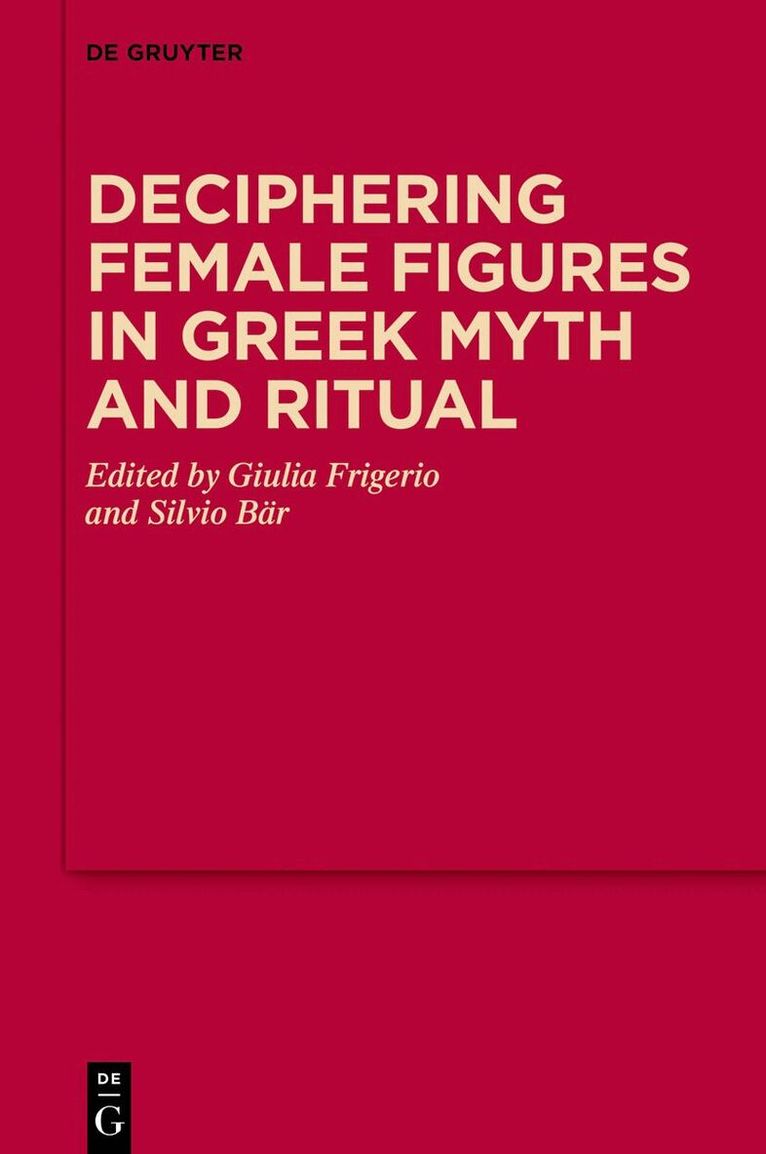
Deciphering Female Figures in Greek Myth and Ritual
Av Giulia Frigerio, Silvio Bär
Inbunden, 2027
1900 kr
Kommande
This volume investigates the central role of female agency in ancient Greek religion, challenging the long-held scholarly assumption that women were largely excluded from spaces of power and knowledge. While traditional urban histories suggest women were generally not permitted to access places …
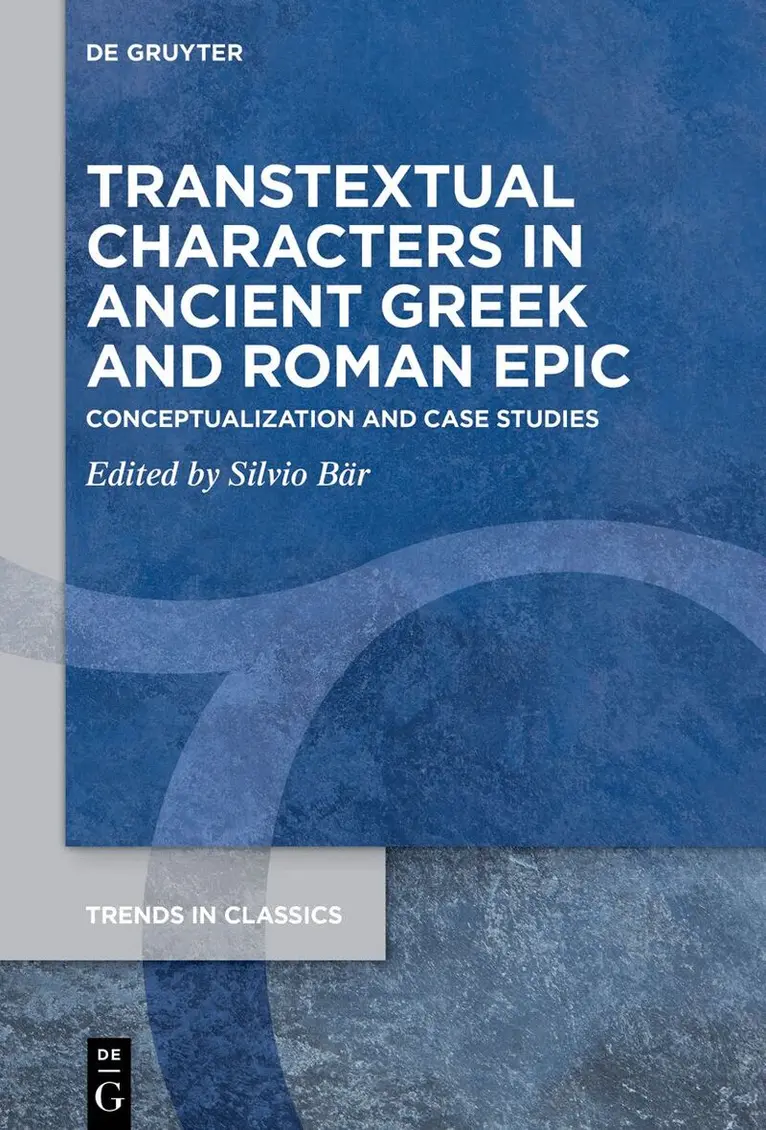
Transtextual Characters in Ancient Greek and Roman Epic
Conceptualization and Case Studies
Av Silvio Bär
Inbunden, 2026
2187 kr
Kommande
Ancient Greek and Roman epic is full of transtextual characters: characters who reappear in different epics composed by different authors in different periods. Divinities such as the Twelve Olympians, heroes such as Achilles and Odysseus, and numerous minor characters travel through epic history …
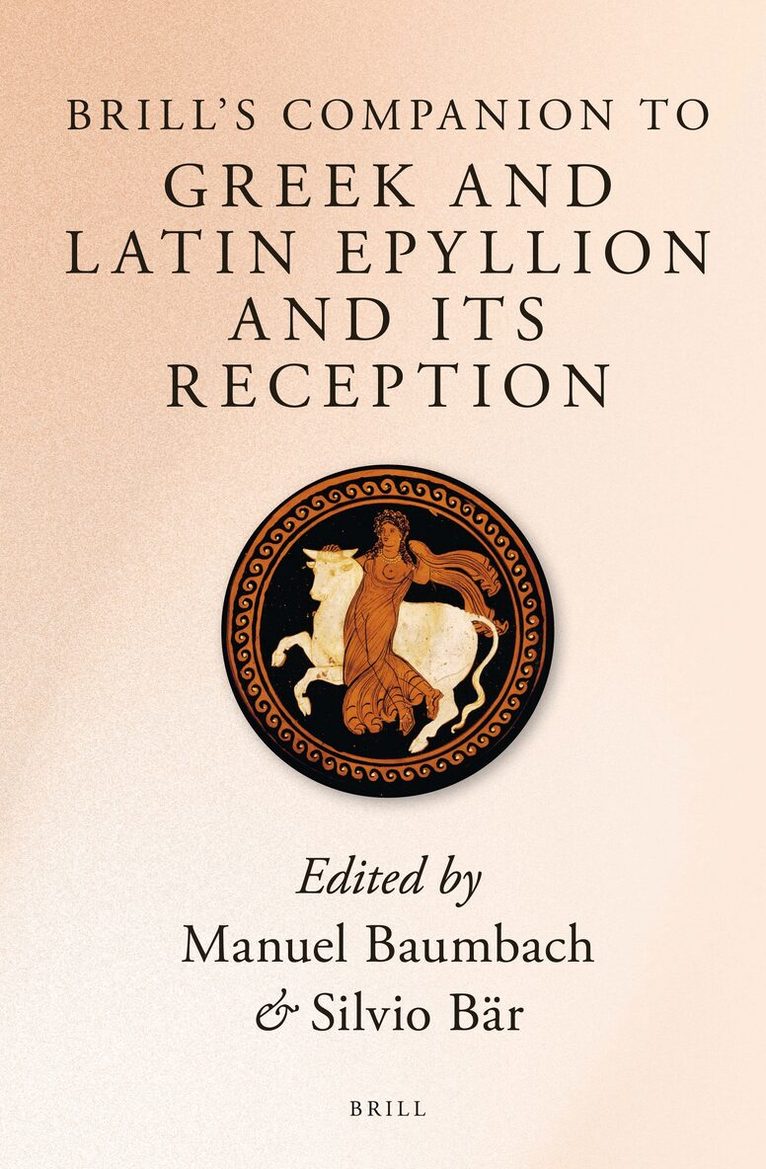
Brill’s Companion to Greek and Latin Epyllion and Its Reception
Av Manuel Baumbach, Silvio Bär
Inbunden, 2012
4756 kr
Lägg i varukorg
In classical scholarship of the past two centuries, the term “epyllion” was used to label short hexametric texts mainly ascribable to the Hellenistic period (Greek) or the Neoterics (Latin). Apart from their brevity, characteristics such as a predilection for episodic narration or female characters …