Simon Hillson – författare
Visar alla böcker från författaren Simon Hillson. Handla med fri frakt och snabb leverans.
12 produkter
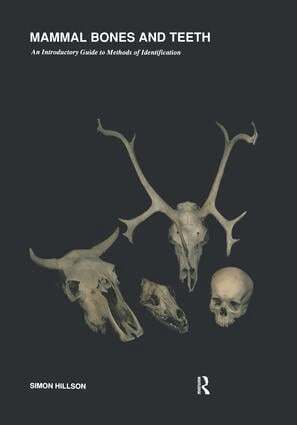
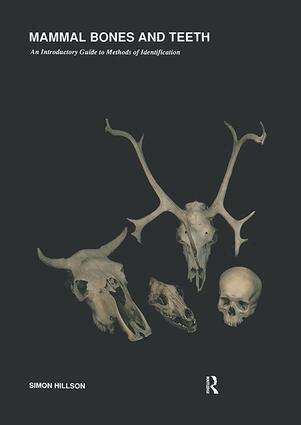
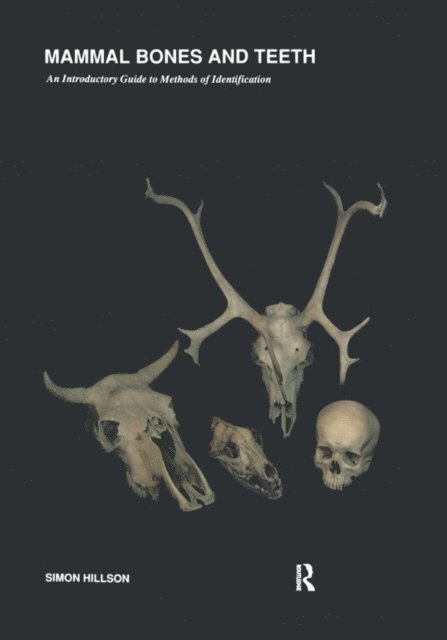
Mammal Bones and Teeth
An Introductory Guide to Methods of Identification
Häftad, 2009
1056 kr
Lägg i varukorg
This guide is designed as an introduction to the basic methods for identifying mammal bones and teeth. It is intended to highlight for beginners the main points on which identifications can be made on the bulk of bones and teeth from a small range of common Old World mammals.
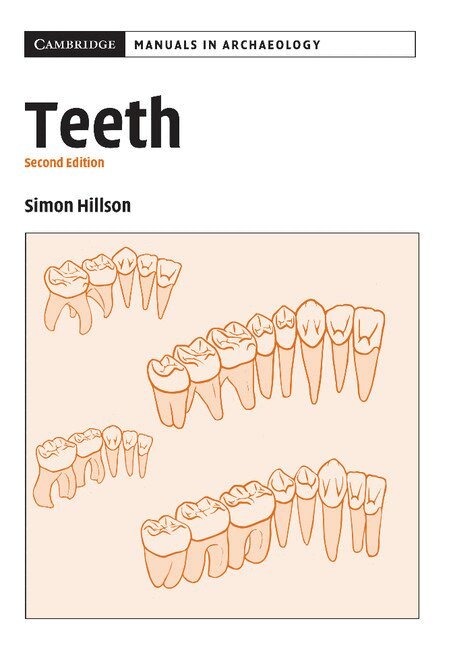
Teeth
Häftad, 2005
1056 kr
Lägg i varukorg
Archaeological discoveries of teeth provide remarkable information on humans, animals and the health, hygiene and diet of ancient communities. In this fully revised and updated 2005 edition of his seminal text, Simon Hillson draws together a mass of material from archaeology, anthropology and …
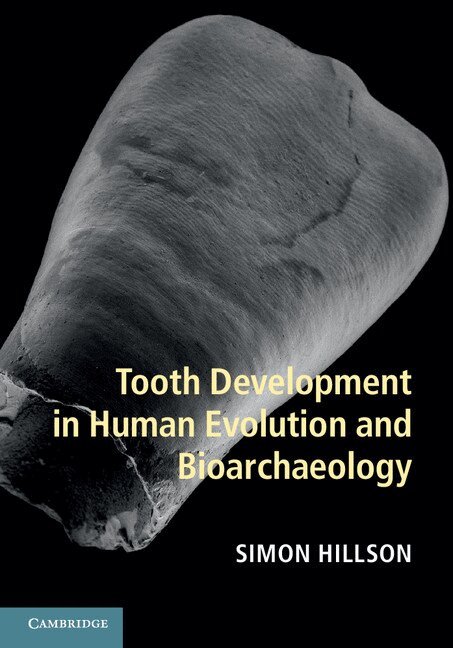
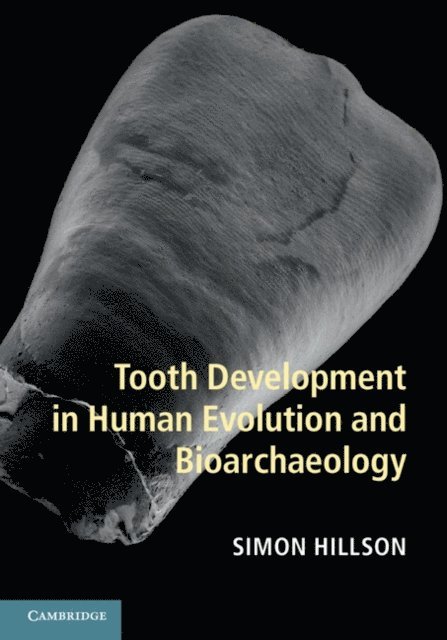
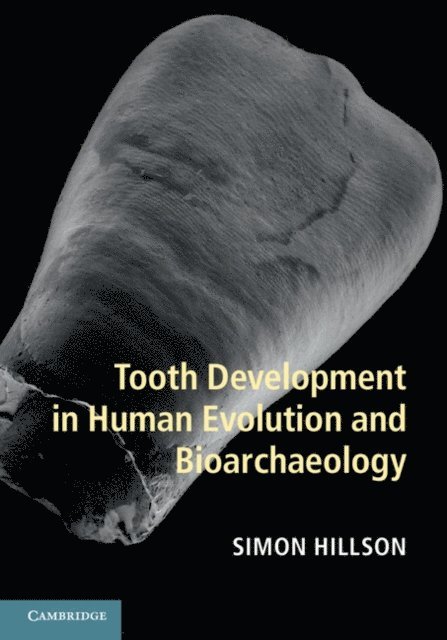
Tooth Development in Human Evolution and Bioarchaeology
Inbunden, 2014
1025 kr
Lägg i varukorg
Human children grow at a uniquely slow pace by comparison with other mammals. When and where did this schedule evolve? Have technological advances, farming and cities had any effect upon it? Addressing these and other key questions in palaeoanthropology and bioarchaeology, Simon Hillson examines …
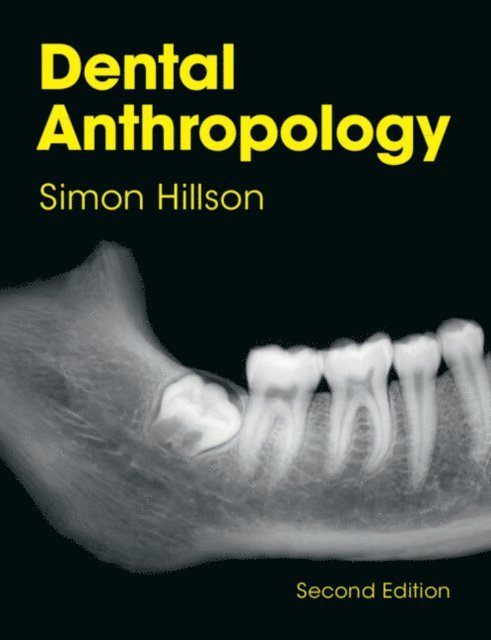
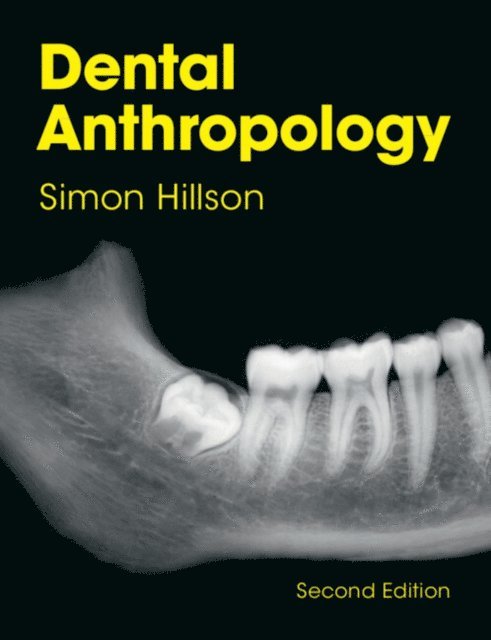
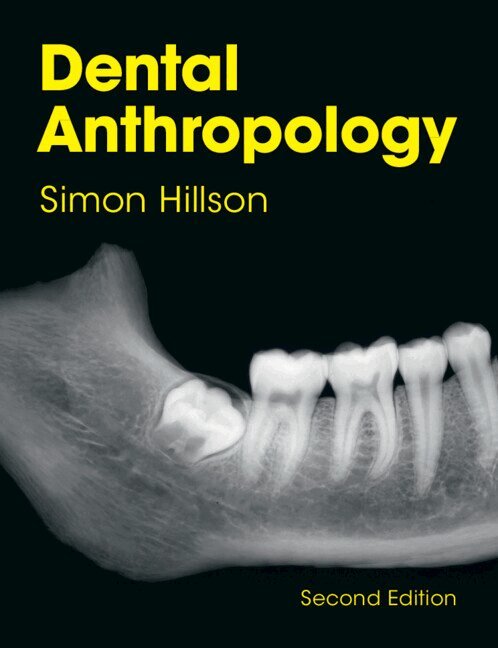
Dental Anthropology
Häftad, 2023
747 kr
Lägg i varukorg
Accessible and engaging, this is the definitive textbook on using teeth to study the demography and ways of life in ancient human communities. Based on extensive laboratory and field experience, this new edition combines archaeological approaches with new technologies and methodologies, covering …
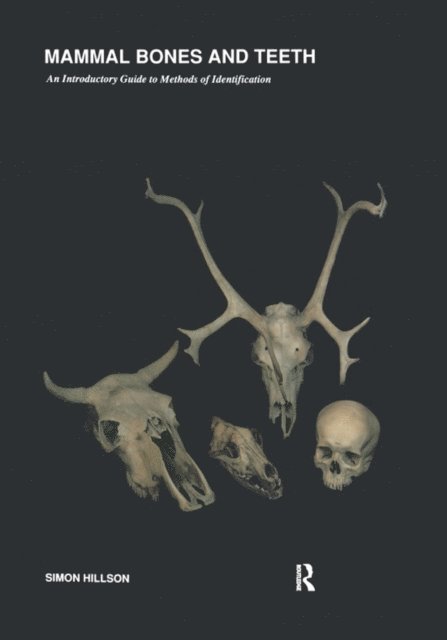
Mammal Bones and Teeth
An Introductory Guide to Methods of Identification
Inbunden, 2017
3530 kr
Lägg i varukorg
This guide is designed as an introduction to the basic methods for identifying mammal bones and teeth. It is intended to highlight for beginners the main points on which identifications can be made on the bulk of bones and teeth from a small range of common Old World mammals.
Tooth Development in Human Evolution and Bioarchaeology
E-bok, 2014
989 kr
Lägg i varukorg
Human children grow at a uniquely slow pace by comparison with other mammals. When and where did this schedule evolve? Have technological advances, farming and cities had any effect upon it? Addressing these and other key questions in palaeoanthropology and bioarchaeology, Simon Hillson examines …
Tooth Development in Human Evolution and Bioarchaeology
E-bok, 2014
1011 kr
Lägg i varukorg
Human children grow at a uniquely slow pace by comparison with other mammals. When and where did this schedule evolve? Have technological advances, farming and cities had any effect upon it? Addressing these and other key questions in palaeoanthropology and bioarchaeology, Simon Hillson examines …
Mammal Bones and Teeth
An Introductory Guide to Methods of Identification
E-bok, 2016
1169 kr
Lägg i varukorg
This guide is designed as an introduction to the basic methods for identifying mammal bones and teeth. It is intended to highlight for beginners the main points on which identifications can be made on the bulk of bones and teeth from a small range of common Old World mammals.
Mammal Bones and Teeth
An Introductory Guide to Methods of Identification
E-bok, 2016
1195 kr
Lägg i varukorg
This guide is designed as an introduction to the basic methods for identifying mammal bones and teeth. It is intended to highlight for beginners the main points on which identifications can be made on the bulk of bones and teeth from a small range of common Old World mammals.
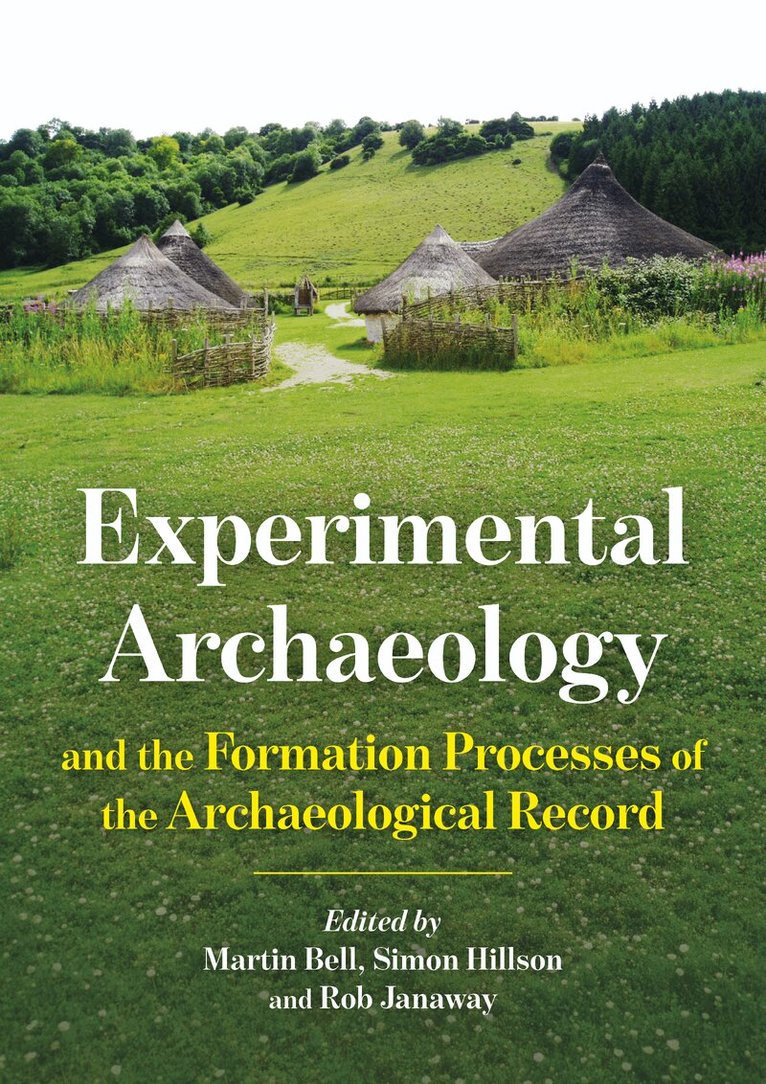
Experimental Archaeology and the Formation Processes of the Archaeological Record
Av Martin Bell, Simon Hillson m. fl.
Häftad, 2026
793 kr
Kommande
This book explores how experimental structures, such as earthworks and buildings, help us to understand how the archaeological record forms. Topics include: weathering, changes to buried soils, sediment micromorphological analysis, the role of soil animals, the decay and preservation of a range of …