Simone Mollea – författare
Visar alla böcker från författaren Simone Mollea. Handla med fri frakt och snabb leverans.
3 produkter
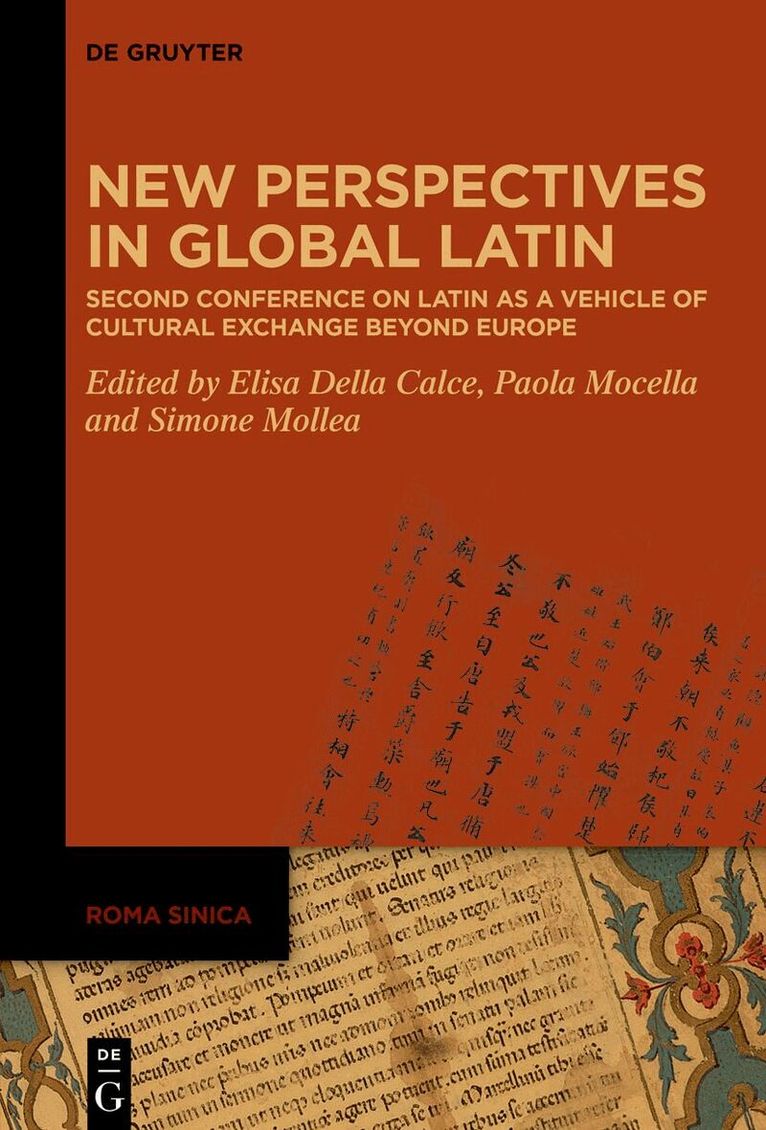
New Perspectives in Global Latin
Second Conference on Latin as a Vehicle of Cultural Exchange Beyond Europe
Av Elisa Della Calce, Paola Mocella m. fl.
Inbunden, 2025
1309 kr
Lägg i varukorg
The Global Latin II Conference has highlighted the role of the Latin language as cultural medium between West and East. Adopting a diachronic perspective which spans from the Middle Ages to the Modern Age, the conference and its proceedings have paid special attention to texts related to Africa and …
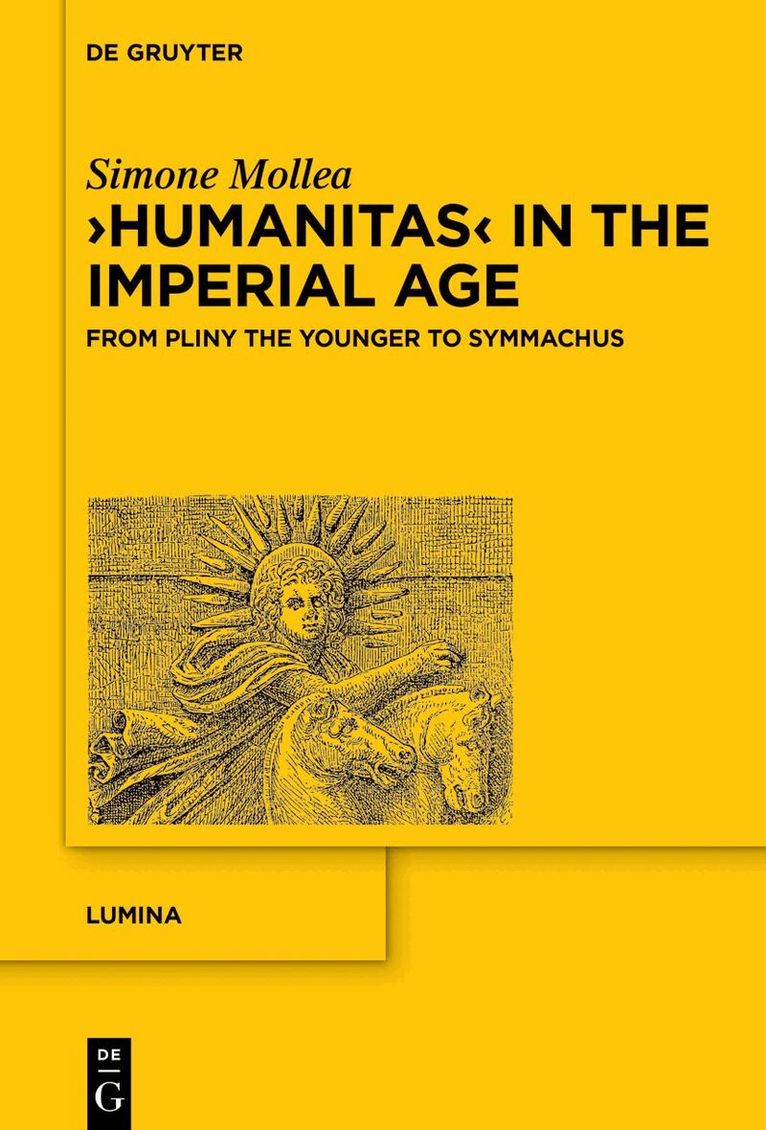
›Humanitas‹ in the Imperial Age
From Pliny the Younger to Symmachus
Inbunden, 2024
1453 kr
Kommande
This book investigates one of the most polysemic Latin words, humanitas. While the first chapter briefly retraces the history of humanitas from its origins, the book as a whole focuses on its uses in the pagan literary texts from the Trajanic (late first century CE) to the Theodosian age (late …
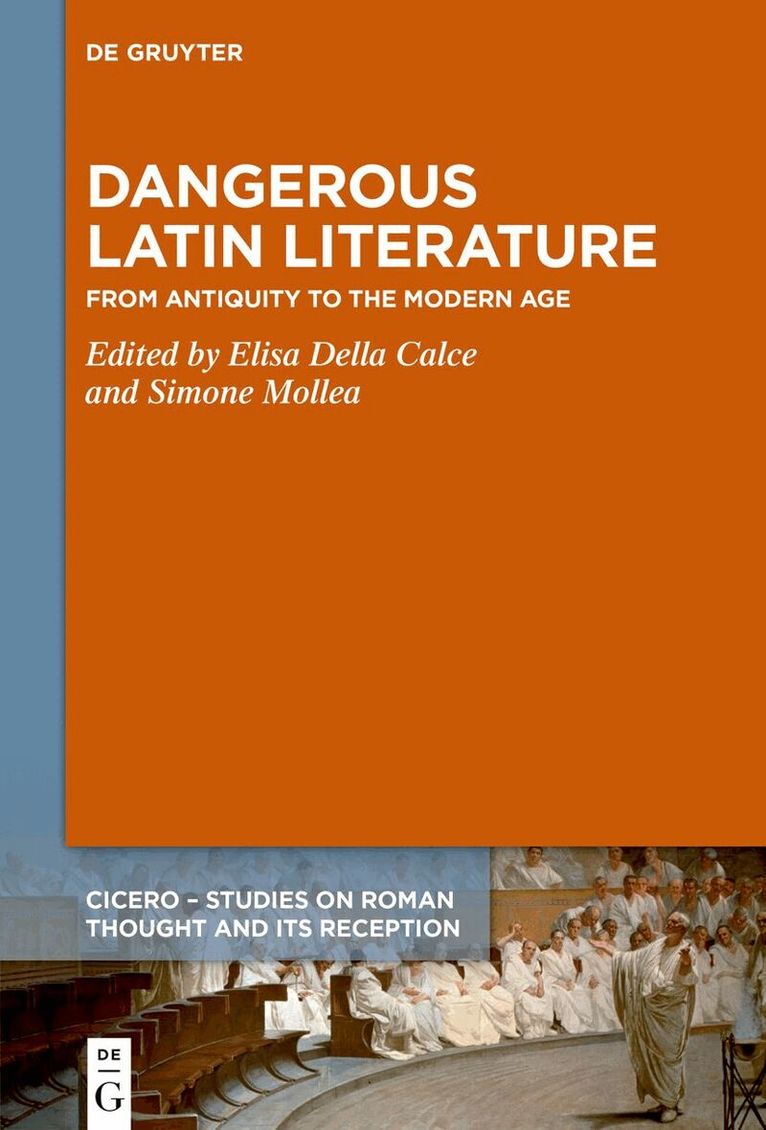
Dangerous Latin Literature
From Antiquity to the Modern Age. Proceedings of the International Conference in Turin, June 30 to July 1, 2022
Av Elisa Della Calce, Simone Mollea
Inbunden, 2026
1327 kr
Tillfälligt slut
“A book is a loaded gun in the house next door. Burn it.” Can a book really be dangerous? To take literally these words of Captain Beatty of Fahrenheit 451 one would say yes. Of course, even in this case, it is not the object book in and by itself to be regarded as dangerous, but its content. Yet …