Simone Poliandri - Böcker
Visar alla böcker från författaren Simone Poliandri. Handla med fri frakt och snabb leverans.
3 produkter
3 produkter
701 kr
Skickas inom 10-15 vardagar
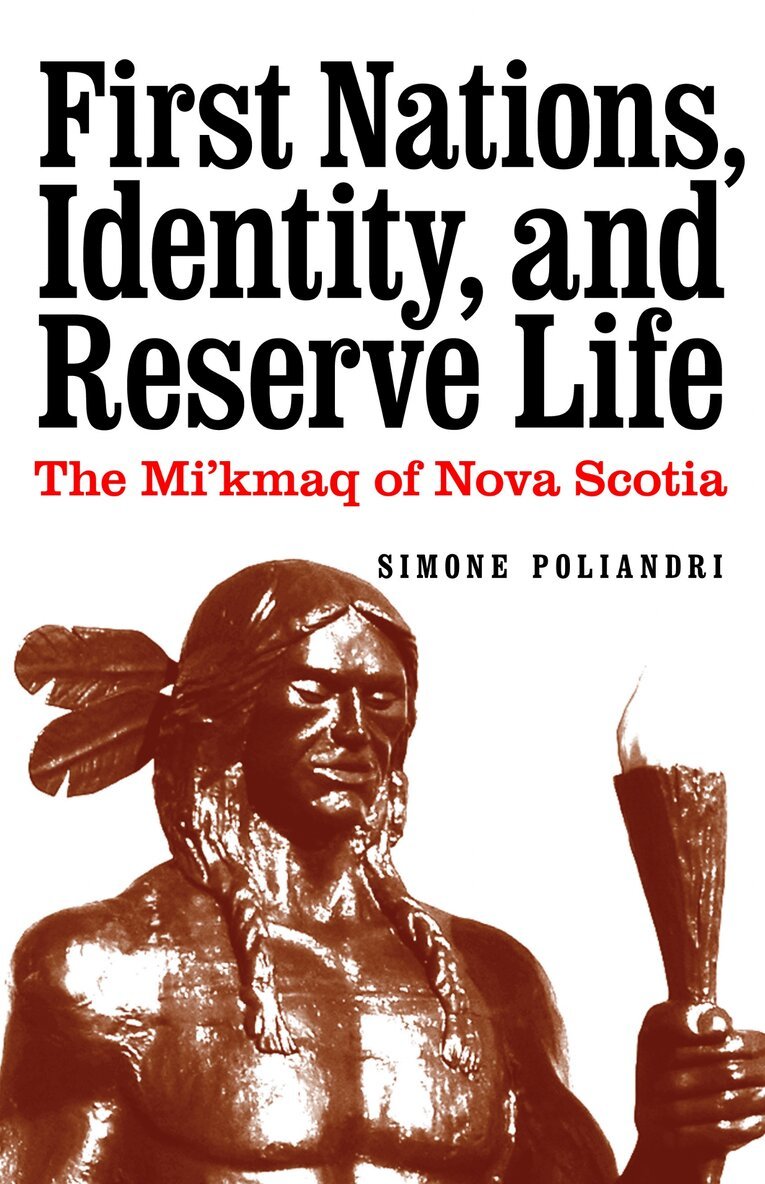
Issues of identity figure prominently in Native North American communities, mediating their histories, traditions, culture, and status. This is certainly true of the Mi'kmaw people of Nova Scotia, whose lives on reserves create highly complex economic, social, political, and spiritual realities. This ethnography investigates identity construction and negotiations among the Mi'kmaq, as well as the role of identity dynamics in Mi'kmaw social relationships on and off the reserve. Featuring direct testimonies from over sixty individuals, this work offers a vivid firsthand perspective on contemporary Mi'kmaw reserve life. Simone Poliandri begins First Nations, Identity, and Reserve Life with a search for the criteria used by the Mi'kmaq to construct their identities, which are traced within the context of their different perceptions of community, tradition, spirituality, relationship with the Catholic Church, and the recent reevaluation of the iconic figure of late activist Annie Mae Aquash. Building on the notions of self-identification and ascribed identity as the primary components of identity, Poliandri argues that placing others at specific locations within the social landscape of their communities allows the Mi'kmaq to define and reinforce their own spaces by way of association, contrast, or both. This identification of others highlights Mi'kmaw people's agency in shaping and monitoring the representations of their identities. With its theoretical insights, this richly textured ethnography will enhance understanding of identity dynamics among Indigenous communities even as it illuminates the unique nature of the Mi'kmaw people.
363 kr
Skickas inom 11-20 vardagar
Presents an interdisciplinary analysis of the recent developments of Native American nationalism and nationhood in the United States and Canada.Bringing together perspectives from a variety of disciplines, this book provides an interdisciplinary approach to the emerging discussion on Indigenous nationhood. The contributors argue for the centrality of nationhood and nation building in molding and, concurrently, blending the political, social, economic, and cultural strategies toward Native American self-definitions and self-determination. Included among the common themes is the significance of space-conceived both as traditional territory and colonial reservation-in the current construction of Native national identity. Whether related to historical memory and the narrativization of peoplehood, the temporality of indigenous claims to sovereignty, or the demarcation of successful financial assets as cultural and social emblems of indigenous space, territory constitutes an inalienable and necessary element connecting Native American peoplehood and nationhood. The creation and maintenance of Native American national identity have also overcome structural territorial impediments and may benefit from the inclusivity of citizenship rather than the exclusivity of ethnicity. In all cases, the political effectiveness of nationhood in promoting and sustaining sovereignty presupposes Native full participation in and control over economic development, the formation of historical narrative and memory, the definition of legality, and governance.SUNY Press has collaborated with Knowledge Unlatched to unlock KU Select titles. The Knowledge Unlatched titles have been made open access through libraries coming together to crowd fund the publication cost. Each monograph has been released as open access making the eBook freely available to readers worldwide. Discover more about the Knowledge Unlatched program here: https://www.knowledgeunlatched.org/, and access the book online at the SUNY Open Access Repository at http://hdl.handle.net/20.500.12648/8474.
1 088 kr
Tillfälligt slut
Presents an interdisciplinary analysis of the recent developments of Native American nationalism and nationhood in the United States and Canada.Bringing together perspectives from a variety of disciplines, this book provides an interdisciplinary approach to the emerging discussion on Indigenous nationhood. The contributors argue for the centrality of nationhood and nation building in molding and, concurrently, blending the political, social, economic, and cultural strategies toward Native American self-definitions and self-determination. Included among the common themes is the significance of space-conceived both as traditional territory and colonial reservation-in the current construction of Native national identity. Whether related to historical memory and the narrativization of peoplehood, the temporality of indigenous claims to sovereignty, or the demarcation of successful financial assets as cultural and social emblems of indigenous space, territory constitutes an inalienable and necessary element connecting Native American peoplehood and nationhood. The creation and maintenance of Native American national identity have also overcome structural territorial impediments and may benefit from the inclusivity of citizenship rather than the exclusivity of ethnicity. In all cases, the political effectiveness of nationhood in promoting and sustaining sovereignty presupposes Native full participation in and control over economic development, the formation of historical narrative and memory, the definition of legality, and governance.SUNY Press has collaborated with Knowledge Unlatched to unlock KU Select titles. The Knowledge Unlatched titles have been made open access through libraries coming together to crowd fund the publication cost. Each monograph has been released as open access making the eBook freely available to readers worldwide. Discover more about the Knowledge Unlatched program here: https://www.knowledgeunlatched.org/, and access the book online at the SUNY Open Access Repository at http://hdl.handle.net/20.500.12648/8474.