Siobhan Kattago - Böcker
Visar alla böcker från författaren Siobhan Kattago. Handla med fri frakt och snabb leverans.
9 produkter
9 produkter
1 039 kr
Skickas inom 10-15 vardagar
Ambiguous Memory examines the role of memory in the building of a new national identity in reunified Germany. The author maintains that the contentious debates surrounding contemporary monumnets to the Nazi past testify to the ambiguity of German memory and the continued link of Nazism with contemporary German national identity. The book discusses how certain monuments, and the ways Germans have viewed them, contribute to the different ways Germans have dealt with the past, and how they continue to deal with it as one country. Kattago concludes that West Germans have internalized their Nazi past as a normative orientation for the democratic culture of West Germany, while East Germans have universalized Nazism and the Holocaust, transforming it into an abstraction in which the Jewish question is down played. In order to form a new collective memory, the author argues that unified Germany must contend with these conflicting views of the past, incorporating certain aspects of both views.Providing a topography of East, West, and unified German memory during the 1980s and the 1990s, this work contributes to a better understanding of contemporary national identity and society. The author shows how public debate over such issues at Ronald Reagan's visit to Bitburg, the renarration of Buchenwald as Nazi and Soviet internment camp, the Goldhagen controversy, and the Holocaust Memorial debate in Berlin contribute to the complexities surrounding the way Germans see themselves, their relationship to the past, and their future identity as a nation. In a careful analysis, the author shows how the past was used and abused by both the East and the West in the 1980s, and how these approaches merged in the 1990s. This interesting new work takes a sociological approach to the role of memory in forging a new, integrative national identity.
2 103 kr
Skickas inom 10-15 vardagar
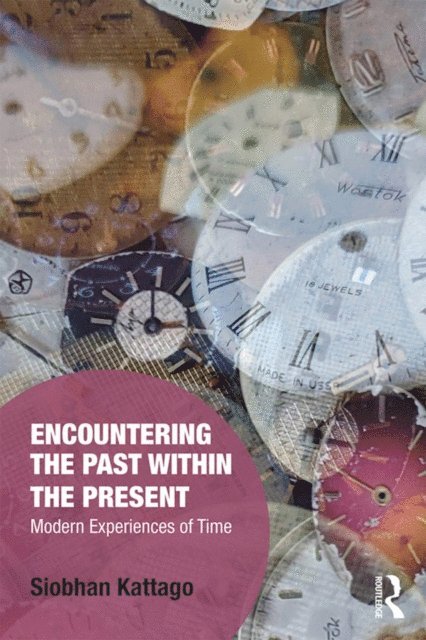
Encountering the Past within the Present: Modern Experiences of Time examines different encounters with the past from within the present – whether as commemoration, nostalgia, silence, ghostly haunting or combinations thereof. Taking its cue from Hannah Arendt’s definition of the present as a time span lying between past and future, the author reflects on the old philosophical question of how to live the good life – not only with others who are physically with us but also with those whose presence is ghostly and liminal. While tradition may no longer command the same authority as it did in antiquity or the middle ages, individuals are by no means severed from the past. Rather, nostalgic longing for bygone times and traumatic preoccupation with painful historical events demonstrate the vitality of the past within the present. Divided into three parts, chapters examine ways in which the legacies of World War II, the Holocaust and communism have been remembered after 1945 and 1989. Maintaining a sustained reflection on the nexus of memory, modernity and time in tandem with ancient questions of responsibility for one another and the world, the volume contributes to the growing field of memory studies from a philosophical perspective. As such, it will appeal to scholars of sociology, social theory and philosophy with interests in collective memory and heritage.
575 kr
Skickas inom 10-15 vardagar
Encountering the Past within the Present: Modern Experiences of Time examines different encounters with the past from within the present – whether as commemoration, nostalgia, silence, ghostly haunting or combinations thereof. Taking its cue from Hannah Arendt’s definition of the present as a time span lying between past and future, the author reflects on the old philosophical question of how to live the good life – not only with others who are physically with us but also with those whose presence is ghostly and liminal. While tradition may no longer command the same authority as it did in antiquity or the middle ages, individuals are by no means severed from the past. Rather, nostalgic longing for bygone times and traumatic preoccupation with painful historical events demonstrate the vitality of the past within the present. Divided into three parts, chapters examine ways in which the legacies of World War II, the Holocaust and communism have been remembered after 1945 and 1989. Maintaining a sustained reflection on the nexus of memory, modernity and time in tandem with ancient questions of responsibility for one another and the world, the volume contributes to the growing field of memory studies from a philosophical perspective. As such, it will appeal to scholars of sociology, social theory and philosophy with interests in collective memory and heritage.
480 kr
Skickas inom 10-15 vardagar
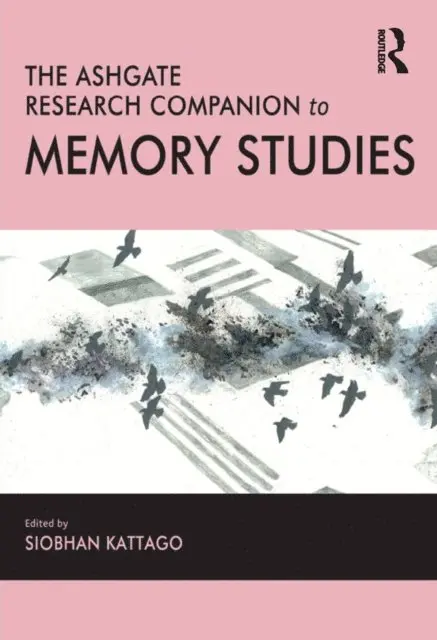
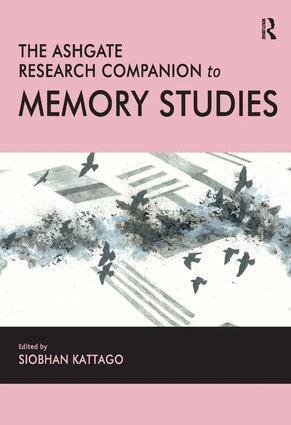
Memory has long been a subject of fascination for poets, artists, philosophers and historians. This timely volume, edited by Siobhan Kattago, examines how past events are remembered, contested, forgotten, learned from and shared with others. Each author in The Ashgate Research Companion to Memory Studies has been asked to reflect on his or her research companions as a scholar, who studies memory. The original studies presented in the volume are written by leading experts, who emphasize both the continuity of heritage and tradition, as well as the memory of hostilities, traumas and painful events. Comprised of four thematic sections, The Ashgate Research Companion to Memory Studies provides a comprehensive overview of the latest research within the discipline. The principal themes include: ¢ Memory, History and Time ¢ Social, Psychological and Cultural Frameworks of Memory ¢ Acts and Places of Memory ¢ Politics of Memory, Forgetting and Democracy Featuring contributions from key thinkers in the field, this comprehensive volume will be a valuable resource for all academics and students working within this area of study.
1 968 kr
Skickas inom 10-15 vardagar
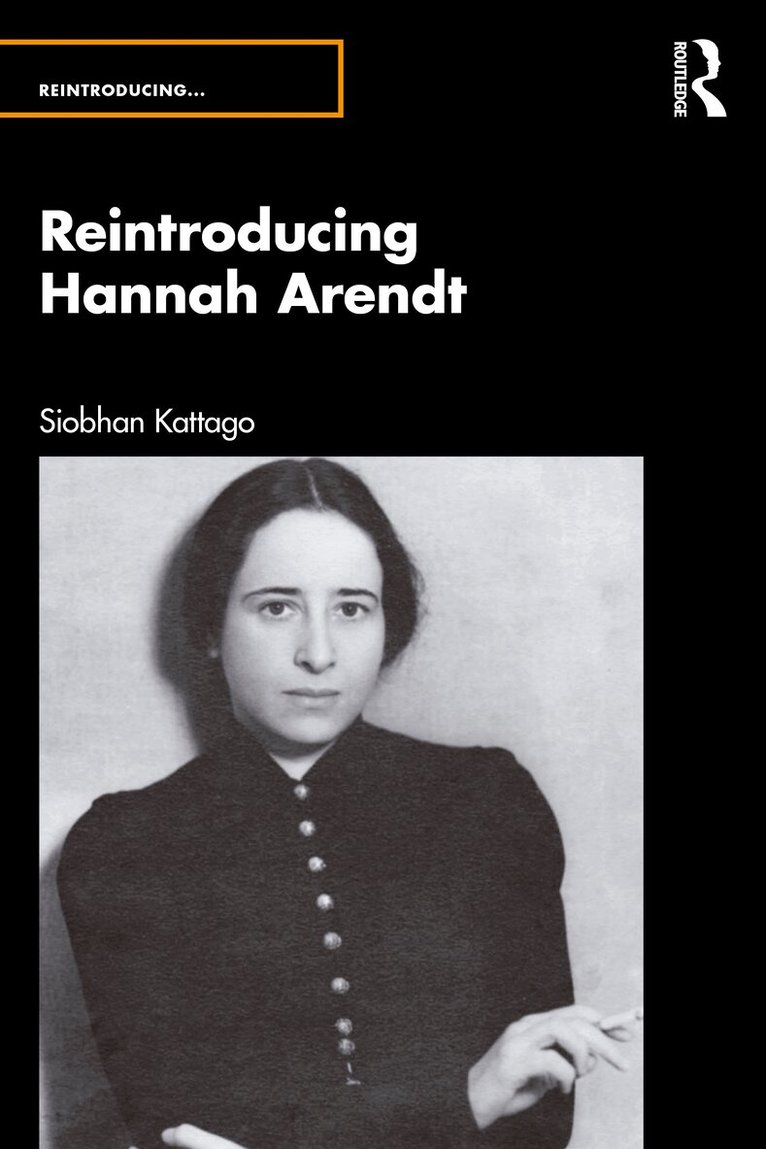
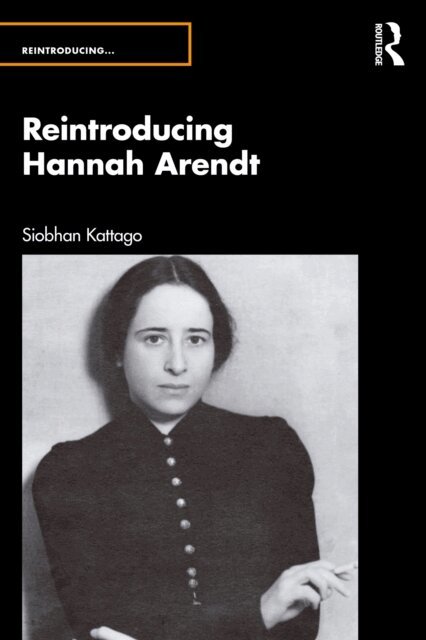
Reintroducing Hannah Arendt connects Arendt’s philosophical and political thought to social theory and the social sciences in the 21st century, as individuals experience profound social, political, and technological change.Though classifying herself as a political theorist sceptical of sociology and the social sciences, Arendt’s critique of mass society shares much in common with perennial themes in social theory. Indeed, her reflections on the importance of the world and the power of stories, the prevalence of loneliness and alienation, statelessness, cynicism in politics, antisemitism, imperialism, totalitarianism, and the banality of evil mark her as one of the most original and provocative thinkers of the 20th century. Reintroducing Hannah Arendt links her focus on the unprecedented nature of totalitarianism with the importance of plurality, birth, freedom, responsibility, and new beginnings.In addition to outlining central themes in her published work, Siobhan Kattago argues for the acuity of Hannah Arendt’s insights for understanding our century of polarised politics, post-truth, artificial intelligence, social media, and echo chambers. The volume will thus appeal to scholars and students of sociology, philosophy, social theory, and politics with interests in the thought of Hannah Arendt and its enduring significance.
548 kr
Skickas inom 10-15 vardagar
Reintroducing Hannah Arendt connects Arendt’s philosophical and political thought to social theory and the social sciences in the 21st century, as individuals experience profound social, political, and technological change.Though classifying herself as a political theorist sceptical of sociology and the social sciences, Arendt’s critique of mass society shares much in common with perennial themes in social theory. Indeed, her reflections on the importance of the world and the power of stories, the prevalence of loneliness and alienation, statelessness, cynicism in politics, antisemitism, imperialism, totalitarianism, and the banality of evil mark her as one of the most original and provocative thinkers of the 20th century. Reintroducing Hannah Arendt links her focus on the unprecedented nature of totalitarianism with the importance of plurality, birth, freedom, responsibility, and new beginnings.In addition to outlining central themes in her published work, Siobhan Kattago argues for the acuity of Hannah Arendt’s insights for understanding our century of polarised politics, post-truth, artificial intelligence, social media, and echo chambers. The volume will thus appeal to scholars and students of sociology, philosophy, social theory, and politics with interests in the thought of Hannah Arendt and its enduring significance.
453 kr
Skickas inom 10-15 vardagar
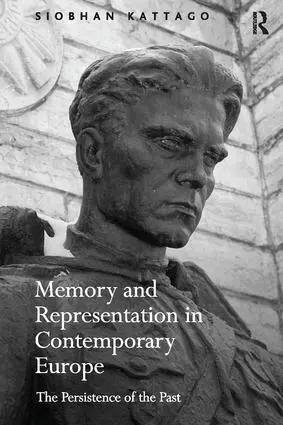
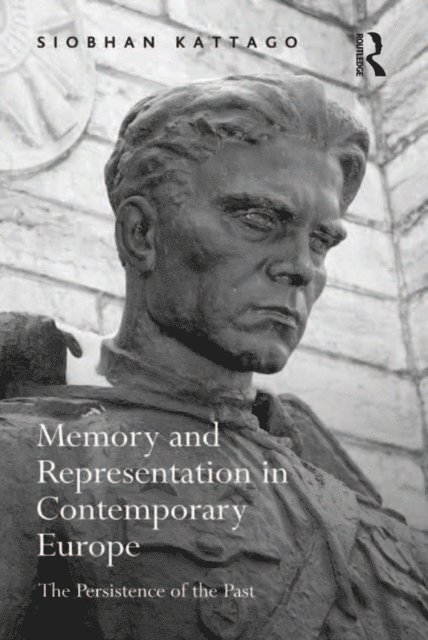
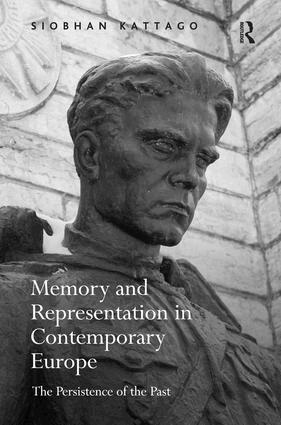
Why do certain places and not others symbolically capture the past and freeze time? Likewise, why does the process of memory, as a fluid and changing activity, seem to prevent its own solidification? Memory and Representation in Contemporary Europe reflects not only on the persistence of the past as a theme linked to modernity, media and time, but also discusses the politics of memory within a changing Europe. Drawing on the theoretical work of Hannah Arendt, Isaiah Berlin and Zygmunt Bauman, Siobhan Kattago uses examples from both Germany and Estonia in order to address the multiple layers of Europe's totalitarian past. Through reflecting on the legacy of totalitarianism and the revolutions of 1989, it becomes clear that the issue is less of whether one should remember, but rather how to internalize the various lessons of the past for the future of Europe. Memory and Representation in Contemporary Europe thus offers the reader occasions upon which to take stock of different but overlapping contours of past and present in contemporary Europe.
1 400 kr
Skickas inom 10-15 vardagar
Why do certain places and not others symbolically capture the past and freeze time? Likewise, why does the process of memory, as a fluid and changing activity, seem to prevent its own solidification? Memory and Representation in Contemporary Europe reflects not only on the persistence of the past as a theme linked to modernity, media and time, but also discusses the politics of memory within a changing Europe. Drawing on the theoretical work of Hannah Arendt, Isaiah Berlin and Zygmunt Bauman, Siobhan Kattago uses examples from both Germany and Estonia in order to address the multiple layers of Europe's totalitarian past. Through reflecting on the legacy of totalitarianism and the revolutions of 1989, it becomes clear that the issue is less of whether one should remember, but rather how to internalize the various lessons of the past for the future of Europe. Memory and Representation in Contemporary Europe thus offers the reader occasions upon which to take stock of different but overlapping contours of past and present in contemporary Europe.
2 044 kr
Skickas inom 10-15 vardagar
Memory has long been a subject of fascination for poets, artists, philosophers and historians. This timely volume, edited by Siobhan Kattago, examines how past events are remembered, contested, forgotten, learned from and shared with others. Each author in The Ashgate Research Companion to Memory Studies has been asked to reflect on his or her research companions as a scholar, who studies memory. The original studies presented in the volume are written by leading experts, who emphasize both the continuity of heritage and tradition, as well as the memory of hostilities, traumas and painful events. Comprised of four thematic sections, The Ashgate Research Companion to Memory Studies provides a comprehensive overview of the latest research within the discipline. The principal themes include: ¢ Memory, History and Time ¢ Social, Psychological and Cultural Frameworks of Memory ¢ Acts and Places of Memory ¢ Politics of Memory, Forgetting and Democracy Featuring contributions from key thinkers in the field, this comprehensive volume will be a valuable resource for all academics and students working within this area of study.