Siobhan M. Hart - Böcker
Visar alla böcker från författaren Siobhan M. Hart. Handla med fri frakt och snabb leverans.
3 produkter
3 produkter
884 kr
Skickas inom 10-15 vardagar
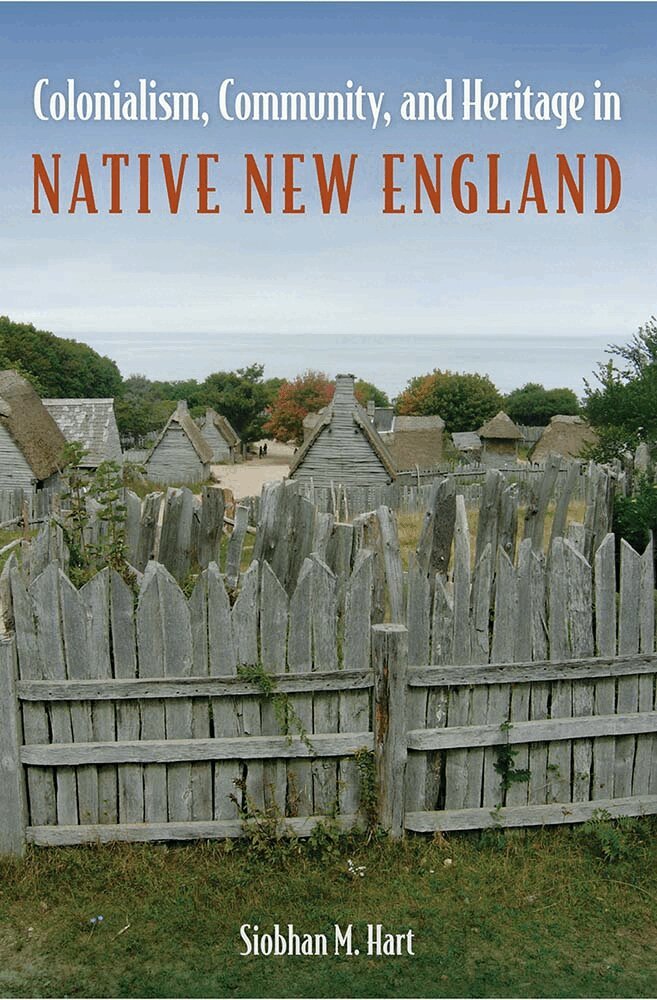
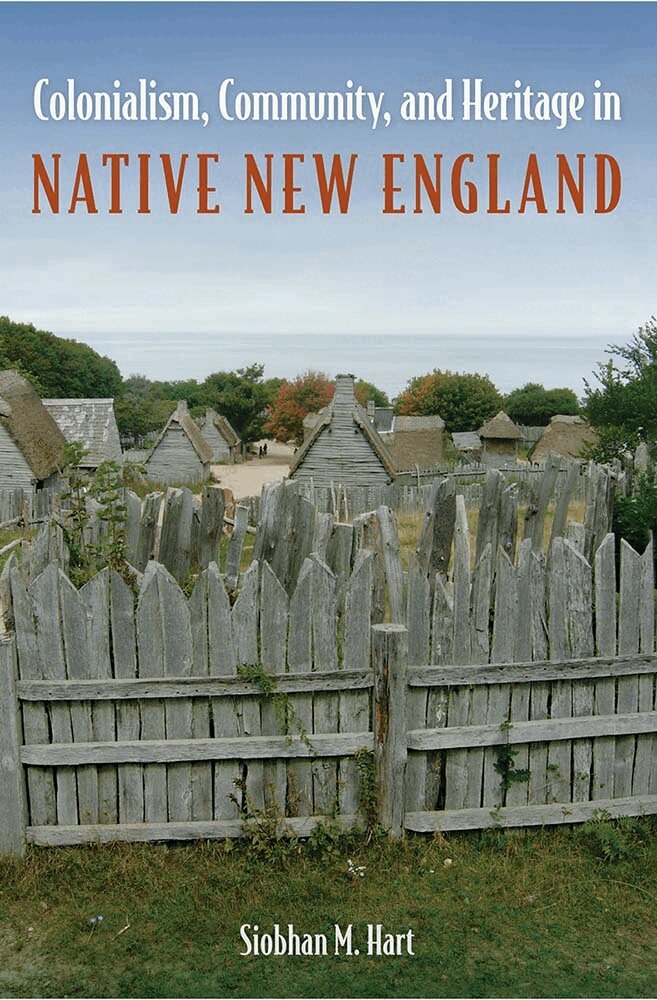
Exploring museums and cultural centers in New England that hold important meanings for Native American communities today, this illuminating book offers a much-needed critique of the collaborative work being done to preserve and promote the cultural heritage of the region.Siobhan Hart examines the narratives told by and about Native American communities at heritage sites of the Aquinnah Wampanoag tribe on Martha’s Vineyard, the Pocumtuck in Deerfield, Massachusetts, the Mashantucket Pequot reservation in Connecticut, and Plimoth Plantation in Massachusetts. She looks at interpretive signage, exhibits, events, and visitor engagement strategies that try to reverse the common idea that Native peoples no longer exist in these landscapes and asks whether the messages of these sites really do help break apart the power structures of colonialism. She finds that in many cases whiteness is still presented to visitors as the cultural norm and that the burden of decolonizing often falls on indigenous curators, interpreters, and collaborators.Hart’s analysis spotlights the persistence of racialization and structural inequalities in these landscapes, as well as the negative effects of these problems on current Native American sovereignty. The broader goal of decolonization, she argues, remains unrealized. This book presents startling evidence of the ways even well-intentioned multiperspective approaches to heritage presentations can undermine the social justice they seek. A volume in the series Cultural Heritage Studies, edited by Paul A. Shackel.
462 kr
Skickas inom 3-6 vardagar
A close look at New England heritage sites and the narratives they tell about Native American communitiesExploring museums and cultural centers in New England that hold important meanings for Native American communities today, this illuminating book offers a much-needed critique of collaborative efforts to preserve and promote the cultural heritage of the region.Siobhan Hart examines the narratives told by and about Native American communities at heritage sites of the Aquinnah Wampanoag tribe on Martha’s Vineyard, the Pocumtuck in Deerfield, Massachusetts, the Mashantucket Pequot reservation in Connecticut, and Plimoth Plantation in Massachusetts. Aimed largely at non-Native audiences, the interpretive signage, exhibits, events, and visitor-engagement strategies are intended to dispel the myth that Native peoples no longer live there. Hart investigates whether these tactics really do help topple the power structures of colonialism. She finds that in many cases, sites’ efforts reinforce the privilege of whiteness. The burden of decolonizing falls on Indigenous curators, interpreters, and collaborators, while visitors can leave the difficult places, stories, and experiences behind them.Hart’s analysis spotlights the persistence of racialization and structural inequalities in these landscapes, as well as the negative effects on current Native American sovereignty. While their messages are changing public perceptions of Indigenous-community persistence in New England, the broader goal of decolonization, she argues, remains unrealized. This book presents startling evidence of the ways even well-intentioned multiperspective approaches to heritage can undermine the social justice they seek. Hart asks the difficult question, What do we want heritage sites to do?
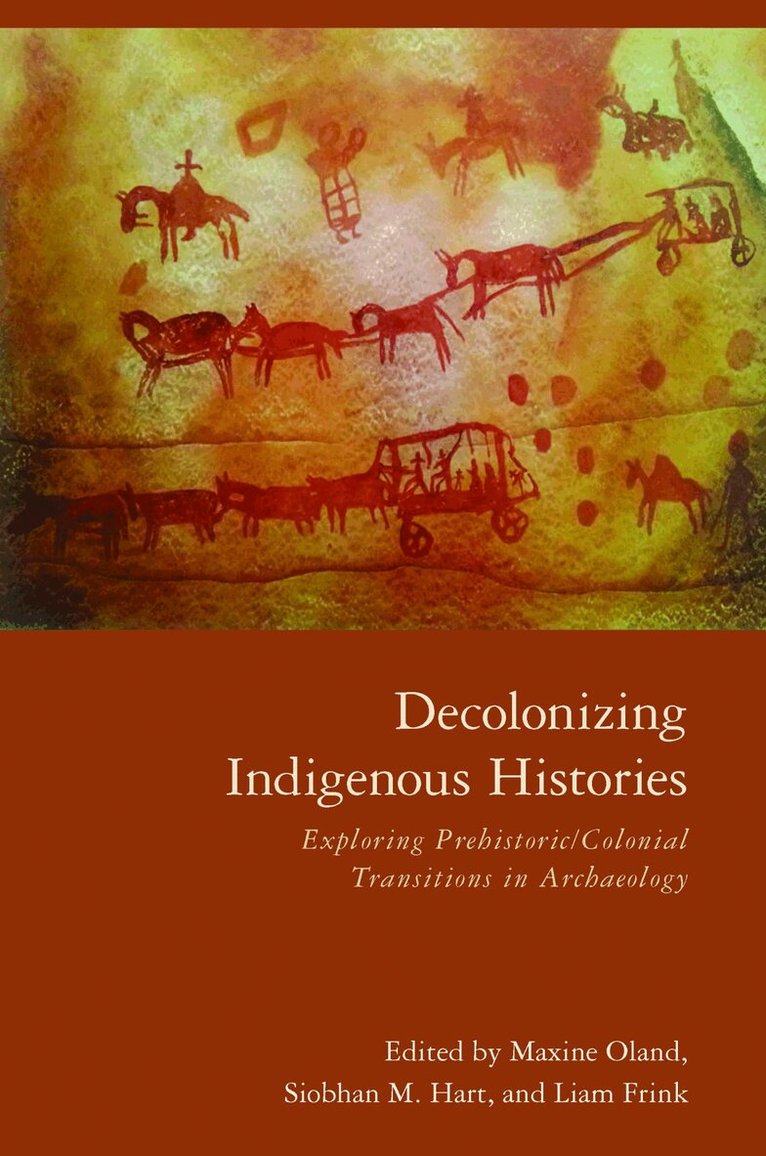
Decolonizing Indigenous Histories
Exploring Prehistoric/Colonial Transitions in Archaeology
Häftad, Engelska, 2020
426 kr
Skickas inom 7-10 vardagar
Decolonizing Indigenous Histories makes a vital contribution to the decolonization of archaeology by recasting colonialism within long-term indigenous histories. Showcasing case studies from Africa, Australia, Mesoamerica, and North and South America, this edited volume highlights the work of archaeologists who study indigenous peoples and histories at multiple scales.The contributors explore how the inclusion of indigenous histories, and collaboration with contemporary communities and scholars across the subfields of anthropology, can reframe archaeologies of colonialism. The cross-cultural case studies employ a broad range of methodological strategies-archaeology, ethnohistory, archival research, oral histories, and descendant perspectives-to better appreciate processes of colonialism. The authors argue that these more complicated histories of colonialism contribute not only to understandings of past contexts but also to contemporary social justice projects.In each chapter, authors move beyond an academic artifice of 'prehistoric' and 'colonial' and instead focus on longer sequences of indigenous histories to better understand colonial contexts. Throughout, each author explores and clarifies the complexities of indigenous daily practices that shape, and are shaped by, long-term indigenous and local histories by employing an array of theoretical tools, including theories of practice, agency, materiality, and temporality.Included are larger integrative chapters by Kent Lightfoot and Patricia Rubertone, foremost North American colonialism scholars who argue that an expanded global perspective is essential to understanding processes of indigenous-colonial interactions and transitions.