S.L. Tsohatzidis - Böcker
Visar alla böcker från författaren S.L. Tsohatzidis. Handla med fri frakt och snabb leverans.
4 produkter
4 produkter
3 698 kr
Skickas inom 10-15 vardagar
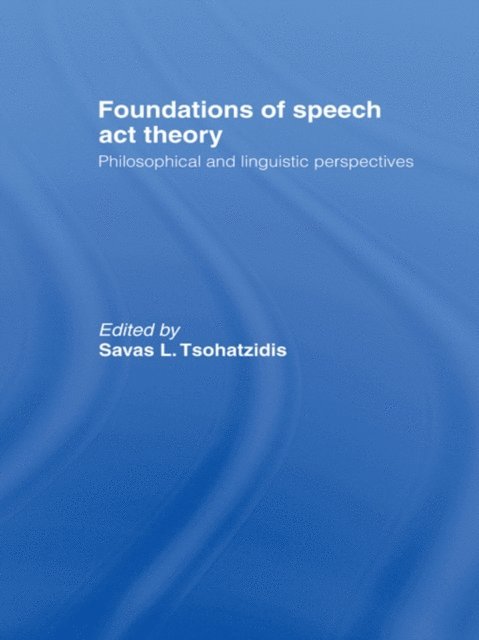
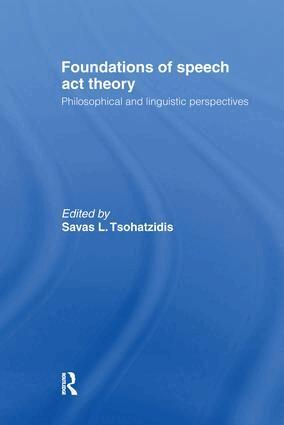
Foundations of Speech Act Theory investigates the importance of speech act theory to the problem of meaning in linguistics and philosophy. The papers in this volume, written by respected philosophers and linguists, significantly advance standards of debate in this area.Beginning with a detailed introduction to the individual contributors, this collection demonstrates the relevance of speech acts to semantic theory. It includes essays unified by the assumption that current pragmatic theories are not well equipped to analyse speech acts satisfactorily, and concludes with five studies which assess the relevance of speech act theory to the understanding of philosophical problems outside the area of philosophy of language.
2 793 kr
Skickas inom 10-15 vardagar
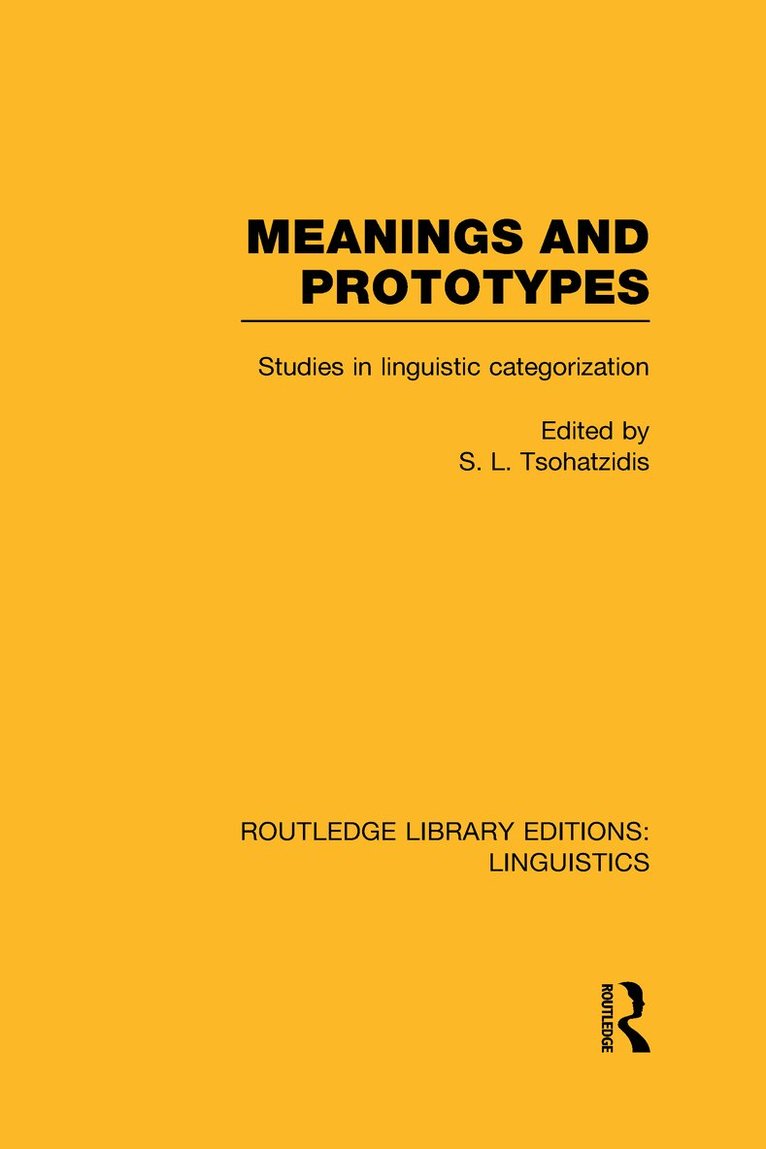
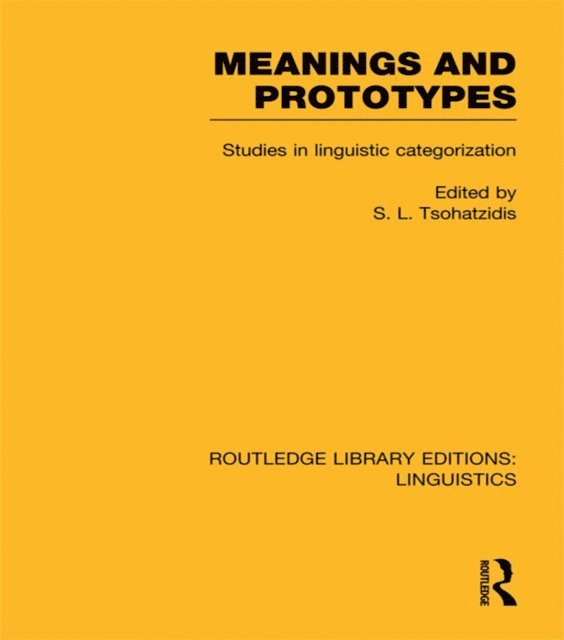
There are fewer distinctions in any language than there are distinct things in the universe. If, therefore, languages are ways of representing the universe, a primary function of their elements must be to allow the much more varied kinds of elements out of which the universe is made to be categorized in specific ways. A prototype approach to linguistic categories is a particular way of answering the question of how this categorization operates. It involves two claims. First, that linguistic categorization exploits principles that are not specific to language but characterize most, if not all, processes of cognition. Secondly, that a basic principle by which cognitive and linguistic categories are organized is the prototype principle, which assigns elements to a category not because they exemplify properties that are absolutely required of each one of its members, but because they exhibit, in varying degrees, certain types of similarity with a particular category member which has been established as the best example (or: prototype) of its kind.The development of the prototype approach into a satisfactory body of theory obviously requires both that its empirical base be enriched, and that its conceptual foundations be clarified. These are the areas where this volume, in its 26 essays, makes original contributions. The first two parts contain discussions in which various kinds of linguistic phenomena are analysed in ways that make essential use of prototype notions. The last two parts contain discussions in which prototype notions themselves become the object, rather than the instrument, of analytical scrutiny.

717 kr
Skickas inom 10-15 vardagar
There are fewer distinctions in any language than there are distinct things in the universe. If, therefore, languages are ways of representing the universe, a primary function of their elements must be to allow the much more varied kinds of elements out of which the universe is made to be categorized in specific ways. A prototype approach to linguistic categories is a particular way of answering the question of how this categorization operates. It involves two claims. First, that linguistic categorization exploits principles that are not specific to language but characterize most, if not all, processes of cognition. Secondly, that a basic principle by which cognitive and linguistic categories are organized is the prototype principle, which assigns elements to a category not because they exemplify properties that are absolutely required of each one of its members, but because they exhibit, in varying degrees, certain types of similarity with a particular category member which has been established as the best example (or: prototype) of its kind.The development of the prototype approach into a satisfactory body of theory obviously requires both that its empirical base be enriched, and that its conceptual foundations be clarified. These are the areas where this volume, in its 26 essays, makes original contributions. The first two parts contain discussions in which various kinds of linguistic phenomena are analysed in ways that make essential use of prototype notions. The last two parts contain discussions in which prototype notions themselves become the object, rather than the instrument, of analytical scrutiny.
704 kr
Skickas inom 10-15 vardagar
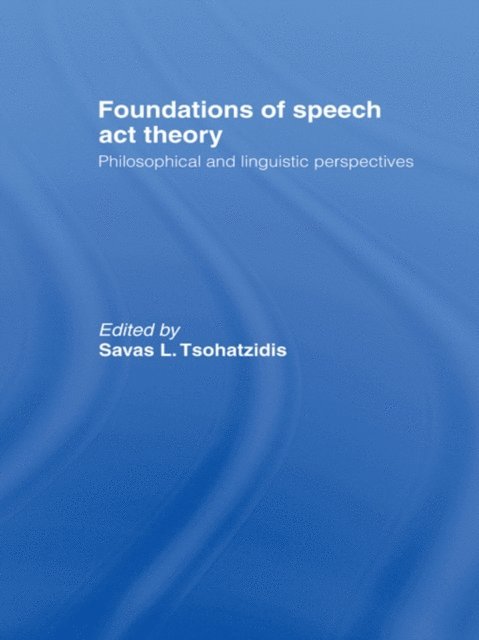
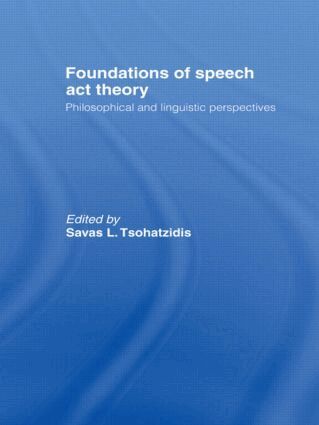
Foundations of Speech Act Theory investigates the importance of speech act theory to the problem of meaning in linguistics and philosophy. The papers in this volume, written by respected philosophers and linguists, significantly advance standards of debate in this area.Beginning with a detailed introduction to the individual contributors, this collection demonstrates the relevance of speech acts to semantic theory. It includes essays unified by the assumption that current pragmatic theories are not well equipped to analyse speech acts satisfactorily, and concludes with five studies which assess the relevance of speech act theory to the understanding of philosophical problems outside the area of philosophy of language.