Søren M Sindbaek - Böcker
Visar alla böcker från författaren Søren M Sindbaek. Handla med fri frakt och snabb leverans.
7 produkter
7 produkter
523 kr
Skickas
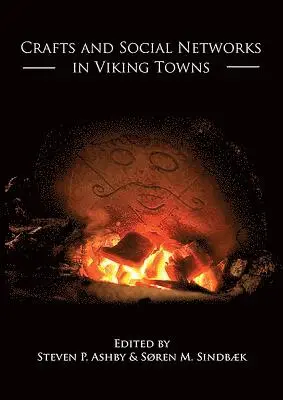
Crafts and Social Networks in Viking Towns explores the interface between craft, communication networks, and urbanisation in Viking-Age northern Europe. Viking-period towns were the hubs of cross-cultural communication of their age, and innovations in specialised crafts provide archaeologists with some of the best evidence for studying this communication. The integrated results presented in these papers have been made possible through the sustained collaboration of a group of experts with complementary insights into individual crafts. Results emerge from recent scholarly advances in the study of artefacts and production: first, the application of new analytical techniques (e.g. metallographic, isotopic, and biomolecular techniques) and second, the shift in interpretative focus from a concern with object function to considerations of processes of production, and of the social agency of technology. Furthermore, the introduction of social network theory and actor-network theory has redirected attention toward the process of communication, and highlighted the significance of material culture in the learning and transmission of cultural knowledge, including technology. The volume brings together leading UK and Scandinavian archaeological specialists to explore crafted products and workshop-assemblages from Viking towns, in order to clarify how such long-range communication worked in pre-modern northern Europe. Contributors assess the implications for our understanding of early towns and the long-term societal change catalysed by them, including the initial steps towards commercial economies. Results are analysed in relation to social network theory, social and economic history, and models of communication, setting an agenda for further research. The volume provides a landmark statement on our knowledge of Viking-Age craft and communication.
847 kr
Skickas inom 7-10 vardagar
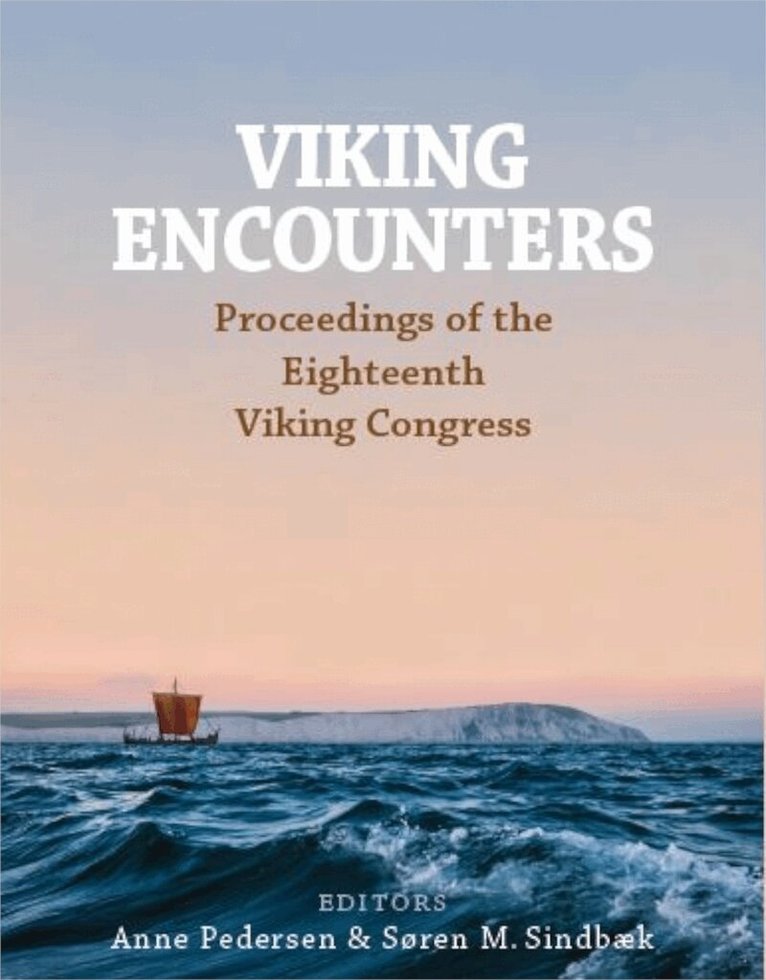
The Viking Congresses bring together scholars of archaeology, philology, history, toponymy, numismatics and a number of other disciplines to discuss the Viking Age from a variety of viewpoints. This volume contains 44 peer-reviewed papers selected from those presented at the 18th Viking Congress held in Denmark in August 2017. The contributors take up the interdisciplinary challenge, and the papers cover a wide range of subjects, rooted in the past, but also connecting to the present.
468 kr
Skickas inom 7-10 vardagar
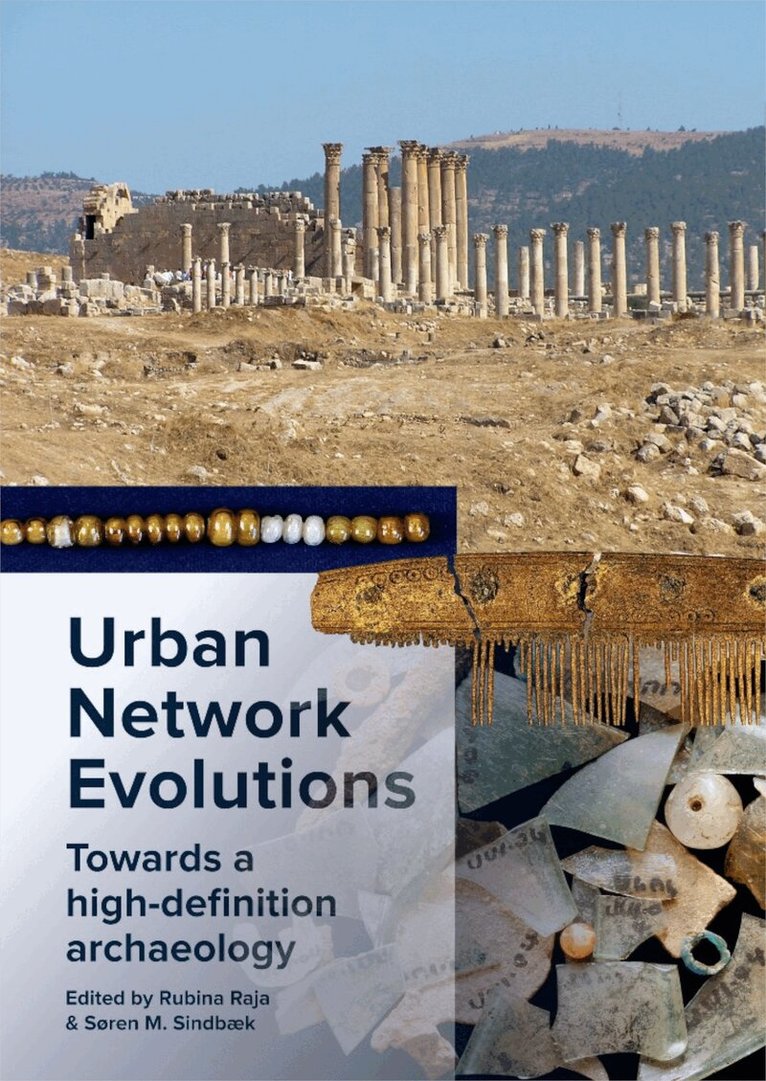
For millenia, urban networks have shaped the development of human societies. Today, new archaeological approaches are unveiling the evolution of these networks in unprecedented detail. Urban Networks Evolutions reviews the new approaches to urban evolution as archaeology endeavours to characterise both the scale and pace of historical events and processes. Issuing from the work of the Danish National Research Foundation's Centre of Excellence, the Centre for Urban Network Evolutions (UrbNet), the book compares the archaeology of urbanism from medieval Northern Europe to the Ancient Mediterranean and the Indian Ocean World. The 40 contributors demonstrate how new techniques for refining archaeological dates, contexts, and the provenance ascribed to material culture, afford a new high-definition approach to the study of global and interregional dynamics. This opens up for far-reaching questions as to how and to what extent urban networks catalysed societal and environmental expansions and crises in the past.
610 kr
Kommande
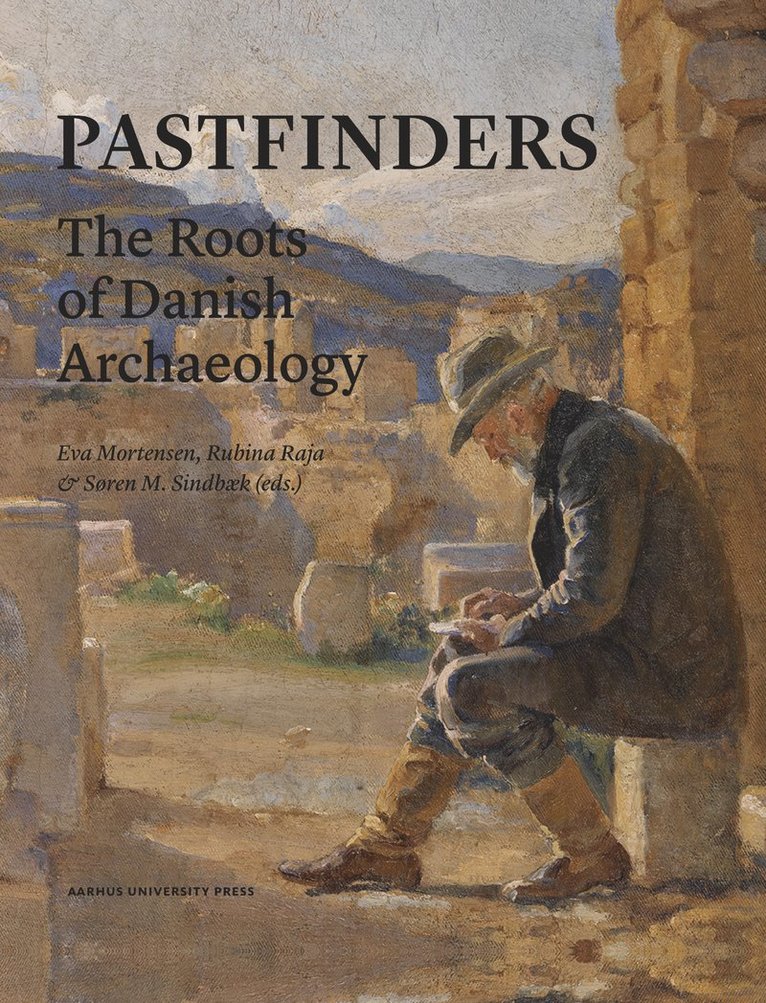
It is widely agreed that the birth of modern archaeology happened in Denmark in the 19th century. A particular set of intellectual and material circumstances came together in a small northern European country to forge the making of a new academic field of enquiry. The history of this event has been widely constructed from the vantage points of certain schools and subjects. This anthology aims to demonstrate that the early Danish pioneers saw little distinction between the study of classical antiquity, the middle ages, prehistory, ethnography and human evolution, nor between humanities and natural sciences. The contributions show how Danish scholars remained key actors and delivered pioneering achievements in the archaeology of Europe, the Mediterranean and the Middle East. In many cases, a full appreciation of their work has been blinded by the disciplinary boundaries of post-war academia. Rediscovering the intimate links between what was later to become separate subjects within the work of individual scholars, this book recasts the history of archaeology in the 19th and early 20th centuries as a joint quest for a global understanding of human history.
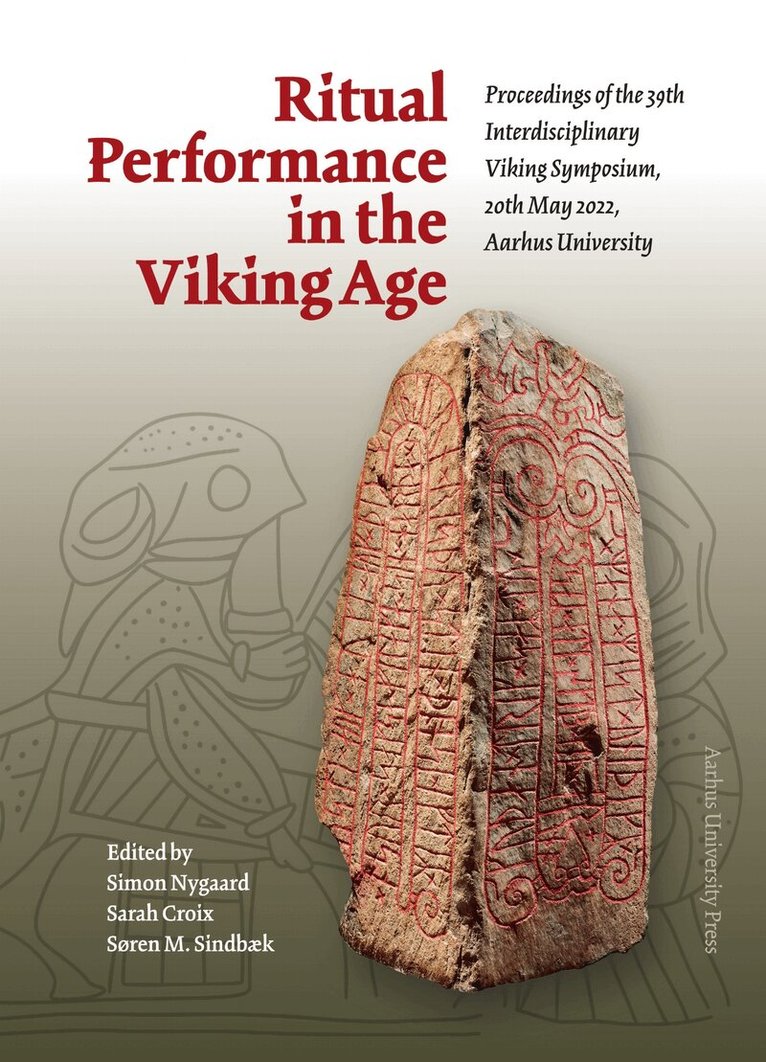
Ritual Performance in the Viking Age
Proceedings of the 39th Interdisciplinary Viking Symposium, 20 Th May 2022, Aarhus University
Häftad, Engelska, 2026
202 kr
Kommande
The performance of rituals is a key component in understanding the culture of Late Iron-Age and Viking-Age Scandinavia, which was marked by tremendous social and religious transformations. New approaches to social, political, and religious rituals are currently offering stimulating new perspectives on the period and the entanglements of symbolism, the exercise of power, materiality and agency. Research on finds such as iconographic objects or buildings associated with rituals, as well as new interpretations of well-known textual and material sources points to the continued relevance of the ritual perspective for exploring the Viking-Age mind-set. This volume contains the proceedings of the 39th Interdisciplinary Viking Symposium, held on 20th May 2022 at Aarhus University. The five chapters of the book pose questions of what, how, and why as well as by or for whom rituals of various kinds were performed in the Viking Age in a predominantly pre-Christian context. By considering the involvement of people, words, things, and spaces in ritual acts, it seeks to deepen our understanding of ritual performance in the period from a truly interdisciplinary perspective.
657 kr
Skickas inom 7-10 vardagar
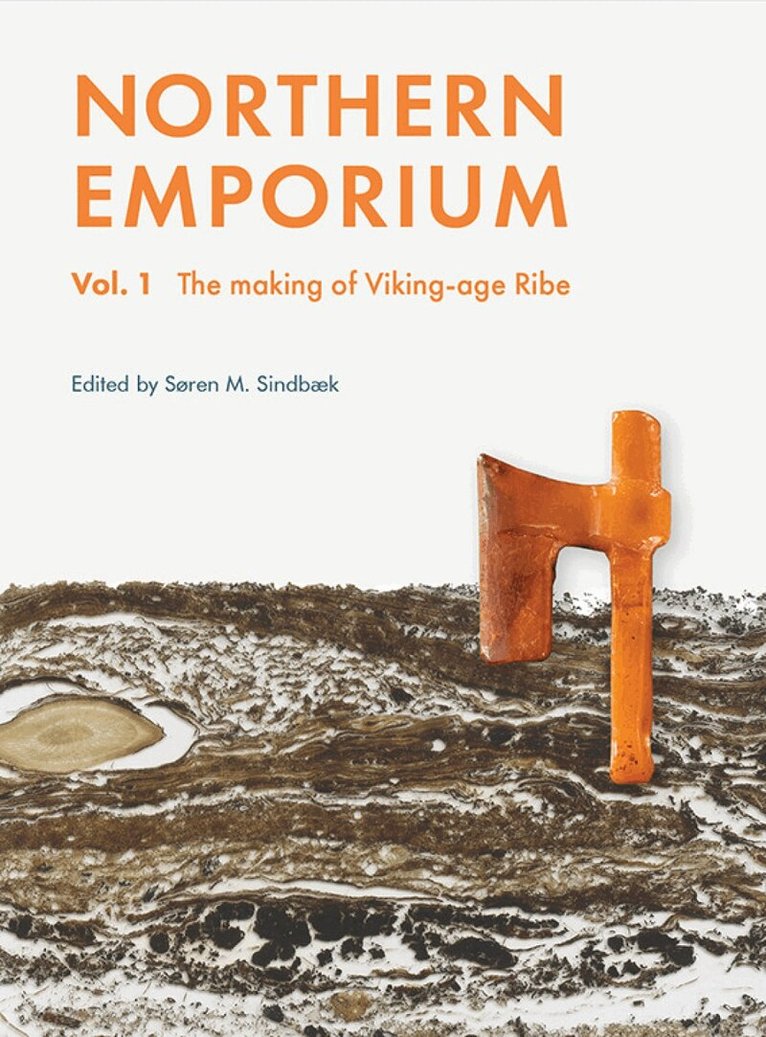
In the early Middle Ages, a network of maritime trading towns – emporia – emerged along the northern coasts of Europe. These early urban sites are among archaeology’s most notable contributions to our knowledge of the period between the disintegration of the Western Roman Empire and the growth of a maritime-oriented world in the Viking Age. Ribe, on the western coast of Denmark, is one of these sites. In 2017-18 the Northern Emporium research project conducted seminal research excavations, which provided new foundations for the study of this nodal point between Western Europe, Scandinavia, and the world beyond. This first volume presents the results of these excavations and analyses to piece together the history of the emporium and its social fabric. The research employs novel, high-definition methods to explore the networks of the site, integrating an extensive use of geoarchaeology and 3D stratigraphic recording with intensive environmental sampling and artefact recovery, resulting in more than 100,000 artefact finds. The results transform our understanding of key points of the early history of the North Sea region. Through the remains of dwellings and workshops – the traces left by traders, sailors, weavers, tailors, comb makers, and skilled producers of glass beads and metal ornaments – we follow the creation of Viking Age social networks, along with some of the most iconic artistic products of this world and the daily lives of some of its notable inhabitants.
657 kr
Skickas inom 7-10 vardagar
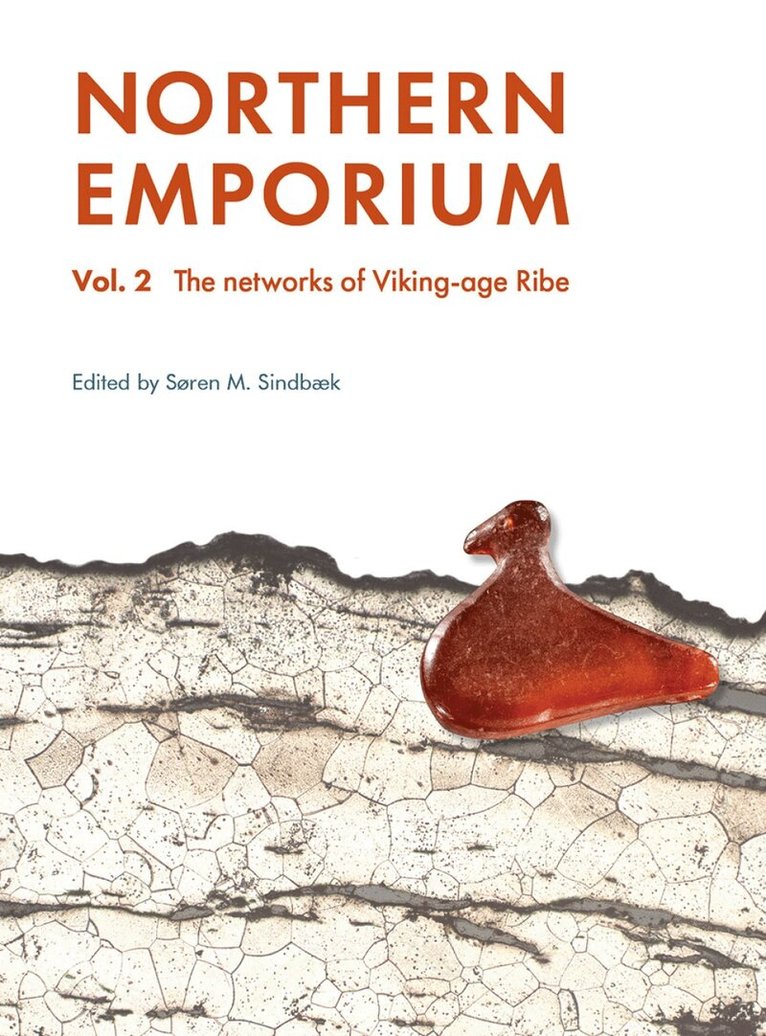
Early urban societies transformed social networks. This was also the case for Northern Europe’s emporia – maritime trading towns that emerged around the North and Baltic Seas in the first stages of the Viking Age. The surprising pace and scope of this change is rarely more evident than in the archaeology of Ribe, Denmark.This is the second and final volume presenting the results of the Northern Emporium research project and the high-definition excavations carried out within this programme in 2017-18 in Ribe. The 21 chapters survey the remarkable range of finds retrieved from this hub of the North Sea world in the eighth and ninth centuries AD: artefacts made from pottery, stone, shell, glass, metals, amber, leather, wood, textile, bone and antler. They offer detailed insights that highlight discoveries such as the assemblages from glass bead or comb-making workshops, and rare finds such as wooden furnishings and musical instruments.The focus of the book is on assembling Ribe’s early urban network. By analysing finds and their context, we develop a picture of social roles and interactions between residents and visitors in the emporium. And we follow the connections they created with other worlds as we trace the flows of glass vessels, pottery and wine barrels from Western Europe; iron, stone and animal products from North and Central Scandinavia and beads and coins that travelled from the Middle East and the Indian Ocean into northern Europe’s new maritime frontier.