
Sofya Aptekar – författare
Visar alla böcker från författaren Sofya Aptekar. Handla med fri frakt och snabb leverans.
3 produkter
3 produkter
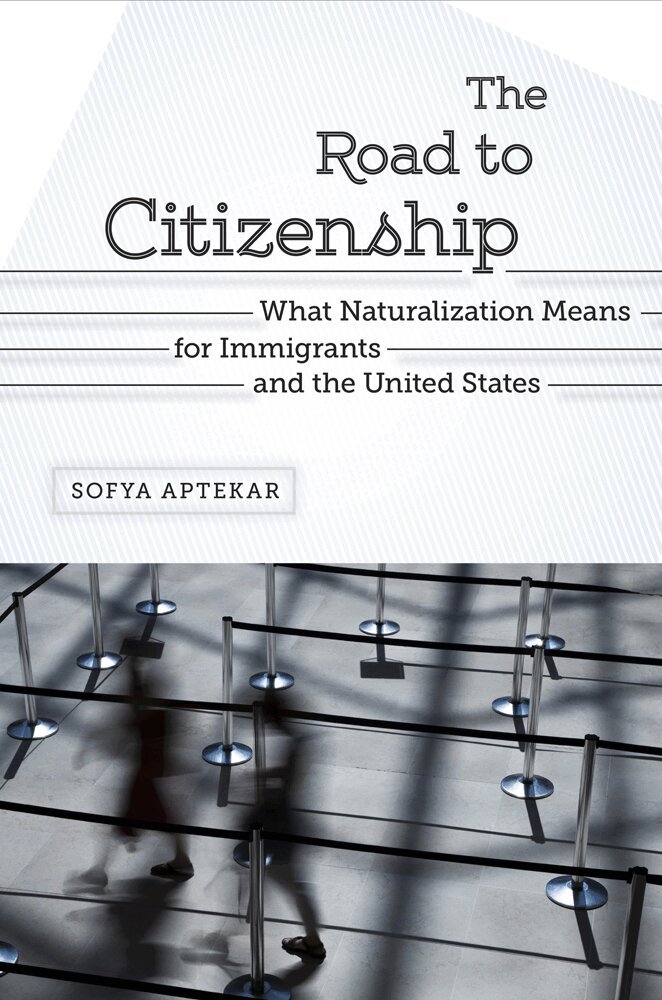
Häftad, Engelska, 2015
365 kr
Skickas inom 5-8 vardagar
Between 2000 and 2011, eight million immigrants became American citizens. In naturalization ceremonies large and small these new Americans pledged an oath of allegiance to the United States, gaining the right to vote, serve on juries, and hold political office; access to certain jobs; and the legal rights of full citizens. In The Road to Citizenship, Sofya Aptekar analyzes what the process of becoming a citizen means for these newly minted Americans and what it means for the United States as a whole. Examining the evolution of the discursive role of immigrants in American society from potential traitors to morally superior “supercitizens,” Aptekar’s in-depth research uncovers considerable contradictions with the way naturalization works today. Census data reveal that citizenship is distributed in ways that increasingly exacerbate existing class and racial inequalities, at the same time that immigrants’ own understandings of naturalization defy accepted stories we tell about assimilation, citizenship, and becoming American. Aptekar contends that debates about immigration must be broadened beyond the current focus on borders and documentation to include larger questions about the definition of citizenship. Aptekar’s work brings into sharp relief key questions about the overall system: does the current naturalization process accurately reflect our priorities as a nation and reflect the values we wish to instill in new residents and citizens? Should barriers to full membership in the American polity be lowered? What are the implications of keeping the process the same or changing it? Using archival research, interviews, analysis of census and survey data, and participant observation of citizenship ceremonies, The Road to Citizenship demonstrates the ways in which naturalization itself reflects the larger operations of social cohesion and democracy in America.
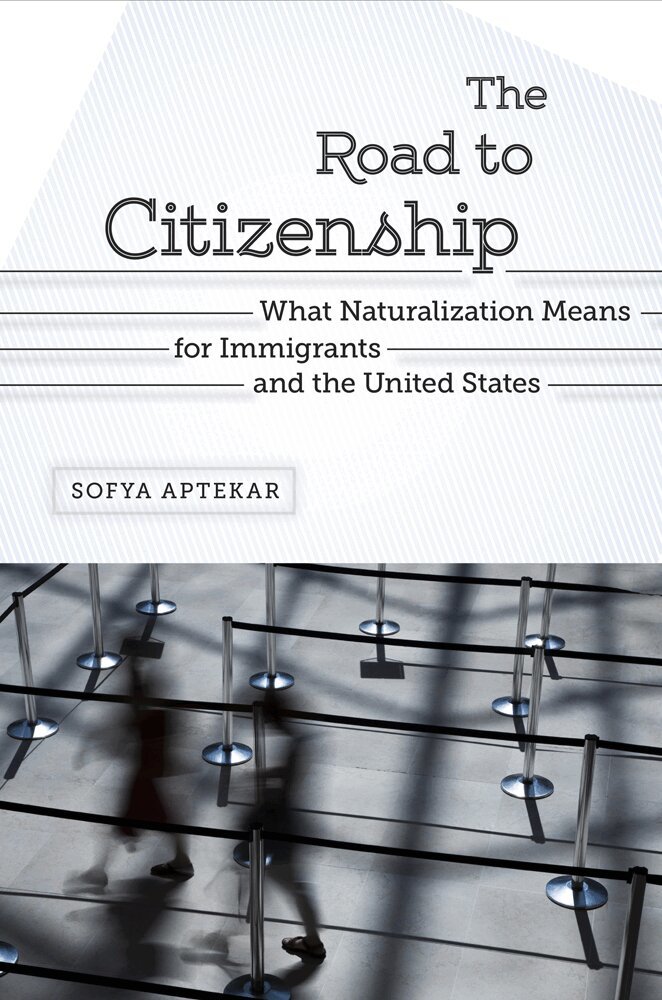
Inbunden, Engelska, 2015
1 371 kr
Skickas inom 5-8 vardagar
Between 2000 and 2011, eight million immigrants became American citizens. In naturalization ceremonies large and small these new Americans pledged an oath of allegiance to the United States, gaining the right to vote, serve on juries, and hold political office; access to certain jobs; and the legal rights of full citizens. In The Road to Citizenship, Sofya Aptekar analyzes what the process of becoming a citizen means for these newly minted Americans and what it means for the United States as a whole. Examining the evolution of the discursive role of immigrants in American society from potential traitors to morally superior “supercitizens,” Aptekar’s in-depth research uncovers considerable contradictions with the way naturalization works today. Census data reveal that citizenship is distributed in ways that increasingly exacerbate existing class and racial inequalities, at the same time that immigrants’ own understandings of naturalization defy accepted stories we tell about assimilation, citizenship, and becoming American. Aptekar contends that debates about immigration must be broadened beyond the current focus on borders and documentation to include larger questions about the definition of citizenship. Aptekar’s work brings into sharp relief key questions about the overall system: does the current naturalization process accurately reflect our priorities as a nation and reflect the values we wish to instill in new residents and citizens? Should barriers to full membership in the American polity be lowered? What are the implications of keeping the process the same or changing it? Using archival research, interviews, analysis of census and survey data, and participant observation of citizenship ceremonies, The Road to Citizenship demonstrates the ways in which naturalization itself reflects the larger operations of social cohesion and democracy in America.

Häftad, Engelska, 2024
152 kr
Skickas inom 5-8 vardagar
Public higher education’s future is being held hostage by financial institutions and actors. How did it get this way? Lend and Rule reveals the “shadow governance” of debt and credit in the United States higher education system. With sharp and hard-hitting insight, the Coalition Against Campus Debt exposes how institutional debt is a primary driver of university austerity, miseducation, and the deepening of societal inequality. Addressing how our lives are entangled in a debt economy, they develop the analysis necessary to transform higher education in today’s neoliberal racial capitalist political economy. Part theoretical analysis, part toolbox for organizers in higher education, Lend and Rule is an invaluable resource for anyone engaged in debt abolition struggles or looking to acquire a critical and transformative vision of higher education today.