Sohail Hashmi - Böcker
Visar alla böcker från författaren Sohail Hashmi. Handla med fri frakt och snabb leverans.
2 produkter
2 produkter
1 390 kr
Skickas inom 7-10 vardagar
This volume, first published in 2004, offers an interesting perspective on the discussion of weapons of mass destruction (WMD) by broadening the terms of the debate to include both secular and religious investigations not normally considered. The volume contains a structured dialogue between representatives of the following ethical traditions: Buddhism, Christianity, Confucianism, feminism, Hinduism, Islam, Judaism, liberalism, natural law, pacifism, and realism. There are two introductory chapters on the technical aspects of WMD and international agreements for controlling WMD. A concluding essay compares the different ethical traditions. All the authors address the same set of moral issues and this creates a dialogue both within and across traditions. The debate structure is particularly useful and appealing for pedagogical purposes. The introductory essays on the technical and legal aspects of WMD could easily be used to introduce the subject to students.
147 kr
Kommande
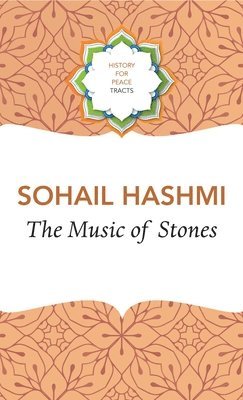
An essay that deftly deconstructs the history of ‘Islamic architecture’, challenging colonial narratives and promoting an inclusive understanding of Islam.In The Music of Stones, Sohail Hashmi delves into the intricate history and misconceptions surrounding Islamic architecture and culture. Challenging colonial and orientalist narratives, Hashmi reveals that iconic elements like domes and minarets were not originally part of early Islamic structures but later additions influenced by various cultures, primarily Persian and Turkish. Through engaging anecdotes and thought-provoking theories, Hashmi deconstructs the monolithic view of Islamic culture, emphasizing its rich and diverse heritage shaped by Sufi, Central Asian, and other regional influences. He highlights the importance of historical context and the dangers of oversimplifying complex cultural identities.The Music of Stones invites readers to reconsider the architectural and cultural legacy of Islam, advocating for a more inclusive and evidence-based understanding that transcends reductive labels and celebrates the richness of its diverse traditions.