Sohini Sarah Pillai - Böcker
Visar alla böcker från författaren Sohini Sarah Pillai. Handla med fri frakt och snabb leverans.
3 produkter
3 produkter
847 kr
Skickas inom 5-8 vardagar
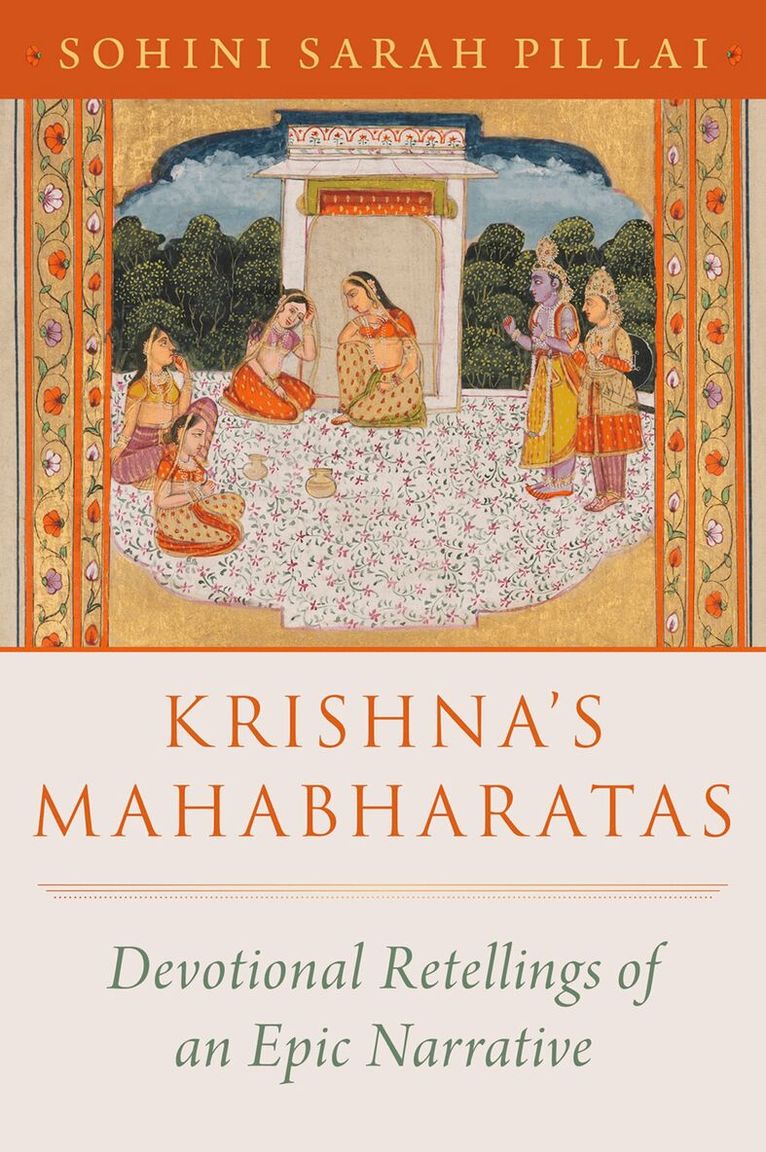
Recognized as the longest poem ever composed, the ancient Sanskrit Mahabharata epic tells the tale of the five Pandava princes and the cataclysmic battle they wage with their one hundred cousins, the Kauravas. This story is one of the most popular and widely-told narratives in South Asia, let alone the world. Between 800 and 1700 CE, a plethora of Mahabharatas were created in Assamese, Bengali, Gujarati, Hindi, Kannada, Konkani, Malayalam, Marathi, Oriya, Tamil, Telugu, and several other regional South Asian languages. Krishna's Mahabharatas: Devotional Retellings of an Epic Narrative is a comprehensive study of premodern regional Mahabharata retellings. This book argues that Vaishnavas (devotees of the Hindu god Vishnu and his various forms) throughout South Asia turned this epic about an apocalyptic, bloody war into works of ardent bhakti or “devotion” focused on the beloved Hindu deity Krishna. Examining over forty retellings in eleven different regional South Asian languages composed over a period of nine hundred years, it focuses on two particular Mahabharatas: Villiputturar's fifteenth-century Tamil Paratam and Sabalsingh Chauhan's seventeenth-century Bhasha (Old Hindi) Mahahbharat.Through close comparative readings, this book reveals the similar ways poets from opposite ends of the Indian sub-continent transform the story of the Sanskrit Mahabharata into devotional narratives centered on Krishna. At the same time, it also shows how these Mahabharatas are each unique pieces of religious literature that speak to different local audiences in premodern South Asia.
699 kr
Skickas inom 3-6 vardagar
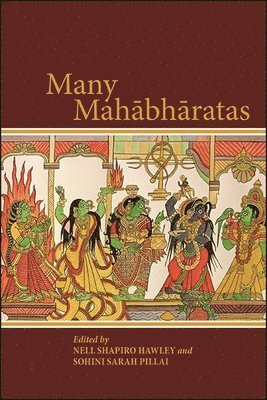
A major contribution to the study of South Asian literature, offering a landmark view of Mahābhārata studies.Many Mahābhāratas is an introduction to the spectacular and long-lived diversity of Mahābhārata literature in South Asia. This diversity begins with the Sanskrit Mahābhārata, an early epic poem that narrates the events of a catastrophic fratricidal war. Along the way, it draws in nearly everything else in Hindu mythology, philosophy, and story literature. The magnitude of its scope and the relentless complexity of its worldview primed the Mahābhārata for uncountable tellings in South Asia and beyond. For two thousand years, the instinctive approach to the Mahābhārata has been not to consume it but to create it anew.The many Mahābhāratas of this book come from the first century to the twenty-first. They are composed in nine different languages-Apabhramsha, Bengali, English, Hindi, Kannada, Malayalam, Sanskrit, Tamil, and Telugu. Early chapters illuminate themes of retelling within the Sanskrit Mahābhārata itself, demonstrating that the story's propensity for regeneration emerges from within. The majority of the book, however, reaches far beyond the Sanskrit epic. Readers dive into classical dramas, premodern vernacular poems, regional performance traditions, commentaries, graphic novels, political essays, novels, and contemporary theater productions-all of them Mahābhāratas.Because of its historical and linguistic breadth, its commitment to primary sources, and its exploration of multiplicity and diversity as essential features of the Mahābhārata's long life in South Asia, Many Mahābhāratas constitutes a major contribution to the study of South Asian literature and offers a landmark view of the field of Mahābhārata studies.
1 674 kr
Skickas inom 3-6 vardagar
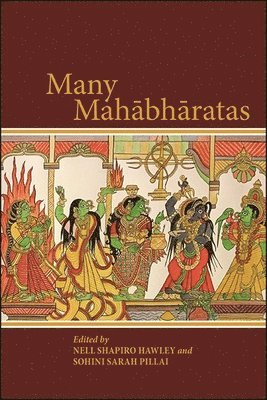
A major contribution to the study of South Asian literature, offering a landmark view of Mahābhārata studies.Many Mahābhāratas is an introduction to the spectacular and long-lived diversity of Mahābhārata literature in South Asia. This diversity begins with the Sanskrit Mahābhārata, an early epic poem that narrates the events of a catastrophic fratricidal war. Along the way, it draws in nearly everything else in Hindu mythology, philosophy, and story literature. The magnitude of its scope and the relentless complexity of its worldview primed the Mahābhārata for uncountable tellings in South Asia and beyond. For two thousand years, the instinctive approach to the Mahābhārata has been not to consume it but to create it anew.The many Mahābhāratas of this book come from the first century to the twenty-first. They are composed in nine different languages-Apabhramsha, Bengali, English, Hindi, Kannada, Malayalam, Sanskrit, Tamil, and Telugu. Early chapters illuminate themes of retelling within the Sanskrit Mahābhārata itself, demonstrating that the story's propensity for regeneration emerges from within. The majority of the book, however, reaches far beyond the Sanskrit epic. Readers dive into classical dramas, premodern vernacular poems, regional performance traditions, commentaries, graphic novels, political essays, novels, and contemporary theater productions-all of them Mahābhāratas.Because of its historical and linguistic breadth, its commitment to primary sources, and its exploration of multiplicity and diversity as essential features of the Mahābhārata's long life in South Asia, Many Mahābhāratas constitutes a major contribution to the study of South Asian literature and offers a landmark view of the field of Mahābhārata studies.