Soli Shahvar – författare
Visar alla böcker från författaren Soli Shahvar. Handla med fri frakt och snabb leverans.
5 produkter
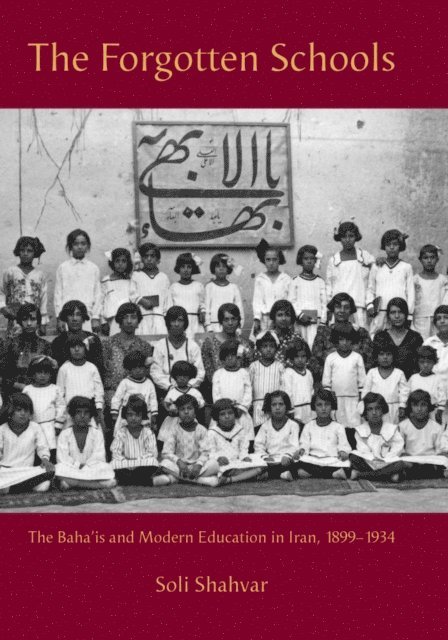
Forgotten Schools
The Baha'is and Modern Education in Iran, 1899-1934
Av Soli Shahvar
E-bok, 2009
2182 kr
Lägg i varukorg
By the end of the nineteenth century it became evident to Iran's ruling Qajar elite that the state's contribution to the promotion of modern education in the country was unable to meet the growing expectations set by Iranian society. Muzaffar al-Din Shah sought to remedy this situation by …
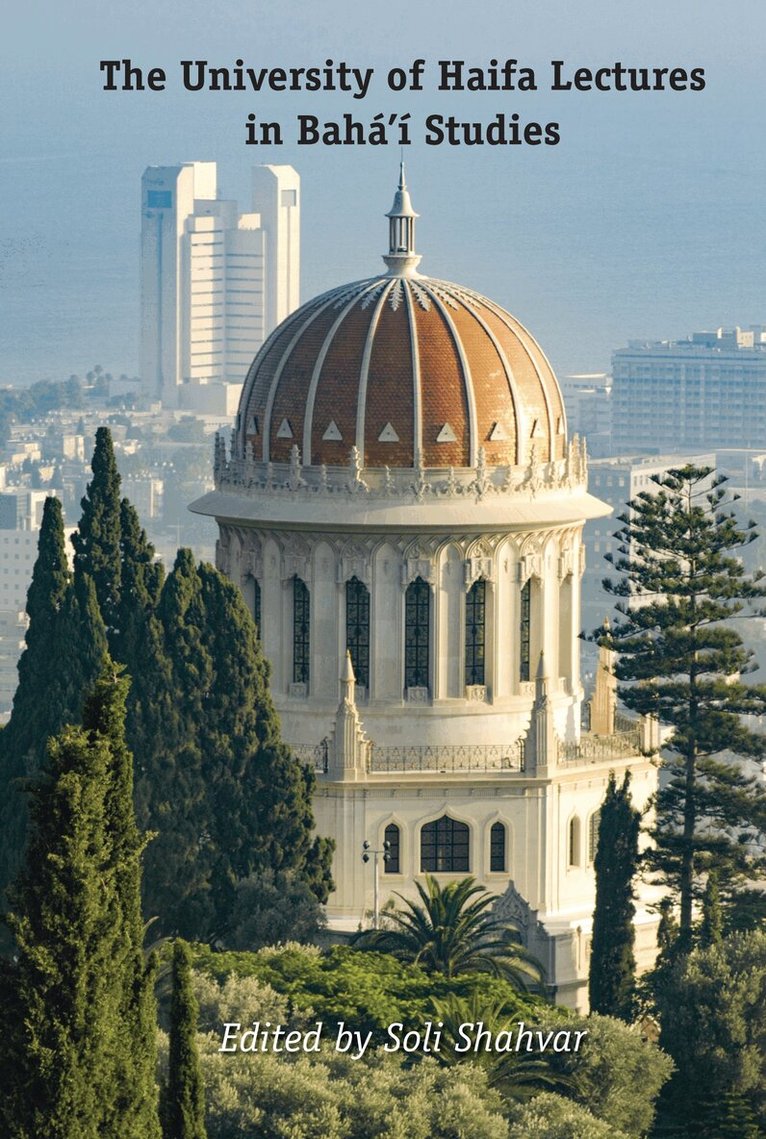
University of Haifa Lectures in Bahá’í Studies
Av Soli Shahvar
Inbunden, 2021
1029 kr
Lägg i varukorg
This volume brings together a selection of essays from the Lecture Series in Bahá’í studies at the University of Haifa. Each chapter explores an aspect of the Bahá’í religion, including its history, community, culture and theoretical perspectives on contemporary issues. The authors discuss topics …
Forgotten Schools
The Baha'is and Modern Education in Iran, 1899-1934
Av Soli Shahvar
Inbunden, 2009
2038 kr
Lägg i varukorg
By the end of the nineteenth century it became evident to Iran's ruling Qajar elite that the state's contribution to the promotion of modern education in the country was unable to meet the growing expectations set by Iranian society. Muzaffar al-Din Shah sought to remedy this situation by …
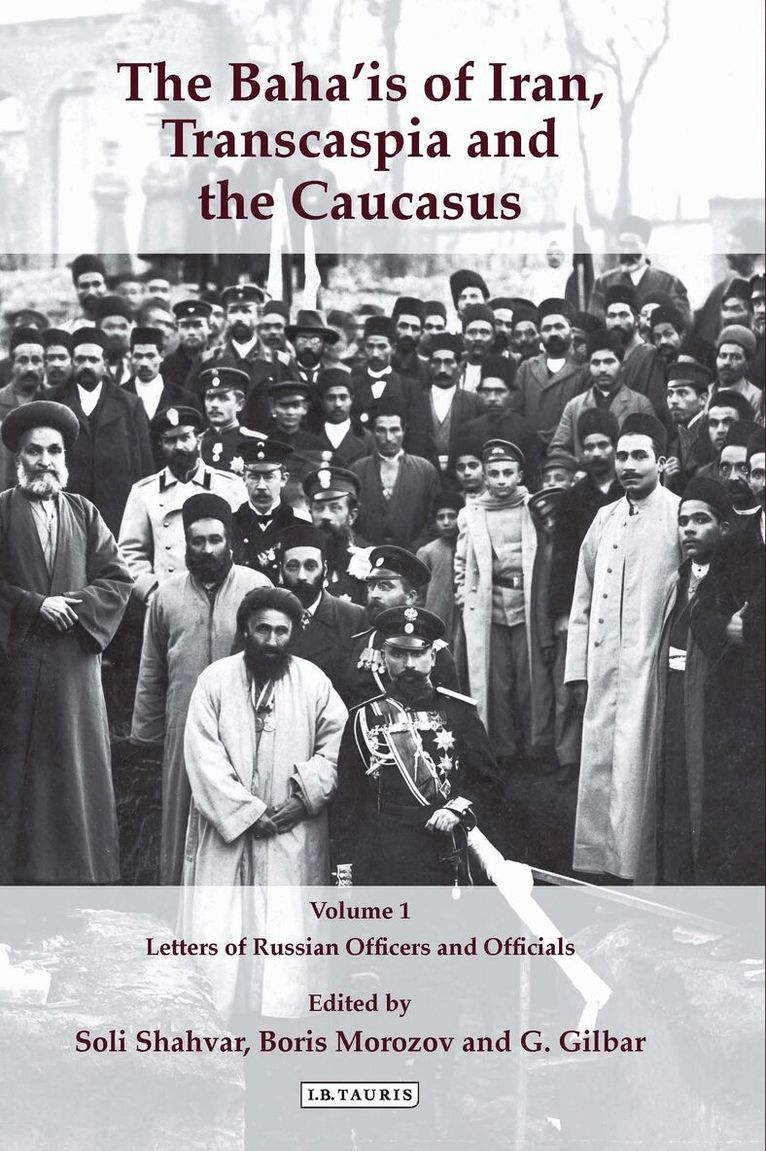
Baha'is of Iran, Transcaspia and the Caucasus: v. 1
Letters of Russian Officers and Officials
Av Soli Shahvar, Boris Morozov m. fl.
Inbunden, 2011
1979 kr
Lägg i varukorg
Despite growing interest in the Baha'is of Iran, research on the history of this often-persecuted minority community has been limited by the availability of sources. 'The Baha'is of Iran, Transcaspia and the Caucasus' will help to fill this gap by assembling for the first time original material …
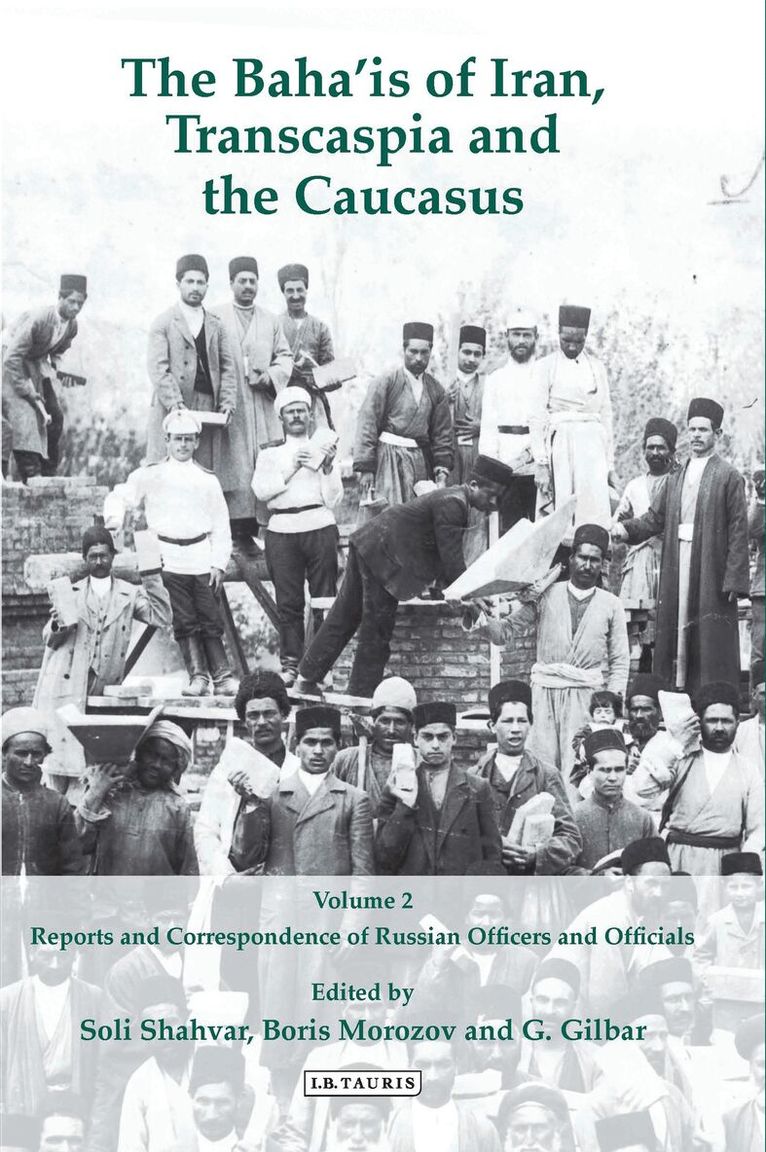
Baha'is of Iran, Transcaspia and the Caucasus: v. 2
Reports and Correspondence of Russian Officials
Av Soli Shahvar, Boris Morozov m. fl.
Inbunden, 2011
1979 kr
Lägg i varukorg
Despite growing interest in the Baha'is of Iran, research on the history of this often-persecuted minority community has been limited by the availability of primary sources. 'The Baha'is of Iran, Transcaspia and the Caucasus' will help to fill this gap by assembling for the first time diplomatic …