Boris Morozov – författare
Visar alla böcker från författaren Boris Morozov. Handla med fri frakt och snabb leverans.
23 produkter
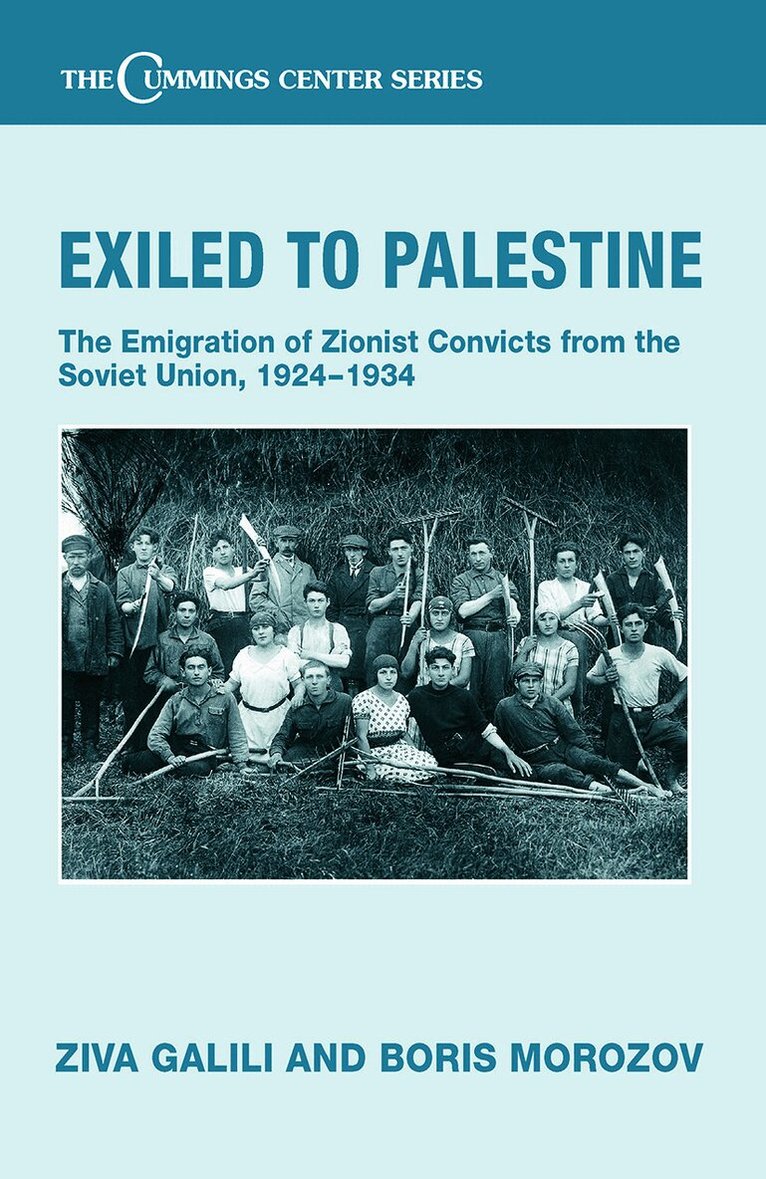
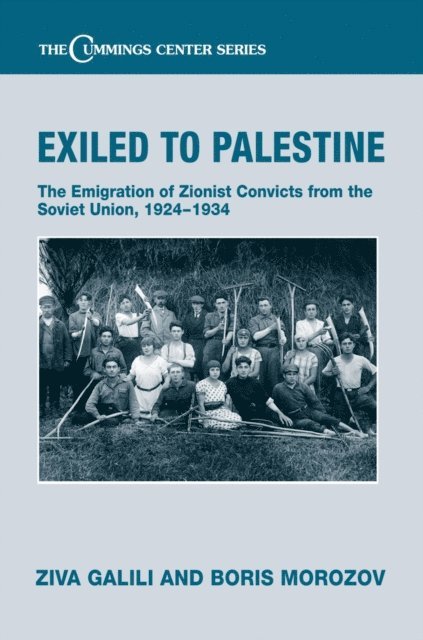
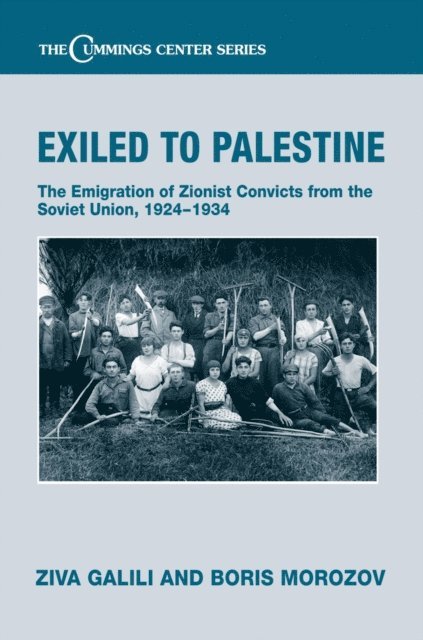
Exiled to Palestine
The Emigration of Soviet Zionist Convicts, 1924-1934
Häftad, 2013
919 kr
Lägg i varukorg
This is the unknown story of how Zionists imprisoned by Soviet authorities were allowed to choose sentences of permanent departure to Palestine, where they helped build Jewish society, the backbone of left-wing parties, and the powerful trade union movement.These leading authors bring to light …
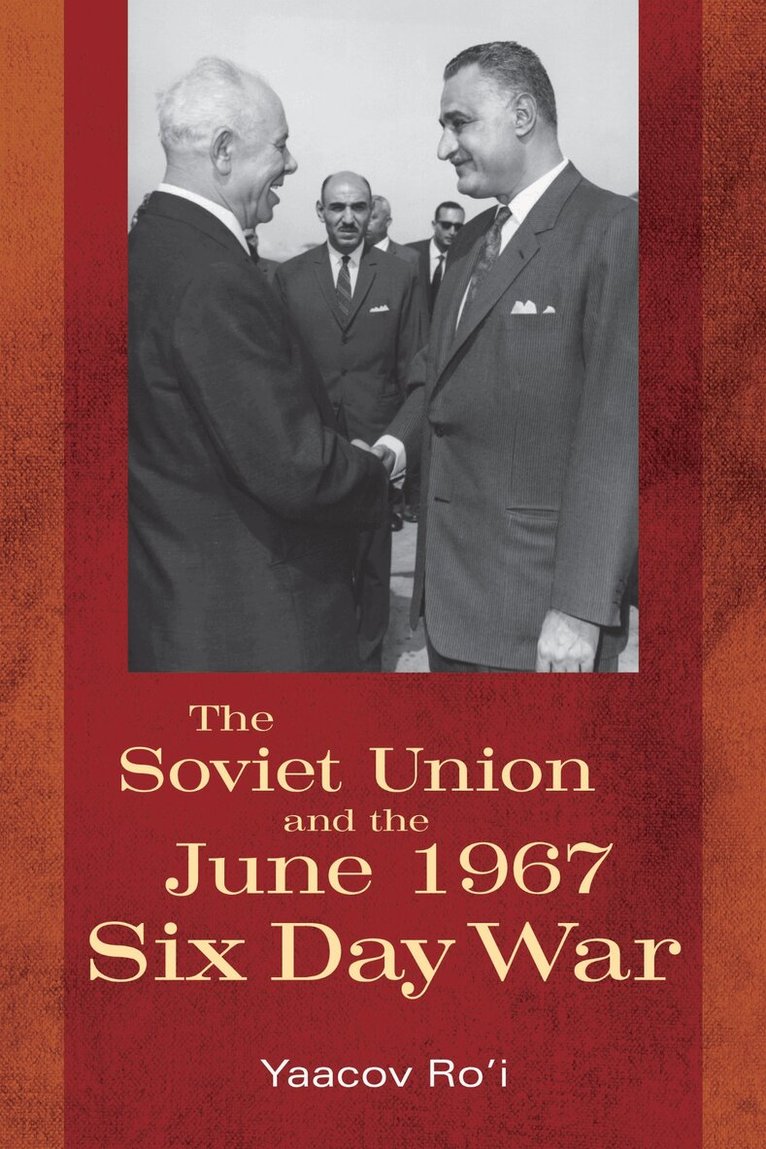
Soviet Union and the June 1967 Six Day War
Inbunden, 2008
877 kr
Lägg i varukorg
Why did the Soviet Union spark war in 1967 between Israel and the Arab states by falsely informing Syria and Egypt that Israel was massing troops on the Syrian border? Based on newly available archival sources, The Soviet Union and the June 1967 Six Day War answers this controversial question more …
Documents on Israeli-Soviet Relations, 1954–1967
Parts 1–4
Av Yaacov Ro'i, Yehoshua Freundlich m. fl.
2025
10622 kr
Lägg i varukorg
These volumes bring together key documents detailing Israeli-Soviet relations between 1954 and 1967. A very significant and turbulent period is covered, during which there was a steady deterioration in Soviet-Israeli relations, culminating in their severance following the Six Day War in 1967. They …
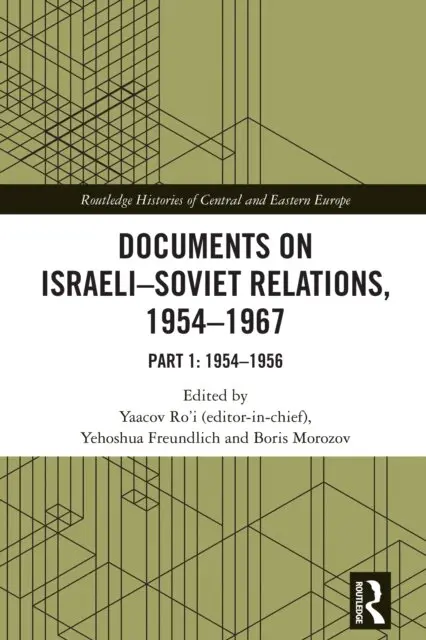
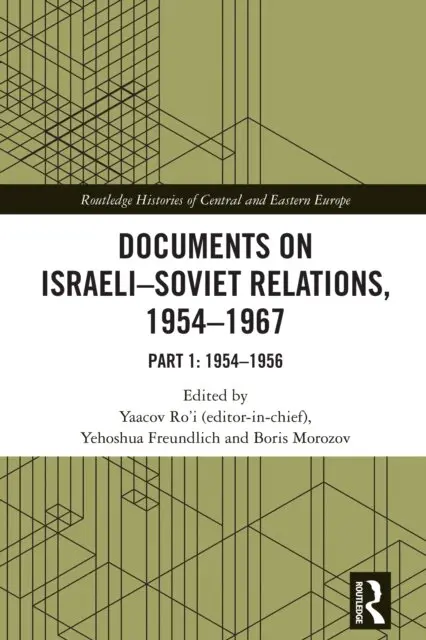
Documents on Israeli-Soviet Relations, 1954–1967
Part 1: 1954–1956
Av Yaacov Ro'i, Yehoshua Freundlich m. fl.
Inbunden, 2025
2504 kr
Lägg i varukorg
This book, spanning the years 1954–1956, is the first in a four-part collection of documents from the archives of the Russian Federation’s Ministry of Foreign Affairs and the Israel State Archives portraying relations between the Soviet Union and the State of Israel.Most of the documents are …
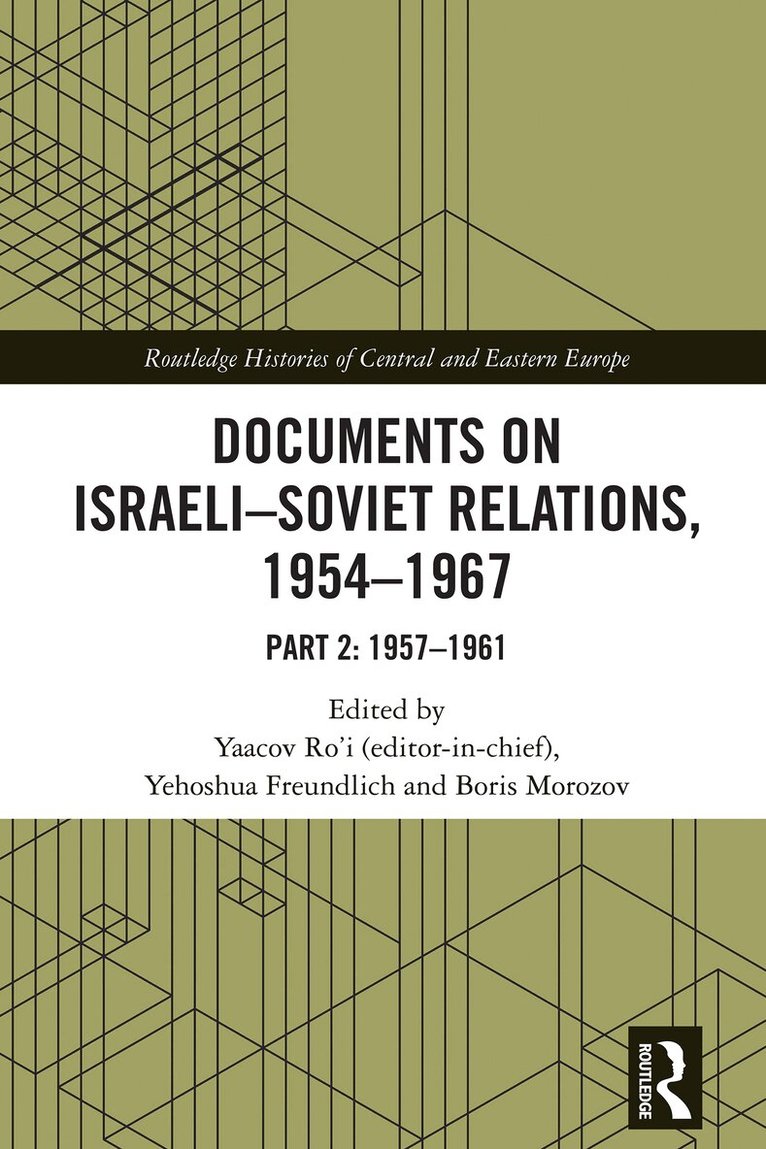
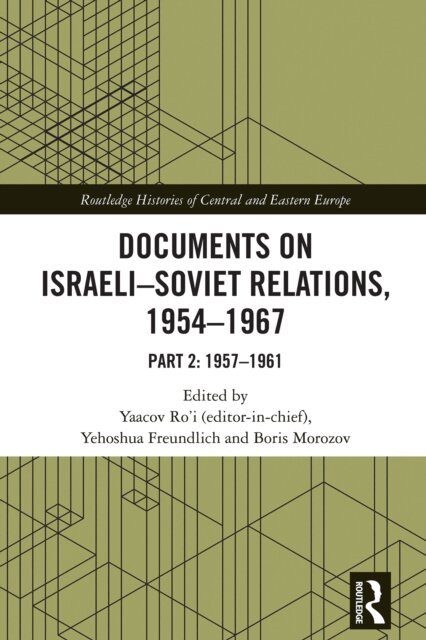
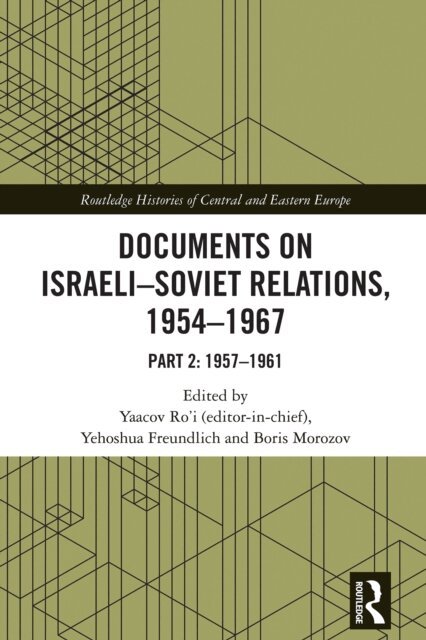
Documents on Israeli-Soviet Relations, 1954–1967
Part 2: 1957–1961
Av Yaacov Ro'i, Yehoshua Freundlich m. fl.
Inbunden, 2025
2504 kr
Lägg i varukorg
This book, spanning the years 1957–1961, is the second in a four-part collection of documents from the archives of the Russian Federation’s Ministry of Foreign Affairs and the Israel State Archives portraying relations between the Soviet Union and the State of Israel.Most of the documents are …
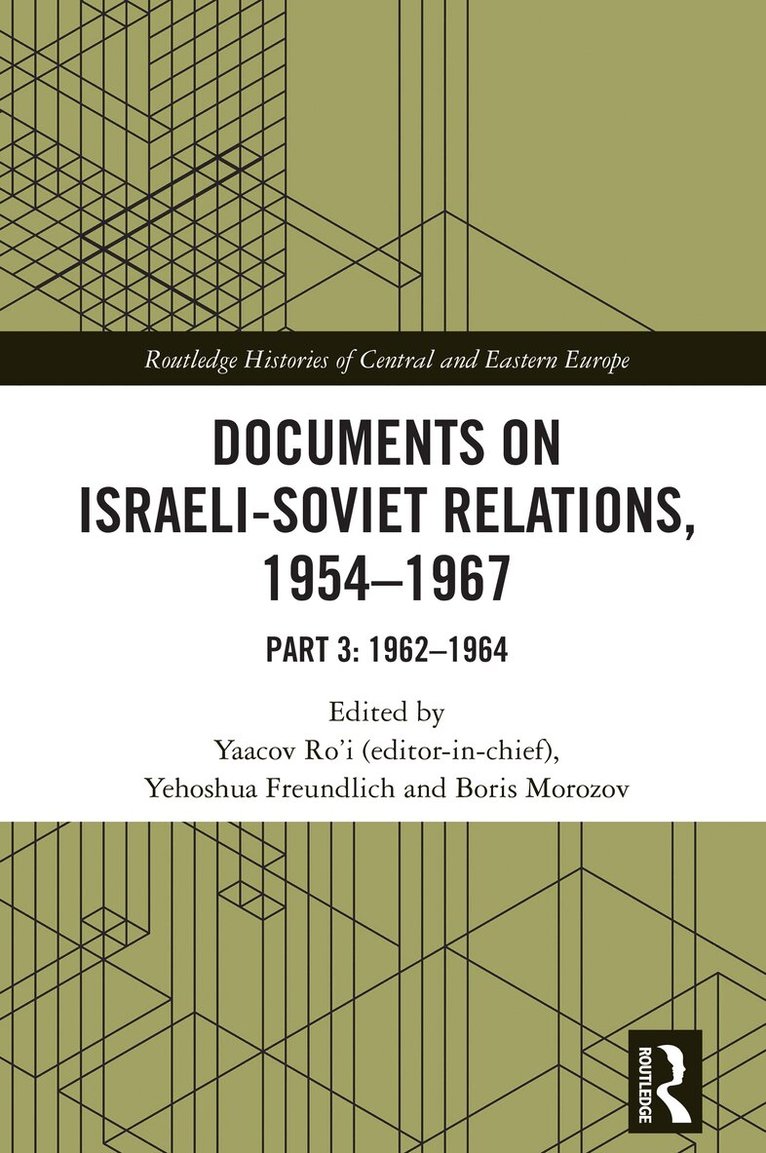
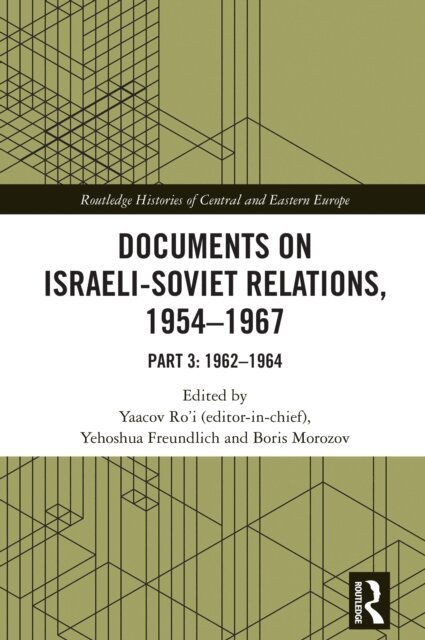
Documents on Israeli-Soviet Relations, 1954–1967
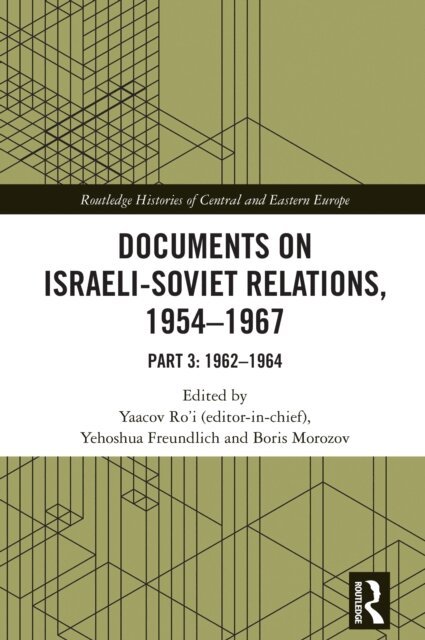
Part 3: 1962–1964
Av Yaacov Ro'i, Yehoshua Freundlich m. fl.
Inbunden, 2025
2504 kr
Lägg i varukorg
This book, spanning the years 1961–1964, is the third in a four-part collection of documents from the archives of the Russian Federation's Ministry of Foreign Affairs and the Israel State Archives portraying relations between the Soviet Union and the State of Israel.Most of the documents are …
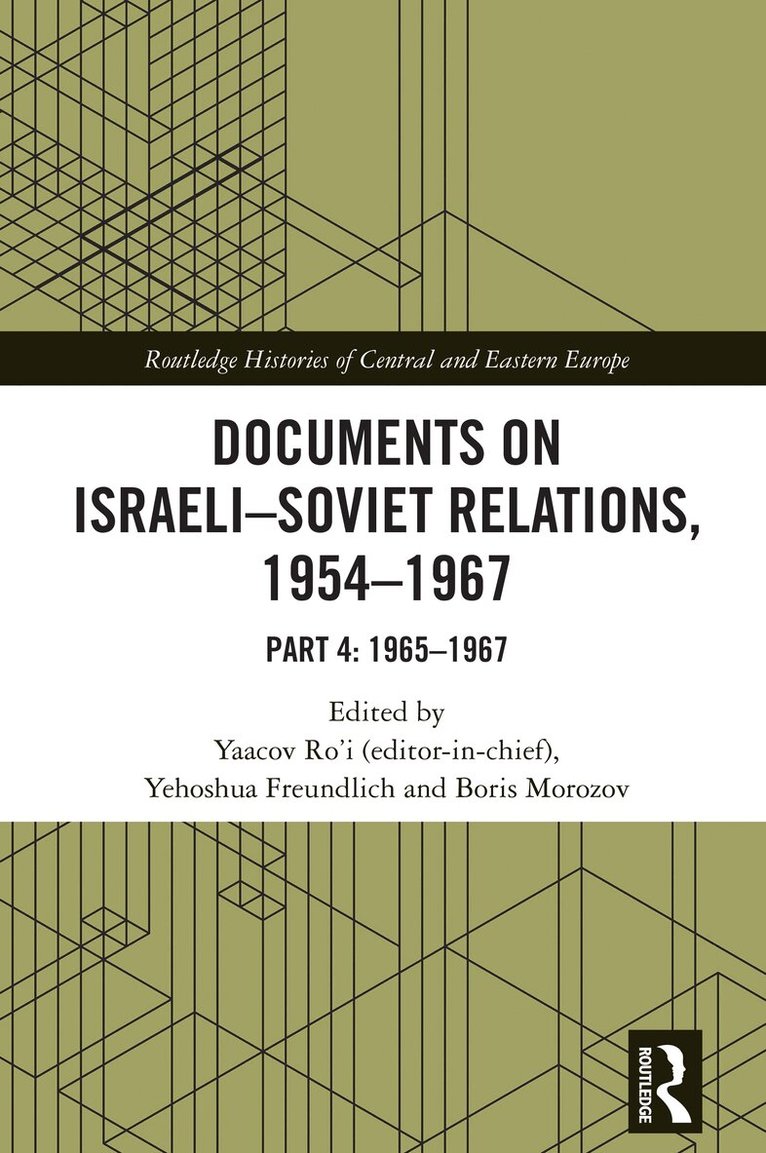
Documents on Israeli-Soviet Relations, 1954–1967
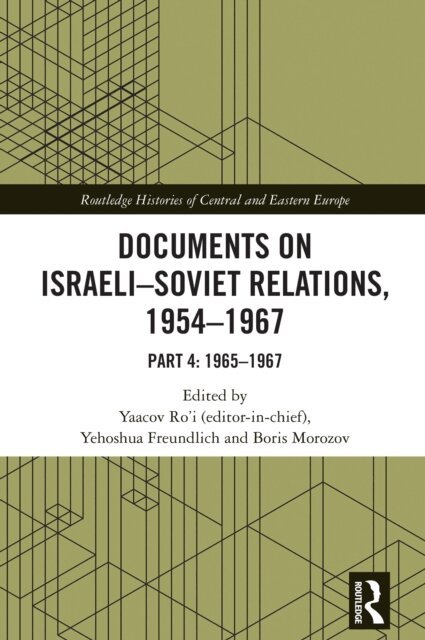
Part 4: 1965–1967
Av Yaacov Ro'i, Yehoshua Freundlich m. fl.
Inbunden, 2025
2504 kr
Lägg i varukorg
This book, spanning the years 1965–1967 – the years leading up to and culminating in the June 1967 Six-Day War – is the fourth in a four-volume collection of documents from the Russian Federation and the Israeli State Archive portraying relations between the Soviet Union and the State of …
Documents on Israeli-Soviet Relations, 1954–1967
Part 1: 1954–1956
Av Yaacov Ro'i, Yehoshua Freundlich m. fl.
Häftad, 2026
725 kr
Lägg i varukorg
This book, spanning the years 1954–1956, is the first in a four-part collection of documents from the archives of the Russian Federation’s Ministry of Foreign Affairs and the Israel State Archives portraying relations between the Soviet Union and the State of Israel.Most of the documents are …
Documents on Israeli-Soviet Relations, 1954–1967
Part 2: 1957–1961
Av Yaacov Ro'i, Yehoshua Freundlich m. fl.
Häftad, 2026
725 kr
Lägg i varukorg
This book, spanning the years 1957–1961, is the second in a four-part collection of documents from the archives of the Russian Federation’s Ministry of Foreign Affairs and the Israel State Archives portraying relations between the Soviet Union and the State of Israel.Most of the documents are …
Documents on Israeli-Soviet Relations, 1954–1967
Part 3: 1962–1964
Av Yaacov Ro'i, Yehoshua Freundlich m. fl.
Häftad, 2026
725 kr
Lägg i varukorg
This book, spanning the years 1961–1964, is the third in a four-part collection of documents from the archives of the Russian Federation's Ministry of Foreign Affairs and the Israel State Archives portraying relations between the Soviet Union and the State of Israel.Most of the documents are …
Documents on Israeli-Soviet Relations, 1954–1967
Part 4: 1965–1967
Av Yaacov Ro'i, Yehoshua Freundlich m. fl.
Häftad, 2026
725 kr
Lägg i varukorg
This book, spanning the years 1965–1967 – the years leading up to and culminating in the June 1967 Six-Day War – is the fourth in a four-volume collection of documents from the Russian Federation and the Israeli State Archive portraying relations between the Soviet Union and the State of …
Documents on Israeli-Soviet Relations, 1954-1967
Part 1: 1954–1956
Av Boris Morozov, Yehoshua Freundlich m. fl.
E-bok, 2025
767 kr
Lägg i varukorg
This book, spanning the years 1954–1956, is the first in a four-part collection of documents from the archives of the Russian Federation’s Ministry of Foreign Affairs and the Israel State Archives portraying relations between the Soviet Union and the State of Israel. Most of the documents are …
Documents on Israeli-Soviet Relations, 1954-1967
Part 2: 1957–1961
Av Boris Morozov, Yehoshua Freundlich m. fl.
E-bok, 2025
838 kr
Lägg i varukorg
This book, spanning the years 1957–1961, is the second in a four-part collection of documents from the archives of the Russian Federation’s Ministry of Foreign Affairs and the Israel State Archives portraying relations between the Soviet Union and the State of Israel. Most of the documents are …
Documents on Israeli-Soviet Relations, 1954-1967
Part 1: 1954–1956
Av Boris Morozov, Yehoshua Freundlich m. fl.
E-bok, 2025
767 kr
Lägg i varukorg
This book, spanning the years 1954–1956, is the first in a four-part collection of documents from the archives of the Russian Federation’s Ministry of Foreign Affairs and the Israel State Archives portraying relations between the Soviet Union and the State of Israel. Most of the documents are …
Documents on Israeli-Soviet Relations, 1954-1967
Part 2: 1957–1961
Av Boris Morozov, Yehoshua Freundlich m. fl.
E-bok, 2025
829 kr
Lägg i varukorg
This book, spanning the years 1957–1961, is the second in a four-part collection of documents from the archives of the Russian Federation’s Ministry of Foreign Affairs and the Israel State Archives portraying relations between the Soviet Union and the State of Israel. Most of the documents are …
Documents on Israeli-Soviet Relations, 1954-1967
Part 3: 1962–1964
Av Boris Morozov, Yehoshua Freundlich m. fl.
E-bok, 2025
856 kr
Lägg i varukorg
This book, spanning the years 1961–1964, is the third in a four-part collection of documents from the archives of the Russian Federation''s Ministry of Foreign Affairs and the Israel State Archives portraying relations between the Soviet Union and the State of Israel. Most of the documents are …
Documents on Israeli-Soviet Relations, 1954-1967
Part 3: 1962–1964
Av Boris Morozov, Yehoshua Freundlich m. fl.
E-bok, 2025
838 kr
Lägg i varukorg
This book, spanning the years 1961–1964, is the third in a four-part collection of documents from the archives of the Russian Federation''s Ministry of Foreign Affairs and the Israel State Archives portraying relations between the Soviet Union and the State of Israel. Most of the documents are …
Documents on Israeli-Soviet Relations, 1954-1967
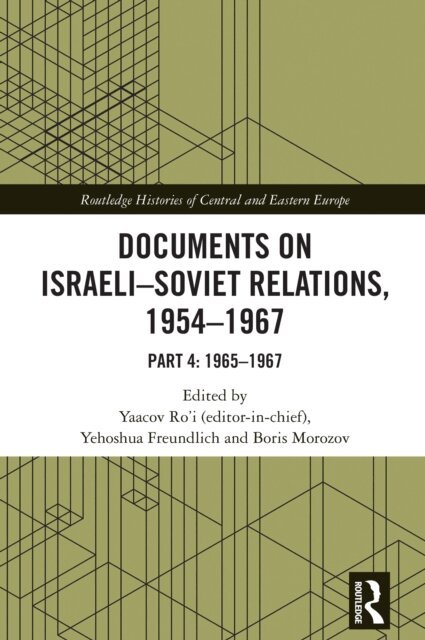
Part 4: 1965–1967
Av Boris Morozov, Yehoshua Freundlich m. fl.
E-bok, 2025
856 kr
Lägg i varukorg
This book, spanning the years 1965–1967 – the years leading up to and culminating in the June 1967 Six-Day War – is the fourth in a four-volume collection of documents from the Russian Federation and the Israeli State Archive portraying relations between the Soviet Union and the State of Israel. …
Documents on Israeli-Soviet Relations, 1954-1967
Part 4: 1965–1967
Av Boris Morozov, Yehoshua Freundlich m. fl.
E-bok, 2025
856 kr
Lägg i varukorg
This book, spanning the years 1965–1967 – the years leading up to and culminating in the June 1967 Six-Day War – is the fourth in a four-volume collection of documents from the Russian Federation and the Israeli State Archive portraying relations between the Soviet Union and the State of Israel. …
Exiled to Palestine
The Emigration of Soviet Zionist Convicts, 1924-1934
E-bok, 2018
935 kr
Lägg i varukorg
This is the unknown story of how Zionists imprisoned by Soviet authorities were allowed to choose sentences of permanent departure to Palestine, where they helped build Jewish society, the backbone of left-wing parties, and the powerful trade union movement. These leading authors bring to light …
Exiled to Palestine
The Emigration of Soviet Zionist Convicts, 1924-1934
E-bok, 2018
935 kr
Lägg i varukorg
This is the unknown story of how Zionists imprisoned by Soviet authorities were allowed to choose sentences of permanent departure to Palestine, where they helped build Jewish society, the backbone of left-wing parties, and the powerful trade union movement. These leading authors bring to light …
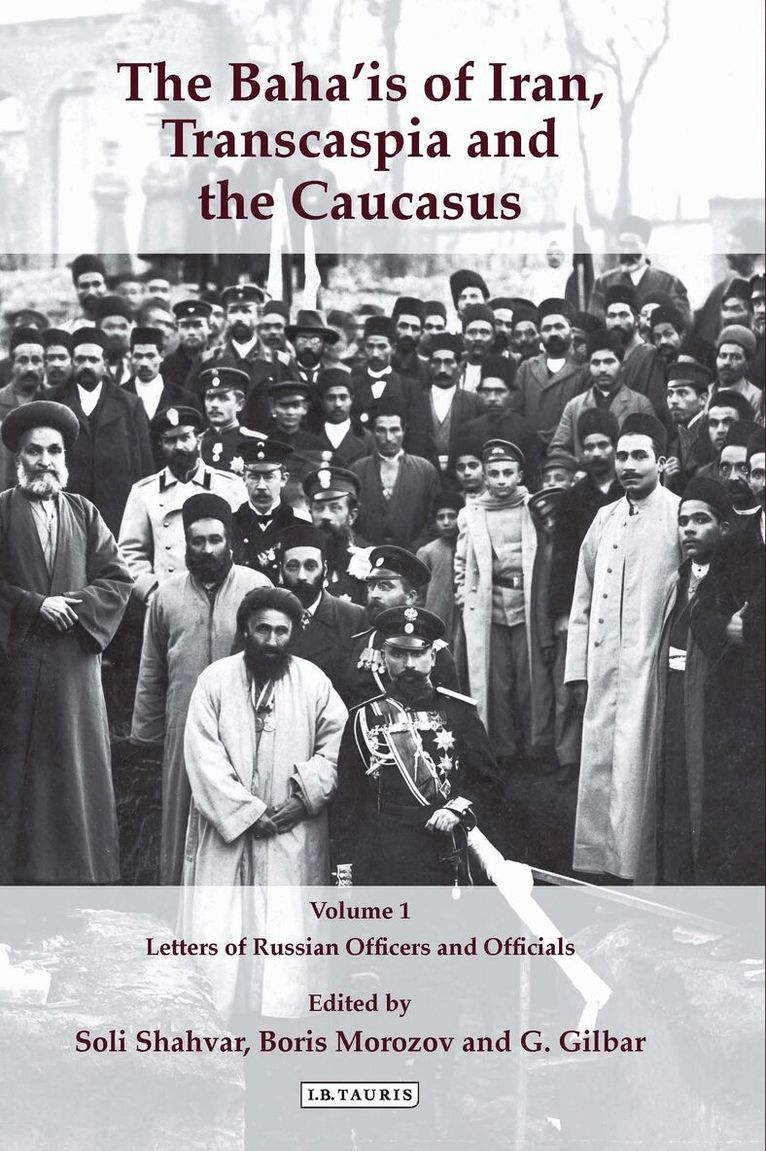
Baha'is of Iran, Transcaspia and the Caucasus: v. 1
Letters of Russian Officers and Officials
Av Soli Shahvar, Boris Morozov m. fl.
Inbunden, 2011
1979 kr
Lägg i varukorg
Despite growing interest in the Baha'is of Iran, research on the history of this often-persecuted minority community has been limited by the availability of sources. 'The Baha'is of Iran, Transcaspia and the Caucasus' will help to fill this gap by assembling for the first time original material …
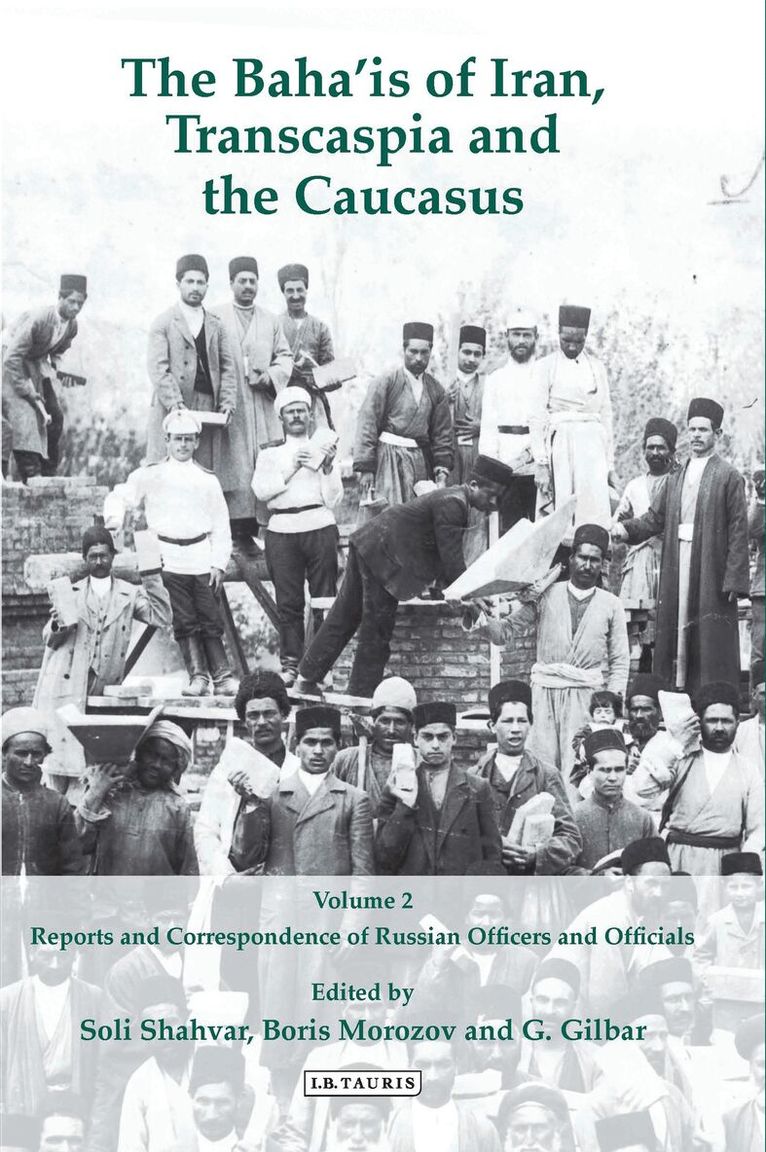
Baha'is of Iran, Transcaspia and the Caucasus: v. 2
Reports and Correspondence of Russian Officials
Av Soli Shahvar, Boris Morozov m. fl.
Inbunden, 2011
1979 kr
Lägg i varukorg
Despite growing interest in the Baha'is of Iran, research on the history of this often-persecuted minority community has been limited by the availability of primary sources. 'The Baha'is of Iran, Transcaspia and the Caucasus' will help to fill this gap by assembling for the first time diplomatic …