Yehoshua Freundlich – författare
Visar alla böcker från författaren Yehoshua Freundlich. Handla med fri frakt och snabb leverans.
17 produkter
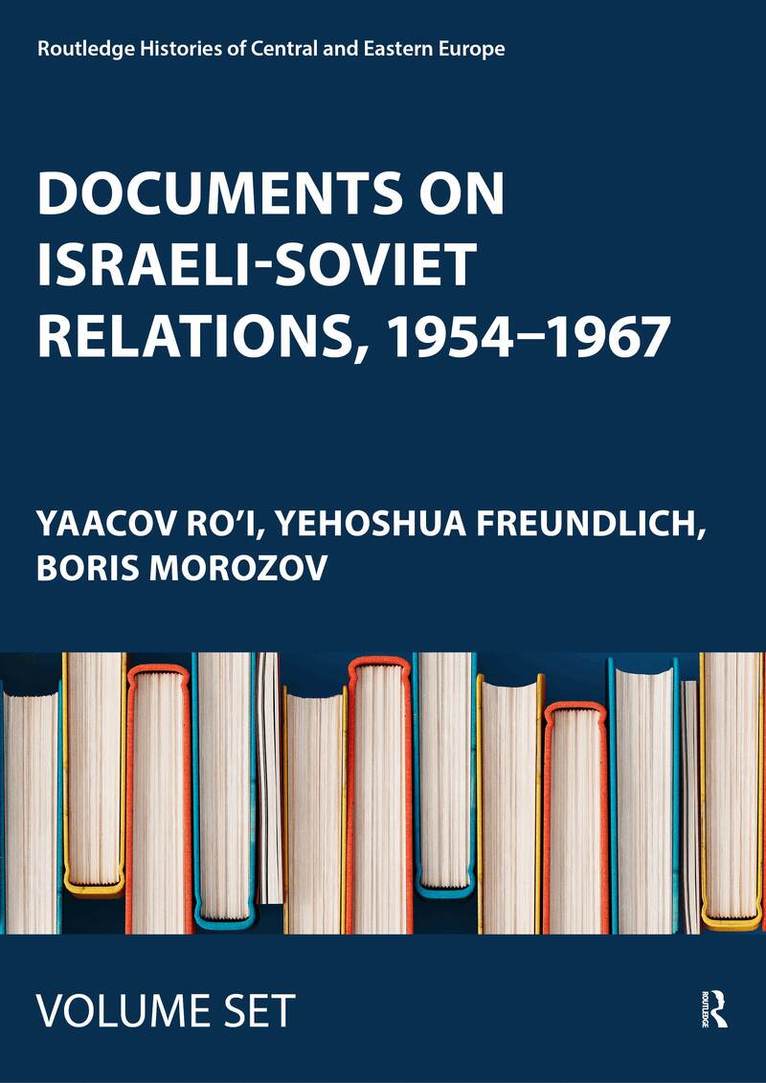
Documents on Israeli-Soviet Relations, 1954–1967
Parts 1–4
Av Yaacov Ro'i, Yehoshua Freundlich m. fl.
2025
10647 kr
Lägg i varukorg
These volumes bring together key documents detailing Israeli-Soviet relations between 1954 and 1967. A very significant and turbulent period is covered, during which there was a steady deterioration in Soviet-Israeli relations, culminating in their severance following the Six Day War in 1967. They …
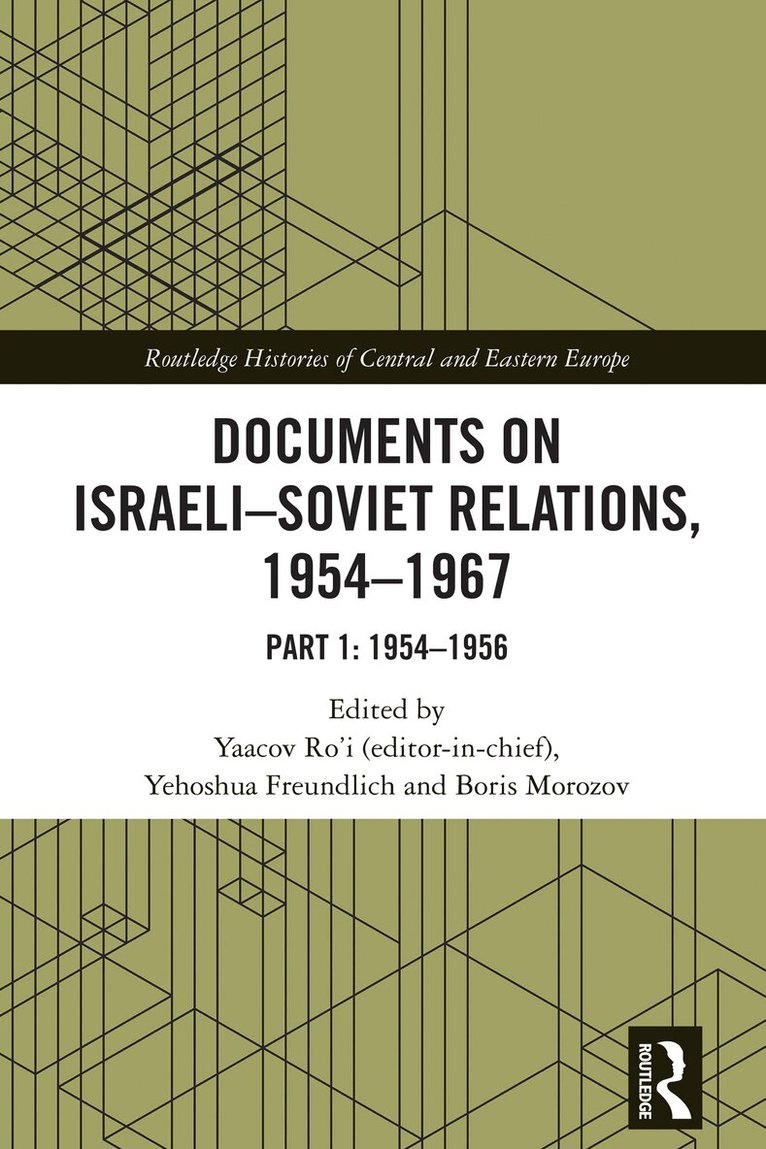
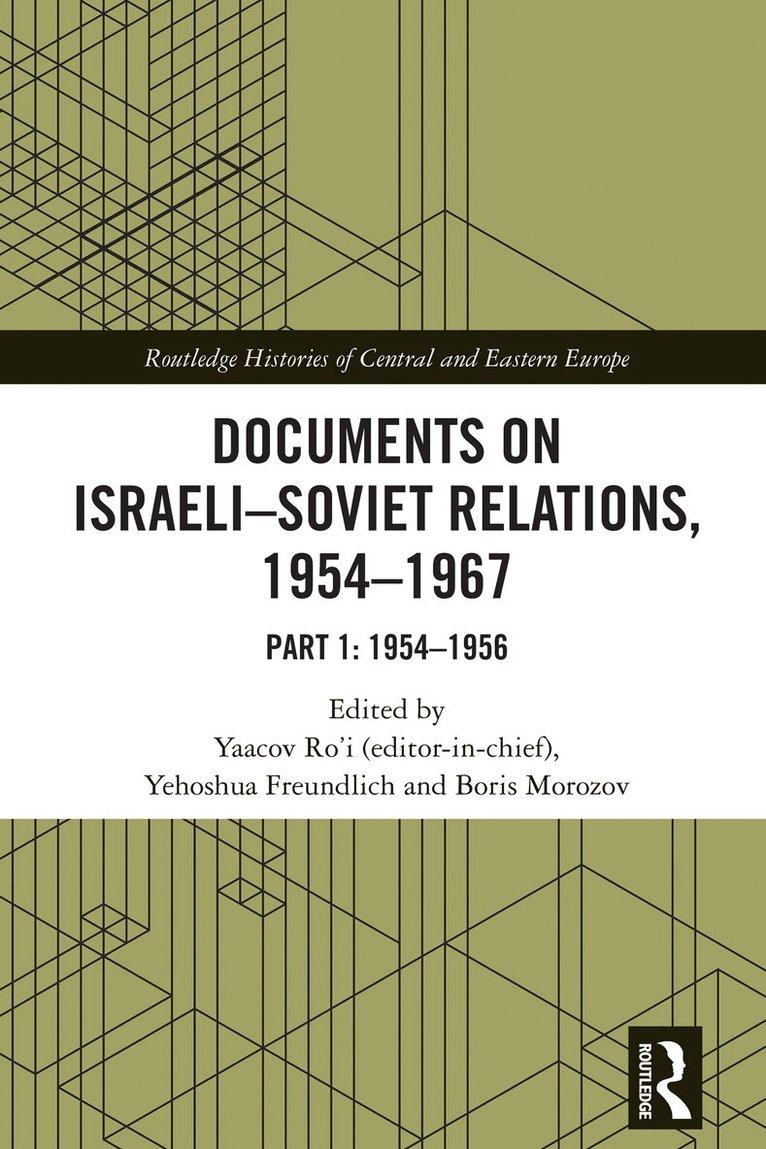
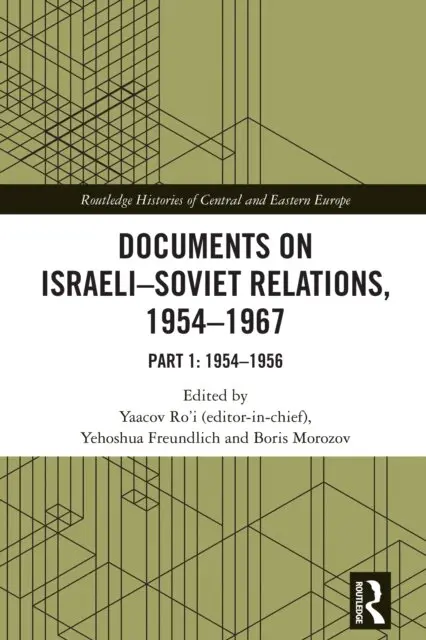
Documents on Israeli-Soviet Relations, 1954–1967
Part 1: 1954–1956
Av Yaacov Ro'i, Yehoshua Freundlich m. fl.
Inbunden, 2025
2510 kr
Lägg i varukorg
This book, spanning the years 1954–1956, is the first in a four-part collection of documents from the archives of the Russian Federation’s Ministry of Foreign Affairs and the Israel State Archives portraying relations between the Soviet Union and the State of Israel.Most of the documents are …
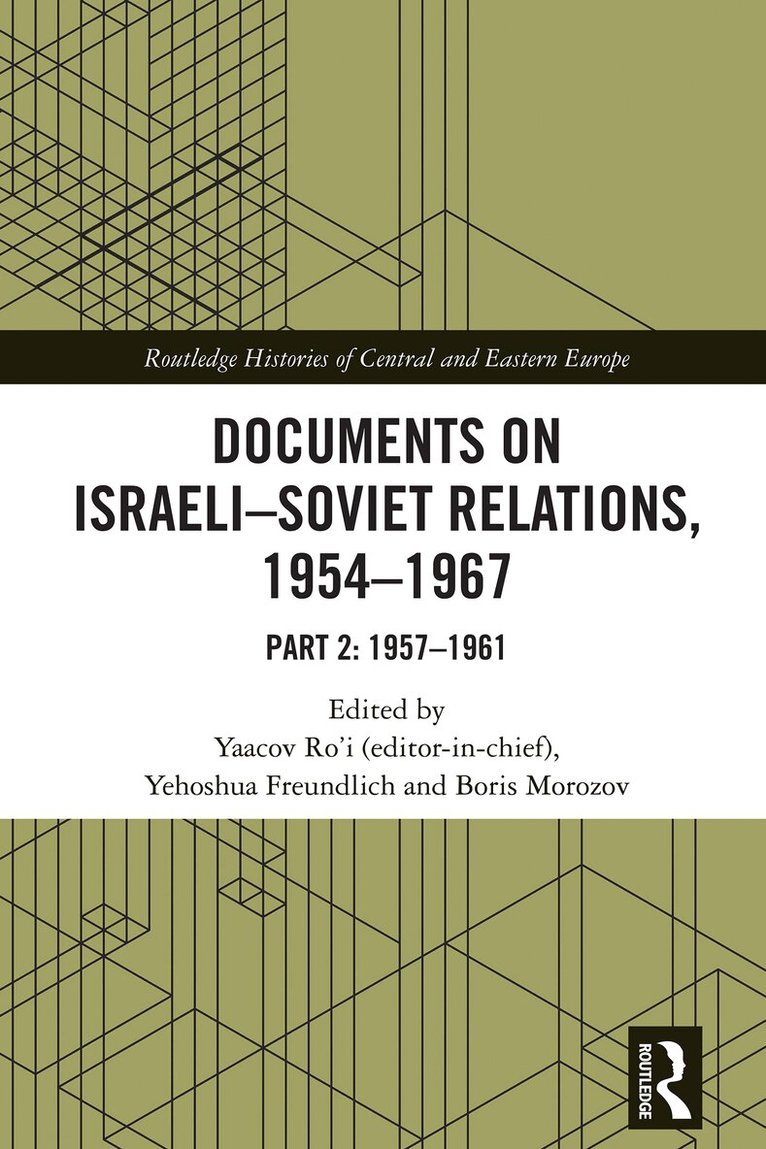
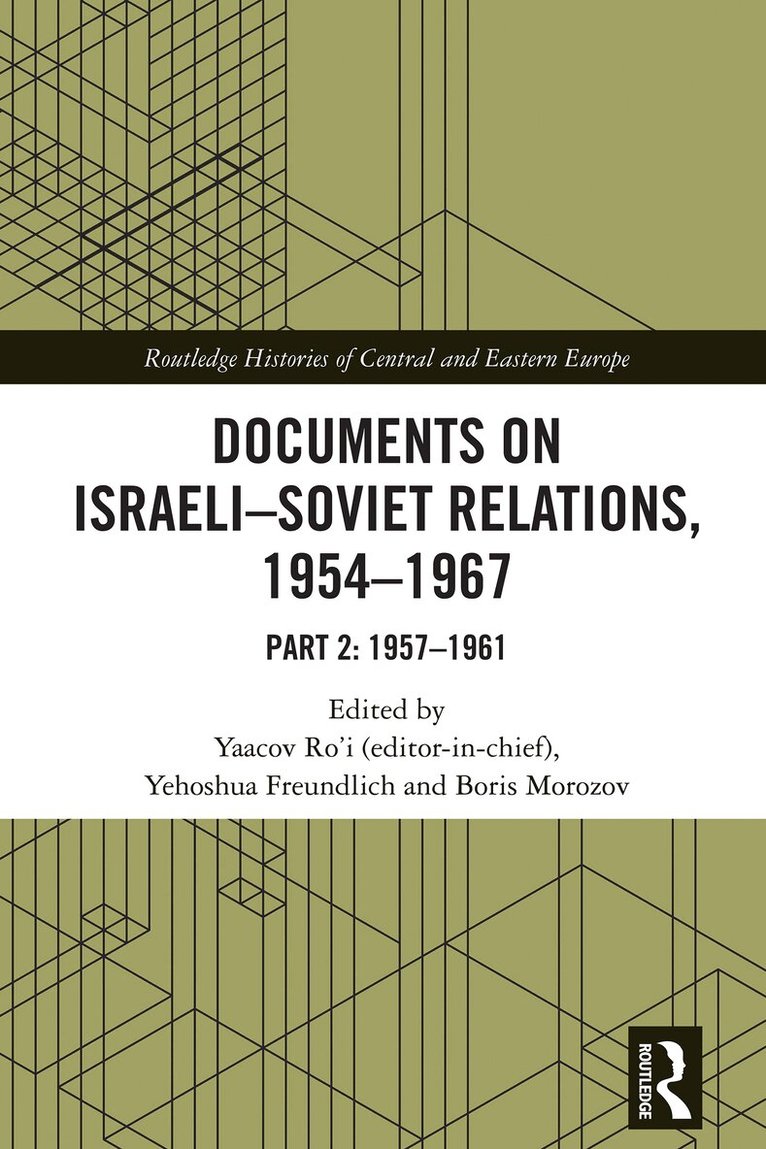
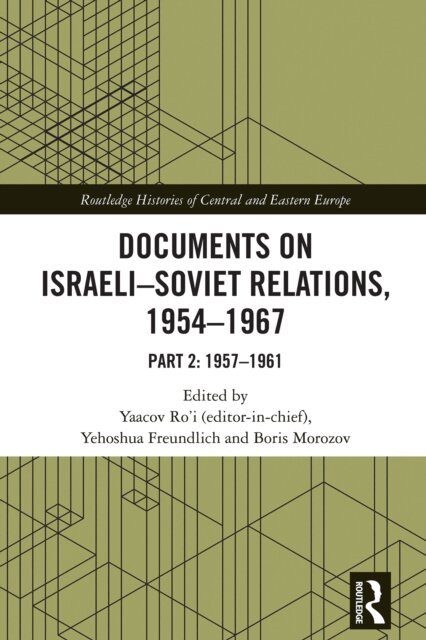
Documents on Israeli-Soviet Relations, 1954–1967
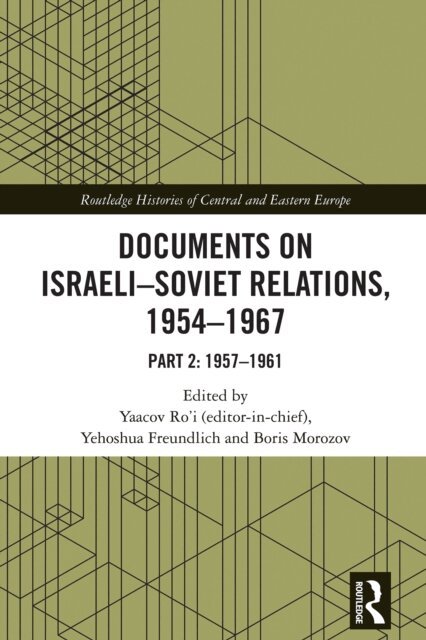
Part 2: 1957–1961
Av Yaacov Ro'i, Yehoshua Freundlich m. fl.
Inbunden, 2025
2510 kr
Lägg i varukorg
This book, spanning the years 1957–1961, is the second in a four-part collection of documents from the archives of the Russian Federation’s Ministry of Foreign Affairs and the Israel State Archives portraying relations between the Soviet Union and the State of Israel.Most of the documents are …
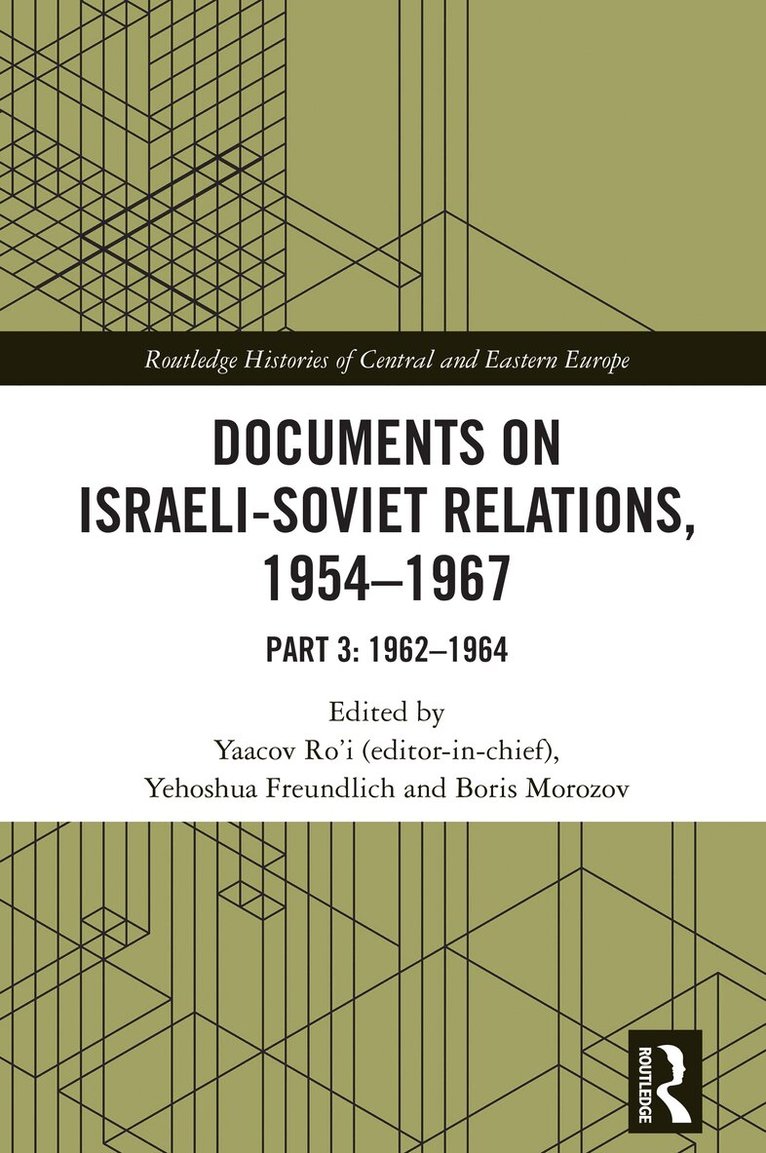
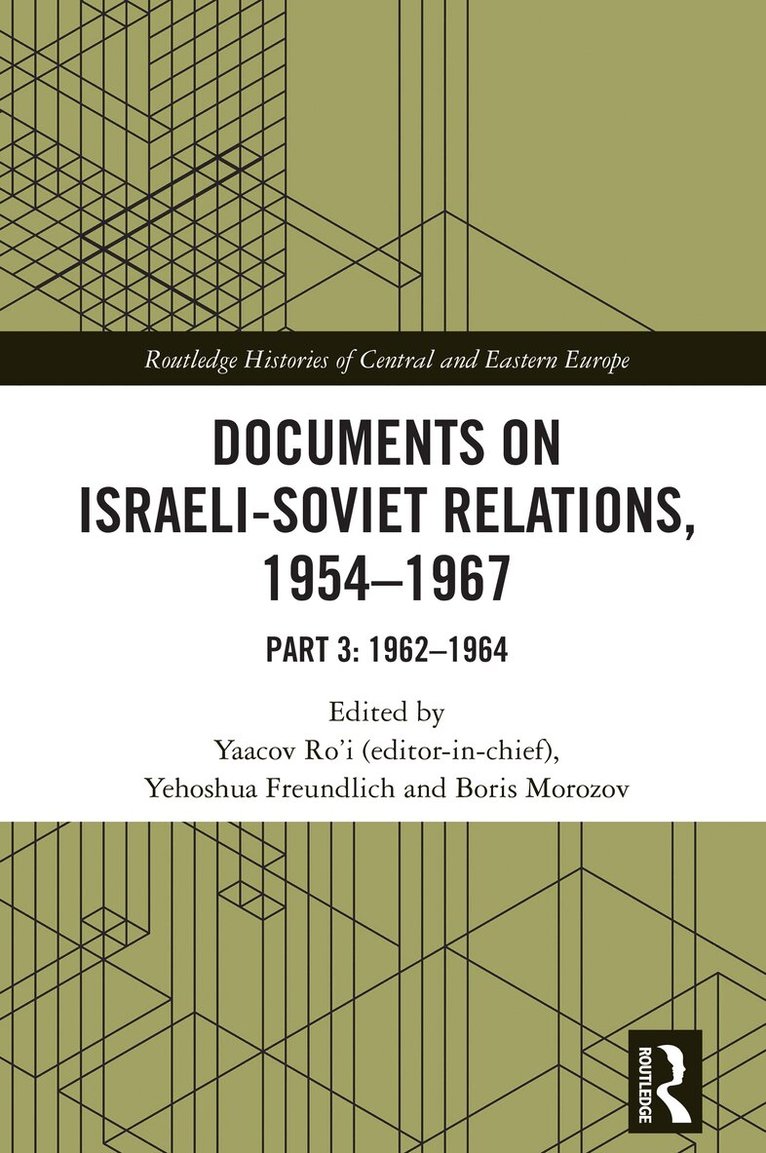
Documents on Israeli-Soviet Relations, 1954–1967
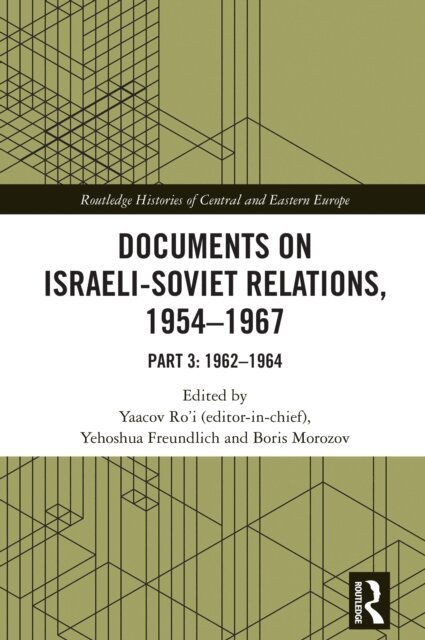
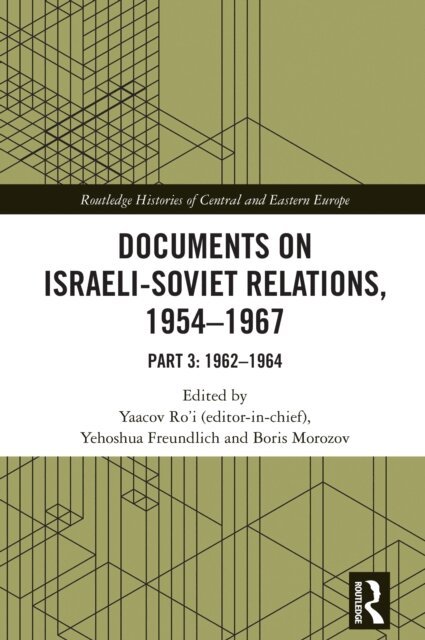
Part 3: 1962–1964
Av Yaacov Ro'i, Yehoshua Freundlich m. fl.
Inbunden, 2025
2510 kr
Lägg i varukorg
This book, spanning the years 1961–1964, is the third in a four-part collection of documents from the archives of the Russian Federation's Ministry of Foreign Affairs and the Israel State Archives portraying relations between the Soviet Union and the State of Israel.Most of the documents are …
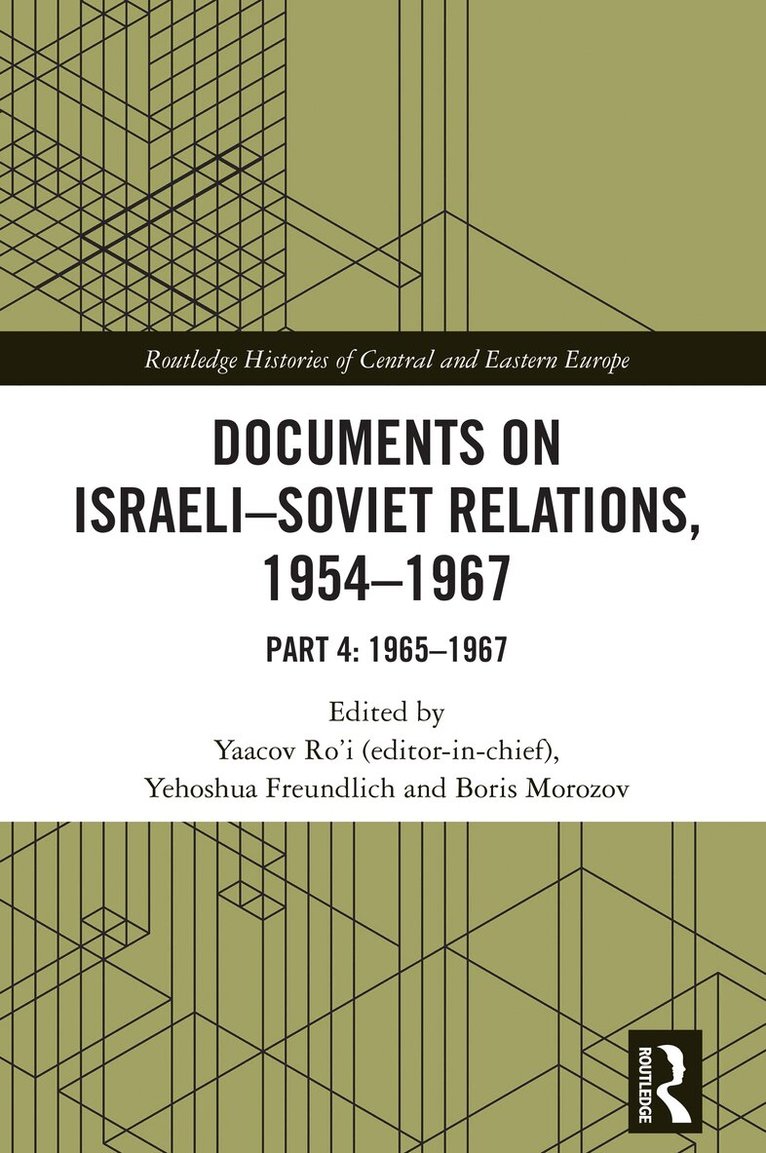
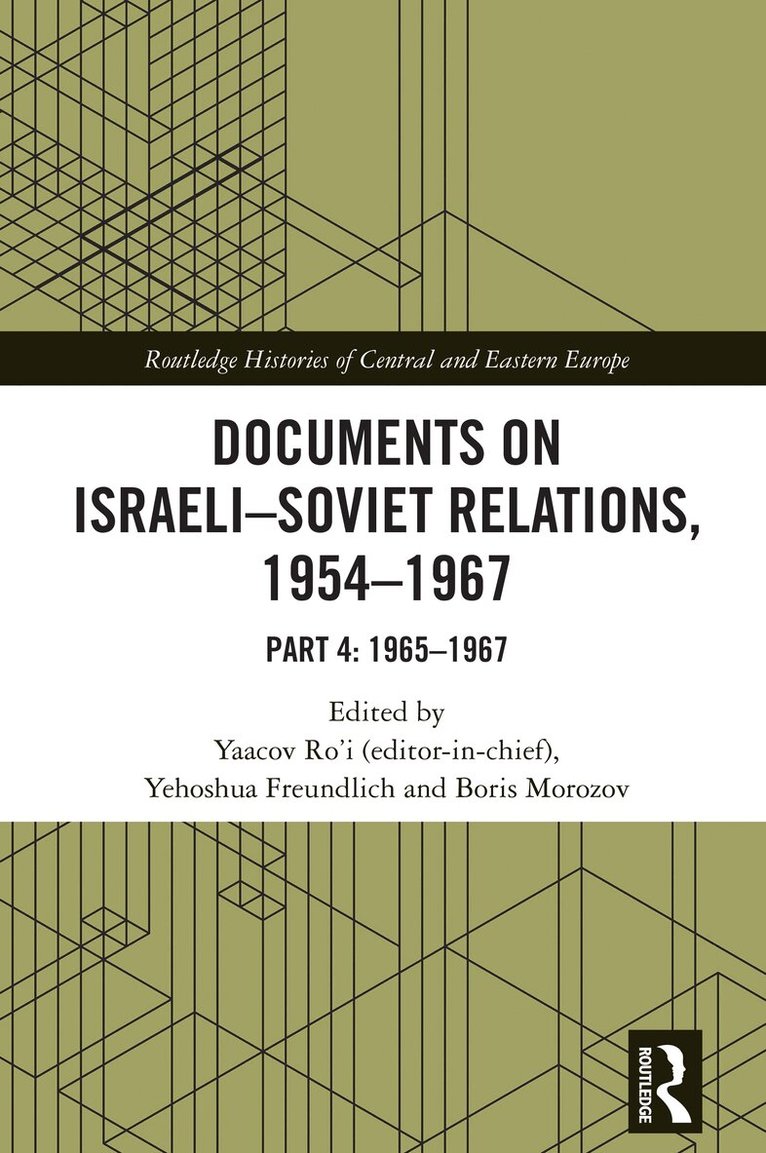
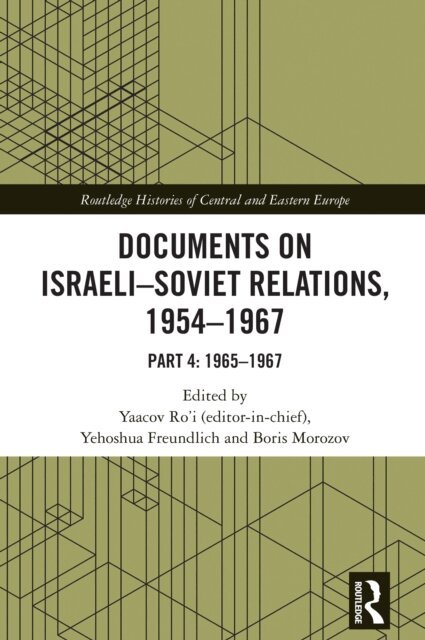
Documents on Israeli-Soviet Relations, 1954–1967
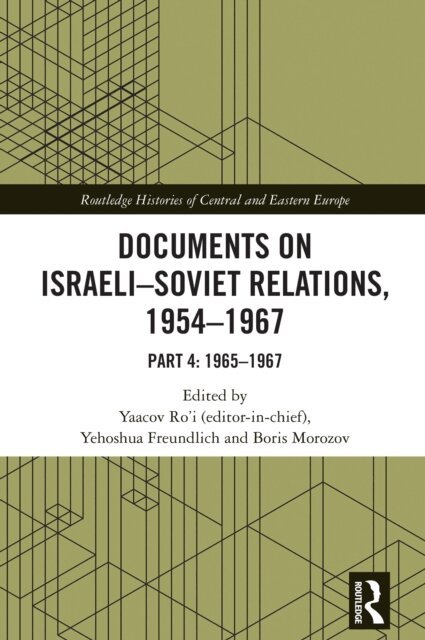
Part 4: 1965–1967
Av Yaacov Ro'i, Yehoshua Freundlich m. fl.
Inbunden, 2025
2510 kr
Lägg i varukorg
This book, spanning the years 1965–1967 – the years leading up to and culminating in the June 1967 Six-Day War – is the fourth in a four-volume collection of documents from the Russian Federation and the Israeli State Archive portraying relations between the Soviet Union and the State of …
Documents on Israeli-Soviet Relations, 1954–1967
Part 1: 1954–1956
Av Yaacov Ro'i, Yehoshua Freundlich m. fl.
Häftad, 2026
726 kr
Lägg i varukorg
This book, spanning the years 1954–1956, is the first in a four-part collection of documents from the archives of the Russian Federation’s Ministry of Foreign Affairs and the Israel State Archives portraying relations between the Soviet Union and the State of Israel.Most of the documents are …
Documents on Israeli-Soviet Relations, 1954–1967
Part 2: 1957–1961
Av Yaacov Ro'i, Yehoshua Freundlich m. fl.
Häftad, 2026
726 kr
Lägg i varukorg
This book, spanning the years 1957–1961, is the second in a four-part collection of documents from the archives of the Russian Federation’s Ministry of Foreign Affairs and the Israel State Archives portraying relations between the Soviet Union and the State of Israel.Most of the documents are …
Documents on Israeli-Soviet Relations, 1954–1967
Part 3: 1962–1964
Av Yaacov Ro'i, Yehoshua Freundlich m. fl.
Häftad, 2026
726 kr
Lägg i varukorg
This book, spanning the years 1961–1964, is the third in a four-part collection of documents from the archives of the Russian Federation's Ministry of Foreign Affairs and the Israel State Archives portraying relations between the Soviet Union and the State of Israel.Most of the documents are …
Documents on Israeli-Soviet Relations, 1954–1967
Part 4: 1965–1967
Av Yaacov Ro'i, Yehoshua Freundlich m. fl.
Häftad, 2026
726 kr
Lägg i varukorg
This book, spanning the years 1965–1967 – the years leading up to and culminating in the June 1967 Six-Day War – is the fourth in a four-volume collection of documents from the Russian Federation and the Israeli State Archive portraying relations between the Soviet Union and the State of …
Documents on Israeli-Soviet Relations, 1954-1967
Part 1: 1954-1956
Av Boris Morozov, Yehoshua Freundlich m. fl.
E-bok, 2025
767 kr
Lägg i varukorg
This book, spanning the years 1954–1956, is the first in a four-part collection of documents from the archives of the Russian Federation’s Ministry of Foreign Affairs and the Israel State Archives portraying relations between the Soviet Union and the State of Israel. Most of the documents are …
Documents on Israeli-Soviet Relations, 1954-1967
Part 2: 1957–1961
Av Boris Morozov, Yehoshua Freundlich m. fl.
E-bok, 2025
838 kr
Lägg i varukorg
This book, spanning the years 1957–1961, is the second in a four-part collection of documents from the archives of the Russian Federation’s Ministry of Foreign Affairs and the Israel State Archives portraying relations between the Soviet Union and the State of Israel. Most of the documents are …
Documents on Israeli-Soviet Relations, 1954-1967
Part 1: 1954-1956
Av Boris Morozov, Yehoshua Freundlich m. fl.
E-bok, 2025
767 kr
Lägg i varukorg
This book, spanning the years 1954–1956, is the first in a four-part collection of documents from the archives of the Russian Federation’s Ministry of Foreign Affairs and the Israel State Archives portraying relations between the Soviet Union and the State of Israel. Most of the documents are …
Documents on Israeli-Soviet Relations, 1954-1967
Part 2: 1957–1961
Av Boris Morozov, Yehoshua Freundlich m. fl.
E-bok, 2025
829 kr
Lägg i varukorg
This book, spanning the years 1957–1961, is the second in a four-part collection of documents from the archives of the Russian Federation’s Ministry of Foreign Affairs and the Israel State Archives portraying relations between the Soviet Union and the State of Israel. Most of the documents are …
Documents on Israeli-Soviet Relations, 1954-1967
Part 3: 1962–1964
Av Boris Morozov, Yehoshua Freundlich m. fl.
E-bok, 2025
856 kr
Lägg i varukorg
This book, spanning the years 1961–1964, is the third in a four-part collection of documents from the archives of the Russian Federation''s Ministry of Foreign Affairs and the Israel State Archives portraying relations between the Soviet Union and the State of Israel. Most of the documents are …
Documents on Israeli-Soviet Relations, 1954-1967
Part 3: 1962–1964
Av Boris Morozov, Yehoshua Freundlich m. fl.
E-bok, 2025
838 kr
Lägg i varukorg
This book, spanning the years 1961–1964, is the third in a four-part collection of documents from the archives of the Russian Federation''s Ministry of Foreign Affairs and the Israel State Archives portraying relations between the Soviet Union and the State of Israel. Most of the documents are …
Documents on Israeli-Soviet Relations, 1954-1967
Part 4: 1965–1967
Av Boris Morozov, Yehoshua Freundlich m. fl.
E-bok, 2025
856 kr
Lägg i varukorg
This book, spanning the years 1965–1967 – the years leading up to and culminating in the June 1967 Six-Day War – is the fourth in a four-volume collection of documents from the Russian Federation and the Israeli State Archive portraying relations between the Soviet Union and the State of Israel. …
Documents on Israeli-Soviet Relations, 1954-1967
Part 4: 1965–1967
Av Boris Morozov, Yehoshua Freundlich m. fl.
E-bok, 2025
856 kr
Lägg i varukorg
This book, spanning the years 1965–1967 – the years leading up to and culminating in the June 1967 Six-Day War – is the fourth in a four-volume collection of documents from the Russian Federation and the Israeli State Archive portraying relations between the Soviet Union and the State of Israel. …